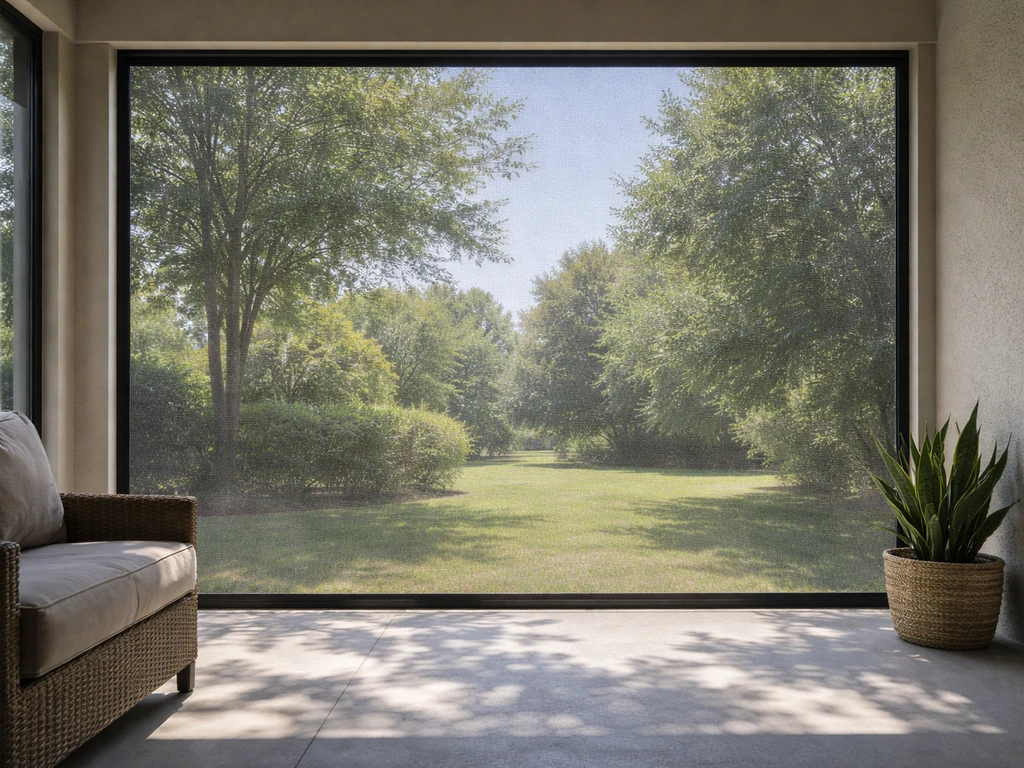
If traditional fiberglass mesh screening isn't working for your patio, you have real options: retractable screens, shade sails, outdoor curtains, pergola louvers, polycarbonate panels, lattice with climbing plants, motorized roll-down shades, and full aluminum-framed enclosures. Each one hits a different balance of bug protection, privacy, airflow, weather resistance, and cost. The right pick depends on what's actually bothering you about your current setup, what your patio looks like structurally, and how much you want to spend.
Patio Screen Alternative Options: Costs, Pros, and Choice Guide

Miles Hart
16 Jun 2026
First, figure out exactly what problem you're trying to solve
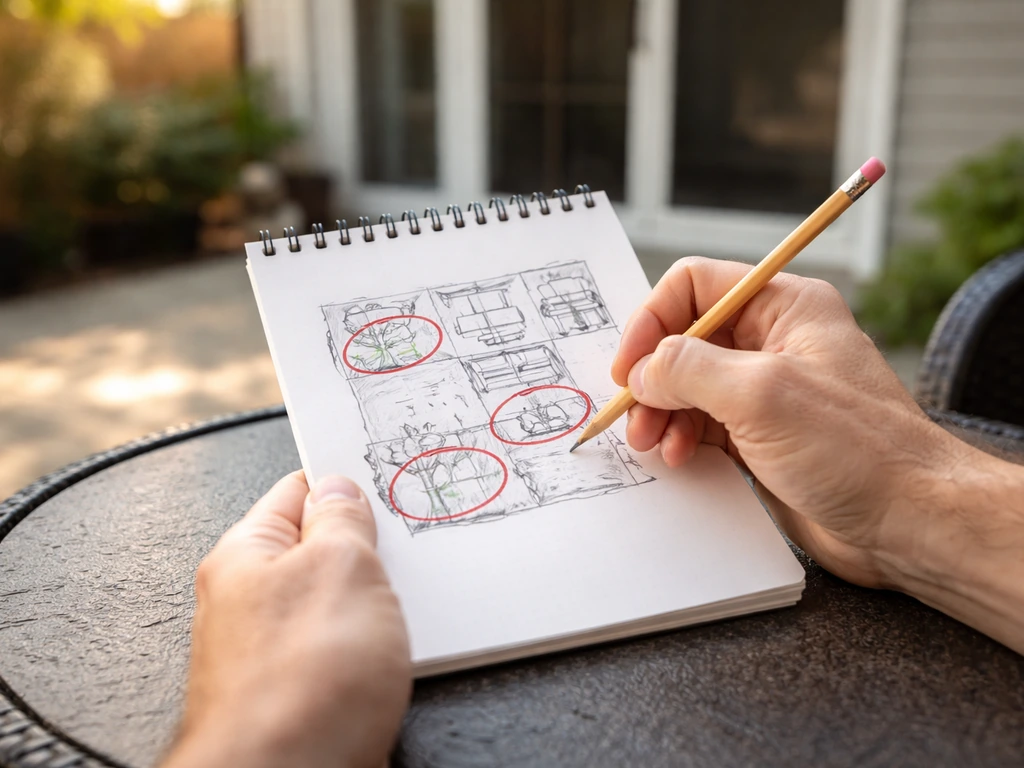
Before you start pricing anything out, get specific about what you actually need. A lot of homeowners search for a patio screen alternative because they've run into one or more of these situations: the screen tore and replacement seems like a pain, mosquitoes are still getting in, the view is blocked too much, they want more privacy from neighbors, or the setup they have does nothing against wind and rain.
If you are specifically trying to figure out how to screen in a patio under a deck, start by mapping where the deck blocks the sides and where insects are getting in patio screen alternative. If you're ready to figure out how to screen a patio enclosure, start by matching the type of enclosure to the bugs, weather, and privacy issues you have now.
If you want to follow a step-by-step approach to how to screen in a patio, start by identifying which problems you listed in that first assessment. Those are genuinely different problems with different solutions.
Think about your patio in concrete terms. Is it fully open on all sides, partially covered by a roof or deck above, or already framed in? How big is it? Do you have a HOA or local code to worry about? Do you have kids or pets who need a fully enclosed space, or are you mostly trying to enjoy a glass of wine without getting eaten alive? Write those answers down before you read the next section, because they'll directly determine which alternatives make sense.
- Bug protection only: you want mosquito/insect control but don't care much about wind or rain
- Privacy: neighbors can see in and you want that fixed without closing off airflow entirely
- Weather protection: wind, rain, or afternoon sun is making the space unusable
- Full-season use: you want to actually sit out there in cooler months
- Aesthetics: the existing screen looks cheap or dated and you want something that adds curb appeal
- Pet or kid containment: the space needs to be fully enclosed and secure
The best patio screen alternatives, matched to what you actually need
Retractable screens (motorized or manual)
Retractable screens are one of the most popular alternatives because they give you a screened-in feel when you want it and a fully open patio when you don't. Manual versions roll up by hand; motorized versions run off a remote or smart home system. They mount into a housing at the top of an opening and drop down into a track at the floor. Bug protection is solid when fully deployed.
They don't handle heavy wind or rain well, though, and you'll want to retract them in a storm or they'll take damage. Motorized retractable screens run about $20 to $75 per square foot installed, which works out to roughly $3,000 to $6,000 per opening depending on size. Manual versions cost less but still aren't cheap.
Outdoor curtains and privacy panels
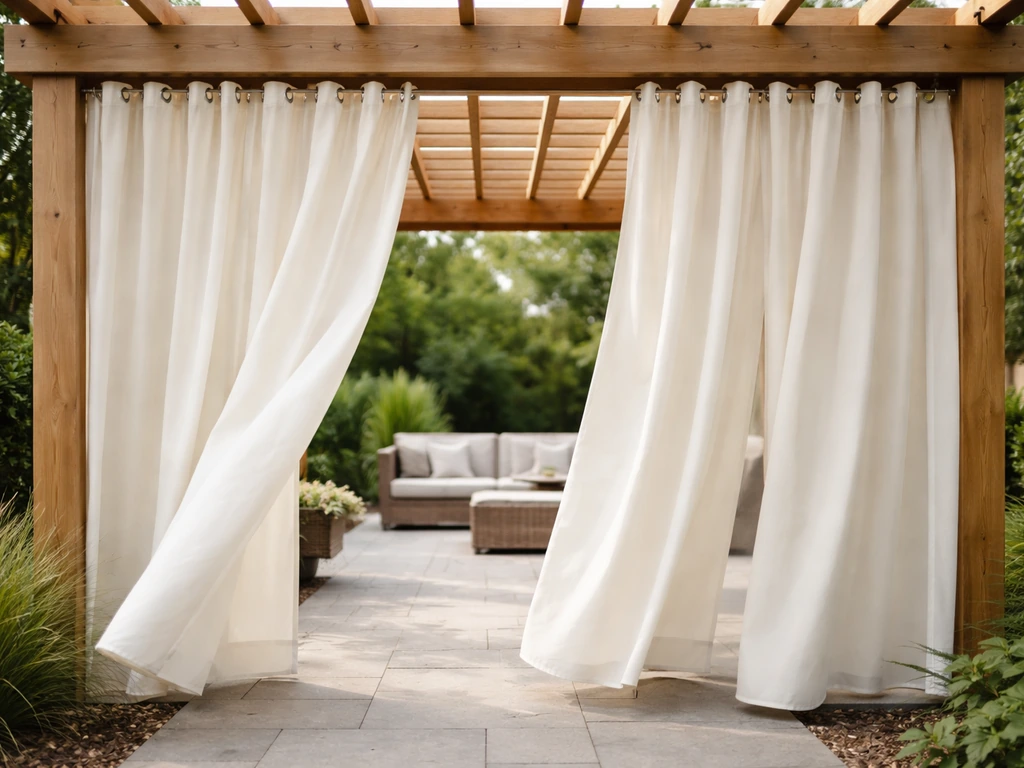
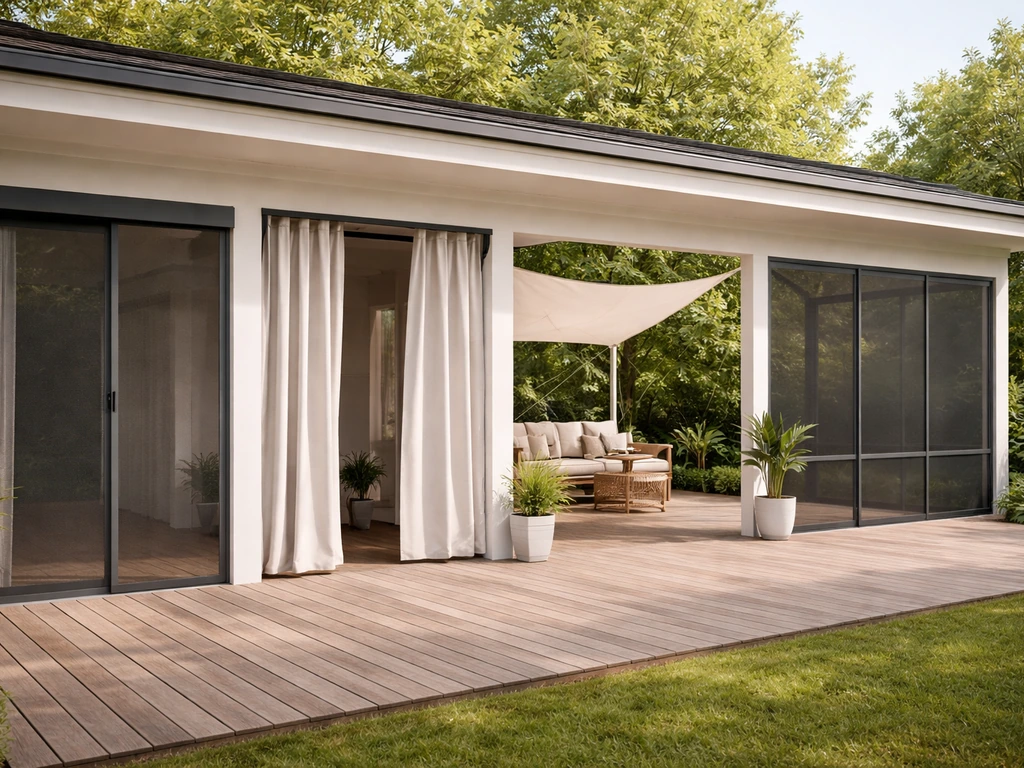
Outdoor curtains hung from a pergola or curtain rod system are the most budget-friendly option and surprisingly effective at privacy and partial wind blocking. They don't stop bugs reliably unless you're using a fine-weave mesh fabric, and even then gaps at the edges let insects through. Where they shine is aesthetics and flexibility: you can pull them open, close them partially, swap them seasonally, and spend as little as a few hundred dollars. They're best for patios where the primary complaint is sun glare, neighbor sightlines, or occasional light wind, not serious insect pressure.
Shade sails and pergola canopies
Shade sails are stretched fabric panels anchored to posts or wall-mounted hardware. They're excellent at blocking UV and cutting afternoon heat, but they do essentially nothing for bugs and very little for wind. That said, the UV-blocking performance depends on the material and how tightly it’s installed, so it helps to confirm the screen's UV rating excellent at blocking UV. A well-installed shade sail on a 12 by 14 foot patio can be done for $300 to $800 in materials if you DIY it. They're best suited for hot, dry climates where shade is the main goal and insects aren't a major issue.
Pergola with adjustable louvers
A louvered pergola roof is a premium solution that gives you control over sun, rain, and airflow from above. The louvers tilt open and closed, so you can let in breeze or close them to keep rain out. They don't address side walls at all, so bugs and privacy on the sides remain unaddressed unless you pair them with curtains or screens. Louvered pergola systems start around $5,000 to $10,000 for a basic freestanding unit and go up from there, especially for motorized versions. This option is best for homeowners who want a functional outdoor room and have the budget to treat it as a legitimate renovation.
Polycarbonate or acrylic panel enclosures
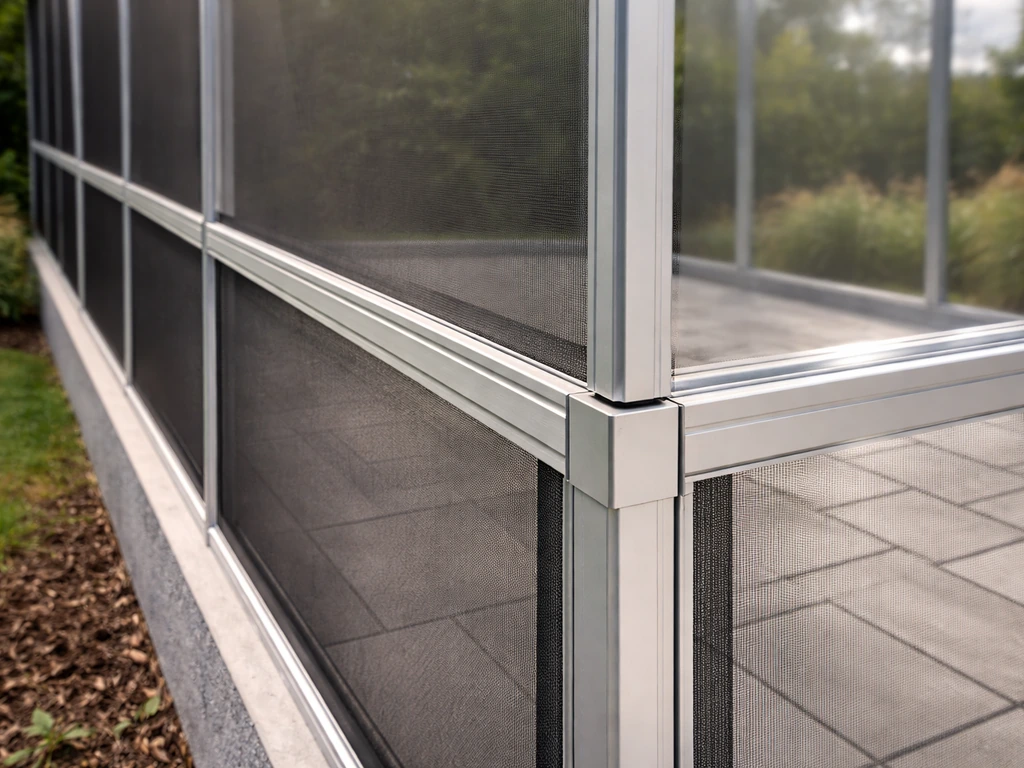
Polycarbonate panels are rigid, transparent or translucent sheets that can be framed in around a patio to create a mostly weatherproof enclosure. They block wind, rain, and insects fully when properly installed, and clear versions maintain visibility. The tradeoff is ventilation: unless you design in operable panels or vents, these spaces can get extremely hot in summer. They also look more utilitarian than other options. This approach works well in rainy climates or for three-season rooms where you're not trying to keep it cool in July.
Aluminum-frame screen enclosure (traditional, but upgraded)
If your issue with standard screening is the material quality or the look, an aluminum-frame enclosure with premium screening (solar screen, pet-resistant screen, or no-see-um mesh) may solve your problem without abandoning the screen-room approach entirely. Installed costs for a standard aluminum frame with fiberglass screening run about $6 to $12 per square foot in regions like Florida where these are common. A 200-square-foot enclosure can land around $2,000 to $5,000 depending on complexity. This is worth revisiting if what you actually need is better insect control rather than a fundamentally different approach.
Outdoor roll-down shades (solar shades)
Solar shades are roll-down fabric panels, usually vinyl-coated polyester, that mount above an opening and drop down to block sun and reduce visibility from outside while maintaining some view from inside. They're not insect-proof but they dramatically cut heat gain, and the denser weave options (3% to 5% openness factor) provide real privacy. They handle light wind better than curtains. Expect to spend $200 to $600 per panel for good-quality manual versions, and more for motorized. They're a practical middle-ground for patios that get hot afternoon sun.
Cost comparison across all the main options
| Option | DIY Cost (materials) | Installed Cost (est.) | Lifespan | Bug Protection | Weather Resistance |
|---|---|---|---|---|---|
| Outdoor curtains | $100–$400 | $200–$600 | 2–5 years | Minimal | Light wind/sun only |
| Shade sails | $200–$800 | $400–$1,500 | 5–10 years | None | Sun/UV only |
| Solar roll-down shades | $400–$1,200 | $600–$2,000 | 7–12 years | Low | Sun, light wind |
| Retractable screens (manual) | $500–$1,500 | $1,500–$4,000 | 10–15 years | Good | Light wind, no rain |
| Retractable screens (motorized) | Not recommended DIY | $3,000–$6,000 per opening | 10–15 years | Good | Light wind, no rain |
| Polycarbonate panels | $800–$2,500 | $2,000–$6,000 | 15–20 years | Excellent | Wind and rain |
| Louvered pergola | $3,000–$8,000 (kit) | $5,000–$15,000+ | 20+ years | None (sides open) | Overhead rain control |
| Aluminum screen enclosure | $1,500–$4,000 | $2,000–$5,000 (200 sq ft) | 15–25 years | Excellent | Moderate (not rain-sealed) |
Keep in mind that maintenance costs vary significantly. Curtains and shade sails need replacement every few years in sun-heavy climates. Polycarbonate panels can yellow over time but are otherwise low maintenance. Aluminum screen frames hold up well but the mesh itself may need re-screening every 5 to 10 years, especially in high-UV or salt-air environments.
Bug protection, airflow, visibility, and privacy: what each option actually delivers
These four factors almost always pull in opposite directions. The tighter you seal a space against insects and weather, the less airflow and natural light you get. Here's how to think through the tradeoffs honestly.
Bug protection is only reliable when there are no gaps. That means fully enclosed options like aluminum screen enclosures, polycarbonate panels, or fully deployed retractable screens. Curtains, shade sails, and louvered pergolas do essentially nothing against mosquitoes and no-see-ums. If insects are your primary complaint, don't compromise on this: go with an option that actually closes off the space.
Airflow is best with open-weave screens or retractable systems that can be fully raised. Polycarbonate panels and solid curtains kill ventilation. If you're in a humid climate and want to avoid a stuffy space, a traditional screen enclosure or retractable screen actually performs better than a more 'modern' alternative like polycarbonate.
Visibility cuts both ways. Clear polycarbonate maintains outward views but can feel like a fishbowl from outside. Solar shades let you see out but limit visibility from the street. Standard insect screen mesh reduces visibility somewhat, especially solar or privacy screen variants. If the view from your patio is a selling point, factor that into your decision.
Privacy from neighbors depends on how opaque your chosen material is. Outdoor curtains and dense solar shades are the best performers here. Standard insect screening is nearly transparent at close range. If privacy is the priority, layering options (curtains inside a screened enclosure, for example) is a practical approach that a lot of homeowners use.
DIY vs. hiring a pro: what you can realistically handle yourself
Outdoor curtains, shade sails, and solar roll-down shades are all legitimate DIY projects for most homeowners. The main skills needed are measuring accurately, drilling into masonry or wood, and following manufacturer instructions. Mistakes are usually fixable and the cost of errors is low.
Retractable screens, especially motorized systems, are borderline. Manual retractable screens can be installed by a handy homeowner, but the track alignment is critical and a poor installation means the screen won't seal properly at the edges, defeating the purpose. Motorized systems involve electrical work and precise tensioning that most manufacturers recommend leaving to a certified installer.
Aluminum screen enclosures and polycarbonate panel systems almost always need a contractor. These involve setting posts, pouring footings in some cases, attaching to existing structure safely, and in many jurisdictions, pulling a building permit. A screen enclosure over roughly 200 square feet typically requires a permit in most U.S. counties. Even in permit-lenient areas, improper attachment to a house can create moisture intrusion and structural problems that are expensive to fix later.
Measurements to take before any project
- Width and height of each opening you want to cover (measure at top, middle, and bottom — walls aren't always plumb)
- Total square footage of the patio area
- Ceiling or roof height at the attachment point
- Setback distance from property lines (relevant if adding any structural posts)
- Whether existing roof or deck above is structurally sound enough to attach to
- Location of any electrical outlets, hose bibs, or exterior lighting that will be inside the enclosure
Choosing for your climate: region matters more than most people think
The right patio screen alternative in Phoenix is completely different from the right one in coastal Florida, the Pacific Northwest, or the upper Midwest. Climate is probably the single biggest factor after budget.
Hot, dry climates (Southwest U.S., inland California): Shade and UV protection are the priority. Shade sails, solar roll-down shades, and louvered pergolas all work well. Bug pressure is usually moderate. Polycarbonate panels can create an oven unless you engineer in serious ventilation. Retractable screens work fine but the bug payoff is lower than in humid regions.
Hot, humid climates (Florida, Gulf Coast, Southeast): Insects are severe, humidity is a factor, and afternoon thunderstorms are frequent. Traditional aluminum screen enclosures are the dominant solution here for good reason: they're proven, affordable at $6 to $12 per square foot installed, and allow airflow while keeping bugs out. Retractable screens work but you'll be retracting them constantly in storm season. Polycarbonate panels get brutally hot without mechanical ventilation.
Rainy, mild climates (Pacific Northwest, New England): Wind and rain protection matter more than insects. Polycarbonate panels, louvered pergolas, or a proper three-season room approach make more sense. Outdoor curtains hold up poorly in constant damp conditions unless they're made from mildew-resistant solution-dyed acrylic.
Four-season climates (Midwest, Mountain States): If you want to use the space in fall and spring, you need something that can handle temperature swings. Retractable screens and curtains are summer-only. Insulated polycarbonate or glass panel systems, or a true screen room with supplemental heating, are the only options that extend usable season meaningfully.
How these choices affect your home's value and resale appeal
Outdoor living improvements consistently rank among the higher-ROI renovations, but the type of enclosure matters to buyers. A well-built, permanent aluminum screen enclosure or a finished three-season room reads as livable space to most buyers, especially in markets where outdoor entertaining is a priority. A shade sail or outdoor curtains, however nice they look, are basically furniture in a buyer's eyes: they add atmosphere but not square footage or structural value.
Fully enclosed patio screen rooms and sunroom-adjacent structures can effectively expand your usable living space in buyers' minds, even if they don't count toward official square footage. In Florida, screen enclosures are so expected in certain price ranges that not having one is a mild negative. In the Pacific Northwest, a covered patio structure that keeps out rain is a genuine differentiator.
The key for resale is permanence and quality. A motorized retractable screen system installed by a reputable contractor with a track-mounted system that seals properly will read as an upgrade. A DIY curtain rod with big-box store curtains will not. Polycarbonate panel enclosures can be perceived as either a smart addition or a cheap workaround depending on how they're finished. If resale value is a genuine priority for you, lean toward permanent, professionally installed options and avoid materials that look temporary.
How to choose: a simple decision framework
Run through these questions in order and you'll land on a short list of options worth pricing out.
- Is insect control non-negotiable? If yes, skip curtains, shade sails, and louvered pergolas. Go straight to retractable screens, polycarbonate enclosures, or aluminum screen enclosures.
- Do you need weather protection (wind or rain) in addition to insects? If yes, retractable screens are out unless you pair them with another overhead solution. Look at polycarbonate panels or a full enclosure build.
- Is this summer-only or do you want fall and spring use too? Summer-only: retractable screens and curtains are fine. Extended season: you need something with more thermal performance.
- What's your realistic budget? Under $1,500 total: curtains, shade sails, or a single manual retractable screen panel. $2,000 to $5,000: aluminum screen enclosure (200 sq ft) or multiple retractable screens. $5,000 and up: louvered pergola, motorized systems, or polycarbonate build.
- Are you in a HOA or a jurisdiction with strict permitting? Check before you buy anything structural. Even shade sail posts can trigger setback violations in some communities.
- Do you have kids or pets who need a fully contained space? Only a fully enclosed option works here: aluminum screen enclosure or polycarbonate panels.
Most homeowners end up in one of two camps after going through those questions: either a retractable screen or upgraded aluminum screen enclosure (for insect-focused, budget-conscious projects), or a louvered pergola or polycarbonate build (for weather-focused, higher-budget projects). The outliers who care mainly about shade and aesthetics, not bugs, are usually happy with solar shades or a shade sail at a fraction of the cost. If you're still torn, the cheapest move is to start with curtains or a shade sail for one season, see what's still bothering you, and invest in a permanent solution with that real-world data in hand. A good rule of thumb is to aim for an enclosure-style screen system that balances bug sealing, airflow, and weather protection for your patio’s layout and climate best screen for patio enclosure.
FAQ
Which patio screen alternative is actually mosquito-proof?
If your goal is stopping mosquitoes and no-see-ums, the deciding factor is whether the system can close completely with minimal edge gaps. Outdoor curtains, shade sails, and solar shades usually reduce them but rarely seal well enough to be reliably bug-proof. For real insect control, prioritize fully deployed retractable screens, a properly framed aluminum screen enclosure, or correctly installed polycarbonate panels.
How do I measure correctly when choosing a patio screen alternative?
Don’t size options only by patio floor area. Measure each opening or side run, account for where mounting tracks or posts can land, and include overlap at corners and at the top and bottom edges. Retractable screens especially depend on track alignment and clearance, so if the opening is irregular or obstructed by columns, you may need a different layout or a contractor template before buying materials.
Will polycarbonate patio alternatives make the space too hot?
Many buyers regret underestimating ventilation needs. Polycarbonate panels can trap heat, especially in hot seasons, so plan for operable sections (sliding or hinged panels) or a venting strategy. If you want a “cool” enclosure, louvered pergolas or a screened enclosure with airflow paths typically feel better than a mostly solid polycarbonate shell.
What should I do if wind and rain are my main patio screen alternative problem?
If your issue is wind-driven rain or sideways storms, edge sealing matters more than the material type alone. Retractable screens can be damaged if you leave them out during storms, so plan a habit of retracting them. Curtains can flap and create gaps, which also reduces bug protection, so for weather-heavy areas consider louvered pergola coverage or an aluminum screen enclosure with tight framing.
Do patio screen alternatives usually require permits or HOA approval?
HOA or local rules often target height, visibility, and “permanent enclosure” definitions. Shade sails and curtains are sometimes treated as temporary, while aluminum-framed enclosures and polycarbonate systems are more likely to trigger permits and stricter design review. Check before you order, especially if your patio faces a street or if neighbors can view the structure.
Which patio screen alternative holds up best for resale value?
For resale value, focus on looks and permanence that resemble a finished living space. Permanent, professionally installed aluminum screen enclosures generally read as a durable upgrade, while DIY curtains or shade sails often look like temporary accessories. If you choose polycarbonate, finishing and detailing (edge trims, hardware, and how “enclosure-like” it appears) heavily influence whether it’s seen as an improvement or a workaround.
Can I mix two patio screen alternatives to get both privacy and bug protection?
Yes, you can often combine approaches to solve the “tradeoff” problem. A common tactic is using a bug-sealing enclosure on the sides that get insect pressure, while adding privacy or sun control through curtains, solar shades, or interior layers. Layering works best when you still maintain a continuous boundary for insects, otherwise you create entry points.
How often should I plan to maintain or replace parts of a patio screen alternative?
In high-UV or salt-air environments, mesh and fabric degrade faster than in mild climates. Aluminum frames usually last, but you should expect re-screening or mesh replacement on a cycle rather than treating it as a set-it-and-forget-it purchase. Solar and curtain materials also need planning for sun replacement intervals, especially for fully exposed sides.
What patio screen alternatives are best for DIY versus needing a professional?
If you’re comfortable DIY’ing, start with systems where alignment tolerances are forgiving. Curtains (with the right hardware) and shade sails are usually more manageable than retractable screen tracks, which must seal at edges to work correctly. If you want a retractable, treat contractor installation as “risk management,” not just convenience.
What patio screen alternative is safest if I have pets or kids?
If you have pets or small children, choose materials that won’t snag or tear easily and that won’t leave large openings at the bottom edge. Pet-resistant or tighter-weave mesh within an aluminum frame tends to be more secure than loose curtains or single-panel solutions, and it reduces the chance of pawing, chewing, or pushing through.
How do I choose fast if I’m stuck between two patio screen alternative options?
A quick decision aid is to rank your top two complaints and match the solution’s strengths. If insects top the list, go enclosure-first. If heat and glare top the list, shade-first (solar shades, shade sails, louvered pergolas). If privacy is top, prioritize denser solar fabrics or curtains, but confirm insects are still handled by a sealed boundary.
Next Article
Do Patio Screens Block UV Rays? What to Expect and How to Choose
Learn how patio screens block UV, what affects UV reduction, and how to choose UV-rated screen materials.