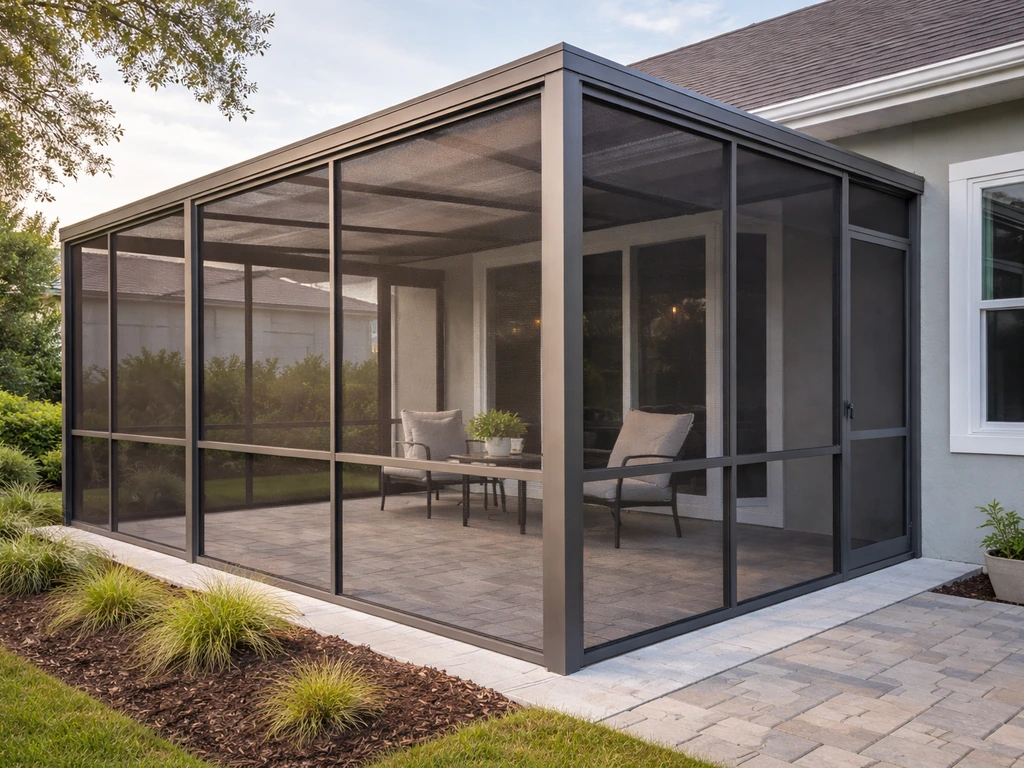
For most patios, 18x14 fiberglass mesh in a powder-coated aluminum frame is the best starting point. A charcoal fiberglass example spec is an 18x14 weave described with about a 0. 13-inch thread in an 18x14 weave and around 45% openness, which the source recommends when added strength is desirable [18x14 fiberglass mesh in a powder-coated aluminum frame](https://www. fiberglassmesh.
Best Screen for Patio Enclosure: Types, Costs, and How to Choose

Miles Hart
4 Jun 2026
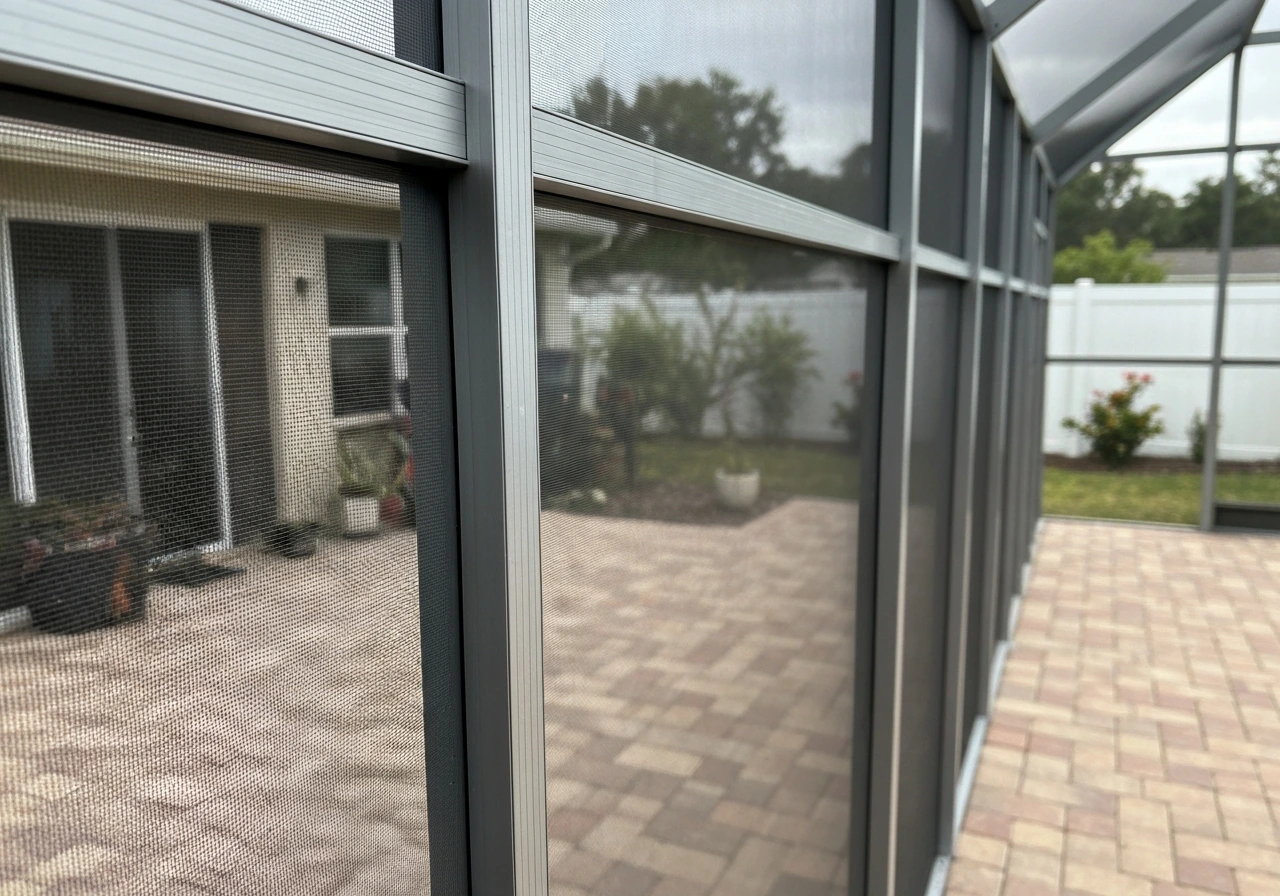
us/fiberglass/charcoal-fiberglass-mesh-screen. html). It blocks common insects, lets decent airflow through (around 58% openness), holds up to years of sun and rain, and costs less than specialty materials. If you have no-see-ums, small pets, or both, step up to an 18x22 pet/no-see-um mesh like Phifer's TuffScreen No-See-Um, which trades a bit of airflow (about 40% openness) for finer bug control and tear resistance.
Retractable systems are worth the extra cost when you want the screen gone on nice days or need to manage wind exposure. Everything else comes down to matching the screen type and frame setup to how you actually use the space.
First, decide what your enclosure actually needs to do
"Patio enclosure" means different things to different homeowners. Some people want a simple bug barrier: a screened perimeter that keeps mosquitoes out while they eat dinner. Others want something closer to a three-season room that handles rain splash, blocks afternoon sun, and holds up to a Florida hurricane season. The screen material and frame system that works for one of those goals is completely wrong for the other, so start here before you look at a single product.
- Bug-only enclosure: standard insect mesh (18x14 or 20x20), aluminum frame, fixed panels. Simple, affordable, proven.
- Bug control plus partial weather protection: heavier mesh or a combination of fixed screen panels and retractable or removable sections to handle wind and rain.
- Year-round or near-year-round use: screen alone won't get you there. You'll need to pair screening with solid panels, polycarbonate, vinyl glazing, or a proper sunroom conversion for cold months.
- Sun control and shade priority: solar or 'solar screen' mesh with a tighter weave and darker coating reduces glare and UV without fully blocking airflow.
- Privacy: darker mesh colors (charcoal or black) read as more opaque from outside while staying relatively transparent from the inside.
- Pets and kids: pet-resistant or heavy-duty mesh is essential; standard fiberglass tears easily under pet claws or repeated impact from balls and furniture.
If you're screening in a patio that sits under an existing deck or already has a roof, your framing options open up because you're not dealing with roofing. If you're working with an open slab or a covered patio with exposed sides, the full perimeter framing becomes the main project. If you want to know how to screen in a patio under a deck, focus first on the perimeter framing and then choose mesh and a frame that can handle the wind and moisture typical of underneath-covered spaces. The scope of that project affects which screen systems are even practical. Keep that context in mind as you read through the options below.
The main screen types and when to use each
Fixed screen panels
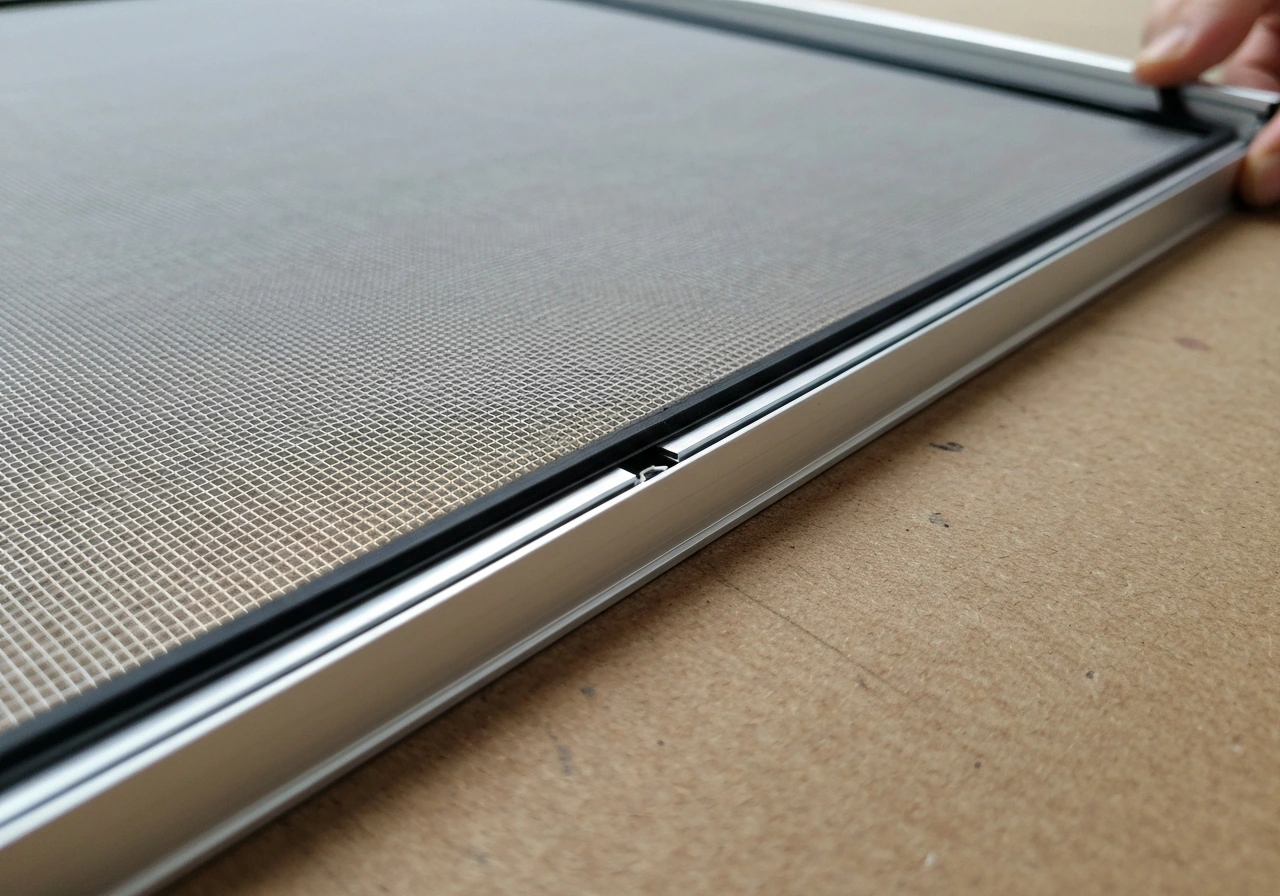
Fixed panels are the backbone of most patio enclosures. Mesh is stretched over aluminum frames and secured with a rubber spline pressed into a channel around the perimeter. This is what you see on the majority of Florida screen rooms and screened porches across the country. It's the most cost-effective approach, easiest to DIY repair, and available in every mesh type. The tradeoff is that the screen is always there. On a breezy day when you want full open air, you've got mesh. In a storm, you can't close it off. For most homeowners in mild-to-moderate climates, that's fine.
Retractable screen systems
Retractable screens roll or fold away when not in use. They mount into a housing at the top of an opening and drop or pull across when you want them. Retractable systems work particularly well for large openings like full patio walls or oversized sliding-door openings where you genuinely want the choice between screened and fully open.
They're also relevant in high-wind areas: Florida's building code, for example, requires that screen panels be retracted, removed, or cut when wind speeds are expected to exceed 75 mph. A retractable system makes that process fast and code-compliant. The cost is substantially higher than fixed panels, and the hardware is more complex. Companies like FenétEx and Andersen treat these as configurable engineered products with specific mounting hardware and ordering parameters.
Budget for professional measurement and installation unless you're very comfortable with door and window hardware.
Pet-resistant and heavy-duty mesh
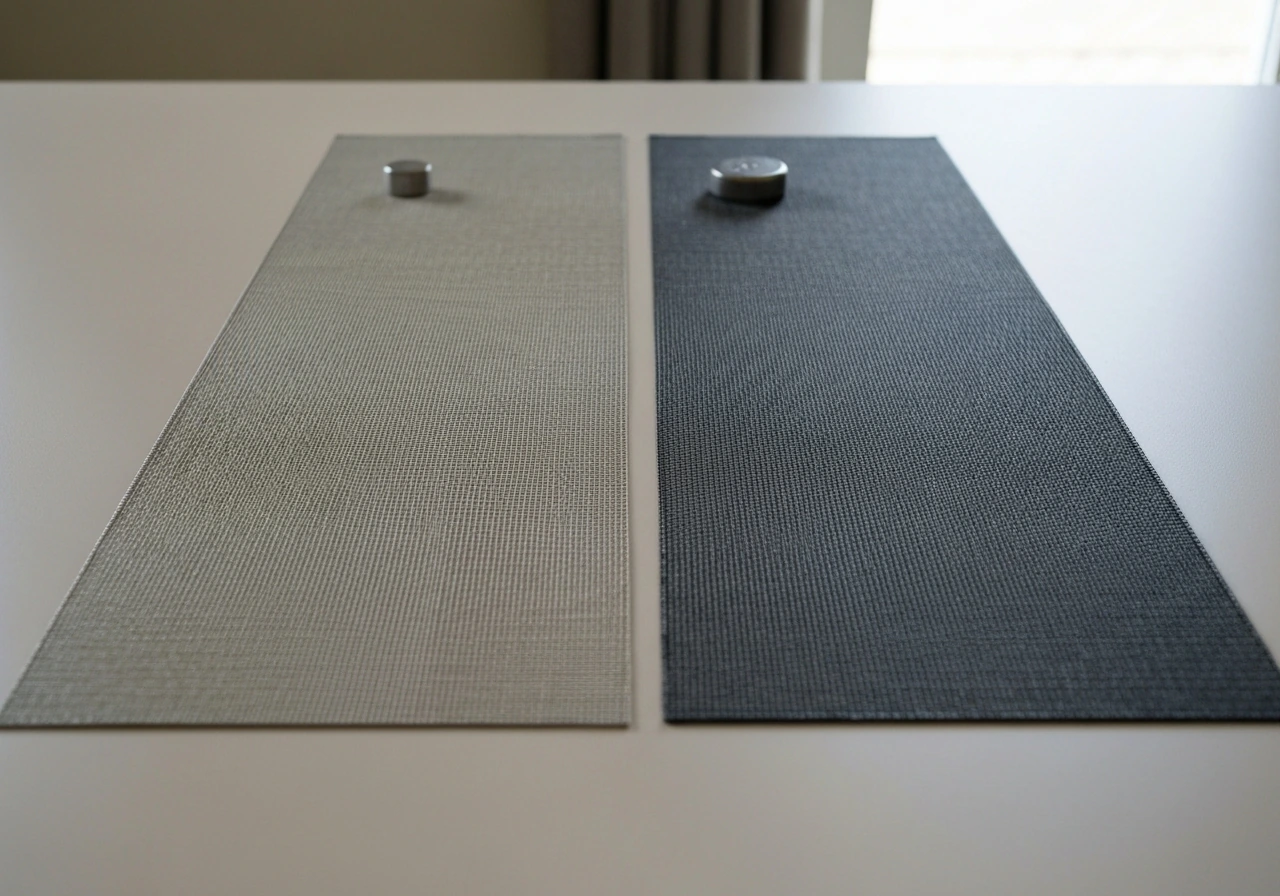
Standard fiberglass mesh has a typical lifespan of 7 to 10 years under UV exposure before it starts getting brittle and tearing easily. Add a dog that likes to lean on the screen or a cat that decides the mesh is a ladder, and you're replacing panels every year or two. Pet-resistant mesh like Phifer's TuffScreen No-See-Um is a heavier polyester-based product that resists pet claws significantly better than standard fiberglass. Polyester mesh in general is becoming more common in screen enclosure rescreens because it cleans more easily (important around pools) and holds up better to repeated contact. You'll pay a bit more per square foot for material, but you recoup that quickly in avoided repairs.
Solar and privacy screen mesh
Solar screens use a tighter, PVC-coated or vinyl-coated mesh designed to block a meaningful percentage of UV and solar heat gain. But if you’re wondering whether patio screens block UV rays, solar screen mesh is the option most designed for UV reduction do patio screens block uv rays. A typical charcoal PVC-coated fiberglass mesh in this category might offer around 70% visibility while still cutting glare and UV significantly. These work well on west-facing patios with brutal afternoon sun.
The tradeoff is slightly reduced airflow compared to standard insect mesh, and they tend to cost a bit more per square foot. They're not a substitute for an awning or solid roof if you have direct rain exposure, but as a screen material choice they're a solid upgrade for sun-heavy situations.
Mesh specs that actually matter when you're comparing options
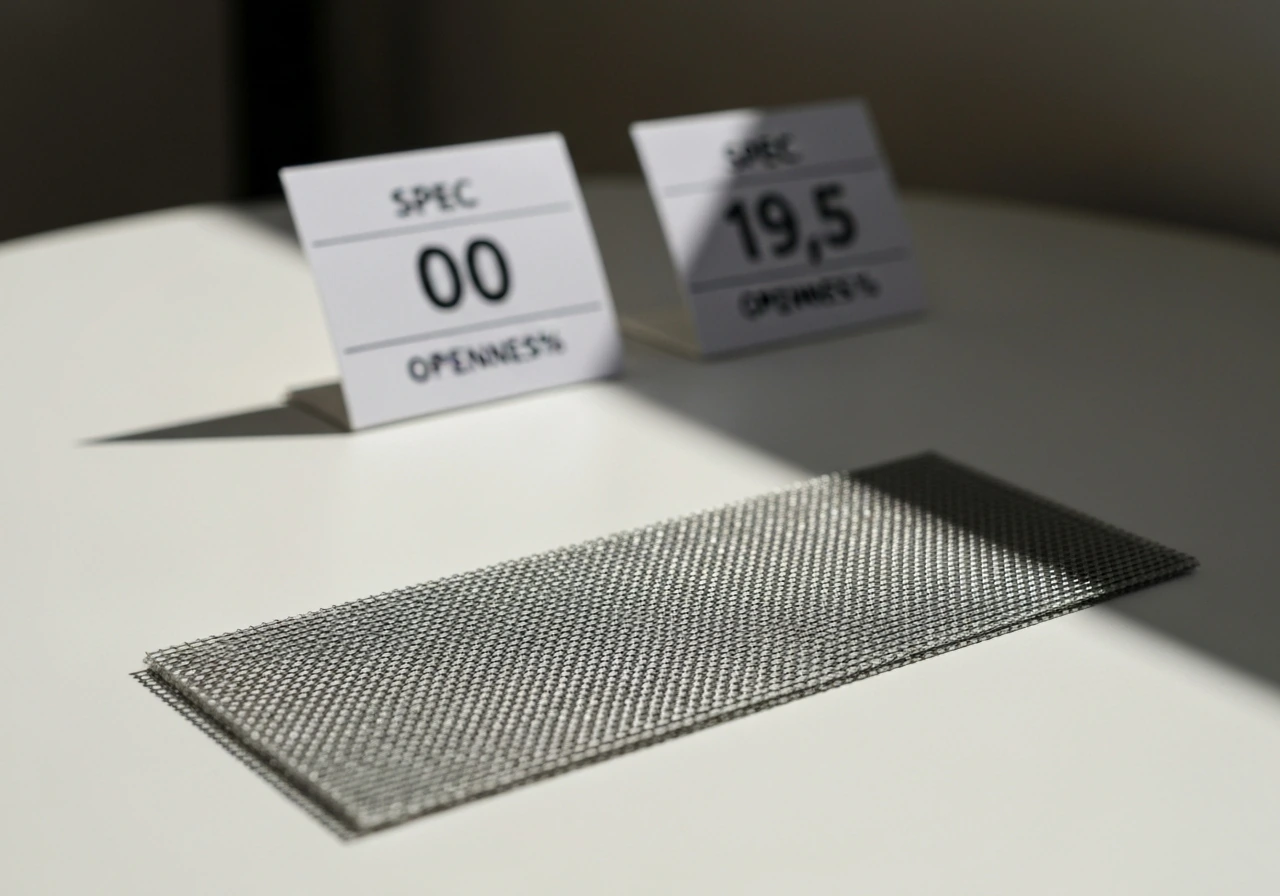
The numbers printed on screen mesh packaging describe the weave count (threads per inch horizontally by threads per inch vertically) and the openness percentage. Those two figures tell you almost everything you need to know about bug control versus airflow tradeoffs.
| Mesh Type | Weave Count | Openness % | Best For | Trade-off |
|---|---|---|---|---|
| Standard fiberglass (charcoal) | 18x14 | ~58% | General bug control, good airflow | Won't stop no-see-ums or gnats |
| Fine insect / no-see-um | 20x20 | Lower than 18x14 | Tiny insects (no-see-ums, gnats) | Slightly reduced airflow vs 18x14 |
| Pet/no-see-um combo (TuffScreen) | 18x22 | ~40.6% | Pets + tiny insects | Noticeably reduced airflow, higher cost |
| Solar/PVC-coated fiberglass | Varies | ~70% visibility (not full openness) | UV/glare reduction + insects | Less airflow, higher material cost |
| Aluminum mesh | Varies | Varies | High-traffic or coastal durability | Heavier, more rigid, harder to DIY |
Openness percentage is the single most useful number for comparing airflow and visibility. A mesh at 58% openness feels noticeably more breezy and transparent than one at 40%. If you're screening a patio in a warm climate where airflow is the whole point, don't let a sales pitch for finer mesh talk you into giving up 15 to 18 points of openness unless you actually have a no-see-um problem or pets. Aluminum mesh runs about $2 to $4 per square foot for materials, which is higher than basic fiberglass, but it holds up better in coastal salt-air environments and under hard UV.
Frame materials, doors, and layout decisions
Frame material: aluminum is the standard for good reason
Powder-coated aluminum is the default frame material for patio enclosures, and it's earned that status. It doesn't rot, resists rust when properly coated, is lightweight enough for DIY handling, and holds spline-and-mesh systems well. You'll see it in virtually every professionally built screen room. The alternative that sometimes comes up is vinyl (PVC) framing, which is cheaper upfront but flexes more under wind load and has a shorter lifespan in harsh UV environments.
Wood framing can look beautiful on a covered porch but needs consistent painting or sealing to avoid rot and is almost never used in new screen enclosure builds. For most homeowners, aluminum is the right call unless aesthetics are a primary concern and you're prepared to maintain wood.
Doors and operable sections
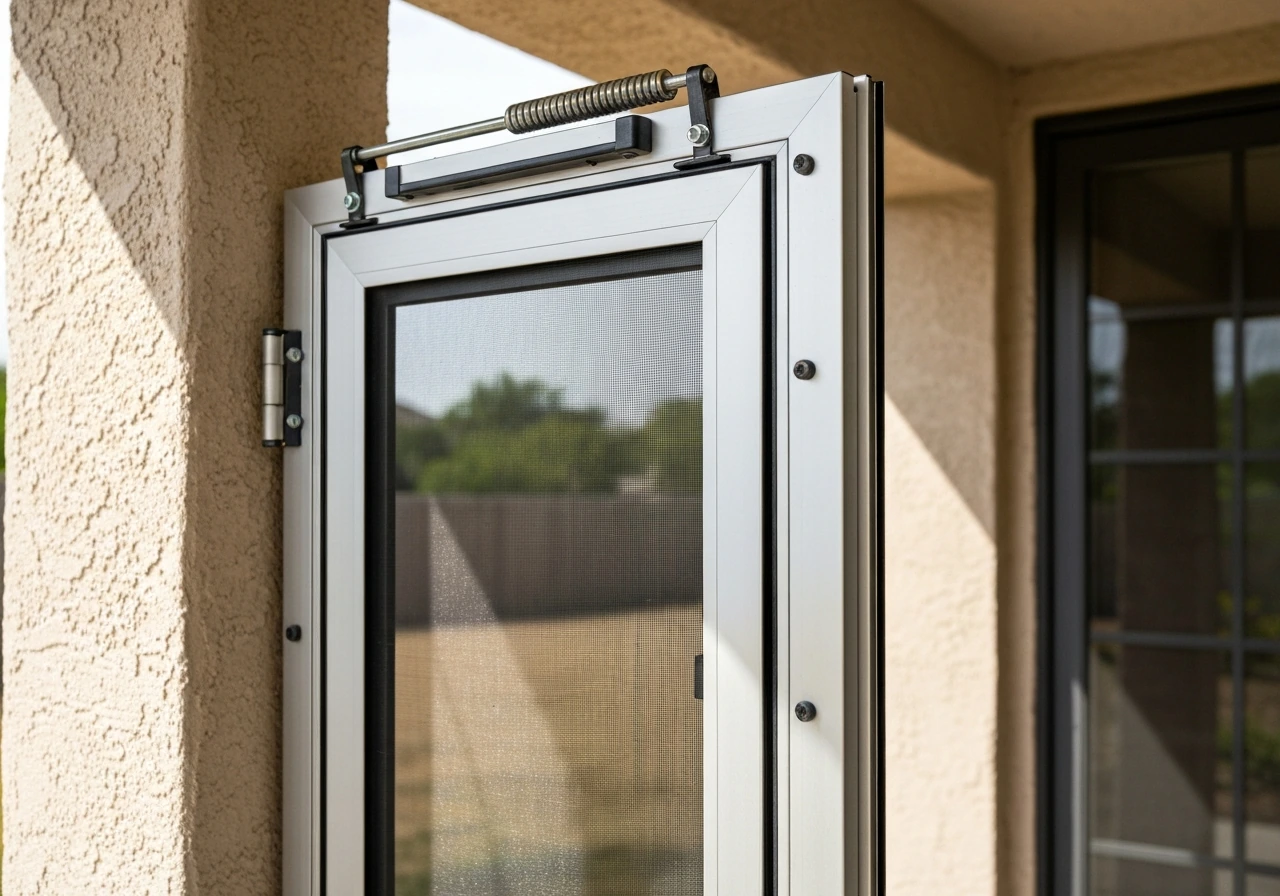
Every enclosed patio needs at least one screened door, and that door is almost always the first thing to fail. Hinged aluminum screen doors with a spring closer are the most common and most repairable option. They come in standard widths (typically 32" and 36") or can be custom-ordered for wider openings. For patios with heavy foot traffic or where you regularly move furniture, a double-door setup is worth the extra cost.
Retractable screen doors from manufacturers like Andersen are available as door-specific accessories, engineered to integrate with the door frame system. These work well for main entry points where you want the option to have no screen visible, but they're more expensive than hinged panels and require more careful installation. If your enclosure spans a large wall opening, consider whether you want a full retractable wall panel or a series of fixed panels with one hinged door section.
Wind load and panel sizing
Wind load matters more than most homeowners realize, especially in coastal areas or storm-prone regions. Florida's building code addresses this directly: screen enclosures are designed to lower wind-load standards than the main house because they're not expected to be occupied during a storm, but they still have to meet minimum design pressure requirements.
The drag forces on a screen enclosure depend on wind pressure multiplied by the frontal area of the panels, which is why smaller individual panel sections perform better in high-wind scenarios than large single-span screens. If you're in a high-wind zone, ask your contractor specifically about panel sizing and frame gauge. Heavier-gauge aluminum extrusions (typically 6063-T5 or T6) and smaller panel spans increase system stiffness and wind resistance meaningfully.
What it costs: real numbers for materials and installation
Costs vary a lot depending on whether you're building a new enclosure from scratch, rescreening an existing aluminum frame, or doing a partial repair. Here's a realistic breakdown based on current 2026 data.
| Project Type | Cost Range | Notes |
|---|---|---|
| New screen enclosure (installed) | $4,000–$12,000 | Full aluminum frame + mesh; size and complexity drive the range |
| Professional rescreening (porch/sunroom) | $862–$7,028 total | Depends heavily on total square footage and mesh type chosen |
| Pool enclosure rescreening | $7–$9 per sq ft installed | Includes materials and labor; standard mesh assumed |
| Aluminum mesh (materials only) | $2–$4 per sq ft | Before labor; standard grade |
| Retractable screen door (installed) | $400–$1,200 | Single door; engineered system, not DIY mesh panel |
| DIY rescreening (materials only) | $0.50–$2 per sq ft | Fiberglass mesh + spline; labor is your time |
The biggest cost lever on a new enclosure is size and the number of corners, angles, and custom openings. A simple rectangular patio enclosure on a flat slab with four walls and a door is the cheapest scenario. If you want the cheapest way to screen in a patio, start by keeping the footprint simple and the layout straightforward the cheapest scenario. Add a hip or gable roof transition, multiple door openings, or curved sections, and costs climb fast.
If your existing aluminum frame is structurally sound, rescreening rather than full replacement is almost always the smarter financial move. You keep the frame and just replace the mesh and spline, which is exactly the kind of project a moderately handy homeowner can do themselves over a weekend.
DIY vs. hiring a pro
Rescreening fixed panels is genuinely DIY-friendly. If you need step-by-step guidance, use this for how to screen in an apartment patio from measuring to choosing the right mesh and frame setup rescreening fixed panels is genuinely DIY-friendly. The method is consistent across almost all aluminum frame systems: pull out the old rubber spline, remove the old mesh, cut new mesh slightly larger than the frame opening, press it into the spline channel with a rolling tool, trim the excess.
Standard instructions from spline suppliers like Strybuc walk through the process in detail. The main failure mode for DIYers is not keeping the mesh taut enough, which leads to sagging and loose spots. A frame rolling tool (a few dollars at any hardware store) and a helper to keep tension on the mesh while you roll the spline makes a big difference.
Building a new enclosure frame from scratch, on the other hand, involves concrete anchors, plumb posts, and potentially permit-required engineering in many counties. That's a pro job for most homeowners.
How to measure and plan before you order anything
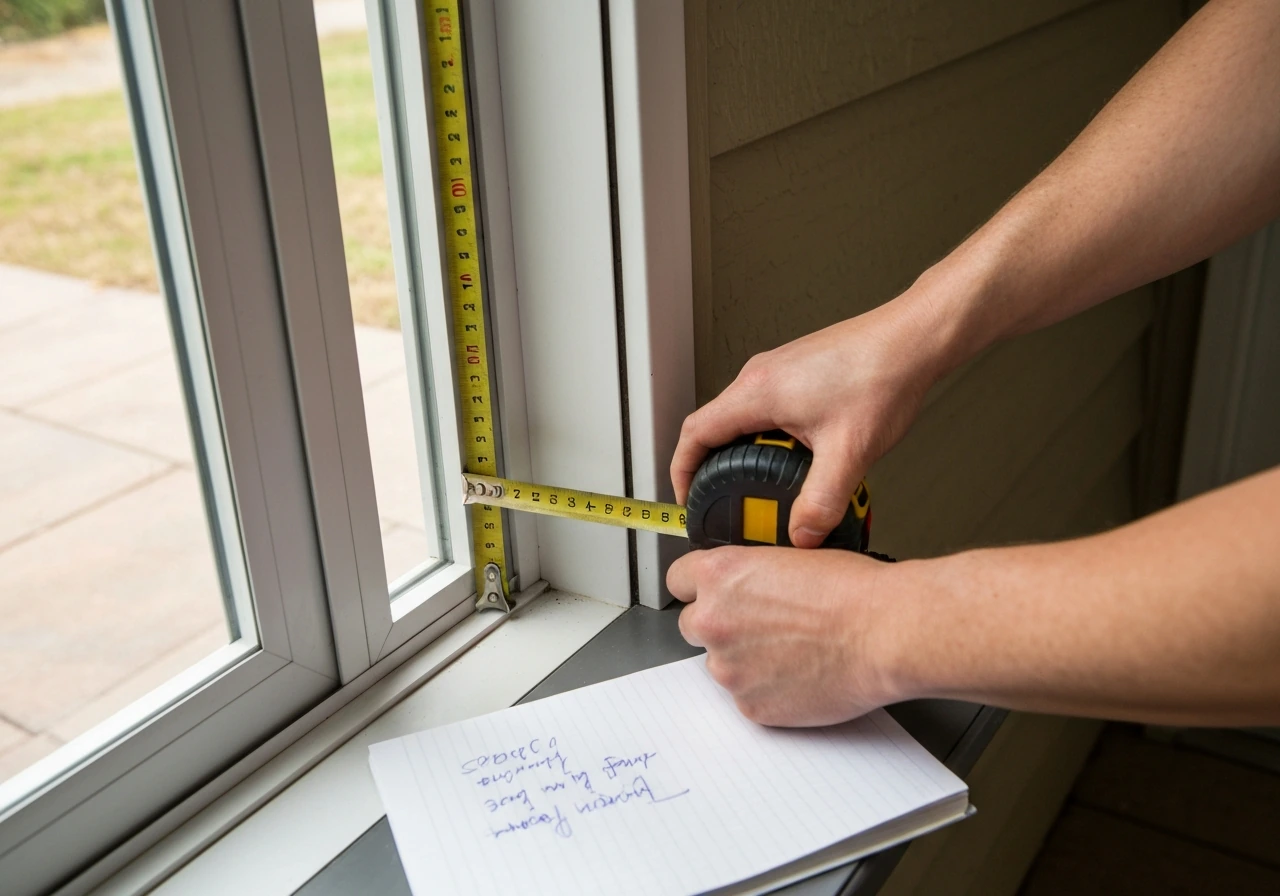
Accurate measurement is the step most homeowners rush and then regret. Once you know what you need from your enclosure, use a step-by-step approach to screen a patio enclosure, starting with measurements and choosing the right mesh and frame how to screen a patio enclosure. Whether you're ordering replacement mesh or planning a new enclosure, take these measurements carefully.
- Measure each panel opening individually, not just the overall frame dimension. Individual panels vary slightly even in the same frame run.
- For mesh orders, add 2 to 3 inches to each dimension per panel so you have enough material to grip and tension during installation before trimming.
- For spline, measure the total linear footage of all panel perimeters and add 10 to 15% for waste and cuts. Spline that's too small for the channel groove will pop out; match the spline diameter to the channel width (typically 0.140" to 0.175" for standard aluminum extrusions).
- For a new enclosure, measure the full slab footprint and identify where the existing structure (house wall, columns, or roof edge) will serve as attachment points. Sketch the layout and mark door locations before ordering any frame material.
- If you're in a high-wind zone, check your local building department for required panel spacing and frame gauge specifications before designing the frame layout. Some counties require permits and inspections for new screen enclosures.
One thing worth knowing: wall height matters for mesh roll sizing. Standard fiberglass mesh rolls come in widths from 24" to 96". If your wall panels are taller than the available roll width, you'll need to either order a custom width or plan for horizontal framing members that divide the panel into sections, each covered by a standard roll. Plan this before you order.
How long screens last and when to look at alternatives
Standard fiberglass mesh typically lasts 7 to 10 years before UV degradation makes it brittle and prone to tearing. In particularly sunny climates or near pools with chemical exposure, that can shorten to 5 to 7 years. Aluminum mesh lasts longer under UV but can eventually corrode in salt-air environments if the coating is compromised. When you rescreen, it's worth replacing the spline at the same time even if it looks okay; old spline hardens and becomes less grippy, and new spline is cheap insurance for a tight, lasting install.
Maintenance for screen enclosures is genuinely minimal. Hose down the mesh annually (or more often near pools) to clear pollen, dirt, and mildew. Check the spline in corners and along the bottom rail every year or two; those spots fail first. Inspect door closers and hinges each season and tighten or replace as needed. That's about it.
When screen isn't the right answer
Screening makes a patio dramatically more usable in warm months, but it has real limitations. It doesn't meaningfully reduce noise, it doesn't provide thermal insulation, and it won't keep you dry in a driving rain. If you want to screen a patio with a roof, you still need to plan for wind exposure and rain angles so the mesh enclosure is comfortable and protected.
If you want to use the space in cold weather, you're looking at adding clear vinyl drop panels, polycarbonate glazing, or glass panels alongside or instead of mesh. Clear vinyl and polycarbonate panels can be combined with a screened perimeter for a convertible system that works in multiple seasons. Glass-like systems (tempered glass or acrylic in aluminum frames) cost significantly more but deliver near-sunroom levels of weather protection.
If year-round comfort is the real goal, it's worth pricing a proper three-season room or sunroom addition rather than over-engineering a screened enclosure that still won't be warm in January. Those alternatives also tend to have a stronger positive impact on home value and appraisal than a screened enclosure alone, which is worth factoring into your decision if you're thinking long-term.
For most homeowners in mild to warm climates, though, a well-built screen enclosure with the right mesh is one of the most cost-effective outdoor upgrades you can make. If you are deciding between materials, it can also help to compare a patio screen alternative like a vinyl, polycarbonate, or glass-like system for different weather protection needs. Match the mesh to your actual insect situation, choose frame and door components that will last, and plan your measurements carefully before you order. You'll get years of comfortable outdoor living at a fraction of what a full sunroom costs.
FAQ
What’s the best screen for a patio enclosure if I mainly want to block mosquitoes but still keep it breezy?
Start with a standard insect mesh around 55% to 60% openness. If mosquitoes are worst around dusk, prioritize easy airflow and visibility over ultra-fine mesh, and make sure your door sweep brushes the threshold consistently, since gaps around the door are a common failure point.
I have no-see-ums, should I always choose the highest protection mesh even if it feels less breathable?
Not always. If your patio gets airflow from fans or open ends, you can often use no-see-um style mesh without making the space feel too stuffy, but if you also need heavy sun glare control, you may have to choose between UV-blocking solar mesh and the finest bug mesh. In that case, focus on bug control for the perimeter and consider targeted sun reduction with awnings for the areas where you sit.
How do I know whether my patio enclosure needs fixed screens or retractable ones?
Choose retractable screens if you regularly want the entire opening to be fully open, like for sliding doors or a long wall span. Choose fixed panels if your priority is cost and you rarely need the screen completely out of the way. Also, if you live in a high-wind zone, retractables can be a compliance advantage because they reduce exposure during wind events.
Can I replace only the mesh and keep the same frame and spline without problems?
Often yes, but only if the frame is straight, the channels are not corroded, and the spline grooves are still grippy. If you see flattened corners, loose rails, or old spline that feels brittle, replace the spline as well, since it’s inexpensive compared with the labor of redoing panels due to slack mesh.
What’s the most common mistake when DIY rescreening a patio enclosure?
Under-tensioning the mesh. The result is sagging that creates loose spots where insects can get in. Use a helper to keep the mesh taut while you seat the spline, and double-check that you cut the mesh slightly oversize for each opening so you can trim after it’s rolled in.
How should I measure for screen rolls if my walls are taller than the mesh roll width?
Plan on either ordering a custom-width mesh or adding horizontal framing members to break the wall into multiple sections that match standard roll widths. If you ignore this, you end up with seams in hard-to-tension areas, and seams near high-wind edges are more likely to loosen over time.
Do screen enclosures actually reduce UV exposure enough for pool or west-facing patios?
They can reduce UV and glare meaningfully, especially with solar or PVC-coated mesh, but they do not replace shading structures like awnings. If you have direct sun on skin for long periods, combine solar mesh with a sun strategy, such as placing screens to block the afternoon angles or using outdoor curtains over the seating area.
How do I choose between aluminum mesh and other mesh types for coastal salt air?
Prioritize a corrosion-resistant frame system and components, and inspect the coating integrity annually. Aluminum mesh and powder-coated aluminum frames perform best when the coating is intact, but if you’re near salt spray, schedule more frequent checks for scratches, chips, or areas where water can sit against metal.
What’s a realistic lifespan to plan for, and when should I rescreen instead of waiting?
If you’re on fiberglass mesh, plan for around 7 to 10 years in normal sun, with shorter life near pools or with heavy UV. Rescreen when you notice brittleness, frequent corner failures, or tears that keep spreading, since catching it early is cheaper than replacing an entire panel after multiple patch attempts fail.
Should I replace the screen door hardware at the same time as a rescreen?
If the door is the main entrance, it’s smart to inspect closer springs, hinge tightness, and the door sweep during rescreen season. Worn door sweeps and misaligned frames can waste your new mesh investment by creating gaps that let bugs in and reduce the enclosure’s overall effectiveness.
What annual maintenance actually matters most?
Annual rinsing is useful for pollen and mildew, but the highest-impact checks are the spline at corners and along the bottom rail, plus the door closer and hinges. Treat the bottom rail area as the priority, because debris buildup and foot traffic cause the earliest loosening.
If I want year-round comfort, is a screened enclosure the wrong choice?
It depends on your cold-weather expectations. Screens won’t meaningfully insulate or keep out driving rain, so for real winter comfort you’ll likely need supplemental panels, like clear vinyl or polycarbonate, or a proper three-season/sunroom style enclosure. If you’re trying to make the space usable in January, price the upgraded glazing option early so you can compare total cost and limitations.
Next Article
How to Screen a Patio Enclosure: Step by Step Guide
Step-by-step guide for screening a patio enclosure: planning, measuring, frames, materials, installation, and cost tips