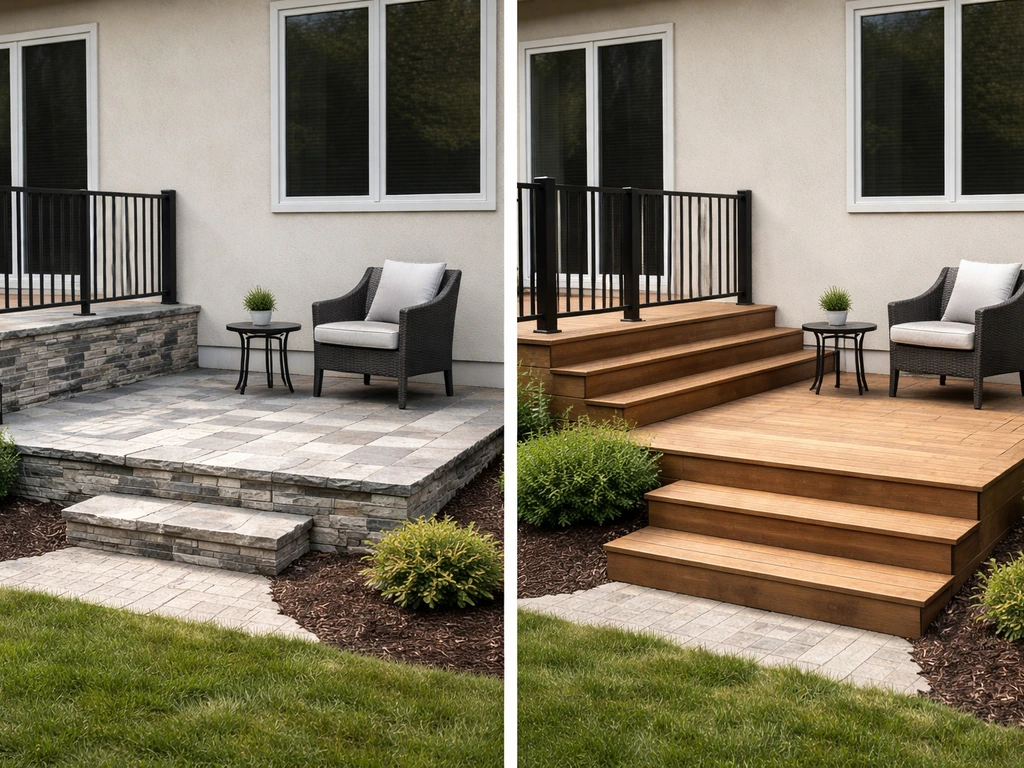
Resin patios are genuinely low-maintenance, good-looking surfaces that drain well and hold up better than plain concrete in a lot of conditions. But they come with real limitations: they're not cheap, they're tricky to repair invisibly, the bonded version loses stones over time, and a bad sub-base will ruin the whole thing. Whether one is right for your yard depends a lot on your budget, your climate, and which system you actually choose. When deciding between a raised patio vs deck, most homeowners weigh height and drainage, maintenance, and how much structural framing and leveling work the site will need your yard depends a lot.
Resin Patio Pros and Cons: Performance, Costs, and Alternatives

Miles Hart
20 May 2026
What a resin patio actually is
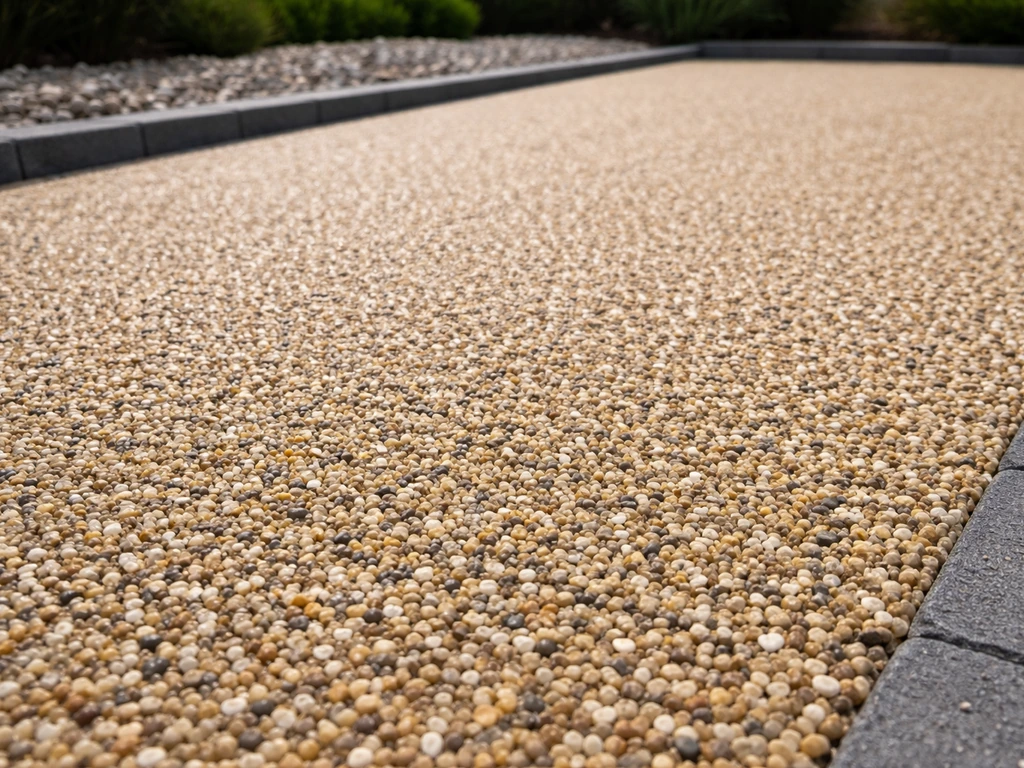
When a contractor quotes you a "resin patio," they're almost always talking about one of two systems: resin bound or resin bonded. They look similar at first glance but perform very differently, and the distinction matters when you're comparing quotes.
Resin bound
In a resin-bound system, aggregate (usually natural gravel, quartz, or recycled glass) and resin are mixed together in a forced-action mixer, then troweled onto the prepared surface. Every stone gets fully coated before it's laid, so the finished surface has no loose stones. It's smooth to walk on, permeable, and generally the better performer of the two. Most reputable installers are talking about this system when they offer a 10-year guarantee.
Resin bonded (bonded/scatter coat)
In a resin-bonded system, resin is spread onto the surface first, then loose aggregate is scattered over the top. This is why resin-bonded (bonded or scatter coat) systems spread resin first and then scatter loose aggregate on top, creating the look of loose gravel. The stones sit on the binder rather than being fully encapsulated, which creates a gravel-like look but means stones can shift, loosen, and track onto surrounding areas over time. It's cheaper and faster to install, but it offers less structural strength and does not drain as well. If you see a very low quote for a resin patio, there's a good chance it's this system.
How installation actually works
Both systems require a properly prepared sub-base, which is often the most expensive and most overlooked part of the job. A typical installation involves excavating and compacting the subgrade, laying around 150mm of MOT Type 1 (compacted hardcore), and then either a concrete or tarmac wearing course before the resin goes down. Edge restraints are set 15 to 20mm proud of the sub-base to contain the finished resin layer, which is typically troweled out to an even 18mm depth. The resin mix has a working window of only 20 to 30 minutes per batch, so installation requires coordinated speed. You can walk on a resin-bound surface after 6 to 8 hours, and drive on it after 24 to 48 hours.
The real advantages of resin patios
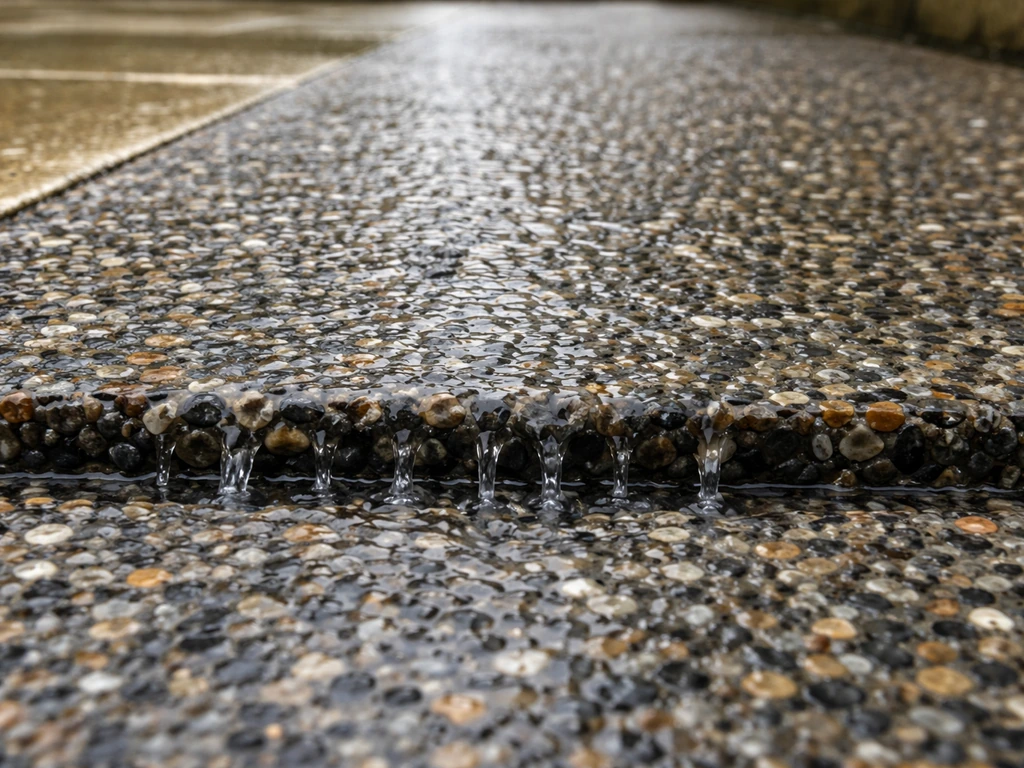
Drainage
This is arguably the biggest practical benefit. Resin-bound surfaces are permeable, meaning water drains through the surface rather than pooling on it. That eliminates standing water, reduces puddle freeze-thaw pressure in winter, and in many UK jurisdictions means you don't need planning permission for a front driveway installation. If you've got a yard that holds water after rain, a permeable resin patio can make a real difference.
Slip resistance
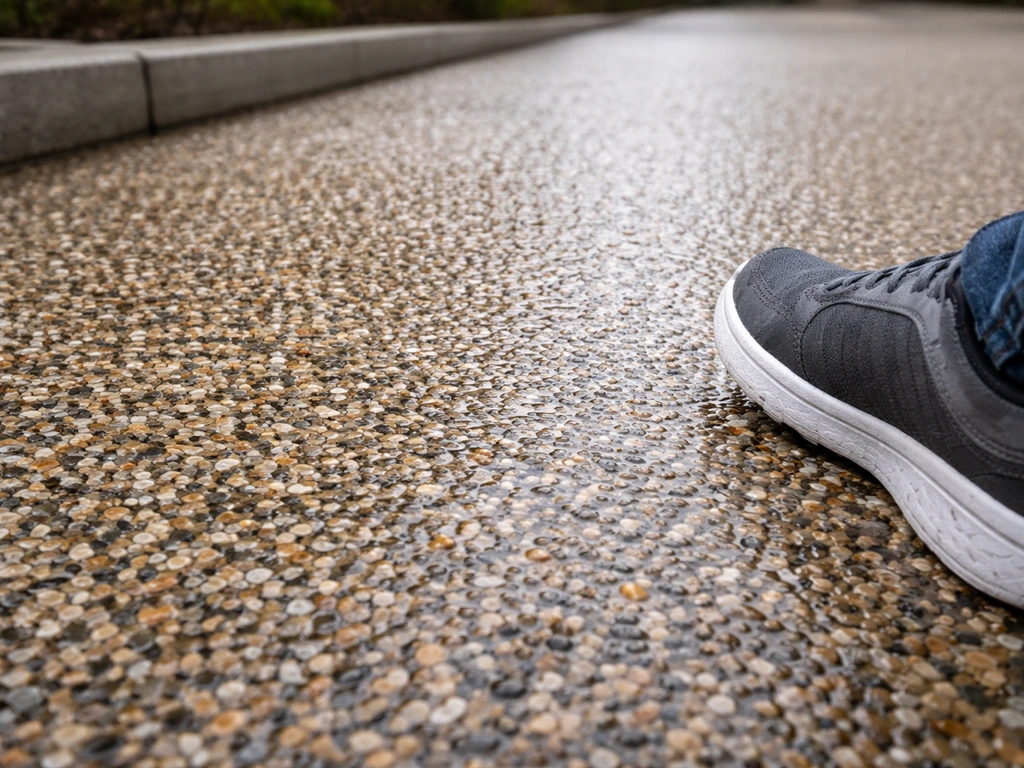
Resin-bound surfaces perform well in wet conditions. Independent pendulum slip resistance testing under BS 7976 has shown resin-bound gravel achieving low slip potential ratings when wet, and some product tests show performance that exceeds traditional block paving and concrete in the same conditions. This makes them a reasonable choice for areas near pools, steps, or anywhere wet feet are common.
Low day-to-day maintenance
Under normal conditions, a resin-bound patio just needs a sweep and a light pressure wash to stay clean. There are no joints for weeds to grow through (unlike block paving), no repointing required, and no annual sealing the way timber decking demands. For a genuinely low-effort outdoor surface, it competes well against most alternatives.
Appearance and variety
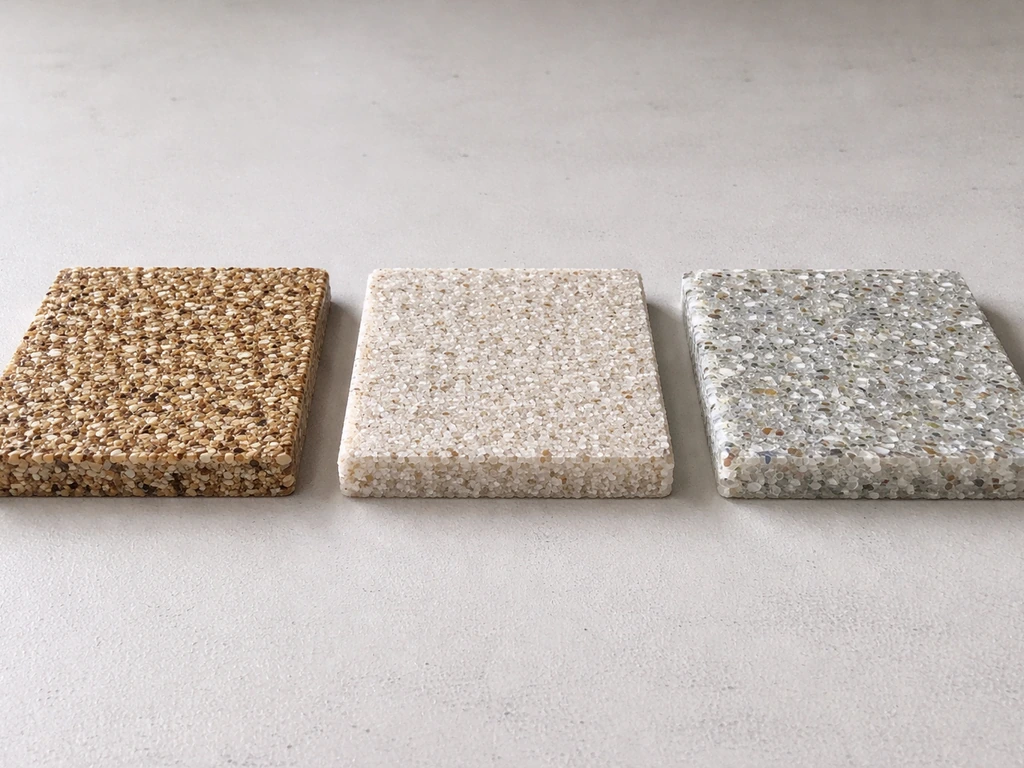
Resin-bound finishes come in a wide range of aggregate colors and blends, from natural gravel tones to quartz and recycled glass. The troweled finish is smoother and more refined than loose gravel and more visually interesting than plain gray concrete. It can be shaped to curves easily, which is harder and more expensive to achieve with pavers or concrete formwork.
The real disadvantages you need to know about
UV fading and color change
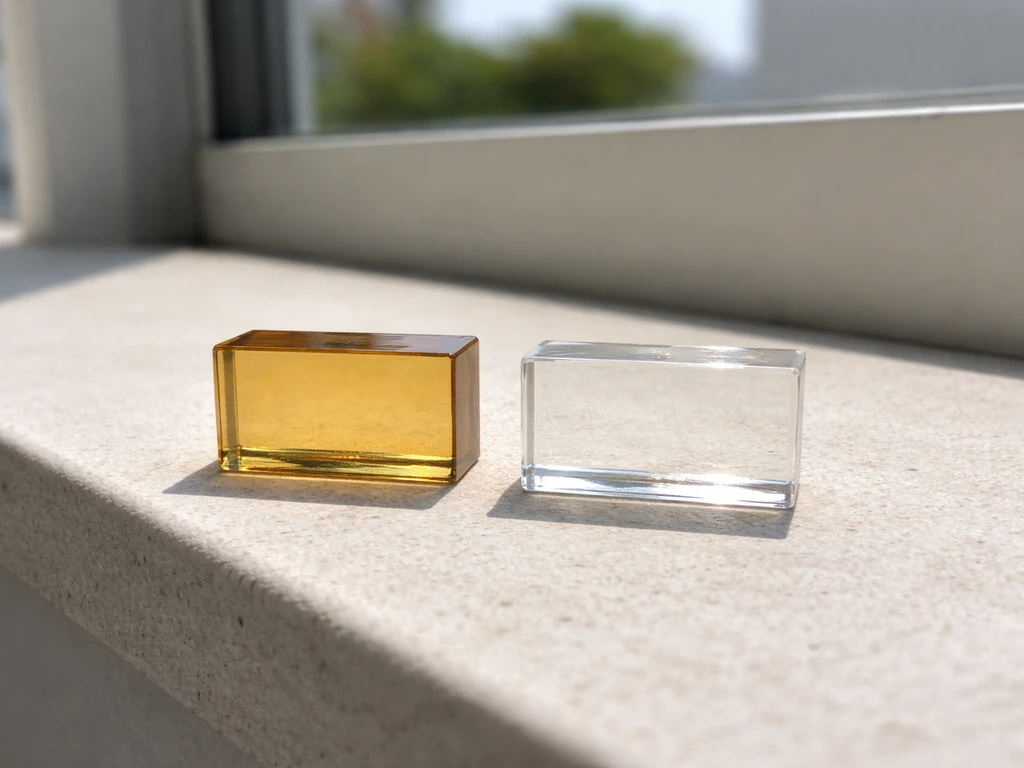
This is a significant and underreported issue. Non-UV-stable resin systems can turn noticeably yellow or deep brown over time when exposed to direct sunlight. Furniture and pots left in place can also cause darker patches where the resin is shielded from the same UV exposure as the rest of the surface. UV-stable systems handle this much better, but cost more. Always confirm with your installer which type of resin they're using, and ask for a UV stability specification. If you're in a region with intense sun exposure, this is a non-negotiable consideration.
Cracking risk
Resin-bound surfaces are flexible compared to concrete, but they're not immune to cracking. Most cracking traces back to the sub-base: if the base shifts, settles, or wasn't compacted properly, the resin layer above will crack. Tree roots are a particular risk. A well-prepared sub-base dramatically reduces this, but it adds to upfront cost and time.
Repairs are difficult to hide
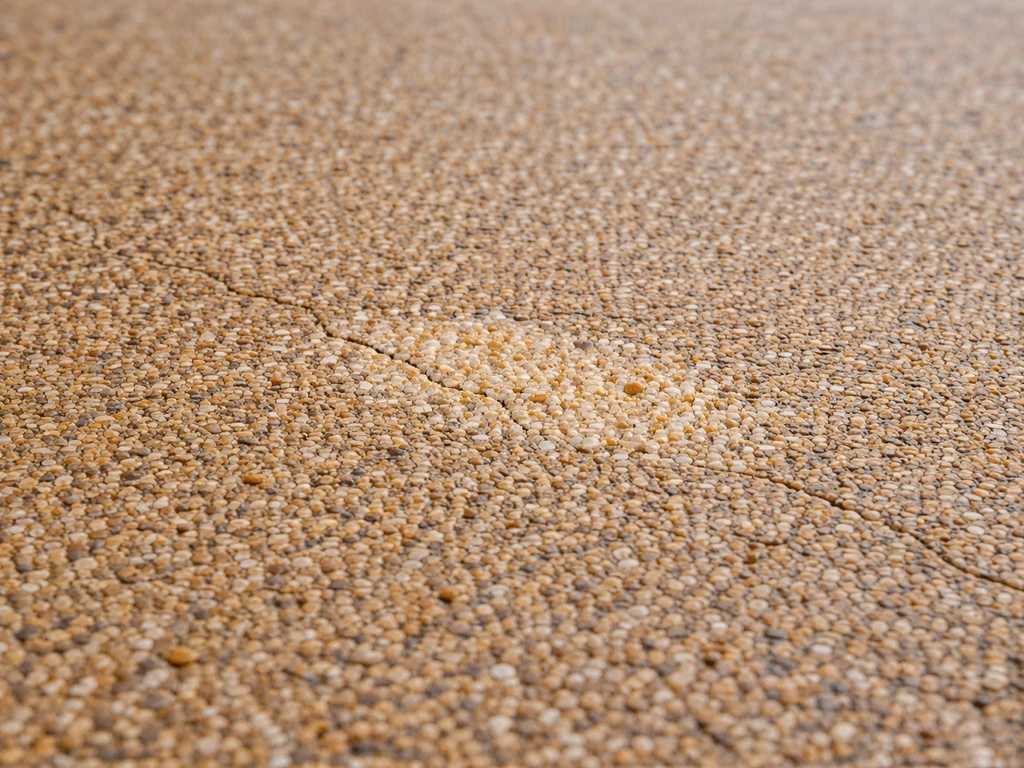
If a section of your resin patio cracks or gets damaged, patching it is technically possible but the repair almost always shows. The fresh resin and aggregate won't exactly match the weathered original, especially if the surface has been exposed to UV for a few years. This is one of the more honest trade-offs compared to individual pavers, where you can swap out a single unit and it blends over time.
Staining
Resin-bound surfaces can stain from oil, rust, and some organic matter. Oil from barbecues and garden machinery is the most common culprit. Some systems have better oil resistance than others, and some guarantees explicitly include oil damage coverage, so it's worth asking.
Aggregate loss in bonded systems
If you go with a resin-bonded system, expect to lose surface stones over time, especially in high-traffic areas. The scattered aggregate isn't fully encapsulated, so stones gradually loosen and get kicked away. This leads to a patchier surface appearance over the years and eventually requires retreatment.
Base prep demands and installation downtime
A proper resin-bound installation over a new sub-base is disruptive. Excavation, compaction, and laying the base course take time before any resin goes down. If you're overlaying onto existing concrete, the concrete needs to be structurally sound and fully cured. One important nuance: applying resin-bound over concrete that's only 3 days old results in roughly 20% lower bond strength compared to waiting until 7 days. Rushing the base prep or overlay is one of the most common causes of premature failure.
Cost and lifespan compared to alternatives
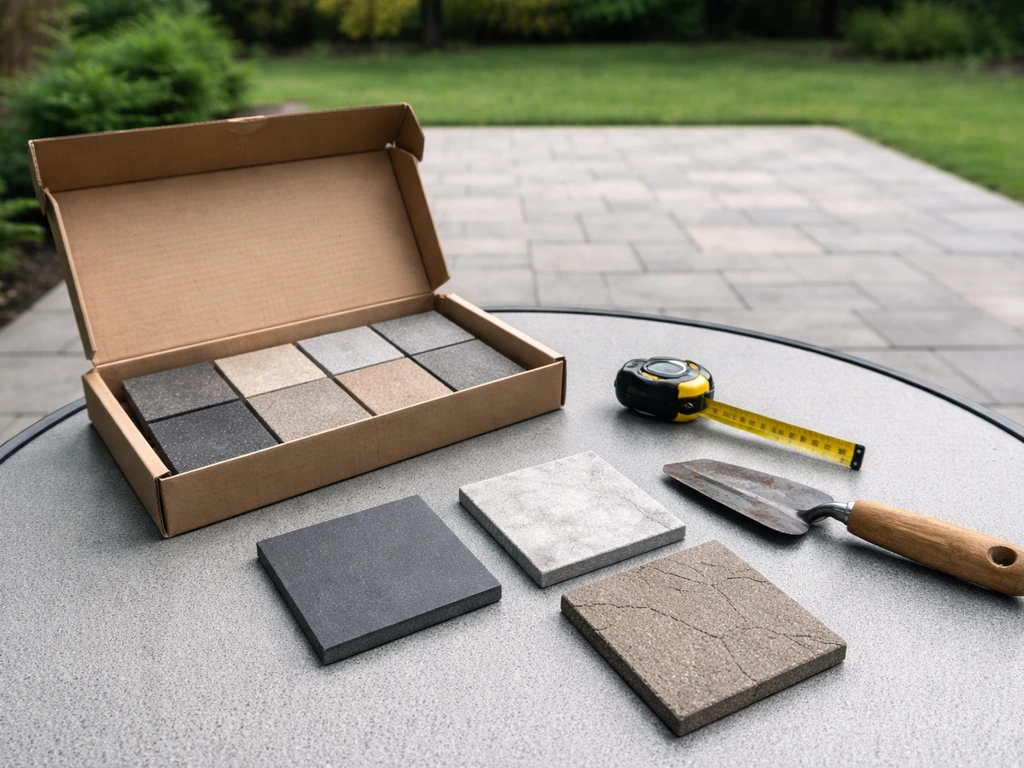
Resin patios sit in the mid-to-upper range of outdoor surfacing costs. Here's how they stack up against common alternatives on cost, lifespan, and a few other decision factors. When you compare patio vs decking cost, the right choice often comes down to lifespan, maintenance, and how much prep your yard needs.
| Surface type | Typical installed cost | Lifespan | Drainage | Maintenance | Repairs |
|---|---|---|---|---|---|
| Resin bound | £60–£120/m² (UK); ~$15–$25/sqft (US est.) | 15–25 years with good base | Permeable, drains through surface | Low: sweep + light wash twice a year | Difficult to patch invisibly |
| Resin bonded | £40–£80/m² (UK) | 8–12 years | Limited; surface runoff | Moderate: stone loss needs retreatment | Moderate but patchy over time |
| Poured concrete | $6–$18/sqft installed (US) | 25–30+ years | Poor; requires slope/drainage | Low: occasional sealing | Cracks show but can be filled |
| Concrete pavers | $12–$30/sqft installed (US) | 20–30 years | Moderate via joints | Low-moderate: joint weeding/repointing | Easy: replace individual units |
| Gravel (loose) | $1–$4/sqft installed (US) | Indefinite with top-ups | Excellent | High: raking, weed control, top-ups | Easy: just add material |
For a 400 sq ft patio in the US, poured concrete typically runs $2,400 to $7,200 installed and concrete pavers $3,200 to $7,200 installed. A resin-bound patio in the same space would likely land above the concrete range due to materials and the specialist labor involved. That premium is real, but it buys you permeable drainage and a lower-maintenance finish than pavers with sand joints.
If you're also weighing whether a patio or deck makes more sense for your outdoor space, that's a bigger decision worth examining separately, since decking involves different cost structures, permitting, and maintenance expectations entirely. When deciding between a patio and a deck, you should also factor in differences in cost, maintenance, and how each option handles weather and long-term wear patio or deck.
When you're trying to choose between low deck vs patio, also consider how foot traffic, drainage needs, and maintenance expectations will affect your long-term comfort. If you are comparing raised patio vs deck options, start by looking at differences in cost, permitting, and maintenance over the first few years patio or deck. Decks can have different pricing structures, maintenance needs, and permit requirements than patios, so compare both options carefully patio or deck.
Maintenance over time: what to actually expect
The honest maintenance picture for a resin-bound patio is: very low effort in years one through three, slightly more attention after that. Here's what the schedule typically looks like:
- Regular sweeping: remove leaves, grit, and debris before they compact or stain. A leaf blower works well on resin-bound surfaces.
- Light pressure washing twice a year: keeps moss, algae, and organic buildup from getting established. The key word is light. Keep the pressure washer nozzle at a reasonable distance and avoid sustained blasting in one spot, which can dislodge aggregate. Some manufacturers advise against power washing entirely and prefer garden hose rinsing.
- Avoid boiling water: it can soften and damage the resin binder. Don't empty a kettle or hot water bucket directly onto the surface.
- Sealing treatment every three years: not all installers recommend this, but applying a UV-protective sealing treatment around the three-year mark can help maintain color stability and extend surface life, particularly for systems not using the most UV-stable resins.
- Moss and algae treatment: in shaded or damp areas, apply a specialist biocide treatment before the growth gets established. Once moss anchors into the aggregate, mechanical removal risks dislodging stones.
There's some genuine contradiction in manufacturer guidance around pressure washing. Some say a light wash is fine; others explicitly say don't use a pressure washer at all. The safest interpretation: use low pressure (under 1,500 PSI), fan nozzle, held well back from the surface. If in doubt, check with your specific installer's aftercare guidance before doing anything aggressive.
DIY vs professional installation
This is one of the more honest assessments I can give you: most homeowners should not DIY a resin-bound patio. The 20 to 30 minute working window per mix batch, the need for a forced-action mixer (which is specialist equipment), the precision required in troweling to a consistent 18mm depth, and the critical sub-base work all combine to make this a job where inexperienced installation shows up quickly and badly.
Resin-bonded systems are more forgiving and some manufacturers do sell DIY kits for them, but the trade-off is the surface type with the shorter lifespan and the stone-loss issues mentioned above. If you go that route, understand you're accepting a lower-tier result.
What you can reasonably DIY is the groundwork preparation if you have the experience: excavating and compacting the sub-base to the right depth, installing edge restraints correctly, and ensuring any existing concrete overlay is structurally sound. Handing a prepared, professionally compacted base to a resin installer saves time and can reduce cost. What you should leave to the installer is the mixing, troweling, and any drainage or falls work.
Also worth noting on permits: in most US jurisdictions, a ground-level patio doesn't require a permit, but check your local municipality's rules. In the UK, permeable surfaces like resin-bound don't typically require planning permission for front-of-house driveways under permitted development rules, which is one reason they're so popular there.
How to choose an installer, what to ask, and what to budget
The quality gap between a good resin installer and a poor one is enormous, and a bad installation is very expensive to fix. Here's how to approach the hiring process:
- Ask specifically whether they're installing resin bound or resin bonded. If they can't give you a straight answer or act like it doesn't matter, walk away.
- Ask about the resin system's UV stability. Request the product specification sheet. UV-stable resin costs more but is worth it for any sun-exposed area.
- Ask what sub-base preparation they'll do and what it includes in the quote. Any quote that doesn't include excavation and sub-base work is a red flag unless your existing base is genuinely in excellent condition.
- Ask whether the system carries a manufacturer-backed guarantee and what it covers. Reputable systems can offer 10-year guarantees covering loose stones, cracking, UV degradation, frost damage, and workmanship, but only when installed by an approved contractor.
- Ask for photos of completed projects at least 2 to 3 years old, not just newly finished work. You want to see how it ages.
- Get at least three quotes and compare them line by line. A significant price gap almost always means a difference in base preparation, resin system quality, or both.
- Check whether they're a member of a trade body or approved installer network for the specific product system they're using.
Budget expectations
For a straightforward resin-bound patio in the UK, budget £60 to £120 per square metre for supply and install including a proper sub-base. For a typical 30 to 40m² patio, that's roughly £1,800 to £4,800 total. US pricing varies widely by region and installer, but expect to pay a premium over basic concrete. If a quote comes in significantly below the range above, dig into exactly what's being cut to hit that number.
Who should probably skip resin patios
Resin patios aren't the right answer for everyone. You should probably look at alternatives if: your yard has significant tree root activity close to the surface (roots will eventually crack any rigid surface), you're on a very tight budget and can't afford the proper sub-base preparation, you want the ability to replace damaged sections easily and invisibly (pavers are better for that), or you're in a climate with extreme freeze-thaw cycles and want something proven over decades (concrete or natural stone pavers have a longer track record in those conditions). If your main goal is just a simple, affordable outdoor space with minimal fuss, a well-laid concrete or paver patio may be more practical and easier to live with long-term.
FAQ
How do I tell what kind of resin patio I’m actually being quoted (resin-bound vs resin-bonded)?
Ask whether the patio is resin-bound or resin-bonded, then confirm the exact aggregate type and resin system (including UV stability and oil resistance, if that matters). Two quotes that both say “resin patio” can produce very different long-term appearance and performance, especially in sunny climates where non-UV-stable systems yellow or brown.
What details should I require in the quote so I know the sub-base is being done correctly?
Look for the installer to specify and document the finished wearing thickness and the sub-base build-up, including compaction targets. Because bond and crack behavior depend heavily on the base, insist that their quote includes allowance for excavation, MOT Type 1 (or equivalent), and proper edge restraints, not just the resin materials.
How long will it take before I can walk on or drive over a resin patio?
If you need a safe walkway the same week, resin-bound typically allows foot traffic after 6 to 8 hours and vehicle loads after 24 to 48 hours, assuming normal curing conditions. Humid or cold weather can extend cure times, so ask the contractor for a cure-time adjustment based on your local temperatures and forecast.
If a resin-bound section cracks, can it be repaired so it looks seamless?
Don’t assume every repair will be invisible. In practice, patching resin-bound areas often shows a color and texture difference for months as UV exposure and weathering catch up, so plan to keep the first repair small and expect a visible seam if the patio is years old.
Is resin patio performance still good if my yard floods or pools after rain?
Yes, but the risk profile differs by system and setup. Resin-bound is generally better for drainage and puddling, while resin-bonded tends to lose stones and can become patchier, particularly around edges and high-traffic routes where stones track outward.
What’s the safest way to clean algae or dirt off a resin patio without damaging it?
For algae, moss, and surface grime, a low-pressure wash is usually the right tool, not a high-PSI blast. Stay under about 1,500 PSI, use a fan nozzle, and keep the nozzle well back, because aggressive washing can erode surface aggregate and accelerate staining.
What should I do if I have tree roots near where the patio will be installed?
Yes, but only if the sub-base and restraints are designed to handle local movement. Tree roots are a common failure cause for any rigid or semi-flexible surface, so ask about root barriers and whether they recommend dealing with roots before installation rather than “building over them.”
Will resin-bound be noticeably easier to walk on than resin-bonded, day to day?
Expect different outcomes: resin-bound is smoother and more walk-friendly, while resin-bonded is rougher and can become uneven as loose aggregate shifts. If mobility matters (strollers, wheelbarrows, or people with balance issues), request a slip-resistance and texture description, not just a visual sample.
How can I prevent resin patio yellowing or dark patching from furniture and strong sun?
Confirm whether the resin system is UV-stable and whether the installer will protect the surface during curing (and avoid leaving planters or heavy furniture that block sunlight for long periods). For front areas with intense sun, ask for the manufacturer’s UV specification in writing rather than relying on general assurances.
Does resin staining, like barbecue oil or rust spots, have a realistic fix?
Yes, oil and other stains are common, and prevention varies by system. Before installation, ask the installer which resin is being used and whether their product warranty covers oil staining, then agree on aftercare steps (for example, cleaning spills promptly and avoiding long contact from grills or machinery).
Can I DIY a resin patio, and if so, which parts are actually realistic?
Most homeowners should plan not to DIY resin-bound because the work is timed (short working window), equipment-dependent (forced-action mixing), and thickness-specific (consistent depth). If you still DIY parts, a safer compromise is DIY sub-base preparation and edge restraint installation, then leave mixing and laying to the installer.
Do resin patios need permits, and does the answer differ for driveways versus patios?
In many regions, a ground-level patio often falls outside permitting, but rules vary by locality, elevation changes, and material permeability. If drainage is a concern, ask whether your design needs a runoff management plan, especially if you are near property lines or driveways.
When resin patios cost more than concrete or pavers, how do I judge the real value over time?
If you’re comparing options on upfront cost, also compare total lifespan and maintenance effort under your conditions. For example, resin-bound may cost more than concrete initially, but it typically reduces joint weeds and repointing versus pavers, while concrete may have lower material cost but higher long-term cracking risk if the base work is poor.
How important are drainage and “falls” for resin patios, and what should I ask about them?
Check how the contractor handles falls and drainage around doors, lawn interfaces, and low points. Even a good resin surface can fail early if water is directed the wrong way, so ask them to explain how they set gradients and where runoff will go before resin is installed.
Next Article
Raised Patio vs Deck: Which One Fits Your Home Better?
Raised patio vs deck guide: compare costs, site needs, comfort, maintenance, and design choices to pick the best fit.