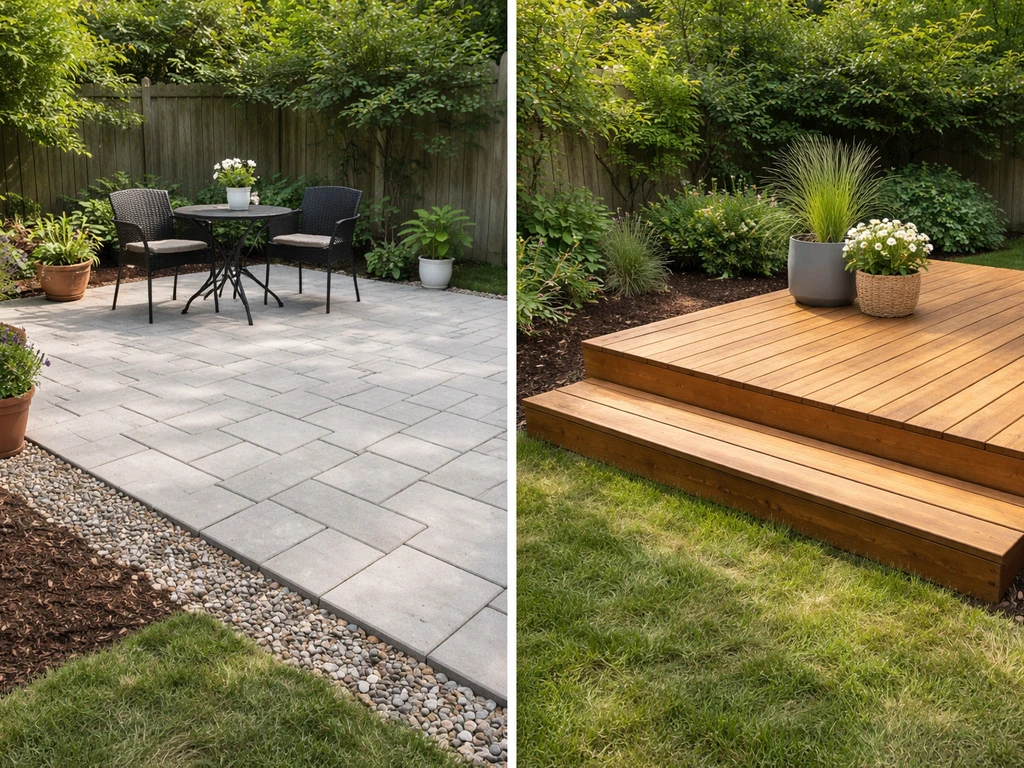
For most homeowners, a deck costs more than a patio upfront. A basic concrete patio runs $6 to $10 per square foot installed, while a pressure-treated wood deck typically lands between $15 and $30 per square foot once you include framing, footings, and labor. That gap can mean $3,000 to $10,000 more for a deck on the same footprint. But the full picture is more nuanced: material choice, your yard's slope, whether you need stairs and railings, and how long you plan to stay all shift which option actually costs less over time.
Patio vs Decking Cost: Real Price Breakdown and Guide

Miles Hart
11 May 2026
What you're actually comparing
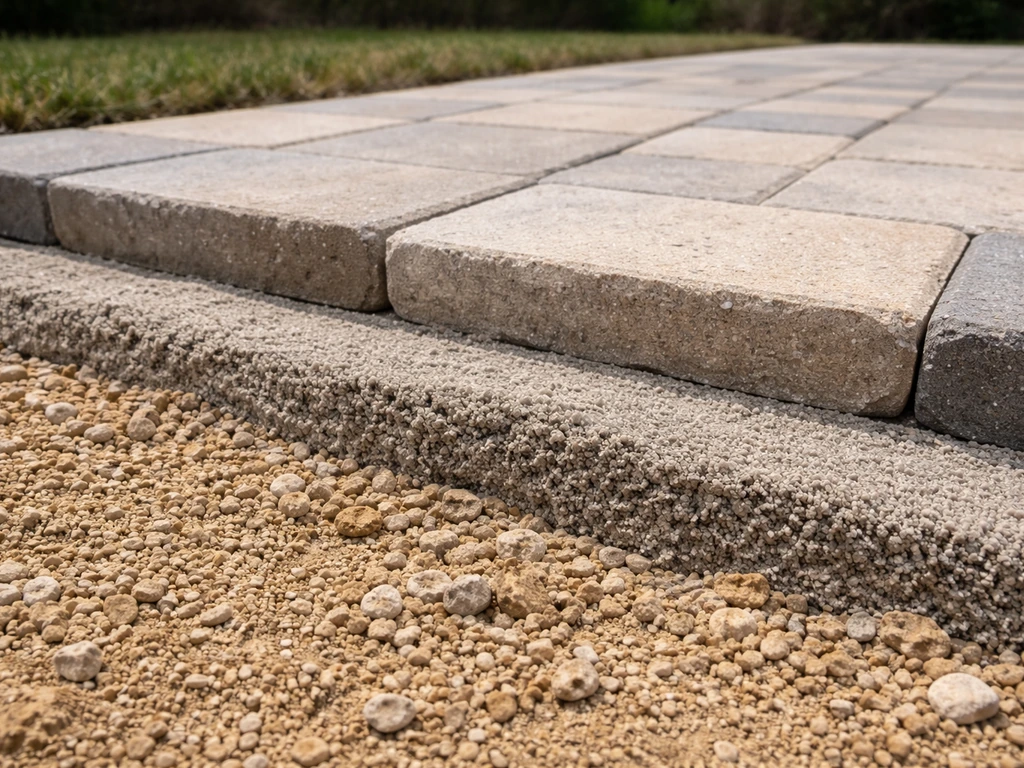
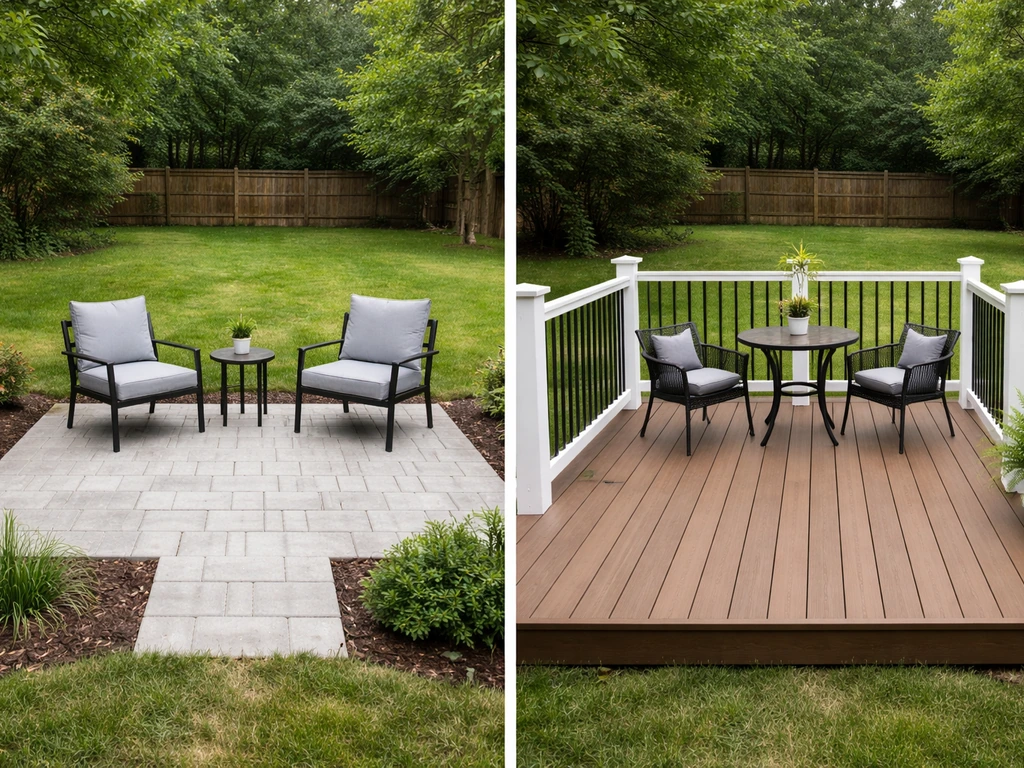
A patio is a ground-level hardscape surface: concrete, pavers, flagstone, or similar material laid directly on a prepared base of compacted gravel and soil. It's essentially a floor poured or placed on the ground. A deck is a raised platform with a structural skeleton beneath it: posts set into concrete footings, beams, joists, and then the decking boards on top. That structural difference is the main reason decks cost more. You're not just paying for the surface material; you're paying for an engineered substructure that supports weight above the ground.
This matters a lot for sloped yards. On a flat yard, a patio is straightforward and cheap. On a yard that drops 3 or 4 feet from your back door, a patio means cutting into and leveling the slope, which gets expensive fast. A deck can float over that slope more gracefully, often at a lower total cost for the same usable space.
That's the core trade-off worth understanding before you look at any numbers. If you're wrestling with that specific scenario, the comparison between a raised patio and a deck goes much deeper than what fits in this article alone. That specific situation is why the raised-patio versus deck decision often comes down to how much of the slope you want to cut into versus span raised patio and a deck.
What drives patio costs
The material is the biggest lever on patio cost. A plain poured concrete slab runs $6 to $10 per square foot installed, including the 4-inch gravel base and roughly 4 inches of concrete (total excavation around 8 to 10 inches). Concrete pavers bump that up to $10 to $17 per square foot on the lower end, with premium paver work (thicker pavers, complex patterns, polymeric sand, sealed joints) reaching $15 to $50 per square foot. Stamped concrete sits in the middle, typically $14 to $25 per square foot for a full install that includes forming, base prep, pouring, stamping, and a sealer coat.
Site prep and drainage are the sneaky cost drivers people forget about. Excavating and removing soil, grading for proper drainage, and hauling debris all add to the bill before a single paver hits the ground. If your yard has poor drainage, you may need a French drain or added gravel depth, which can push base prep costs up by $500 to $2,000 on a typical project. Poor access (a tight gate, a long carry from the street) raises labor costs too. None of that shows up in the per-square-foot material price.
Borders, steps down to the yard, and decorative finishes all add to the total. Concrete staining or decorative finishes can add $3 to $15 per square foot on top of the base patio cost. A set of two or three patio steps can add $300 to $800 depending on material. And if your project needs a permit (many jurisdictions require them for patios over a certain size or with drainage implications), add $100 to $400.
What drives deck costs
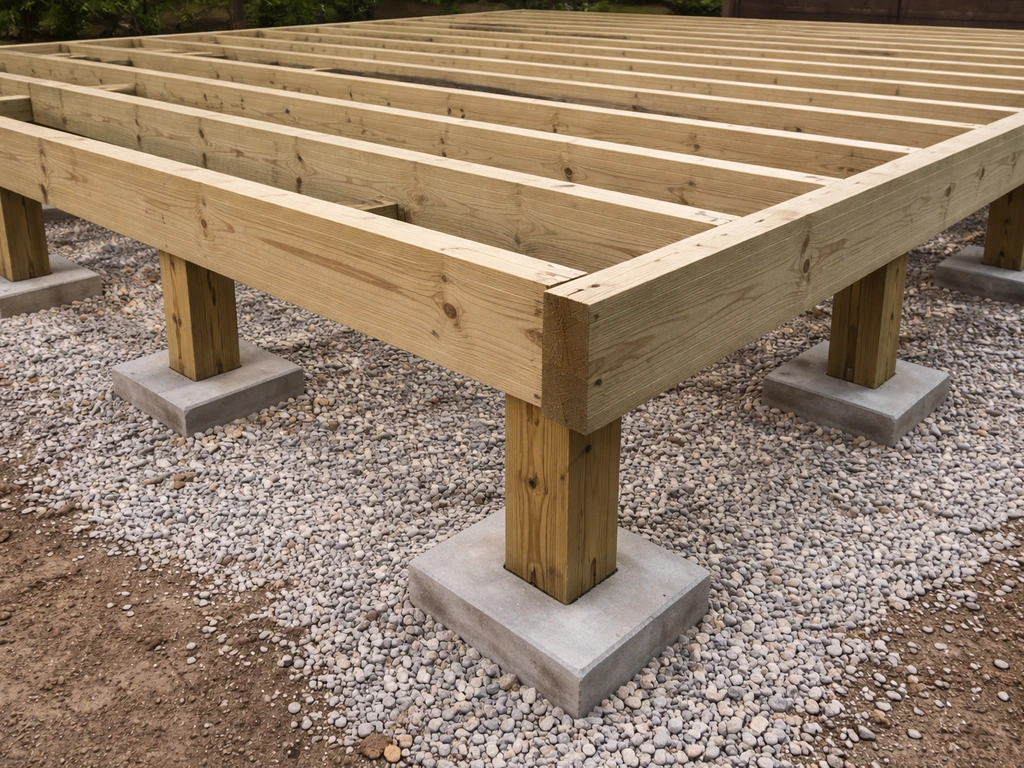
Deck costs stack up in layers that patios simply don't have. The decking boards on top are just one piece. Under them, you need joists, beams, posts, and concrete footings, which together add roughly $3 to $4.50 per square foot in hardware and framing materials before any labor. Then you need the labor to build that frame, which HomeGuide puts at $15 to $30 per square foot for pressure-treated decks. Trex and other capped composite products cost $15 to $30 per square foot in materials alone, and a finished 12x12 Trex deck typically comes in at $6,500 to $10,000 total.
Height and code requirements drive the cost up further. Any deck more than 30 inches above grade needs guardrails, and code typically requires the top rail to be at least 36 inches high (42 inches in some jurisdictions). Railing materials and installation typically add $600 to $1,200 for a basic deck, and significantly more for cable, glass, or aluminum systems. Footings (usually concrete piers) add $400 to $500 in materials. A ledger board connecting the deck to the house runs $200 to $250. Stairs add $300 to $500 for a basic run, with stair lighting adding another $20 to $40 per step if you want it. Permits for a deck typically run $300 to $400.
The structural complexity also scales with size and height. A low, simple ground-level deck on a flat yard has minimal framing depth. If you're deciding between a low deck and a patio, the best choice often comes down to your yard slope and how much structural work you want to pay for A low, simple ground-level deck. A deck that spans a slope or sits 6 to 8 feet above grade needs larger beams, more posts, longer footings (possibly below frost line), and potentially an engineer's sign-off. Those scenarios can easily add $2,000 to $5,000 to a mid-size project.
Side-by-side cost comparison
Here's how the numbers stack up across common scenarios. These ranges are for a typical 200 to 300 square foot outdoor space (roughly 12x16 to 16x20 feet), which is the most common residential project size.
| Option | Material Cost (per sq ft) | Installed Cost (per sq ft) | Typical Project Total (200–300 sq ft) | Extras (stairs, rail, permit) |
|---|---|---|---|---|
| Basic concrete patio | $1–$3 | $6–$10 | $1,200–$3,000 | Steps: $300–$800; Permit: $100–$300 |
| Concrete paver patio | $2–$8 | $10–$17 | $2,000–$5,100 | Steps: $400–$1,000; Edging: $200–$500 |
| Stamped concrete patio | $4–$10 | $14–$25 | $2,800–$7,500 | Steps: $400–$900; Sealer: $1–$2/sq ft |
| Premium paver patio | $8–$20+ | $22–$50 | $4,400–$15,000+ | Steps: $500–$1,500; Drain: $500–$2,000 |
| Pressure-treated wood deck | $3–$8 | $15–$30 | $3,000–$9,000 | Rail: $600–$1,200; Stairs: $300–$500; Permit: $300–$400 |
| Composite deck (e.g., Trex) | $15–$30 (materials) | $30–$45+ | $6,000–$13,500+ | Rail: $800–$2,500; Stairs: $400–$700; Permit: $300–$400 |
A few honest caveats on those numbers: they assume a relatively flat site with good access and standard soil. Add $1,000 to $3,000 for significant slope work on either a patio or deck. Regional labor rates vary widely: contractors in the Northeast or West Coast routinely charge 30 to 50 percent more than those in the Midwest or South. And the "extras" column for decks (stairs, rails, permit) are rarely optional once you're above grade or over a certain size.
DIY vs. hiring a pro: where the cost math changes
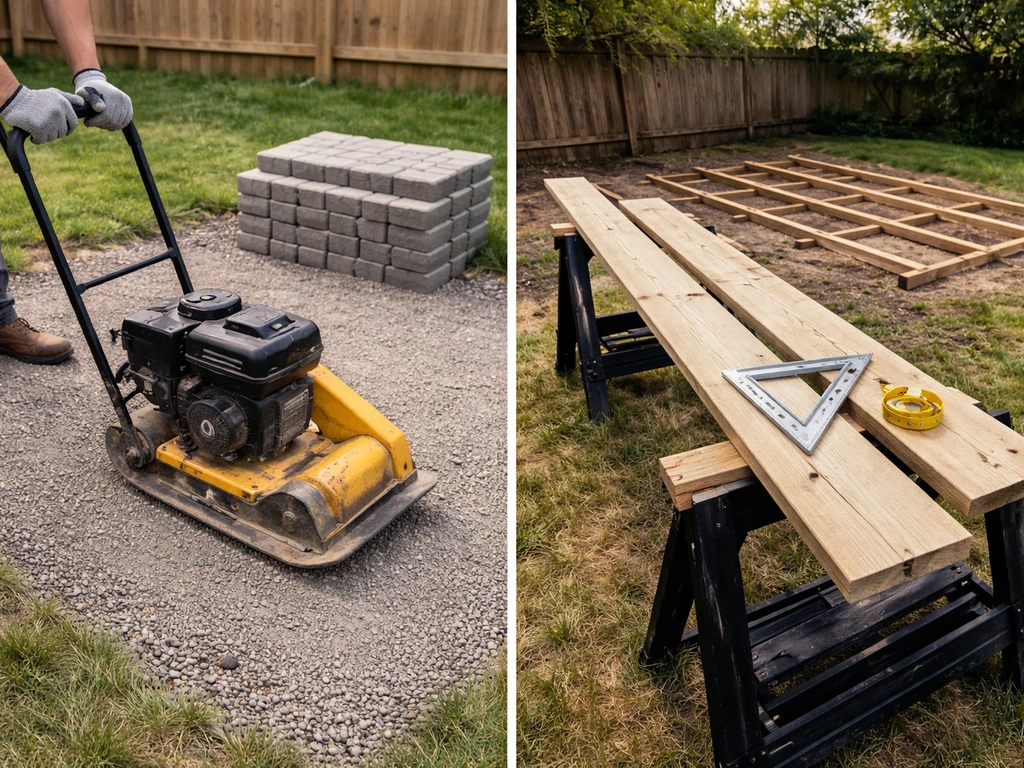
Patios are generally more DIY-friendly than decks, and the savings reflect that. A homeowner who can rent a plate compactor, mix or order concrete, and lay pavers can cut labor costs by 40 to 60 percent on a basic patio. On a 200-square-foot concrete paver patio, that's a potential savings of $1,000 to $2,500. The physical work is hard (lots of digging and lifting), but the skill threshold is lower and mistakes are usually fixable.
Decks are more technical and have more consequences when done wrong. Footings need to reach below the frost line (depth varies by region), structural connections need to meet code, and ledger attachments to the house need flashing done correctly to prevent rot and water intrusion behind siding. An experienced DIYer can build a simple ground-level deck and save $3,000 to $6,000 in labor, but most jurisdictions require a permit and inspection regardless of who builds it. If you go the DIY route on a deck, budget for the permit, buy code-compliant hardware (joist hangers, post bases, approved fasteners), and don't skip the inspection.
For either project, there are tasks where hiring a pro almost always pays off: anything involving drainage design, significant grading, or structural engineering for elevated decks. Getting that wrong costs far more to fix later than it does to get right the first time. A good rule of thumb: DIY the surface work if you have the time and physical capacity; hire out the structural and drainage work.
- Patio DIY savings potential: $1,000–$3,000 on a typical 200–300 sq ft project
- Deck DIY savings potential: $3,000–$7,000, but requires structural knowledge and permits
- Always hire out: footing excavation on rocky or clay-heavy soil, drainage design, and elevated deck framing
- Always pull a permit: both for legal protection and because it forces a code inspection that catches real problems
- Factor in tool rental ($200–$500 for patio tools) and material waste (~10% overage is standard)
Maintenance and lifetime costs
This is where patios often win back some ground against decks on total cost of ownership. That balance is one reason resin patio options are popular, so it helps to weigh their pros and cons alongside concrete and pavers patios often win back some ground against decks. A concrete or paver patio has very low ongoing maintenance.
Resealing a concrete or stamped concrete patio every 3 to 5 years costs $1 to $2 per square foot (roughly $200 to $600 on a 300-square-foot patio). Pavers may need occasional re-sanding of joints and releveling of sunken sections, but individual pavers can be replaced without tearing up the whole surface. A well-installed paver patio can last 30 to 50 years with minimal intervention.
Wood decks need regular attention. A pressure-treated wood deck should be cleaned and sealed or stained every 1 to 3 years to prevent cracking, greying, and rot. Annual maintenance costs for a wood deck typically run $1 to $3 per square foot (cleaning plus sealant/stain materials or pro application). On a 300-square-foot deck, that's $300 to $900 per year if you hire it out, or $100 to $300 if you do it yourself. Over 10 years, that adds $1,000 to $9,000 to the total cost of a wood deck, before any board replacements.
Composite decks cut maintenance costs dramatically. Capped composite products like Trex need only periodic cleaning with soap and water, with no sealing or staining required. Trex's higher-end collections carry 25- to 50-year warranties. The trade-off is the higher upfront cost, but over a 20-year ownership horizon, a composite deck often costs less in total than a wood deck that needs regular professional maintenance.
| Option | Annual Maintenance Cost | Major Repairs (10-year horizon) | Estimated Lifespan |
|---|---|---|---|
| Concrete patio | $0–$100 (occasional crack fill) | $200–$800 (reseal every 3–5 yrs) | 30–50+ years |
| Paver patio | $50–$200 (re-sanding, spot relevel) | $200–$600 (spot repairs) | 30–50+ years |
| Stamped concrete patio | $100–$300 (reseal every 2–4 yrs) | $300–$1,000 | 20–40 years |
| Pressure-treated wood deck | $200–$600 (clean + stain/seal) | $500–$2,000 (board replacement) | 15–25 years |
| Composite deck | $50–$150 (cleaning only) | $200–$800 (hardware, fasteners) | 25–50 years |
How to estimate your own project budget
Start with square footage. Measure your usable outdoor space and multiply by the per-square-foot installed cost range for your chosen material. That gives you a baseline. Then add the fixed line items that apply to your project: excavation and site prep, steps (if your door is above grade), railing (required on any deck above 30 inches), permit fees, and any drainage work the site needs. For a deck, also add footing costs and framing hardware.
A useful budget-building exercise: sketch your project on paper, list every line item you can think of, and estimate each one separately. Here's a framework for a 240-square-foot project (roughly 12x20 feet) that includes both patio and deck scenarios side by side.
| Line Item | Paver Patio (240 sq ft) | Composite Deck (240 sq ft) |
|---|---|---|
| Surface material | $480–$1,920 | $3,600–$7,200 |
| Base prep / framing | $700–$1,500 (gravel, excavation) | $720–$1,080 (joists, beams, hardware) |
| Footings / posts | N/A (or minimal) | $400–$500 |
| Ledger board | N/A | $200–$250 |
| Labor | $1,440–$2,880 | $3,600–$7,200 |
| Steps (2 steps) | $400–$800 | $400–$700 |
| Railing (40 linear ft) | N/A | $800–$2,500 |
| Permit | $100–$300 | $300–$400 |
| Drainage / extras | $200–$1,500 | $0–$500 |
| Total estimate | $3,320–$8,900 | $9,820–$20,330 |
When you get contractor quotes, ask for a fully itemized breakdown that separates materials from labor, and lists each structural component. A quote that just says "deck installation: $14,000" tells you nothing useful and makes it impossible to compare bids. Ask specifically: What's included in base prep? Does the quote include permits and inspections? Are stairs and railings included or extra? What's the warranty on labor? These are the questions that reveal whether you're comparing apples to apples. Portland's permitting process, for example, requires detailed site plans as part of the permit application, so any contractor quoting a permitted job should already have that level of detail prepared.
Quick decision guide: patio or deck for your situation
Use this as a starting filter before you talk to any contractors.
| Your situation | Leaning toward... |
|---|---|
| Flat yard, tight budget, want low maintenance | Concrete or paver patio |
| Sloped yard where leveling would be expensive | Deck (or raised patio, worth comparing costs) |
| Want the cheapest possible outdoor surface | Basic poured concrete patio ($6–$10/sq ft) |
| Care about long-term total cost and hate maintenance | Composite deck or paver patio |
| Plan to sell in 5 years and want ROI | Either, but deck may add more perceived value in some markets |
| DIY-capable and want to save money | Patio (lower skill bar, still significant savings) |
| Need permits and have complex site conditions | Get quotes for both before deciding |
| Deck above 30 inches (need railing and engineering) | Budget at least 20–30% more than a basic deck quote |
The main takeaway: if cost is the primary concern and your yard is flat, a patio almost always wins on upfront price. If your yard slopes, you need elevation off the ground, or you're comparing long-term maintenance costs, the gap closes considerably. If your yard slopes or you need elevation off the ground, the patio vs deck pros and cons decision can shift quickly toward a deck once you account for long-term usability and maintenance. Get at least three itemized quotes for whichever direction you lean, and make sure each one covers the same scope. That comparison will tell you more about your real budget than any national average ever will.
FAQ
How do I estimate patio vs decking cost if I do not know my exact square footage yet?
Start from usable walking and seating space, not the full backyard area. Measure the footprint dimensions that connect to your door or path, then add a 5 to 10 percent contingency for shape changes (cuts around trees, transitions, and waste). For decks, remember that code guardrail needs often depend on height and layout, so the actual cost can jump even if the area stays the same.
Does a covered patio or pergola change the patio vs decking cost comparison?
Yes, strongly. A roof or pergola adds structural posts and connections, which begins to resemble deck substructure costs, especially if the cover attaches to the house. If you are considering a fully enclosed roofline, ask whether you are comparing a freestanding patio structure versus roof framing that requires ledger boards like a deck.
Are there cases where a deck can be cheaper than a patio even though decks usually cost more upfront?
It can happen on significantly sloped sites where a patio would require major excavation, retaining walls, or extensive base rebuilding. If you have to cut into a hillside and create multiple levels, the patio base prep and drainage can outstrip deck costs. Get quotes that include any retaining elements and drainage designs for both options, then compare itemized line items.
What hidden costs should I plan for if my yard has drainage problems?
Budget for both water routing and leveling of the base. For patios, you may need additional gravel depth, a French drain, or a regraded slope away from the foundation. For decks, water can still collect at ledger connections and under stairs, so ask how the contractor will manage runoff patterns and flashing, not just surface drainage.
If I choose composite decking, how does that affect long-term cost vs wood and patios?
Composite reduces maintenance cost (usually no sealing or staining) but it still has initial framing, fastening, and railing costs similar to wood decks. Composite boards can also require specific spacing and hidden fastener systems, which can affect labor quotes. Compare 10-year and 20-year totals by adding maintenance to wood and comparing to the higher upfront deck materials plus occasional cleaning for composite.
Do permits and inspections apply differently to patios and decks?
Often, yes. Decks commonly require permits and inspections once above a certain height or size, while some patios may qualify without permitting if they remain small and do not impact drainage. However, many jurisdictions still require permits for electrical outlets, stairs, significant grading, retaining elements, or roof attachments. Ask your contractor to list exactly what is permitted, and what will be inspected.
How can I tell if two quotes for the same project are truly comparable?
Demand an itemized breakdown that names every structural component: footings or piers, joists, beams, ledger board, flashing, stair framing, rail posts, and hardware type. For patios, require details on base depth, compaction method, underlayment (for pavers), and joint materials (polymeric sand or equivalent). If one quote lumps framing into “labor” and another lists it separately, it is harder to compare apples to apples.
What is the biggest mistake homeowners make when budgeting patio vs decking cost?
Underestimating site prep and “extras” that become mandatory once you change elevation. People often budget only the deck boards or the concrete slab, then get surprised by guardrails, stairs, permit fees, and drainage. A practical approach is to create a checklist of line items (prep, drainage, steps, railings, permits, hauling) and make every quote include or exclude each item explicitly.
Is DIY always cheaper for patios and always riskier for decks?
Not always. Patios can be DIY-friendly, but complex paver layouts, uneven subgrades, and drainage mistakes can still create costly fixes. For decks, DIY can be cheaper for simple ground-level designs, but elevated decks depend on correct footing depth, ledger flashing, and code-compliant connections. If you DIY, plan for inspections and do not substitute hardware unless it is explicitly code-approved for your system.
How do I factor resale value and usability into the patio vs decking cost decision?
Decks are often more tied to indoor access because they can match door height directly, which can improve usability for entertaining and mobility. Patios can still perform well, but if your patio is lower and requires steps up to the home, buyers may view it as less convenient. Consider whether the change you are funding will reduce trips and provide a smoother path from the house to the yard.
Should I compare a deck to a patio plus stairs, or just the base surface?
Compare the complete experience. If the house floor is above grade, a ground-level patio typically still needs steps, while a deck may place the walking surface closer to the door height and reduce the number of step risers. The cost difference often shifts once you quantify stairs, railings, and landing space for safe access.
What maintenance costs should I include beyond cleaning and resealing?
Include surface repairs and component replacements. For patios, budget for periodic joint maintenance for pavers (re-sanding or releveling) and patching minor settling. For decks, budget for board replacement intervals, fastener checks, and attention to ventilation around the underside. Even composite decks benefit from occasional cleaning to prevent mildew staining, especially in shady or damp spots.
Next Article
Patio vs Decking: Which Is Better for Your Home?
Patio or decking comparison: materials, costs, maintenance, drainage, value, and a quick checklist to choose right.