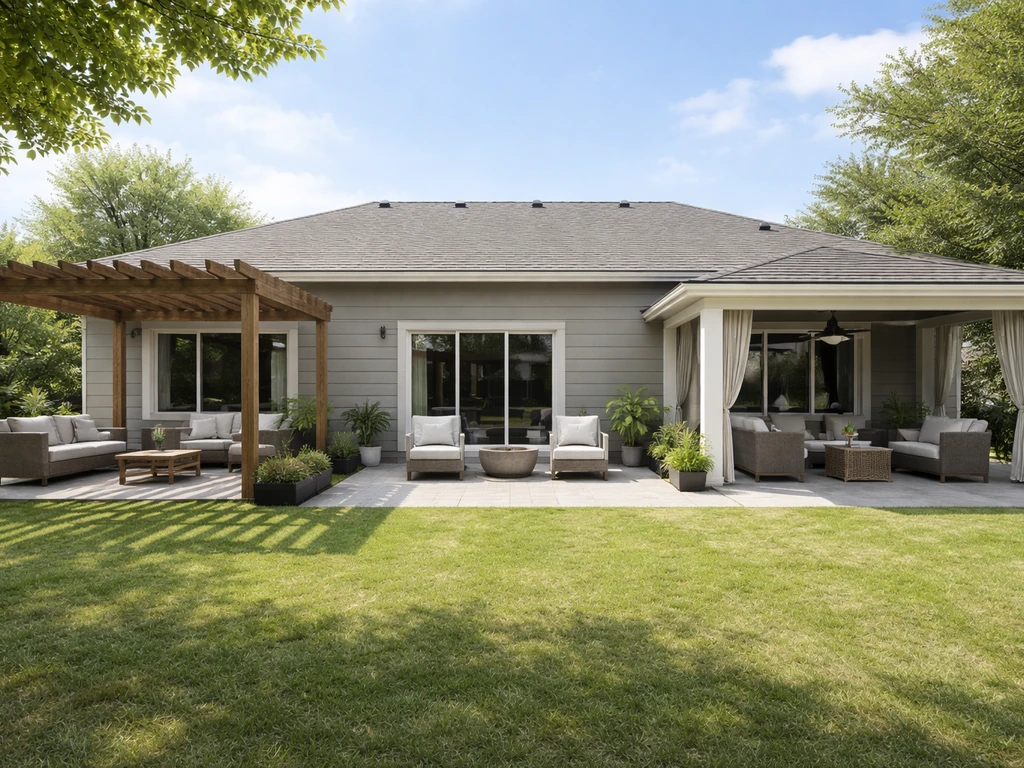
If you want portable, affordable shade you can set up this weekend, get a patio umbrella. If you want a permanent outdoor structure that defines a space, handles real weather, and adds long-term value to your home, a pergola is the right move. The honest answer depends on four things: your budget, how much wind and rain your climate throws at you, whether you want something you can move or something that stays put, and how much time and planning you're willing to invest upfront.
Patio Umbrella vs Pergola: Which Shade Option Fits You?

Miles Hart
27 Jun 2026
Quick comparison: what each one is actually best for
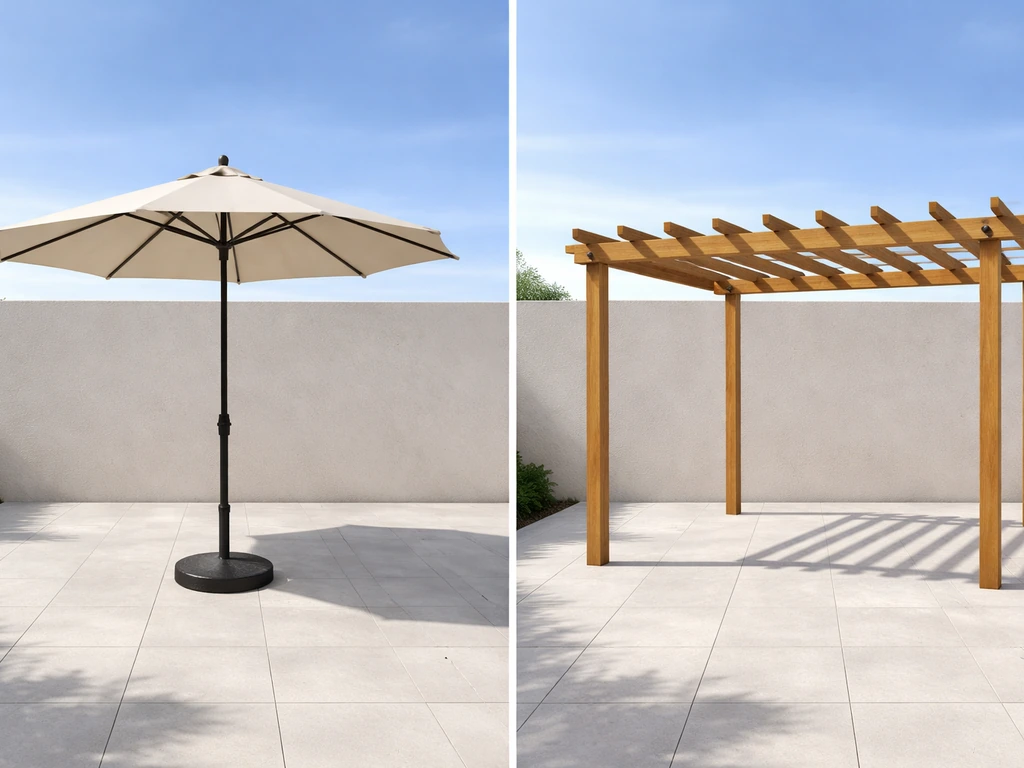
A patio umbrella is a portable shade solution. You anchor it through a table hole or drop it into a freestanding base, open it when you need shade, and close it when you don't. Market umbrellas use a centered pole and are the classic choice for dining tables. Cantilever (offset) umbrellas have the pole off to one side, which frees up table space and lets you shade areas that a centered pole can't reach. Either way, an umbrella is a day-use tool, not a structure.
A pergola is a semi-permanent outdoor structure with posts, beams, and a roof system. It can be freestanding or attached to your house. The roof type determines how much protection you actually get: open slatted roofs let most sun through and offer almost no rain coverage, solid roofs function more like a patio cover, and louvered roofs (adjustable or motorized) give you control over both. A pergola creates an outdoor room. An umbrella just creates shade.
| Factor | Patio Umbrella | Pergola |
|---|---|---|
| Best use | Casual dining shade, poolside, small patios | Outdoor living rooms, entertaining spaces, year-round use |
| Portability | Fully portable, easy to reposition | Permanent or semi-permanent installation |
| Rain protection | Minimal, not designed for rain | Depends on roof type; solid/louvered can be very effective |
| Wind tolerance | Low to moderate; must be closed in wind | High, especially engineered aluminum systems |
| Setup complexity | Same day, no tools required | Days to weeks; may require permits and foundation work |
| Upfront cost | $50–$800+ for quality options | $1,500 DIY kit to $45,000+ for motorized custom builds |
| Resale value impact | None | Moderate to significant with proper permits |
Cost differences: upfront, ongoing, and what projects actually run
Patio umbrellas are the clear budget winner upfront. A decent market umbrella for a 4-person dining table runs $100 to $400. A quality cantilever umbrella with a weighted base can cost $300 to $800 or more. Frame materials matter here: aluminum frames are lightweight and corrosion-resistant, fiberglass is flexible and holds up better in wind, and wood looks great but needs more care. The ongoing costs are modest but real: replacement canopies, fabric protector spray to restore UV inhibitors and water repellency, and storage solutions for winter. If you're leaving the umbrella open in wind regularly, you're cutting its lifespan by 50% or more, which means you'll be replacing it sooner than you'd like.
Pergola costs cover a much wider range. A basic DIY kit you assemble yourself starts around $1,500. A professionally installed pergola typically runs $2,500 to $12,000 depending on size, materials, and roof type. A 2026 price guide comparison excerpt similarly lists pergola ranges, such as $2,100 to $6,400, in that cost context $2,500 to $12,000 depending on size, materials, and roof type. A standard 12x16 ft professionally installed pergola lands in the $4,800 to $13,400 range. The national average sits around $5,500. Once you get into motorized louvered systems with electrical work, the numbers jump hard: a 12x14 ft motorized louvered installation with permits and engineering can run $35,000 to $45,000. That's a different category of investment entirely.
Ongoing costs for pergolas depend almost entirely on material. Wood pergolas need re-staining or re-sealing every 2 to 3 years, which adds up in time and money over a decade. Vinyl and aluminum require far less maintenance and no refinishing cycles. If you have a retractable canopy system, the fabric itself will eventually need replacement, and some systems are water-resistant rather than fully waterproof, so manage expectations there. Aluminum louvered systems with quality coatings can go 15 to 20 years with just periodic cleaning.
Sun/shade coverage and weather protection: the real performance gap
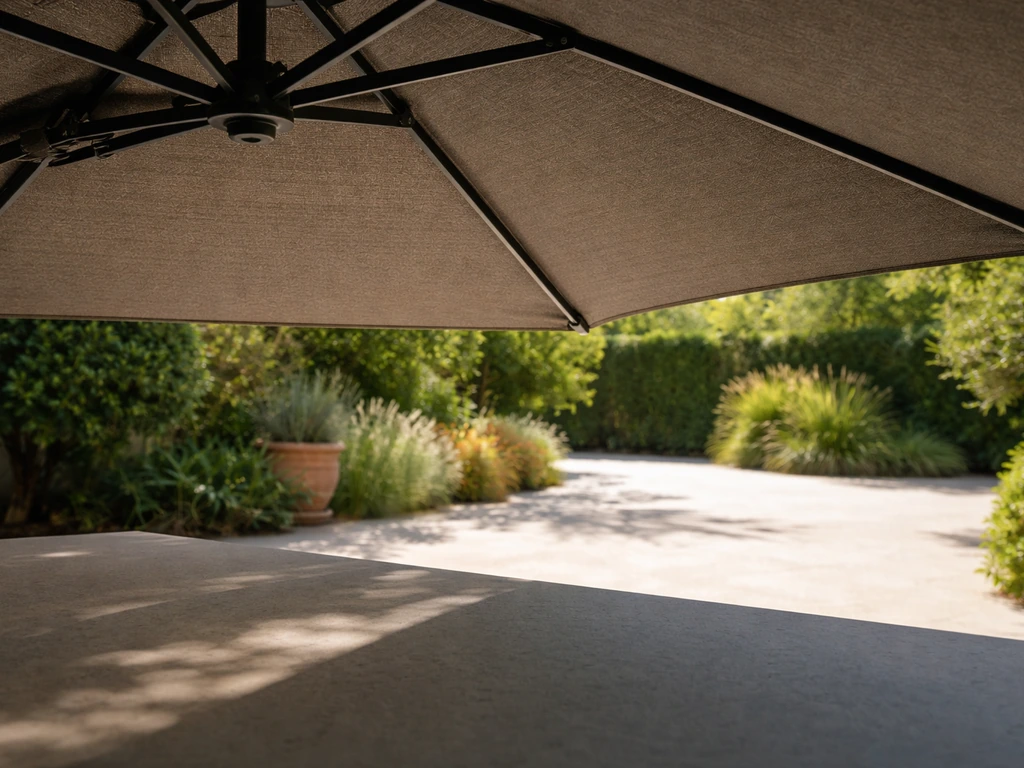
A UPF 50 umbrella fabric blocks about 98% of UV rays, which is genuinely excellent for sun protection directly under the canopy. Size the umbrella so it extends roughly 2 feet beyond your table edge to get useful coverage for everyone seated. A 9 ft umbrella is the typical starting point for a standard 4-person dining table. Make sure the pole height clears at least 7 feet so nobody is ducking. The coverage is good, but it's directional: as the sun moves, your shade moves with it, and a fixed market umbrella won't track that. Cantilever umbrellas are better here since you can rotate the canopy.
For rain protection, umbrellas are essentially useless. They're not engineered for it, and running an umbrella in wind and rain is one of the fastest ways to destroy it. A pergola's rain performance depends entirely on the roof system. Open slatted roofs provide almost no rain coverage.
Solid roofs work like a true overhead shelter. Louvered roofs, when fully closed at the right pitch with integrated gutter drainage, can be 99. 9% weatherproof in marketed claims, though even good systems can see some rebound splash at the perimeter during heavy rain. For rain-heavy climates, solid or quality louvered roofs are the right choice.
In sun-dominant climates, adjustable or retractable louvers give you the flexibility to let light in when you want it and block it when you don't.
Wind is where umbrellas really struggle. Even umbrellas marketed as "windproof" fail in real-world conditions, especially when turbulence from nearby structures creates unpredictable gusts. The rule of thumb is simple: close your umbrella any time wind picks up. Some high-end engineered aluminum pergola systems, by contrast, are rated to handle wind speeds of 190 MPH with proper engineering. That's an extreme spec, but it illustrates how different the structural resilience is between the two options.
Planning and installation: what you're actually signing up for
An umbrella requires almost no planning. You pick a size that fits your space (accounting for clearance from walls and overhangs so the canopy doesn't bump into anything), order it, and set it up the same day it arrives. The one thing to check upfront is whether a cantilever umbrella has enough room to rotate without hitting fences or structures, since clearance for the arm matters even in calm conditions.
A pergola is a real project. A good way to compare options is to think through patio vs pergola vs gazebo based on how permanent, weather-proof, and space-defining you want the shade to be A pergola is a real project. . A freestanding pergola on an existing patio is simpler than an attached one, but both involve planning around your site conditions.
An attached pergola requires that your exterior wall and roofline are actually suitable for the attachment, which isn't always the case. Either type may require a building permit depending on your jurisdiction, and many municipalities require engineering drawings, signed and sealed plans, and confirmation that your design meets setback requirements and wind-load codes. Don't skip this step: unpermitted structures can create headaches at appraisal and sale.
Timeline-wise, a DIY kit pergola with no permit needed can be done in a weekend or two. A professionally installed pergola with permits typically takes several weeks from contract to completion, longer if your jurisdiction has a slow review process or if the design includes electrical work for motorized louvers. The permitting and engineering process alone can take weeks in some counties.
Space, layout, and aesthetics: from a small patio to a full outdoor room
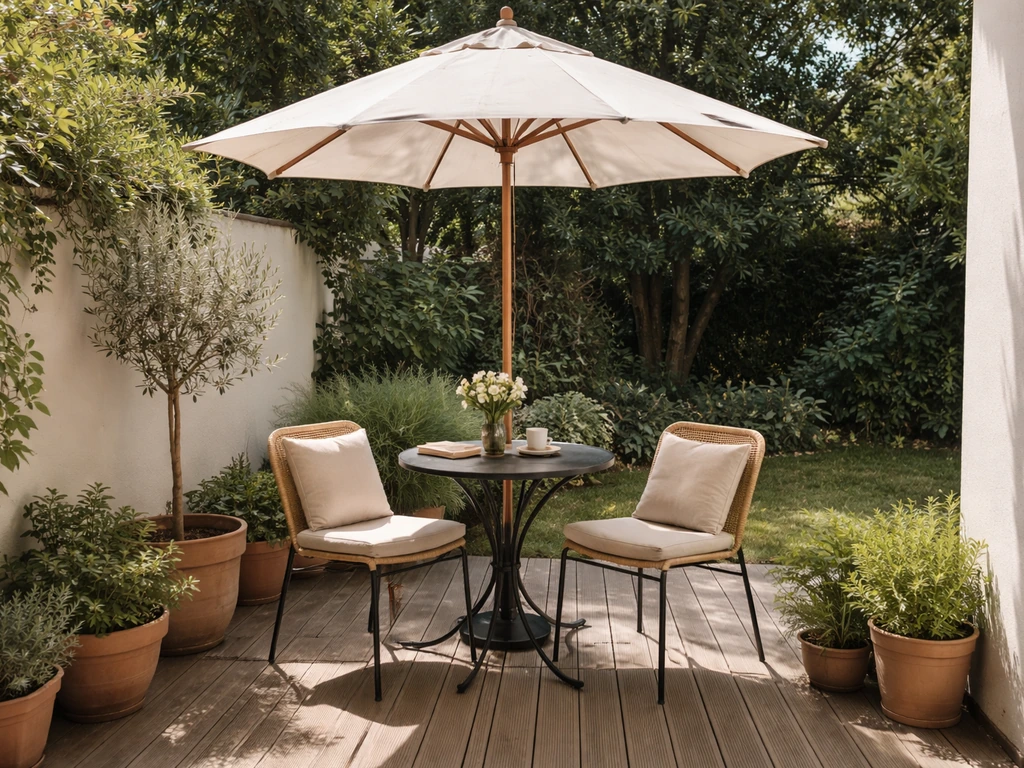
Small patios, balconies, or spaces under 100 square feet are usually better served by an umbrella. If you are thinking, "can a gazebo go on a patio," the key is making sure you have the right footprint and weatherproofing for the structure you choose. A pergola needs enough ground footprint to justify the structure (posts need setbacks from property lines), and on a tight patio it can feel overwhelming. Umbrellas are also the obvious call for renters, since you can take them with you when you move.
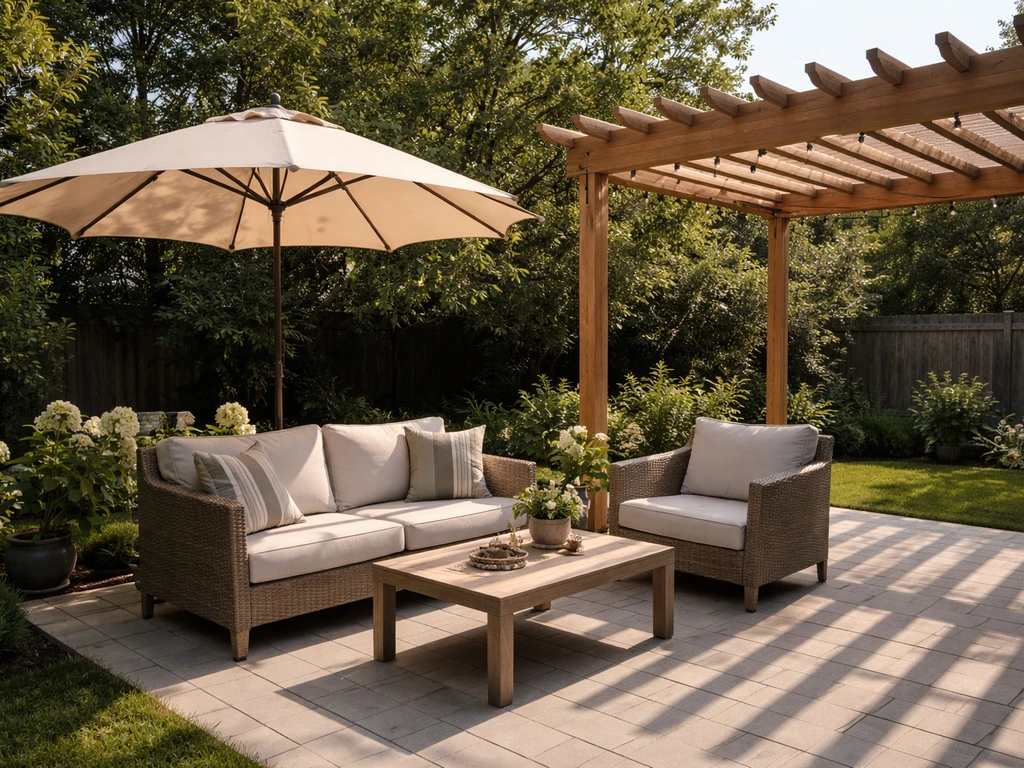
Larger backyard spaces, dedicated outdoor dining areas, or situations where you want to carve out a distinct outdoor room are where pergolas shine. A pergola with a solid or louvered roof, string lights, and curtain panels transforms an open yard into a space that feels intentional and usable well into the evening. It also gives you a framework to add things over time: ceiling fans, outdoor speakers, lighting, and privacy screens all anchor naturally to a pergola's structure in ways you simply can't do with an umbrella.
Aesthetically, the two options speak different languages. Umbrellas are casual and functional. Pergolas are architectural. If your home has a strong design language, a pergola in a complementary material (cedar for a warm traditional look, powder-coated aluminum for something modern and clean) can tie the outdoor space to the house in a way no umbrella ever will. If you're weighing other structure options as well, a pergola sits in the same decision space as gazebos and patio covers, each with its own shade and shelter tradeoffs. Gazebos and patio covers are the other common alternatives, and the right choice comes down to how much shelter you need versus how flexible you want the setup to be.
Durability, maintenance, and long-term care
Patio umbrellas are not built to last decades. With good care, a quality umbrella might give you 5 to 10 years. The fabric takes the most abuse: UV degradation, mildew, and coating breakdown are the main failure points. Clean it with mild detergent following the manufacturer's instructions, and apply a fabric protector after cleaning to restore UV inhibitors and water repellency. Close the umbrella any time you're not using it, store it covered or indoors over winter, and you'll extend its life significantly. If the frame is still solid but the canopy is gone, check whether a replacement canopy is available for your model before buying a whole new umbrella.
Pergola durability depends heavily on material. Wood is beautiful but demands the most attention: plan on re-staining every 2 to 3 years and inspect annually for rot, cracking, and fastener corrosion. Vinyl avoids the stain/paint cycle entirely but can look plastic and limits customization. Aluminum, especially powder-coated aluminum with a quality AAMA-rated finish, is the low-maintenance sweet spot: it won't rot, it doesn't need refinishing, and periodic washing with soap and water is typically all it needs. For louvered roof mechanisms, an annual check of the moving parts and drainage channels keeps everything functioning properly.
Resale value, permits, HOA, and things that affect your decision today
A patio umbrella adds zero resale value to your home, but it also adds zero risk. A well-built, properly permitted pergola can return roughly 50% to 80% of its cost at resale, which makes it a reasonable investment if you're planning to stay in the house for several years and the structure genuinely improves your outdoor living space. The key word there is "permitted." Appraisers and buyers can flag unpermitted structures, and an unpermitted pergola can slow down or complicate a sale. Pull the permit. It's worth the extra few weeks.
Before you commit to a pergola, check two things: your local building department's requirements (setbacks, permit thresholds by size, whether attached structures trigger a different review process) and your HOA rules if you have one. Many HOAs have specific rules about pergola height, material, color, and placement. Getting HOA approval rejected after you've already bought materials is an expensive lesson. For umbrellas, HOA rules are rarely an issue, though some communities have aesthetic guidelines that technically apply to anything visible from the street.
How to make the call: a practical decision framework
Run through these questions and the answer usually becomes clear pretty quickly. In practice, comparing pergola vs patio vs alfresco helps you pick the option that fits your weather, budget, and how you want to use the space.
- What is your actual budget right now? Under $500 is an umbrella. $1,500 to $5,000 opens DIY pergola kits or a simple installed structure. Above $5,000 you're in professional pergola territory.
- Do you need rain protection? If yes, a pergola with a solid or properly engineered louvered roof is the only real answer. Umbrellas won't do this job.
- How windy is your area? In consistently windy climates, an umbrella becomes a maintenance and safety headache. A properly engineered pergola doesn't have this problem.
- Are you renting or do you own? Renters should almost always choose an umbrella. Owners planning to stay 3+ years should seriously consider whether a pergola makes sense.
- How big is the space? Measure your patio. If you're working with less than about 150 square feet, an umbrella is usually the better fit. Larger dedicated outdoor spaces favor a pergola.
- Do you want this space to do more over time? If you're thinking about lighting, fans, outdoor curtains, or a ceiling fixture, you need a structure to hang them from. A pergola gives you that. An umbrella doesn't.
- Have you checked with your HOA and local building department? Do this before any pergola purchase. It takes a phone call or quick online search and can save you real money and frustration.
Once you know which direction you're heading, the next concrete steps are simple. For an umbrella: measure your table dimensions, add 2 feet per side for shade coverage, confirm pole height clears 7 feet, and check clearance from walls or overhangs before ordering. For a pergola: measure your space and note property line distances, contact your local building department to ask about permit requirements for your intended size and attachment type, review your HOA rules if applicable, and then get at least two or three quotes from installers with the specific roof type you want. If you are comparing seating and space use on the water, the same “built for how you live” idea comes up in the patio boat vs pontoon boat decision.
FAQ
Do I need a solid-roof pergola if my main goal is rain protection?
Start by matching the roof to what you actually need. If you want rain protection, slatted pergola roofs are mostly sun shading (limited rain coverage), while solid roofs or fully closable louvered systems with drainage are the ones that meaningfully block downpours. Also plan for perimeter splash, even on high-performance systems, because water can rebound at the edges during heavy rain.
What measurements should I take before buying a pergola (especially an attached one)?
Measure your space for three clearances, not just footprint. First, account for the pergola post setback from property lines, second, check your clearance under the beams for seating comfort, and third, confirm the swing or slide paths if you add curtains, roll-down shades, or lighting that could interfere with roof louvers.
How do I choose between umbrella and pergola when my yard gets windy?
Use a “wind behavior” approach. For umbrellas, treat any breezy period as a trigger to close and secure, because even branded wind-resistant umbrellas can fail under gust turbulence around fences, corners, and tall landscaping. For pergolas, the key is engineered design (posts size, connection hardware, and roof profile) rather than marketing terms.
Can a patio umbrella handle typical rain better than it sounds like?
If you think an umbrella can “replace” a pergola for weather, the answer is usually no. Umbrellas are not engineered for sustained rain or structural loads from wind, so their usable weather window is narrow. A pergola can be designed around your conditions, but only if you select the right roof system and materials.
What are the most common reasons umbrellas fail early?
For umbrellas, the most common failure is choosing a fabric and opening habit that accelerates UV and mildew damage. Look for easy-to-clean performance fabric, plan on regular cleaning, and store it covered or indoors for winter. Also verify compatibility when replacing canopies, not every umbrella model supports a simple swap.
Why does the shade from a fixed market umbrella feel inconsistent?
Look at your sun angle and usage pattern. If you spend time earlier and later in the day, you will feel the umbrella’s directional limitation because shade moves as the sun moves. Cantilever umbrellas help by rotating coverage, while pergolas let you “design the room” around the area you use most.
Which option is better for year-round outdoor comfort?
If you want to use the same structure for multiple seasons, a pergola can work better than an umbrella, but only if you plan accessories. Louvers can improve daytime control, while adding side curtains or drop screens helps you block low-angle sun and some wind. With umbrellas, seasonal use is limited because you still have to close and move them during weather.
What should I check with my HOA before installing a pergola or umbrella?
HOA approvals can be the deciding factor for pergolas. Many HOAs focus on height, roof style, material color, and placement, and they may require pre-approval before you order. For umbrellas, restrictions are less common, but a community can still have aesthetic rules if the umbrella is visible from shared areas.
How important is umbrella base type for stability?
For umbrellas, base choice matters as much as brand. Make sure the base weight matches local wind exposure, and use a table clamp or dedicated weighted base that stays stable on your surface type. If you rely on a free-standing base on smooth tile or stone, it can slide more than you expect.
Will an unpermitted pergola hurt my ability to sell later?
If resale is a concern, the “permitted” issue is the practical one. Unpermitted structures can be flagged during appraisal and sale, sometimes requiring removal or correction. If you might move within a few years, choose the option that is easiest to document and approve for your jurisdiction.
What decision factor matters most for everyday usability, not just cost?
Start with the use case. Choose an umbrella if your entertainment setup is flexible and you want to move the shade with the table, or if you are renting. Choose a pergola if you want fixed anchors for lighting, privacy screens, and an “outdoor room” feel that stays consistent.
Next Article
Pergola vs Patio vs Alfresco: Which Outdoor Space Wins?
Compare pergola vs patio vs alfresco: cover, materials, cost, permits, maintenance, and best choice by climate and lifes