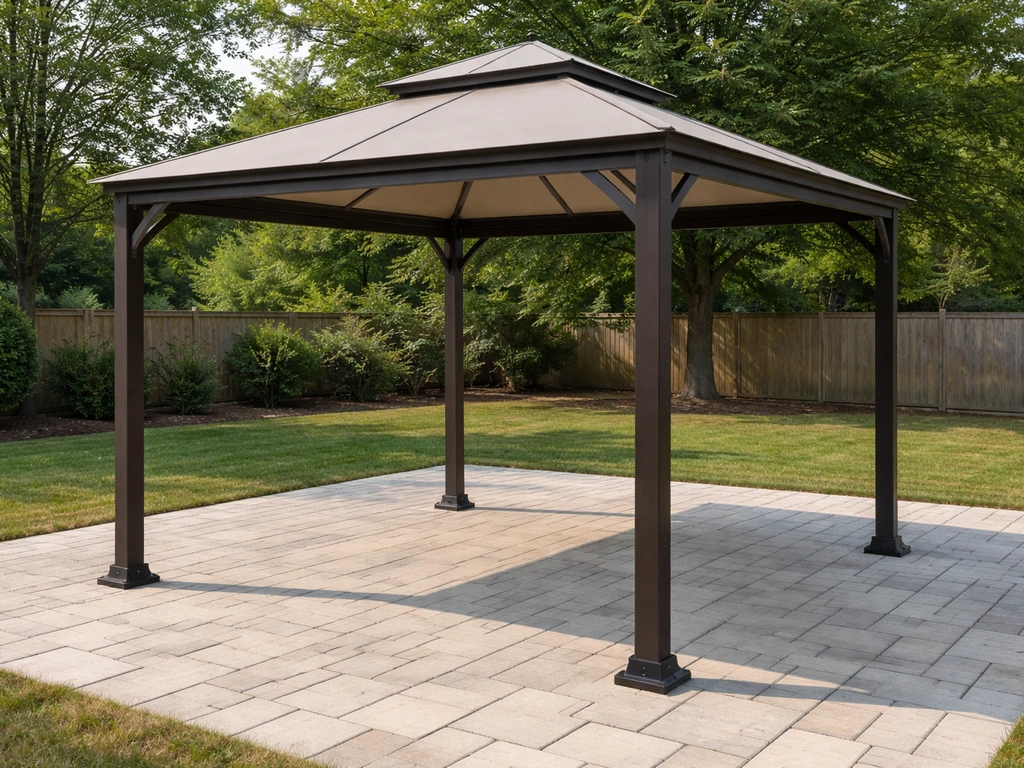
A patio is a ground-level hard surface (concrete, pavers, stone) where you put furniture. A gazebo can work alongside a patio, but you’ll want to plan for the surface, drainage, and whether it’s treated as an attached structure in your area. A pergola is a freestanding or attached structure with open rafters overhead that sits on top of or beside a patio, providing filtered shade but not full weather protection.
Pergola vs Patio vs Alfresco: Which Outdoor Space Wins?

Miles Hart
23 Jun 2026
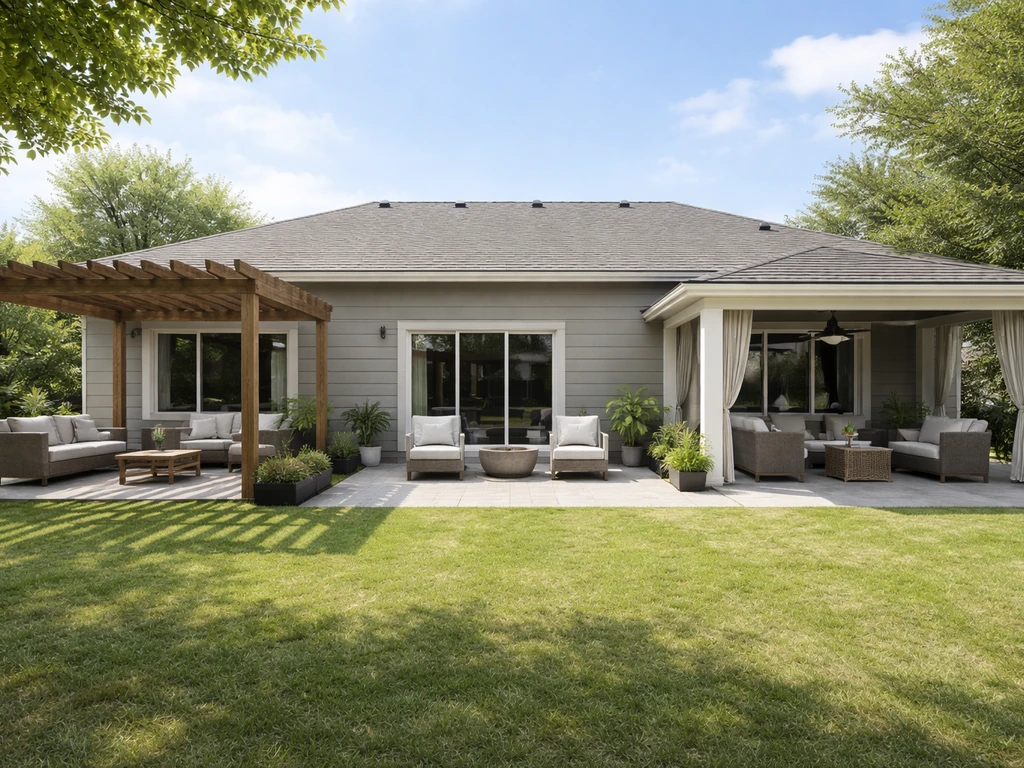
An alfresco area is not really a structure at all, it's a concept: eating or relaxing outside. In Australian home design, though, "alfresco" has become shorthand for a covered outdoor room, usually a roofed extension off the back of the house. If you're comparing all three, you're most likely deciding between a bare patio, a pergola over that patio, or a fully covered alfresco-style outdoor room, and those three options differ significantly in cost, weather protection, permits, and long-term value.
What each one actually looks like in a real backyard
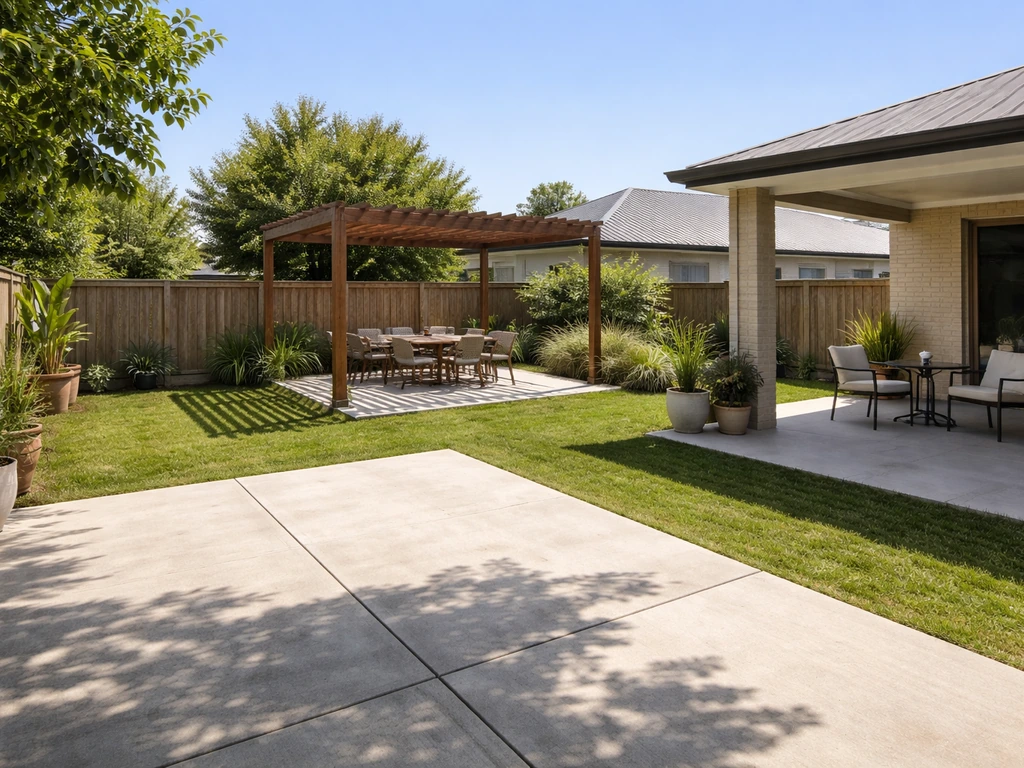
Before comparing them, it helps to be specific about what we mean, because these terms get used loosely online and in contractor quotes.
Patio
A patio is a ground-level outdoor surface attached to or near the house. It can be poured concrete, concrete pavers, natural stone, brick, or gravel. It has no roof, no walls, no posts. It's just the floor. You furnish it with outdoor chairs, a table, maybe a fire pit. Shade comes from an umbrella, a nearby tree, or something you add later, like a pergola or a shade sail. Most patios are 150 to 400 square feet, though large entertaining patios go bigger. This is the most common and lowest-cost outdoor feature a homeowner adds.
Pergola
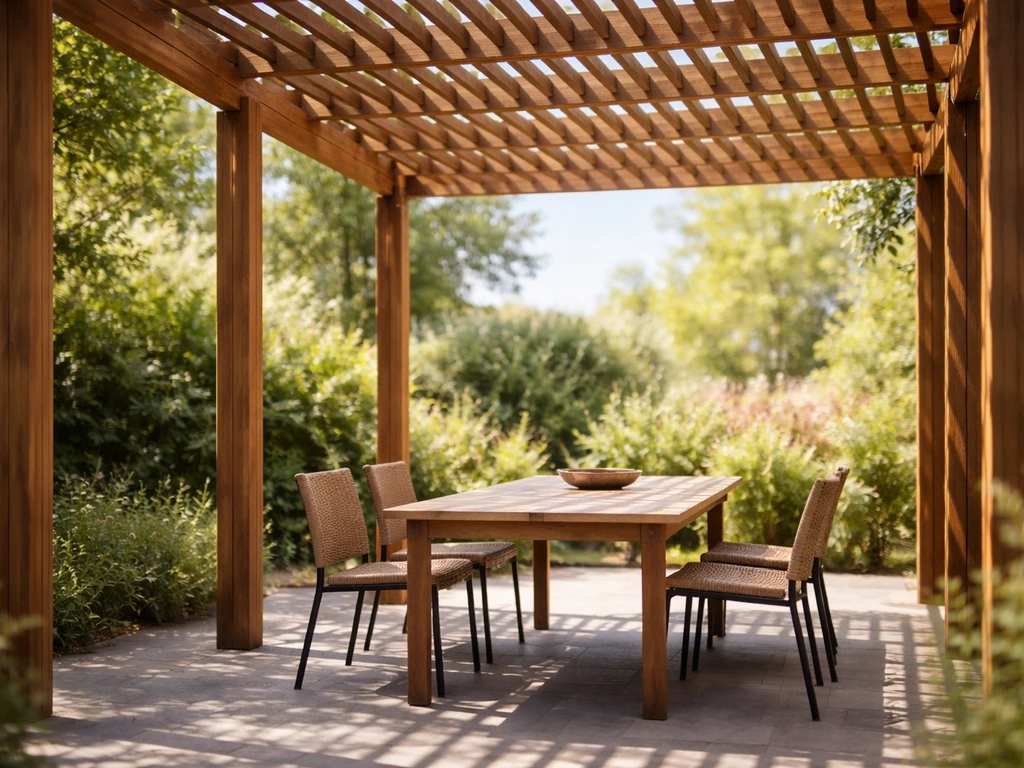
A pergola is a structure with vertical posts and a roof of open crossbeams or lattice. It creates shade without blocking all the sky, you still get light filtering through.
Some homeowners add shade cloth, climbing plants, or retractable canopies to increase coverage. Pergolas can be freestanding in the yard or attached to the house. They define an outdoor "room" visually and functionally, and they look great in photos, which is part of why they've become so popular. What they don't do well is protect you from rain.
If you want something more flexible than a pergola for quick shade, compare a patio umbrella vs canopy to see which fits your space and coverage needs. If weather protection is your main goal, a pergola alone won't cut it.
Alfresco (as a residential structure)
"Alfresco" literally means "in the open air" and just describes eating or relaxing outside. blank" rel="noopener noreferrer">Wikipedia and most dictionaries treat it as an activity, not a structure. But in Australian residential construction, and increasingly in U.S. design terminology, "alfresco" describes a covered outdoor room that's an extension of the house. Think of it as a patio with a solid or Colorbond roof attached to the back wall, often with ceiling fans, outdoor lighting, and sometimes a built-in kitchen or heater. It's weather-protected, usable year-round in mild climates, and feels like an extra room rather than a backyard feature. When someone asks about "alfresco vs pergola," they usually want to know: open-beam shade structure or fully covered outdoor room?
Coverage, comfort, and what each is actually good for
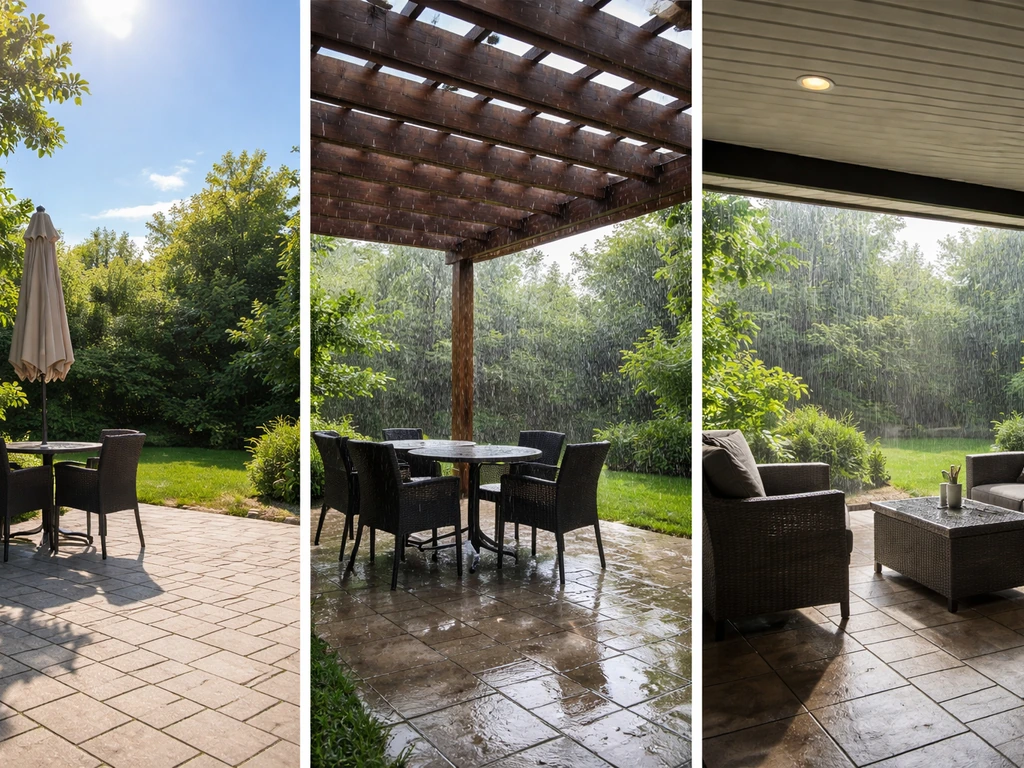
| Feature | Patio (uncovered) | Pergola | Alfresco (covered room) |
|---|---|---|---|
| Rain protection | None | Minimal to none (open beams) | Full (solid or corrugated roof) |
| Sun/shade | None built in | Filtered shade (30–70% depending on design) | Full shade, can add lighting |
| Year-round usability | Hot/sunny days only | Warm, low-rain days | Most seasons in mild climates |
| Privacy/enclosure feel | Open | Partial (defines space visually) | Enclosed feel, high privacy |
| Best use case | Casual seating, fire pit, plants | Dining, lounging, outdoor kitchen base | Entertaining, outdoor dining, home extension |
| Permits typically required | Sometimes (larger slabs) | Usually yes (structural posts) | Yes (attached structure, often needs engineering) |
If you live somewhere that gets regular afternoon rain (the Southeast, Pacific Northwest, or tropical climates), a pergola alone will leave you ducking inside half the year. A covered alfresco-style room solves that. If you're in a dry, sunny climate like Southern California or Arizona, a pergola with shade cloth might be all you need, and it's much cheaper. A bare patio works best as a foundation you build on later, or for homeowners who prioritize open-sky ambiance and aren't bothered by sun.
What each option costs, realistic numbers
Cost ranges for outdoor structures vary a lot by region, material, and size, but here are honest ballpark figures based on typical U.S. residential projects as of 2026.
| Structure | Low end (DIY or basic) | Mid-range (contractor, standard) | High end (premium materials/custom) |
|---|---|---|---|
| Patio (concrete) | $1,500 | $3,000–$6,000 | $10,000+ |
| Patio (pavers/stone) | $3,000 | $6,000–$12,000 | $20,000+ |
| Pergola (kit, attached) | $2,500 | $5,000–$12,000 | $20,000+ |
| Pergola (custom timber) | $6,000 | $12,000–$25,000 | $40,000+ |
| Alfresco/covered patio room | $8,000 | $18,000–$35,000 | $60,000+ |
The biggest cost drivers for a pergola are size, material (aluminum kits vs cedar vs hardwood vs steel), whether it's freestanding or attached, and whether you're hiring a contractor or doing it yourself. Kit pergolas from brands like Ozco, Pergola Depot, or TOJA Grid can bring costs down dramatically for DIY-capable homeowners, a quality aluminum kit can be installed over a weekend for $3,000–$5,000 all in. Custom timber pergolas with decorative corbels, built-in lighting, and stained finishes start around $12,000–$15,000 installed.
For alfresco-style covered rooms, the cost jump is significant because you're adding a real roof structure, often tying into the existing roofline, running electrical, and sometimes adding ceiling fans, outdoor heaters, or a built-in grill. If you're in a region that requires engineering sign-off on attached structures (which is most places), add $1,000–$3,000 for plans and inspections. The payoff is a space that's genuinely usable year-round, which changes how often you actually use it.
Budget tip
Don't forget the base surface cost. A pergola placed on an existing concrete slab is cheaper than one that requires pouring new footings and a patio simultaneously. If you're starting from scratch, add $3,000–$8,000 for paver or concrete work under whatever overhead structure you choose. Get the surface and structure quoted together.
Materials, durability, and what you'll be maintaining
Patio surfaces
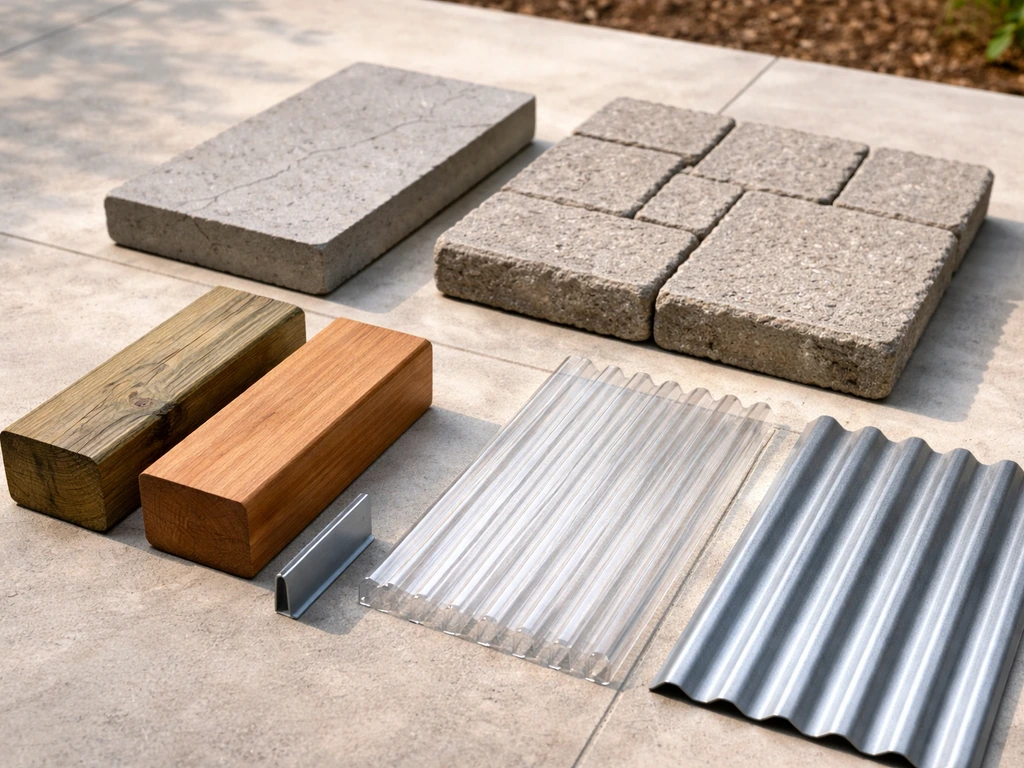
Concrete is low maintenance but cracks over time and looks plain without a finish coat or stain. Pavers last 25–50 years, are easy to repair (just pull a paver and replace it), but cost more upfront and need periodic re-sanding of joints. Natural stone (flagstone, bluestone, travertine) is beautiful and durable but expensive and sometimes slippery when wet. Gravel or decomposed granite is cheap and drains well, but it's not great for furniture or barefoot comfort.
Pergola materials
- Pressure-treated pine: cheapest, widely available, can rot at joints if not maintained, needs sealing every 2–3 years
- Cedar or redwood: rot-resistant, looks great, weathers to a natural gray if not sealed, moderate cost ($8,000–$18,000 installed for typical sizes)
- Hardwood (ipe, teak): extremely durable, expensive, requires annual oiling to maintain color
- Aluminum (powder-coated): low maintenance, won't rot or warp, limited design options, kit systems are DIY-friendly
- Vinyl/PVC: virtually no maintenance, looks artificial, expands and contracts in heat (not ideal in very hot climates)
- Steel: strong, sleek modern look, can rust if coating is damaged, best with professional installation
For most homeowners, cedar or powder-coated aluminum hits the best balance of appearance, durability, and cost. Cedar looks natural, lasts 15–25 years with reasonable care, and takes stain well. Aluminum kits (TimberTech, Pergola Depot, etc.) are virtually maintenance-free but have a more commercial look. If you want zero maintenance and aren't bothered by the aesthetic, aluminum wins. If appearance matters more, go cedar or a hardwood and plan to re-seal every couple of years.
Alfresco/covered room materials
Covered outdoor rooms typically use colorbond steel or corrugated polycarbonate for roofing (in Australian-style builds), or tied-in asphalt shingles that match the house roof. Polycarbonate lets in light but can be noisy in rain and yellows over time. Steel roofing lasts 40+ years and looks sharp. If the structure ties into the home's existing roofline with matching shingles, it tends to look most integrated. Posts are usually timber or steel, and the patio surface beneath is concrete, pavers, or composite decking.
Permits, structure, and the DIY question
This is where a lot of homeowners get surprised. Here's the general rule: anything attached to the house or anything with posts set in concrete footings almost always requires a permit. A freestanding, small pergola on an existing patio might squeak through as an "accessory structure" in some jurisdictions, but don't assume that without checking.
What typically needs a permit
- Pergolas attached to the house (ledger board connections require structural review)
- Any structure over 200 square feet (threshold varies by jurisdiction, sometimes 120 sq ft)
- Structures with concrete footings/piers (most pergolas with 4x4 or 6x6 posts)
- Covered alfresco rooms or patio roofs attached to the home (almost always requires permit and often engineering drawings)
- Electrical work inside any structure (lighting, fans, outlets)
- Any project in areas with HOA rules — check separately
For an attached covered alfresco room, expect to need stamped engineering drawings, a building permit, and at least one inspection. This adds $1,500–$4,000 to the project but protects you at resale and ensures the structure doesn't fail. DIY is feasible for pergola kits if you're comfortable with post setting, beam work, and basic carpentry. A covered alfresco room is harder to DIY because of the roof-to-house tie-in, most homeowners hire a contractor for at least that portion.
One note on the word "alfresco" in a permitting context: some municipalities (like Los Angeles) use "al fresco" specifically for outdoor dining enclosures at restaurants, with entirely different rules than residential structures. If you're researching permits and see "al fresco" in city planning documents, make sure you're reading the residential, not commercial, section. They're not the same thing.
Which one should you choose? Scenario-based guidance
No single answer fits everyone, so here's how I'd think about it based on real homeowner situations. When you're weighing patio vs pergola vs gazebo, treat the gazebo option as the fully framed, pavilion-style cousin and compare how much coverage and enclosure you want.
| Your situation | Best fit | Why |
|---|---|---|
| Small yard, tight budget, just want outdoor seating | Patio (pavers or concrete) | Low cost, durable, flexible — add a pergola later if budget allows |
| Sunny, dry climate — want shade but love open sky | Pergola with shade cloth or climbing plants | Filtered shade without fully enclosing the space; lower cost than covered room |
| Frequent rain or hot humid climate (Southeast, Pacific NW) | Covered alfresco/patio room | Only option that's actually usable during rain; pergola will leave you inside half the year |
| Large entertaining area, want an outdoor kitchen | Pergola or covered alfresco | Pergola works in dry climates; covered room is better if you want to protect appliances and guests |
| Renting — can't do permanent structures | Freestanding pergola kit (portable/no-footings version) | Check lease, but some bolt-together kits avoid permanent footings |
| Maximizing home resale value | Covered alfresco room or well-built attached pergola | Adds usable square footage feel; buyers notice it in listings |
| HOA neighborhood with strict rules | Patio first, then ask HOA before adding structure | Many HOAs require approval for pergolas and roof structures; get it in writing first |
Decision checklist before you commit
- How many months per year do you actually want to use this space? If fewer than 6, start with a patio and a good umbrella.
- What's your climate? Heavy rain or snow changes the calculus entirely — a pergola is not a rain solution.
- Do you have an existing patio slab? If yes, adding a pergola is much cheaper than starting from scratch.
- Is the structure attached to the house or freestanding? Attached means permits and likely engineering.
- What's your realistic budget including surface, structure, electrical, and permits? Add 15–20% contingency.
- Does your HOA allow pergolas or covered structures? Check before you design anything.
- Are you planning to sell in the next 5 years? If so, permitted work with proper documentation matters for resale.
- Do you want privacy/enclosure or open-air ambiance? This single preference often settles the pergola vs covered room question.
Home value: what actually pays off
Outdoor living improvements have consistently ranked well in home renovation ROI surveys. A well-built patio or pergola can return 50–80% of its cost in added home value, though ROI varies significantly by region, neighborhood comparables, and how well the project is executed. The key word is "well-built", a poorly constructed pergola that's rotting or unpermitted can actually hurt a sale if buyers or inspectors flag it.
Covered alfresco-style outdoor rooms tend to add the most perceived value because they photograph well, increase livable space, and are immediately functional to any buyer. In warm-climate markets (Texas, Florida, Southern California, Arizona), a covered outdoor entertaining area can be a genuine selling point. In colder markets, it matters less because buyers know they can only use it 4–5 months per year anyway.
A basic patio alone adds value primarily by making the yard look finished and usable. If you're also comparing boating options for relaxing outdoors, you might be weighing patio boat vs pontoon boat for comfort and layout. It's rarely the feature that closes a sale, but a weedy, bare backyard compared to a clean paver patio is noticeable. Think of the patio as your baseline and the pergola or covered room as the upgrade that earns back real money.
One practical note on permits and value: unpermitted structures are a liability at resale. A buyer's inspector will often flag a pergola with cemented posts and no permit, and in some states, sellers are required to disclose unpermitted work. If you're building something permanent, do it right, pull the permit, and keep the documentation. It protects you and makes the sale smoother.
What to do right now
If you're trying to move from "thinking about it" to actually getting this done, here's the practical sequence. First, measure your available space and note whether there's an existing concrete slab or patio surface. If there is, you skip one whole phase of work and cost.
Second, look up your local jurisdiction's permit requirements for pergolas and patio covers, most cities have this online, and a 10-minute search can tell you whether you need a permit and what the threshold size is. Third, get three quotes that include both the surface and the structure together, so you can compare apples to apples. Finally, decide on attached vs freestanding before talking to contractors, this changes the structural approach, cost, and permit requirements significantly.
A key safety habit is to close patio umbrellas at night to protect them from wind and weather should patio umbrellas be closed at night.
If you're still weighing a pergola against lighter shade options like a large patio umbrella or a canopy, those are worth considering as a first step before committing to a permanent structure, especially if you're not sure how you'll use the space. For deeper comparisons between specific shade structures, the patio umbrella vs pergola question is worth its own look. And if you're considering something more enclosed and permanent than a pergola but don't want a full alfresco room, the pergola vs gazebo comparison may also help you narrow it down. If you are looking at a gazebo vs patio instead, the big difference is that a gazebo is usually a more enclosed, decorative structure rather than just an open sitting surface pergola vs gazebo.
FAQ
Can I make a pergola weatherproof enough for year-round use?
Yes, but often only in part. A pergola gives shade, not rain-proofing, so you may still want a rain plan like retractable side panels, clear weather curtains, or a full canopy option. Also check local wind ratings for any added shade cloth or canopy, since sheets and fabric can behave like sails in storms.
How do I know if my pergola or alfresco needs engineering and a permit?
If it’s tied into the home structure (roof-to-wall connection) or the posts require concrete footings sized for structural loads, it usually crosses the line from “shade accessory” to “permanent structure.” Expect permit and engineering requirements more often for alfresco-style roofed rooms than for simple pergolas, even if the footprint is small.
Is a freestanding pergola always permit-free?
Do not assume “no roof” means no rules. Even a freestanding pergola can require approval depending on height, proximity to property lines, lot coverage, and whether it blocks setbacks or easements. The permit threshold is jurisdiction-specific, so check the local rules for pergola, patio cover, and accessory structure definitions.
What measurements should I take before getting quotes for these outdoor spaces?
Measure in a way contractors can price accurately, include clearance above doorways and walkways, and decide where posts can land without hitting irrigation lines or under-slab plumbing. When comparing pergola vs patio vs alfresco, also plan the seating zone and traffic lanes, then set the roof coverage (for pergolas and alfresco) to align with where people actually sit.
If I have an existing patio slab, will I still need drainage work?
If you already have a solid slab, you’ll usually save money by building the structure on that existing surface, and you may avoid reworking drainage. But if water drains toward the house or toward doors, you may still need grading or drainage adjustments before installing a covered outdoor room.
What documents should I keep to protect my resale value?
For resale safety, keep proof that the structure is permitted and inspected, including stamped drawings, approval documents, and any electrical permits if you add fans, lights, or heaters. At sale time, buyers commonly ask for these even if the work looks good.
Which material, cedar or aluminum, holds up better in my climate?
Aluminum and cedar can differ a lot in longevity and maintenance, especially at coastal or high-humidity sites. Aluminum is typically low-maintenance but can require periodic cleaning to prevent staining, while cedar may need consistent sealing to avoid greying or cracking, particularly on horizontal beams that collect water.
What upgrades add the most cost, and when should I plan them?
Lighting and power are usually the biggest “hidden” costs. A covered alfresco often needs electrical runs for ceiling fans, GFCI outlets, and weather-rated fixtures, and these require planning during framing. Pergolas may be simpler, but adding outdoor-rated power still benefits from being designed early.
Which option is better for windy or stormy afternoons?
Yes, the choice affects how you experience the space on windy or rainy days. Open-beam pergolas still let rain blow through, while an alfresco roof reduces weather impact. If your goal is cooking or using the space during shoulder seasons, lean toward alfresco coverage, and consider side screening for wind.
Can I start with a patio and upgrade to a pergola or alfresco later?
A patio can be a “baseline” that you can later upgrade, especially if you keep the layout consistent for where posts could go. If you think you might expand to a pergola or covered room, ask contractors about future-ready post locations and whether the slab thickness or pavers can support footings.
What do homeowners commonly miss when budgeting for pergola vs patio vs alfresco?
A key mistake is comparing the structure cost only, ignoring the floor and finishes. Outdoor kitchens, heaters, and ceiling fans can also change the roof design and electrical layout. Always request quotes that include the base surface prep, structural components, and any tied-in roofwork if you’re doing alfresco.
How should I orient the structure so the shade and airflow work in real use?
You can, but it often helps to pick a “direction” early. For example, if the living room opens to the backyard, align the roof or pergola beams with the main sightline and wind exposure, so the shaded zone covers the seating area rather than blocking circulation. For alfresco rooms, ceiling height and fan placement matter for comfort.
If I see “al fresco” in permit paperwork, how do I make sure it applies to residential projects?
In some municipalities, “al fresco” in planning documents may refer to restaurant dining enclosures, which have different standards than residential structures. If you’re searching permits, match the wording to residential categories like patio cover, accessory structure, pergola, or covered outdoor room.
Next Article
Can a Gazebo Go on a Patio? Feasibility Checklist
Yes, sometimes: check patio material, anchoring, load, wind, drainage, and clearance before placing a gazebo.