For most homeowners in climates with hot summers, rainy springs, or mild winters, a covered patio is absolutely worth it. You get usable outdoor space for more months of the year, better protection for outdoor furniture, and a genuine gathering spot that an uncovered slab simply can't match. That said, "worth it" depends heavily on how often you actually use your outdoor space, what climate you live in, what you plan to spend, and whether you're staying in the home long enough to recoup the cost.
Is a Covered Patio Worth It? Cost, ROI, and Alternatives

Miles Hart
16 Jun 2026
What 'worth it' actually means for your situation
Before you price anything out, it's worth being honest about what you're optimizing for. "Worth it" can mean three different things depending on the homeowner: daily lifestyle enjoyment, long-term resale value, or both. These don't always point to the same decision.
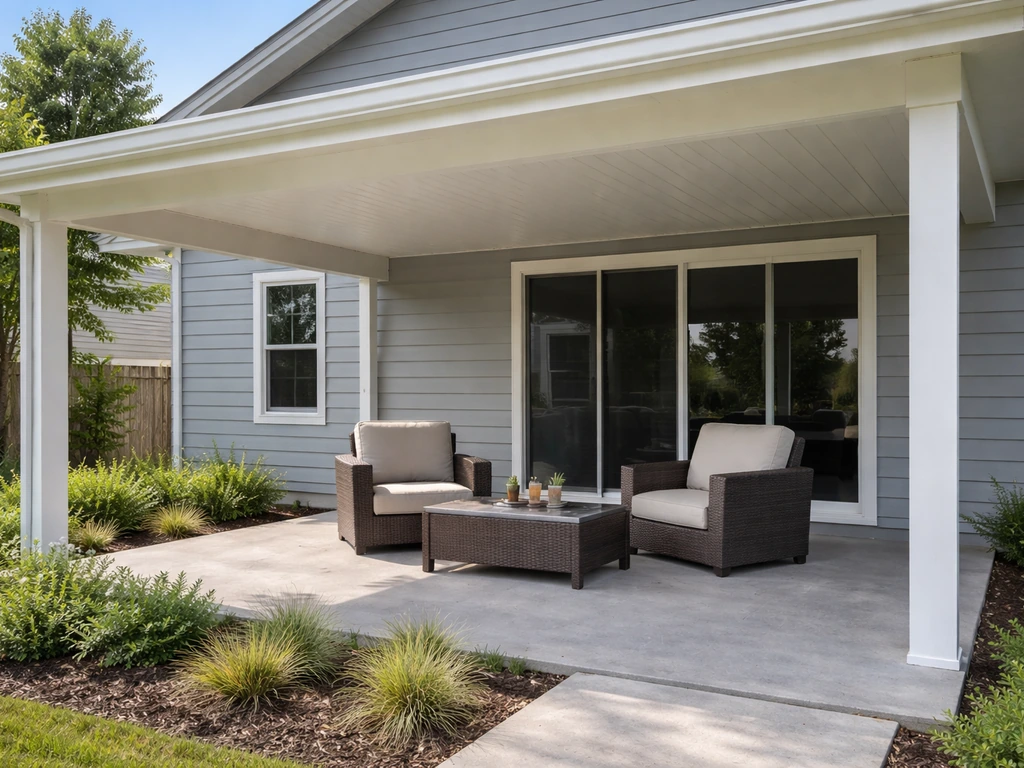
If you entertain regularly, grill outdoors, have kids or pets who spend time outside, or live in a climate where sun or rain routinely shuts down your patio time, a covered patio will pay for itself in daily quality of life pretty quickly. If you rarely use your current patio and you're adding a cover primarily to boost resale value, the math is harder to justify. Buyers do notice and appreciate covered outdoor living, but they rarely pay dollar-for-dollar for it.
The honest framework: if you'd use the space at least two or three times a week in season, and you're planning to stay in the home at least three to five years, a covered patio almost always earns its keep. If neither of those things is true, you're better off with a lower-cost option or no cover at all.
Covered patio benefits vs. the real tradeoffs
What you actually gain
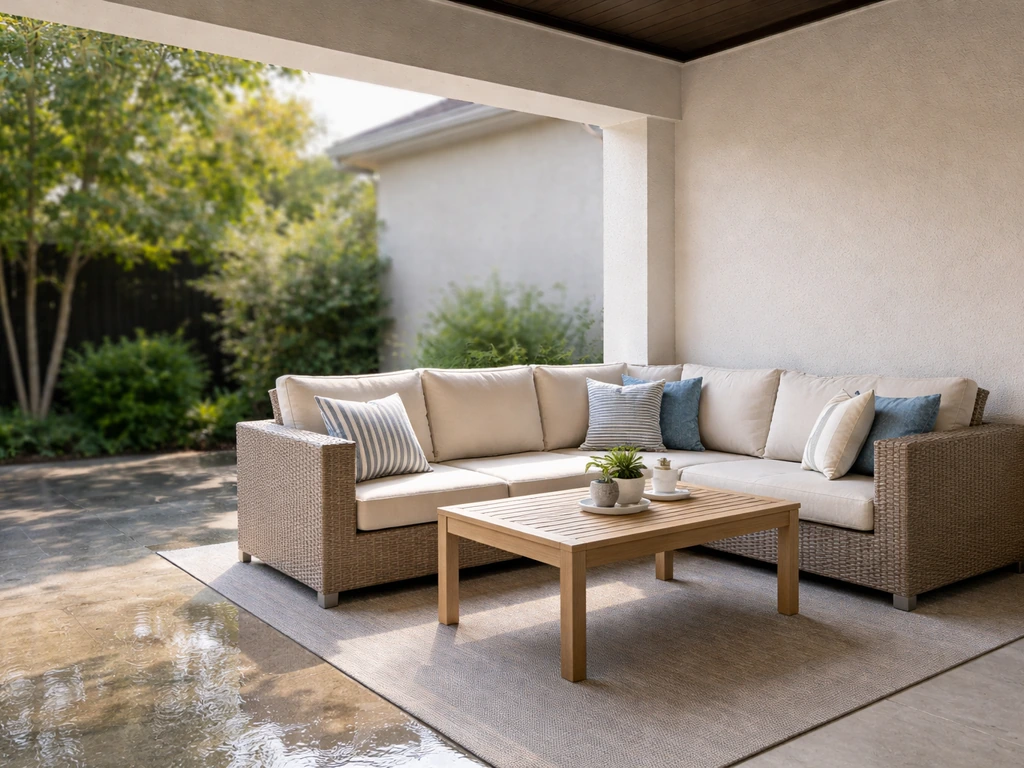
- Weather protection: keeps the space usable during light rain and shields furniture and flooring from UV damage, extending their lifespan significantly
- Longer usable season: in most U.S. climates, a covered patio adds two to four months of comfortable outdoor use compared to an open slab
- Comfort in heat: a solid roof cover (especially an insulated one) can reduce surface temperatures by 10 to 20 degrees on hot afternoons compared to direct sun exposure
- Defined outdoor room: a covered space reads as a room to both you and future buyers, making it much easier to furnish, light, and actually use as a living area
- Grilling and cooking space: keeps cooking out of rain and reduces direct sun glare, making outdoor kitchens far more practical
- Privacy and visual separation: depending on the design, a cover with posts and a partial enclosure adds privacy from neighbors and the street
The tradeoffs you should know upfront
- Reduced natural light: a solid roof cover blocks sunlight to the patio and can darken adjacent interior rooms, especially if doors or windows face the patio
- Airflow changes: enclosed or low-pitch covers can reduce cross-ventilation, making the space feel stuffy in calm weather without a ceiling fan
- Roofing maintenance: any covered structure eventually needs roofing maintenance, whether that's resealing polycarbonate panels, re-staining a pergola, or replacing shingles on a solid attached roof
- Permit and code complexity: attached covers in particular require permits in virtually every jurisdiction, must meet structural load requirements, and need to respect setbacks
- Higher upfront cost: the gap between an uncovered concrete patio and a solid covered patio is often $10,000 to $30,000 or more, depending on size and materials
- Visual commitment: a large cover changes the look of your home's exterior permanently; not every design adds curb appeal
Cost breakdown: what you'll actually spend
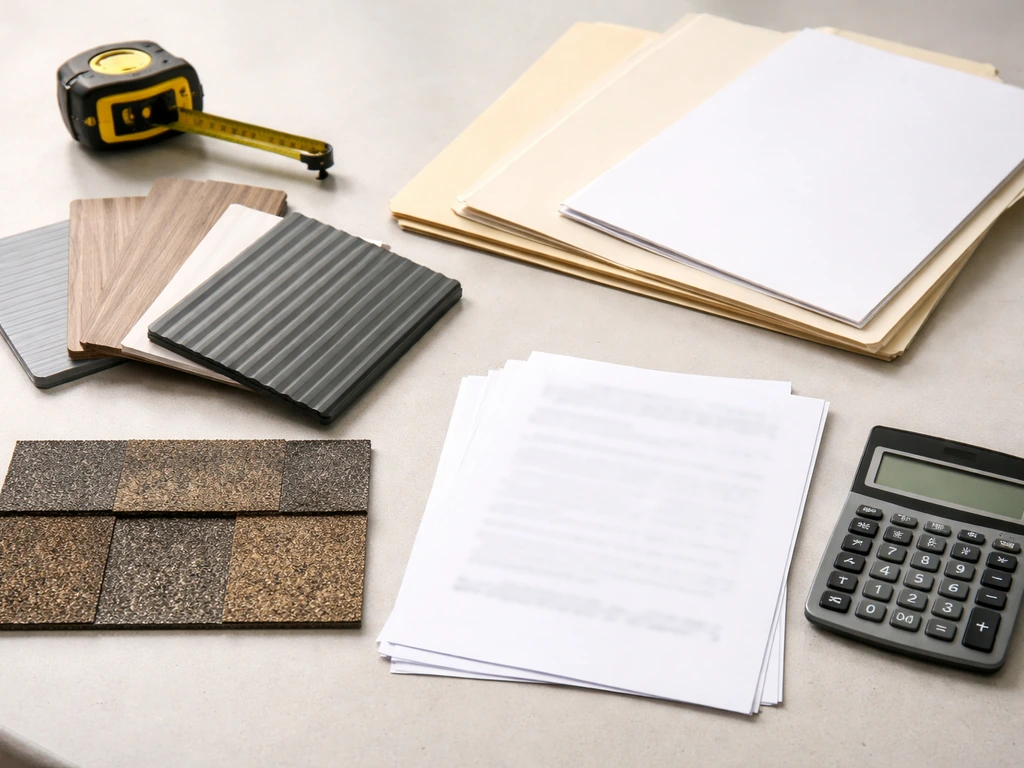
Covered patio costs span a wide range depending on size, materials, whether it's attached or freestanding, and local labor rates. Here's a realistic look at what drives the price.
| Cover Type | Typical Cost Range | Notes |
|---|---|---|
| Basic aluminum or vinyl kit cover | $3,000 – $8,000 installed | Freestanding or attached; minimal customization; fastest install |
| Wood pergola with attached roof panels | $8,000 – $18,000 installed | More visual appeal; some roofing adds cost; DIY-friendly structure |
| Solid attached patio cover (aluminum or wood) | $10,000 – $25,000 installed | Requires permit; footings and framing add cost; most durable |
| Insulated aluminum patio cover | $12,000 – $30,000 installed | Better thermal performance; commercial-grade options available |
| Attached solid roof matching house roofline | $20,000 – $50,000+ | Full structural tie-in; permits always required; highest ROI at resale |
Biggest cost drivers
- Size: most contractors price patio covers per square foot; a 12x20 foot cover and a 20x30 foot cover are in completely different budget categories
- Attachment type: attached covers that tie into the home's structure require more engineering, footings, and permit scrutiny than freestanding structures
- Roofing material: solid shingles matching your home cost more than polycarbonate panels or corrugated metal, but they look far more integrated
- Posts and footings: concrete footings for posts add material and labor cost, especially on sloped sites or soft soils
- Electrical and fans: adding a ceiling fan, lighting, or outlets can add $1,500 to $4,000 depending on the run from the electrical panel
- Local labor rates: contractor costs in California, New York, or Florida can be 30 to 50 percent higher than in the Midwest or rural South
One thing people consistently underestimate: the permit and inspection process. Most municipalities require permits for attached patio covers, and some (like Chula Vista, CA) require you to verify setbacks and lot coverage before submitting. Cities like Garland, TX specify that attached covers must meet rear and side yard setbacks, which can be 10 feet rear and 6 feet side in typical residential zones. Budget an extra $500 to $2,000 for permits and plan for a two to six week review window before work can legally begin.
Resale and home value: who actually benefits
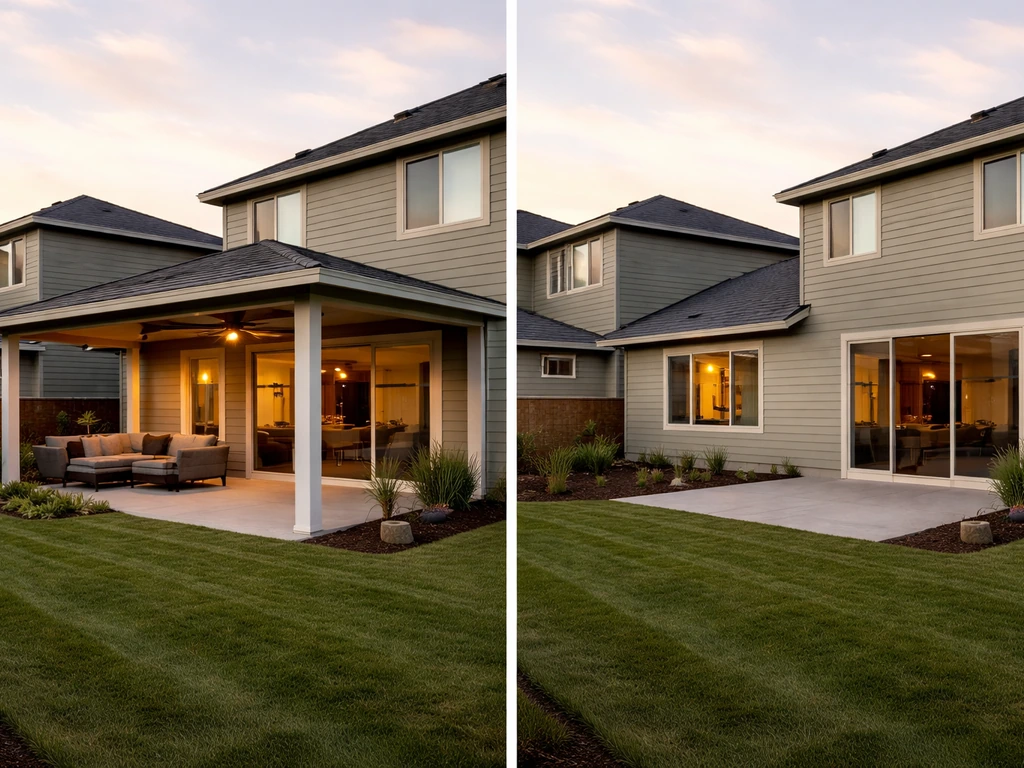
A covered patio does add value, but it's one of those improvements where the return depends more on your market, your buyers, and the quality of the build than on a universal percentage. In Sun Belt markets like Arizona, Texas, and Florida, outdoor living is a top buyer priority and a well-built covered patio can return 70 to 80 percent of its cost in added value. In colder Northern markets, that return drops to 40 to 60 percent for most buyers, though it can still be the feature that moves your home faster than comparables without one.
The builds that tend to appraise best are attached solid-roof covers that match the home's roofline and materials, because they look intentional and permanent rather than like an afterthought. A cheap aluminum kit cover tacked onto the back of the house rarely impresses appraisers or buyers. The question of whether a covered patio specifically increases home value, versus other outdoor improvements, is genuinely worth thinking through before you commit to a specific design.
Property tax implications are worth a quick check too. In many counties, a permitted, permanently attached structure adds assessed value, which can bump your annual taxes modestly. An unpermitted cover carries different risks: it may not be counted in an appraisal and could complicate a future sale if discovered during inspection.
Homeowners who benefit most from covered patio ROI: those in warm or mixed climates, those who plan to stay five or more years, those who will genuinely use and furnish the space, and those building an attached cover that looks integrated with the home rather than a bolt-on addition.
Covered patio vs. the alternatives: which one fits your situation
"Covered patio" is one of those terms that gets blurry fast. People use it to mean anything from a pergola with shade cloth to a fully enclosed sunroom. Getting clear on what you're actually comparing makes the decision much easier.
| Structure Type | Weather Protection | Typical Cost Range | Permit Required? | Best For |
|---|---|---|---|---|
| Uncovered patio (slab) | None | $3,000 – $10,000 | Sometimes | Budget-conscious; mild climates; low maintenance |
| Pergola (open lattice) | Partial shade only | $5,000 – $15,000 | Often yes | Aesthetic appeal; climbing plants; not a rain solution |
| Covered patio (solid roof) | Full rain and sun | $10,000 – $30,000+ | Yes | All-weather usability; outdoor kitchens; entertaining |
| Screened porch | Rain + insects | $15,000 – $35,000 | Yes | Bug-heavy climates; families with kids; casual outdoor rooms |
| Deck with roof cover | $12,000 – $40,000+ | Full rain and sun | Yes | Elevated homes; views; integrates deck with overhead shelter |
| Sunroom / enclosure | Full weather, year-round | $25,000 – $80,000+ | Yes, always | Year-round living space; cold climates; adding heated sq footage |
A pergola is the most common alternative people consider, and it's worth being direct: a pergola does not keep you dry in rain. It provides shade and visual structure, but unless you add a solid or semi-solid roof panel system, you're stepping inside the moment it starts raining. If rain protection is a priority, a covered patio beats a pergola every time. If you mainly want shade and aesthetics, a pergola at lower cost might be enough.
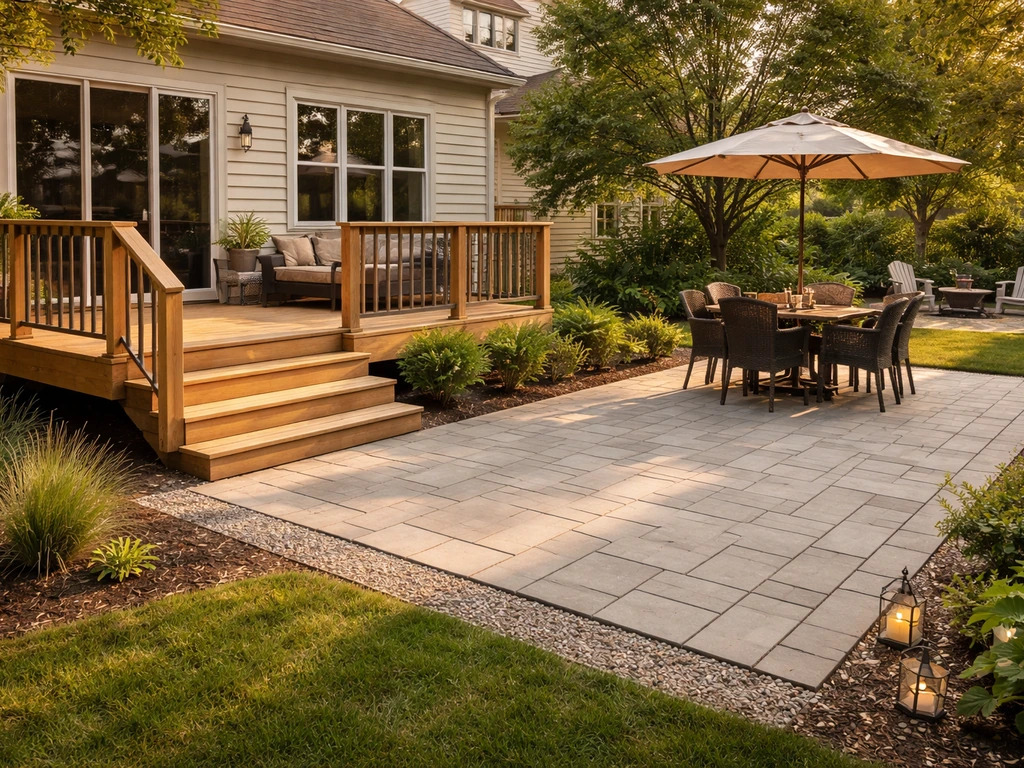
A screened porch is worth considering if you live in an area with significant mosquito or insect pressure, or if you want that breezy, three-season feel without full weather enclosure. Screened porches don't trap heat the same way a solid cover can, but they also provide zero rain protection once the wind picks up. Comparing whether a deck or patio adds more value overall is another angle worth exploring if you're deciding between raising the structure or staying at grade.
The short recommendation: if you want maximum usability across more seasons and you're willing to budget for it, a solid-roof covered patio is the most versatile option. If budget is tight or aesthetics matter more than function, a pergola gets you most of the visual payoff at lower cost. If you want year-round use in a cold climate, push the budget toward a sunroom or enclosed porch instead.
Materials, layout, and DIY vs. contractor: planning the actual build
Roofing and cover material options
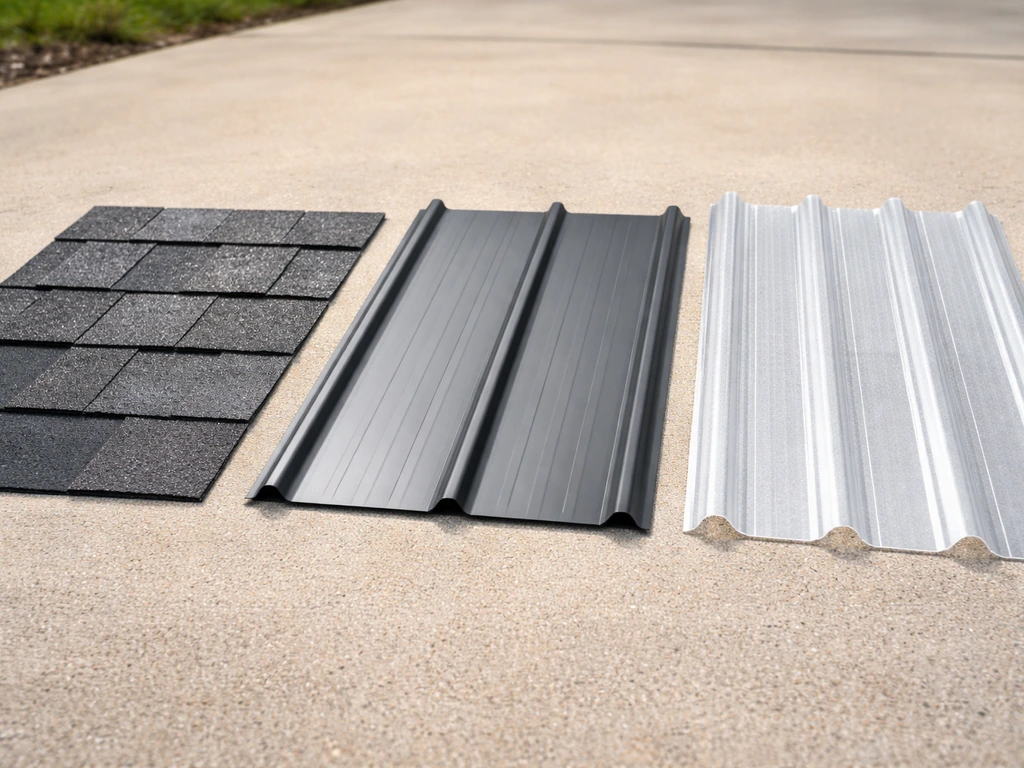
The roof material is your single biggest decision. Solid asphalt shingles matching your home look the most integrated and require standard roofing maintenance every 15 to 25 years. Polycarbonate panels (the clear or tinted corrugated sheets) let in light but can yellow over time and transmit heat in summer. Insulated aluminum panels are the workhorse choice for many suburban installations: durable, low maintenance, and available in different R-values for heat control.
Metal roofing (standing seam or corrugated) is increasingly popular for its longevity and modern look. Whatever you choose, the cover must be engineered to handle dead loads plus a minimum live load of 10 pounds per square foot, with higher requirements in snow-load zones per IRC Appendix H. IRC Appendix H patio cover requirements specify that they must be designed for all dead loads plus a [vertical live load of not less than 10 psf](https://codes. iccsafe.
org/content/IRC2018/appendix-h-patio-covers) (0. 48 kN/m²), with higher loads required when snow loads exceed that minimum.
Posts, footings, and structural basics
Any solid cover needs posts, and posts need footings. For attached covers, the ledger connection to the house is the most critical structural element and the one most likely to be scrutinized during permit inspection. Footings should be sized to local frost depth and soil conditions; in most areas that means 12 to 18 inch diameter concrete piers at minimum. Wood 6x6 posts are standard for heavier covers; aluminum systems use their own post specs. Don't skip the footings to save money. Undersized footings cause settling, cracking, and eventual structural problems.
Layout considerations
- Pitch and drainage: a minimum 1/4 inch per foot pitch is needed to drain water away from the house; flat covers almost always leak eventually
- Sun orientation: south-facing covers in the Northern Hemisphere block winter sun as well as summer sun; an east or west orientation gives you more control over when shade falls
- Ceiling height: 9 feet is a practical minimum for a comfortable covered patio; lower feels cramped and limits ceiling fan clearance
- Clearance from windows and doors: make sure the roofline doesn't block light to interior rooms you rely on during the day
- Setbacks: check local codes early; attached structures typically must meet the same setbacks as the main house for rear and side yards
DIY vs. hiring a contractor
Freestanding pergolas and simple kit-based covers are genuinely DIY-friendly if you're comfortable with basic carpentry, post setting, and concrete. A motivated DIYer can install a 12x16 pergola kit in a weekend for $2,000 to $5,000 in materials. Attached solid-roof covers are a different story. The ledger connection, permit process, electrical work, and roofing tie-in typically require licensed contractors, and in most jurisdictions a homeowner permit only goes so far before you need a licensed roofer or general contractor to sign off. The money you think you're saving on a DIY attached cover can evaporate quickly if you need to redo the ledger connection or fail inspection.
A practical middle path: hire a contractor for the structural framing and roof, then DIY the finishing work like staining, fans, and lighting. This gets the critical elements done right while keeping costs manageable.
Decision checklist and next steps
Before you call a contractor or pull a permit, run through these questions. The answers will tell you what type of cover to build, how much to budget, and whether now is the right time.
Checklist: is a covered patio the right move?
- How often do you actually use your outdoor space now? If your current patio sits empty most of the time, a cover won't fix that.
- What's stopping you from using it more? If the answer is rain, heat, or glare, a solid cover solves those. If it's bugs, a screened porch might be better.
- How long are you planning to stay in the home? Under three years, keep costs low. Five-plus years, invest in quality.
- What's your realistic budget, all-in? Include permits, footings, electrical, and at least a 15 percent contingency.
- Does your lot have room? Check your local setback rules before you sketch anything. A 10-foot rear setback can eat into your available build area significantly.
- Will it work with your home's architecture? A cover that looks bolted on reduces curb appeal; one that matches the roofline and materials adds it.
- Are insulated panels worth the upgrade for your climate? In climates with very hot summers, the comfort difference is substantial.
- Have you gotten at least three contractor quotes? Prices for the same project can vary 30 to 40 percent between contractors in the same market.
What to ask contractors before signing anything
- Will you handle the permit application, or is that on me?
- What load rating are you designing this cover to, and how does that compare to local code minimums?
- How is the ledger connected to the house, and will that connection be inspected?
- What's the drainage pitch, and where does water exit the cover?
- What's the warranty on materials and on your labor?
- What's a realistic timeline from permit submission to project completion?
- Are footings included in the quote, and how are they sized for my soil?
Practical next steps
- Visit your local building department website or office and confirm permit requirements, setback rules, and lot coverage limits for your zone before spending any money on design.
- Sketch your patio dimensions and note the compass orientation so contractors can give accurate quotes and discuss sun/shade tradeoffs.
- Get three quotes from licensed contractors who specialize in covered patios or outdoor structures, not general handymen.
- Decide on your roofing material before finalizing quotes: this affects both cost and what kind of structural framing is needed.
- Check whether your homeowner's insurance requires notification when adding a permanent attached structure.
- If budget is tight, price out a phased approach: pour or use an existing slab now, add the cover structure in year two when you have more budget.
The bottom line: a covered patio is worth it for most homeowners who actually spend time outside, live in a climate where weather limits outdoor use, and are staying in the home long enough to enjoy it. Get the permits right, match the materials to your home's style, and size it for how you actually live rather than how big your lot could theoretically accommodate. That's where the real value comes from.
FAQ
If I only use my patio on weekends, is a covered patio still worth it?
It’s usually not worth it if you rarely use the space midweek. A covered patio tends to pay off when you expect at least two to three uses per week during the seasons your patio is active, because the extra comfort and furniture protection only matter when you’re actually outside.
How do I know whether I’m adding value or just spending money on comfort?
Treat it as two separate goals. If resale is the priority, focus on an integrated, permitted build that matches your roofline and materials. If lifestyle is the priority, choose features that increase daily use (shade control, ceiling height, lighting, wind protection) even if buyers may not pay dollar-for-dollar.
What’s the difference between a covered patio, a pergola, and an enclosed porch for rain protection?
A pergola mainly provides shade, it does not reliably keep you dry during rain unless you add solid or semi-solid roof panels. A covered patio uses a solid roof system designed for weather shedding. An enclosed porch is built to block wind and temperatures more fully, so it supports year-round use in many colder climates.
Will a covered patio always show up on an appraisal during a sale?
Not always. If the cover is not permitted and documented, some appraisers may exclude it. Even when it’s visible, its “value” depends on whether it’s treated as a permitted, permanent improvement with credible construction details.
Are permits and setbacks the biggest cost risk for an attached cover?
They’re one of the biggest schedule risks too, because reviews can take weeks. Setbacks and lot coverage can force design changes, like moving the structure or resizing it, which can raise costs beyond just the permit fee.
How can I avoid overbuying size that I will never use?
Measure your real outdoor routines, not the maximum possible footprint. Plan around the grill zone, a dining table, and a clear walking path from the house, then size the roof to cover that “hot zone” so you pay for usable coverage instead of blank space.
What roof material is best if I want lower heat in summer?
Insulated panel systems are often the best balance for heat control because they reduce radiant heat transfer. Polycarbonate can let in more light, but it can transmit heat and may yellow over time, so it’s typically better when brightness is your top priority rather than cooling.
How do I ensure the cover won’t become a maintenance headache?
Match roofing materials to maintenance schedules, and don’t ignore drainage. For solid asphalt shingle roofs, plan on standard roof maintenance every 15 to 25 years. Also confirm the design includes proper slope and water management so the ledger connection and posts aren’t exposed to constant runoff.
Is DIY realistic for a covered patio I attach to my house?
Usually not for the critical structural and permitting pieces. Freestanding pergolas and some kit covers can be DIY-friendly, but attached solid-roof covers often require licensed work for the ledger connection, roofing tie-in, and sometimes electrical, because failed inspection can force costly rework.
What structural checks matter most during permitting and inspection?
The ledger connection for attached covers, plus properly sized footings for local frost depth and soil. Undersized footings can lead to settling, cracking, and long-term structural issues, even if the roof looks fine at first.
Will adding fans, lights, or outlets change the permitting or electrical requirements?
Often yes. Exterior electrical and any ceiling-mounted fixtures can trigger separate permitting requirements and safety standards, even if the cover itself is already permitted. Plan the electrical scope early so you don’t have to redo framing or wiring after inspection.
If I’m in a snow-load area, what should I ask my contractor before approving design?
Ask whether the design meets the required live load for your snow zone (and that they’re following the local code approach). The article notes a minimum live load of 10 psf generally, with higher requirements in snow regions, so confirm the calculations before construction starts.
Next Article
Does a Deck or Patio Add More Value? Cost and ROI Guide
Deck vs patio value: compare costs, maintenance, and ROI to see what adds more resale value for your home.