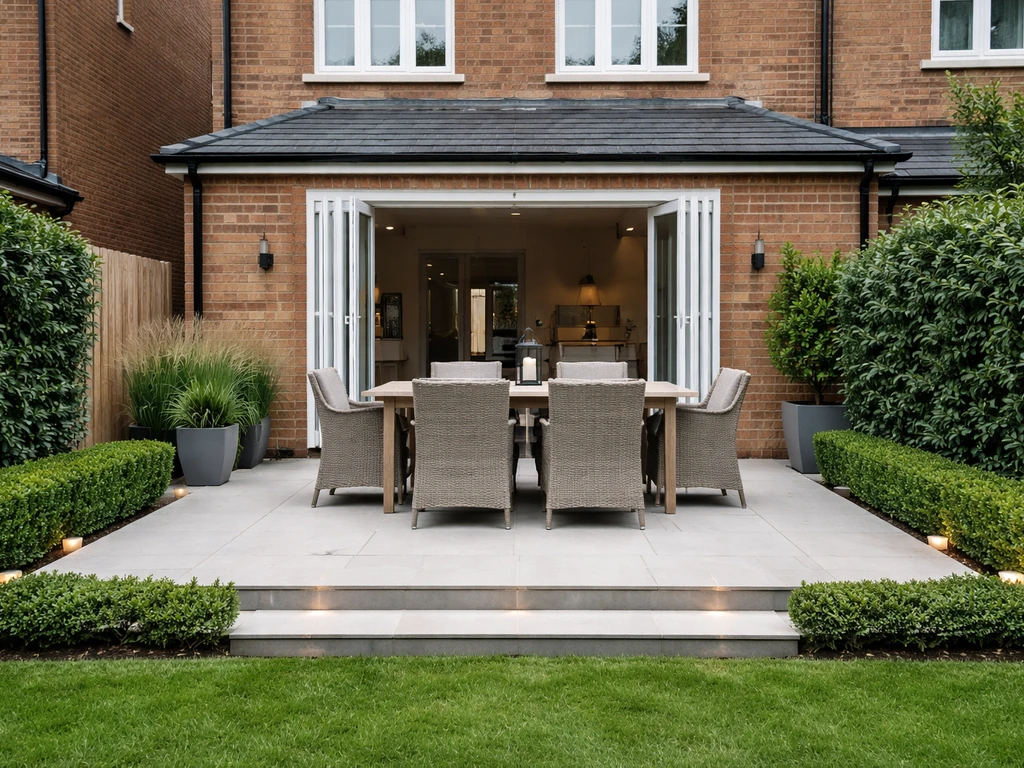
Adding a patio cover can increase your property taxes, but whether it actually does depends on where you live, how your local assessor handles improvements, and whether the project triggers a reassessment. In most cases, a modest patio cover adds a small amount to your assessed value, which translates to a relatively minor tax bump. But the timing, the amount, and even whether it happens at all vary significantly by state and county.
Does Adding a Patio Cover Increase Property Taxes?

Miles Hart
29 May 2026
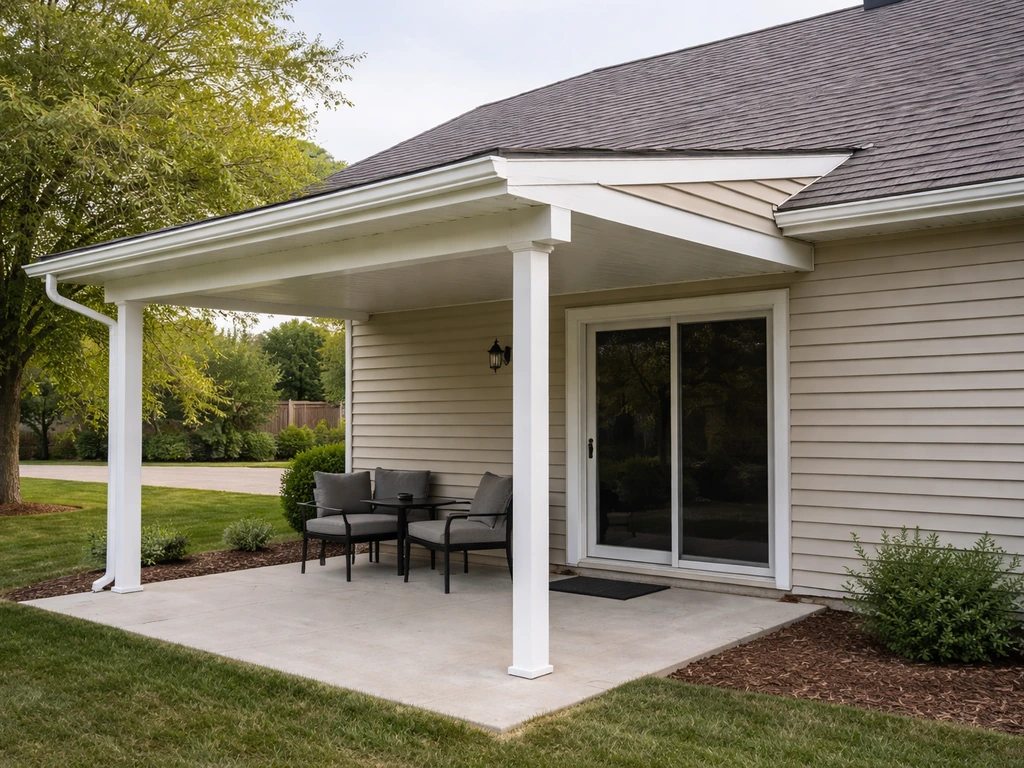
When a patio or patio cover actually affects your taxes
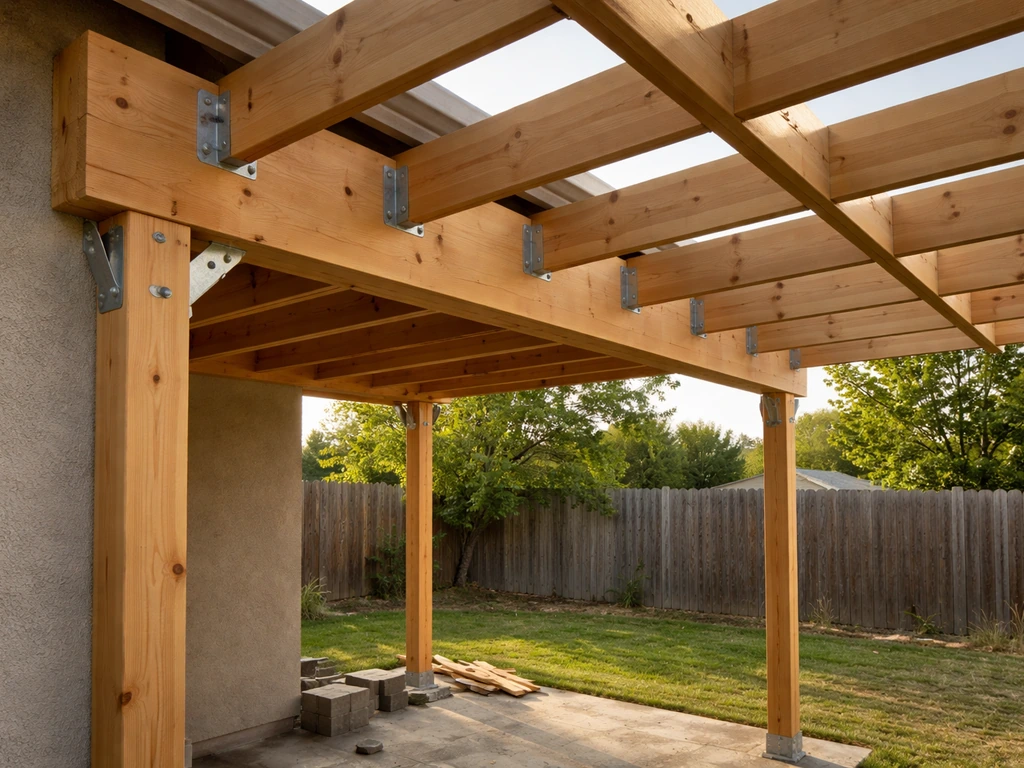
Property taxes are based on your property's assessed value, not what you paid for it or what you spent on improvements. So a patio cover only increases your taxes if it increases your assessed value, and that only happens when your assessor finds out about it and acts on it. Most jurisdictions have a specific mechanism for this, usually tied to permits, completed construction, or a reassessment cycle.
In California, for example, completing new construction triggers a supplemental assessment. That means you can receive a supplemental tax bill on top of your regular annual bill, prorated from the month the construction was completed through June 30 (the end of the fiscal year). In Texas, January 1 is the official valuation date, so anything completed after that date generally won't show up in your tax bill until the following year. In Florida, the rule is even more specific: an improvement is assessed as of the first January 1 after it's substantially completed. And in Cook County, Illinois, properties are only reassessed once every three years, so you might not see any change until your triennial comes up.
The short version: yes, it can raise your taxes. But the timing depends entirely on your state and county's rules.
What actually triggers a tax increase
Permits are the most common trigger
When you pull a building permit for a patio cover, your local government records it. Many assessor's offices are connected to the permitting system and use permit data to flag properties for review. Washington State's Department of Revenue is explicit about this: assessors have the authority to add new construction to the assessment rolls even if no permit was issued, using other evidence if necessary. So skipping a permit doesn't necessarily mean skipping a reassessment. It just means the assessor might catch it later, potentially during a sale, an aerial review, or a neighborhood reassessment.
Completed construction vs. work in progress
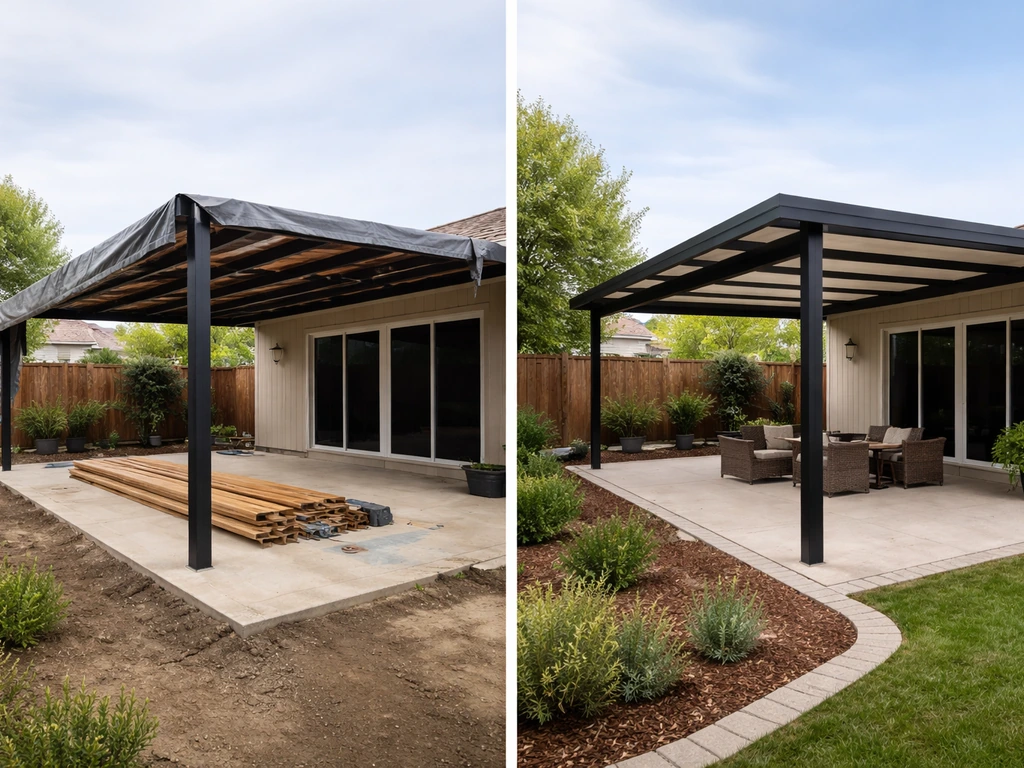
Most states draw the line at substantial completion, not permit filing. In Florida, if your patio cover isn't substantially complete by January 1, the improvement generally won't be assessed until the following year. San Francisco handles work-in-progress differently: if construction is still underway as of the January 1 lien date, the assessor may add an estimate of the completed portion to that year's roll. Knowing your state's definition of 'substantial completion' and the relevant lien date can make a real difference in when you first see the tax impact.
Reassessment cycles and local practices
Some counties reassess every year. Some do it every three years, like Cook County. California's Proposition 13 system generally holds assessed values flat (with a maximum 2% annual CPI increase) until a change in ownership or new construction triggers a reassessment. That means your base year value stays protected, but a completed patio cover still qualifies as 'new construction' and will be added to your taxable value. The result is a narrower reassessment: only the improvement's value is added, not your entire property's current market value.
Does the type of patio or cover material matter?
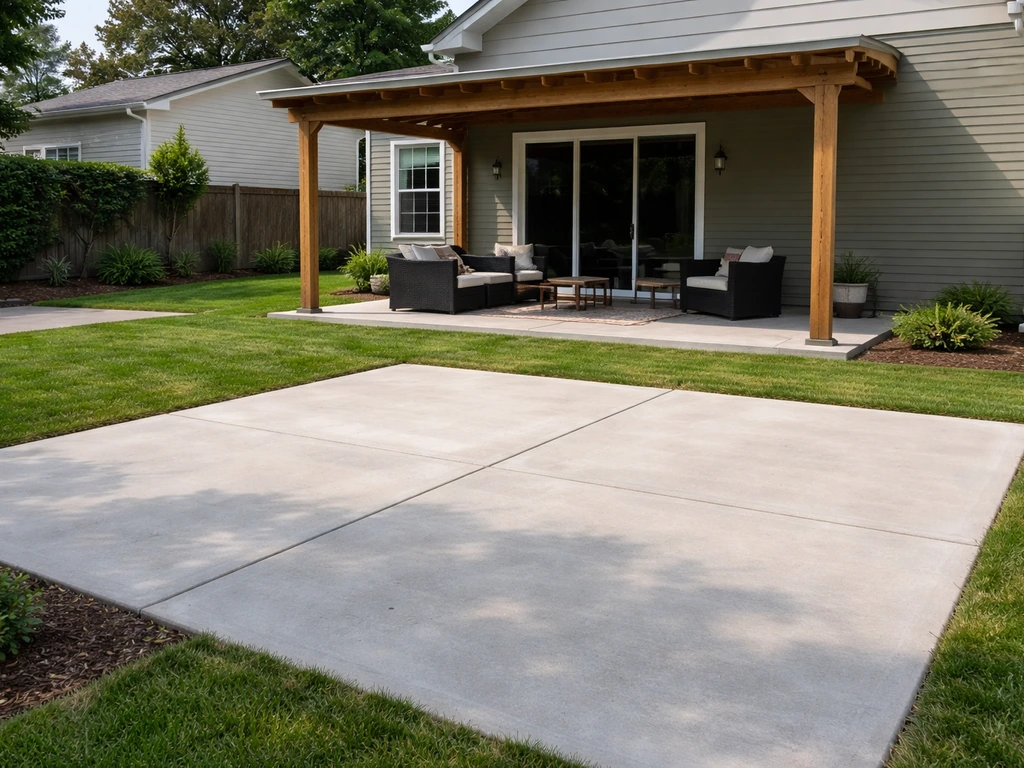
Yes, and this is where the details really matter. Assessors generally look at whether an improvement is considered a permanent structure attached to the property. A concrete patio slab or a fully covered, attached patio structure is more likely to be treated as a taxable improvement than a simple gravel pad or a freestanding pergola you could theoretically disassemble.
| Structure Type | Likely Tax Treatment | Notes |
|---|---|---|
| Open concrete patio (slab only) | Often assessed as improvement | Permanent, attached to ground; most assessors treat as taxable improvement |
| Attached covered patio (solid roof) | Almost always assessed | Treated as living space extension or permanent structure in most jurisdictions |
| Freestanding pergola (no roof) | Sometimes assessed, sometimes not | Depends on how local assessor classifies it; often lower value than covered structure |
| Attached pergola with open lattice | Varies widely by jurisdiction | Less likely to be treated the same as a fully enclosed cover |
| Screen enclosure or sunroom conversion | Usually assessed, sometimes at higher rate | May be reclassified as conditioned or enclosed living space |
| Portable or temporary shade structure | Rarely assessed | Not considered a permanent improvement in most jurisdictions |
California's assessor handbooks separate 'fixtures' and structural improvements from other categories, and a permanently attached patio cover with footings and a solid roof would land squarely in the improvement column. An open concrete slab without any overhead structure is also typically treated as an improvement, though its assessed value addition will be smaller than a fully framed and roofed structure.
If you're weighing whether to go with an open patio versus a fully covered structure, the tax impact is one real difference to factor in, alongside the bigger questions of usability and value. A fully covered patio almost always adds more assessed value than a bare slab. Whether that added tax cost is worth the added usability and home value is a separate calculation.
Home value vs. assessed value: what the tax change actually looks like
There's an important gap between what a patio cover does for your home's market value and what it does to your assessed value and tax bill. Does a covered patio increase home value? It often boosts market appeal, but the amount depends on factors like design and local buyer demand. A well-built covered patio might add $10,000 to $20,000 or more to your home's market value, but assessed value doesn't always track market value directly. Many jurisdictions assess at a percentage of market value (say, 80% or 100%), and in states like California, the Prop 13 system only adds the new construction value, not the ripple effect on the rest of your home's value.
To estimate your actual tax increase, you need two numbers: the assessed value added by the improvement, and your local tax rate. If your county adds $8,000 to your assessed value for a new patio cover, and your effective property tax rate is 1.2%, your annual tax increase would be about $96. That's a common range for a basic attached patio cover in many suburban markets. A larger, premium insulated aluminum cover or a roofed outdoor room structure could push the assessed value addition higher, but you're still typically talking about a few hundred dollars per year at most, not a dramatic jump.
The increase is almost always modest relative to the home value gain. That said, it's worth knowing what to expect before you build so the supplemental bill doesn't catch you off guard.
How to avoid surprise tax bills

Pull the permit and report it accurately
The instinct to skip permits to avoid tax scrutiny tends to backfire. Assessors can and do find unpermitted improvements through aerial imagery, neighborhood drives, and sale disclosures. Getting caught with an unpermitted structure can lead to back assessments, penalties, and complications when you sell. Pulling the permit and reporting the improvement accurately means you know what's coming and can plan for it.
Look into exemptions before you build
Some states offer exemptions specifically for home improvements. Washington State's RCW 84.36.400 provides a three-year exemption from taxes on the value of qualifying physical improvements to single-family dwellings, including patios and decks. The catch: you have to file your notice of intent with the assessor before the improvement is made. If you wait until after you've built, you lose the exemption. King County's FAQ specifically mentions patios and decks as eligible improvements under this program. Other states and counties have similar programs, so it's worth checking before you break ground.
Know your appeal rights
If your assessor adds value for an improvement and you think the number is too high, you can appeal. Alameda County, for example, explicitly notes there's no charge to file certain requests directly with the assessor's office, including requests for decline-in-value reviews and assessment appeals. Most counties have a formal appeals process with deadlines, usually within 60 to 90 days of receiving your assessment notice. Gather your permit records, your contractor invoices, and comparable sales data for similar homes to build your case.
Watch the timing of your project completion
Because most states tie assessments to a specific date (January 1 in most cases, June 30 in California's fiscal year), completing your project just after the lien date can push the tax impact to the following year. That's not tax evasion, it's just understanding the calendar. If you're planning a patio cover project and timing is flexible, finishing it in early February instead of late December could mean a full extra year before the new assessed value appears on your bill.
What to do before you build
Before you finalize a patio cover project, run through these steps to know exactly what you're walking into on the tax side.
- Call or visit your county assessor's website and ask how completed new construction is handled: does it trigger a supplemental assessment, or does it wait for a scheduled reassessment cycle?
- Find out your state's lien date and what 'substantially completed' means for assessment purposes so you can time your project strategically if needed.
- Check whether your state or county offers a home improvement exemption and what the filing deadline is (Washington's exemption requires filing before work starts).
- Get a rough estimate of what your assessor would add in value for a project like yours. Some assessor offices will give you a ballpark; others publish cost schedules. Multiply that by your effective tax rate to get your estimated annual increase.
- Pull your permit. Document the square footage, materials, and description accurately so there's no ambiguity when the assessor reviews the project.
- Keep your contractor invoices and permit records on file so you have documentation ready if you want to appeal an assessment that seems too high.
The bottom line is that a patio cover is unlikely to cause a painful tax increase, but it almost certainly will cause some increase if it's a permanent, permitted structure. Knowing the rules in your specific county before you build puts you in control of the timing and the numbers, rather than getting surprised by a supplemental bill six months after you thought the project was done and paid for.
FAQ
If I add a patio cover, will my taxes increase immediately the same year?
In most places, the tax change happens only after the assessor adds the patio cover to the assessment rolls, which is usually tied to permits, substantial completion, or a scheduled reassessment date. If the assessor never flags the improvement, taxes may not change until a later event like a sale or review, so the “does it increase?” answer depends on whether it gets assessed, not just whether you built it.
How can I estimate the actual annual tax increase from a patio cover?
You can often estimate the impact by using the assessed-value increase the assessor is likely to apply (not your construction cost), then multiplying by your effective property tax rate. If your jurisdiction uses supplemental or prorated billing, expect the first payment to be partial, then a fuller increase on the next annual cycle.
Does a freestanding pergola affect property taxes the same way as an attached covered patio?
Yes. Many jurisdictions treat “attached” and “attached-like” structures differently from freestanding or easily removable shade structures. If the cover is bolted to the house, supported with footings, or built as a fixed roof, it is more likely to be treated as a taxable improvement than a pergola that can be disassembled without damaging the property.
If my patio cover was unpermitted, will my assessed value still go up?
Even if permits are not required for a small project in your area, taxes may still change if the assessor relies on other evidence (like aerial imagery or records). A permit can still matter because it creates a clear record that may trigger earlier assessment, but skipping permits does not guarantee you avoid taxes, it just increases the chance of a later, surprise assessment event.
Do electrical or enclosed features (lighting, fans, heaters) increase the tax impact?
Yes, and it can affect both timing and amount. Adding a ceiling, insulation, electrical wiring, fans, heaters, or plumbing can move the project from a basic shade structure toward a more fully “improved” building component. That can increase the assessed value added, and in some areas it may also change what category the assessor uses.
Are there exemptions or programs that can reduce the added taxes from patio cover improvements?
If your county offers homeowner exemptions or abatements for certain home improvements, you may be able to reduce the additional taxable value, but many programs require filing before work begins or before a specific date. Missing the deadline usually means you get no reduction for that improvement even if you otherwise qualify.
Can I appeal the assessed value increase for my patio cover, and what timeline should I expect?
Yes. If you receive a supplemental assessment or an assessment notice you believe is wrong, you generally have to appeal within a short window after you get notice, often around 60 to 90 days. You will usually need documentation like permit records, proof of completion date, and comparable assessed values or cost approaches.
What completion date actually matters for the first tax bill, start date or finish date?
In many places, the key date is not when you start construction, it is when the assessor considers the work substantially complete or when the lien date applies. Finishing just after the relevant assessment date can push the first tax impact to the next year, while earlier completion may trigger a supplemental bill.
Does the patio cover size and construction material change how much assessed value is added?
A patio cover typically adds less assessed value than larger outdoor “rooms,” but it can still have different impacts based on materials and size. If your design uses heavier structural elements, larger footprints, or a more permanent roofing system, the assessed value added can be higher than for a smaller, simpler cover.
If I sell my home soon after building, could supplemental taxes affect the sale or closing costs?
If you are planning a sale, a market-value increase does not automatically translate into a tax increase, but both can matter at closing. Sellers sometimes discover that a new assessed improvement triggers a supplemental bill or affects who pays taxes prorations, so it helps to ask your agent or title company how supplemental taxes are handled in your county.
Should I rely on permit timing to control when the tax change shows up?
In some areas, filing permits and completing the work correctly can reduce the risk of problems, but it may also make the assessment event happen sooner than if the assessor later discovers the improvement. If timing is your goal, ask your local assessor or permitting office how they track “substantial completion” for outdoor structures.
If I already have a concrete slab, will the patio cover still increase my assessed value?
If your patio cover is built over an existing slab or area, you still may be assessed for the added structural roof or attachment. However, an assessor may treat a very minimal, non-permanent addition differently than a fully framed and roofed structure, so the details of attachment and permanence usually drive the outcome more than whether there was a slab already.
Next Article
Does a Patio Increase Home Value UK? Real ROI Guide
Find out if adding a UK patio boosts home value, typical ROI ranges, key factors, and how to avoid value-killers.