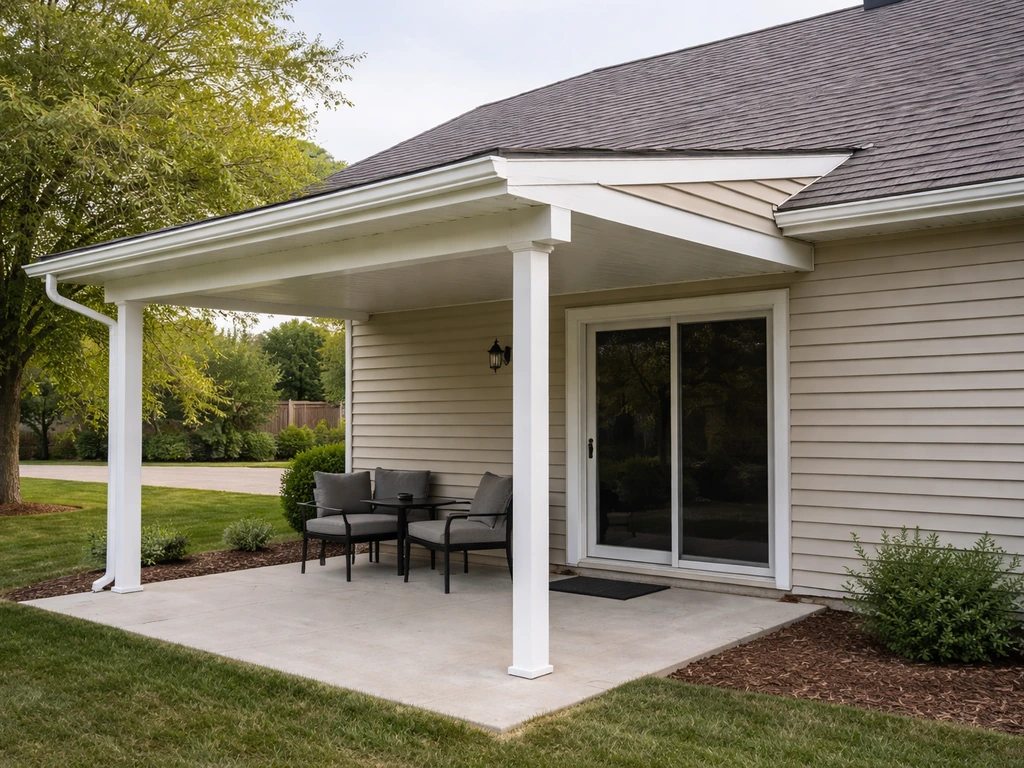
Yes, a covered patio can increase your home's value, but the honest answer is: it depends on how it's built, what your local market expects, and whether the project was permitted. A well-designed, properly permitted covered patio attached to the home typically adds somewhere between 50% and 80% of its cost back in appraised value, with strong markets and high-quality builds occasionally hitting dollar-for-dollar returns. A cheap pergola kit bolted to a slab in a market where buyers don't care about outdoor living? Much less. Knowing which situation you're actually in is the real work, and that's what this guide is for.
Does a Covered Patio Increase Home Value? ROI Guide

Miles Hart
30 May 2026
What actually drives the value a covered patio adds
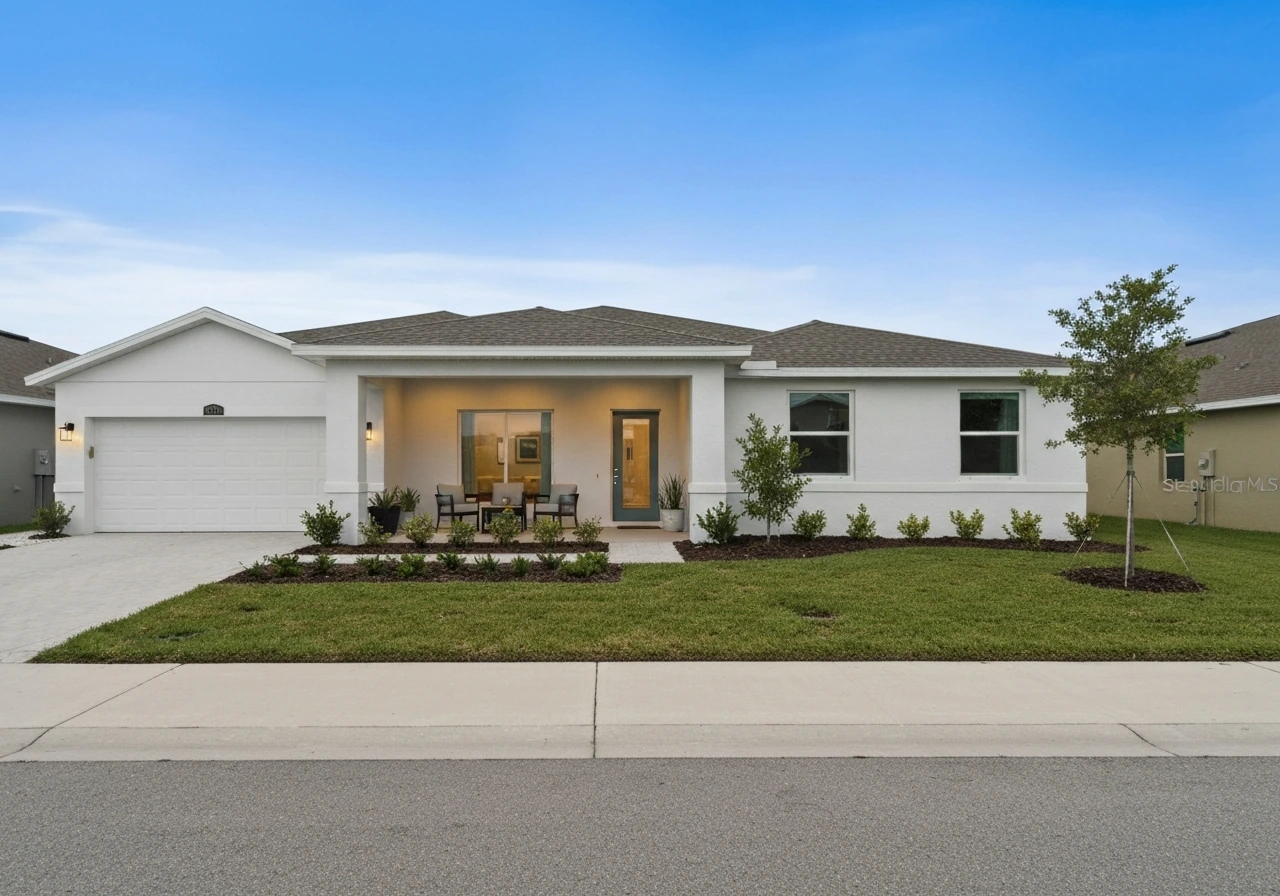
The number one factor is your local market. In warm-weather states like Arizona, Texas, Florida, and Southern California, covered outdoor living space is practically expected. Buyers in Phoenix or Austin are actively looking for a shaded patio. In a cold-weather market like Minneapolis or Buffalo, the same structure might be seen as a nice bonus rather than a must-have, and appraisers will treat it accordingly. Before you commit to a big project, spend 30 minutes looking at local listings to see how often covered patios appear and how prominently sellers are marketing them. That tells you a lot about how buyers there actually value them.
After market, these are the factors that move the needle most:
- Integration with the home: A covered patio with a roofline that ties into the main structure reads as part of the house, not an afterthought. Appraisers and buyers both respond to this. A detached freestanding structure or a bolt-on aluminum awning carries far less weight in a valuation.
- Materials and quality: Solid-poured concrete or natural stone pavers, insulated aluminum or cedar-beam roofing, and weather-treated posts all signal durability. Thin lattice covers, lightweight polycarbonate panels, and pressure-treated 4x4 posts signal budget construction.
- Size and proportion: A 10x12 cover that barely fits a bistro table doesn't transform outdoor living. A 16x24 covered area that seats a full dining set and still has lounging room? That's a meaningful addition. Most buyers are looking for at least 200 to 300 square feet of usable shaded space before it registers as a real value-add.
- Permits and inspections: This one is non-negotiable from a valuation standpoint. A permitted covered patio has documentation that supports its inclusion in the appraisal. An unpermitted one can actually create problems at closing, and some buyers will negotiate the cost of bringing it up to code or removing it.
- Condition and maintenance: A covered patio with peeling paint, rotting beams, or a sagging roof hurts your sale. Buyers and appraisers deduct for deferred maintenance. If it's not in good shape, it's not an asset.
Realistic ROI ranges and how to estimate yours
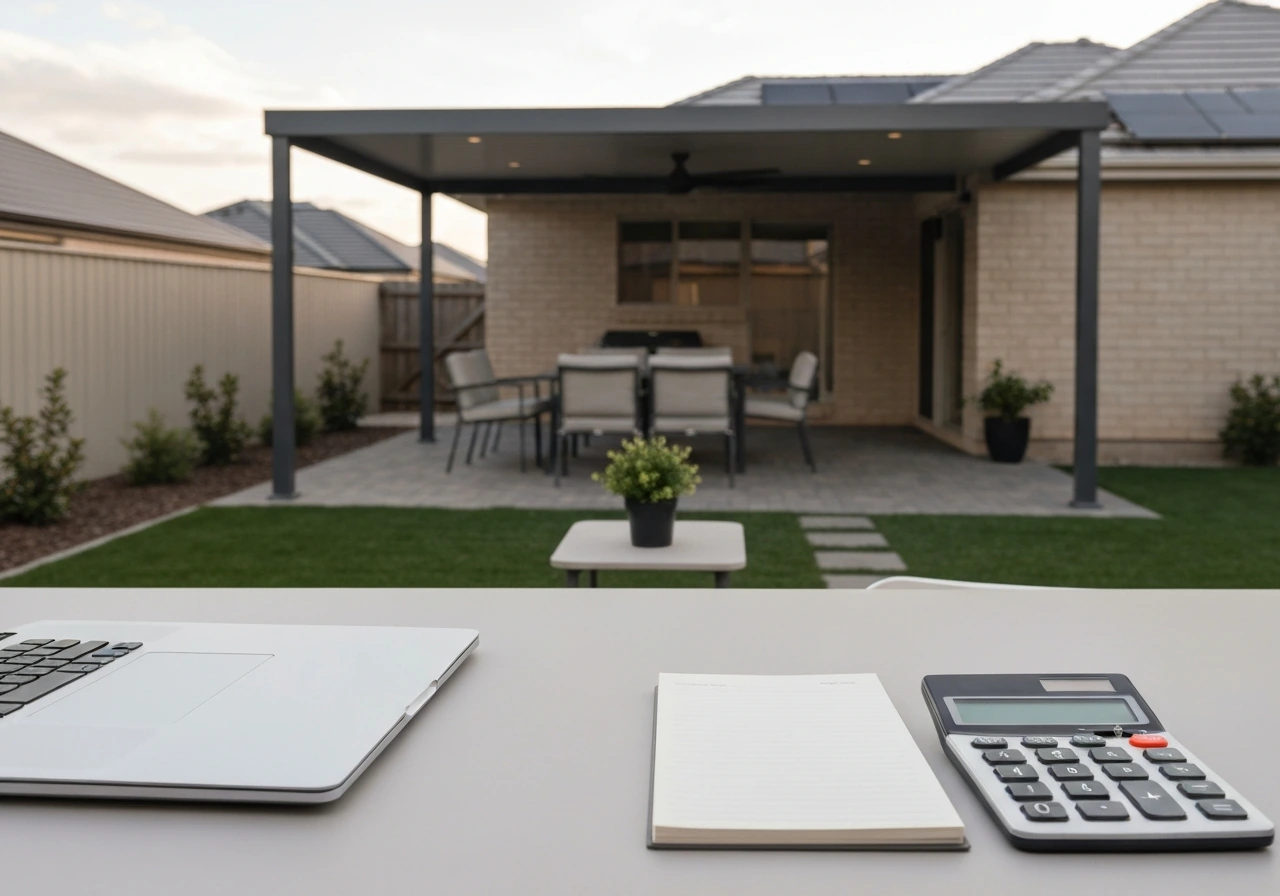
The Remodeling Magazine Cost vs. Value report and Appraisal Institute research consistently show that outdoor improvements offer some of the strongest ROI of any home project, with wooden deck additions regularly returning 60% to 80% of cost. Covered patios and patio covers sit in a similar range, though with more variance because they span a wider quality and cost spectrum. Here's a practical framework based on project type and quality tier:
| Project Type | Typical Cost Range | Estimated Value Added | Approximate ROI |
|---|---|---|---|
| Basic aluminum patio cover (attached, 12x16) | $3,000 - $6,000 | $2,000 - $4,500 | 50% - 70% |
| Mid-range insulated aluminum cover with lighting | $8,000 - $15,000 | $6,000 - $11,000 | 65% - 75% |
| Wood beam / solid roof attached patio cover | $12,000 - $25,000 | $9,000 - $20,000 | 70% - 85% |
| High-end outdoor room with ceiling fans, built-ins | $25,000 - $60,000+ | $17,000 - $45,000 | 60% - 80% |
| Freestanding pergola or detached structure | $5,000 - $20,000 | $2,500 - $10,000 | 40% - 60% |
To estimate your own likely return, start with your project cost and apply a conservative 60% multiplier. That gives you a floor. Then look at three to five recent comparable sales in your neighborhood that had covered patios and compare their sale prices to similar homes without them. The difference in adjusted sale prices is your best real-world data point. A local real estate agent who knows your neighborhood can pull this for you in an afternoon, and it's worth doing before you finalize your project budget.
Features that boost perceived value vs. ones that quietly hurt it
Features that tend to add real perceived value
- Solid, weather-resistant roofing: Insulated aluminum panels, corrugated metal, or tile that matches the home's existing roof all communicate permanence and function.
- Ceiling fans and recessed lighting: These extend the usable hours of the space and signal that the patio was designed for real use, not just aesthetics.
- Concrete or paver flooring: A well-laid concrete slab or natural stone paver base holds up and looks intentional. It reads as part of the home.
- Privacy features: Lattice side panels, planted screens, or pergola curtains add appeal, especially in dense neighborhoods.
- Outdoor kitchen rough-ins: Even just a gas stub-out or electrical circuit pre-wired for an outdoor kitchen adds meaningful buyer appeal in markets that value outdoor entertaining.
- Integrated drainage and gutters: These protect the structure and the home's foundation, and they signal that the builder thought through the project properly.
Features and choices that can reduce value or create problems
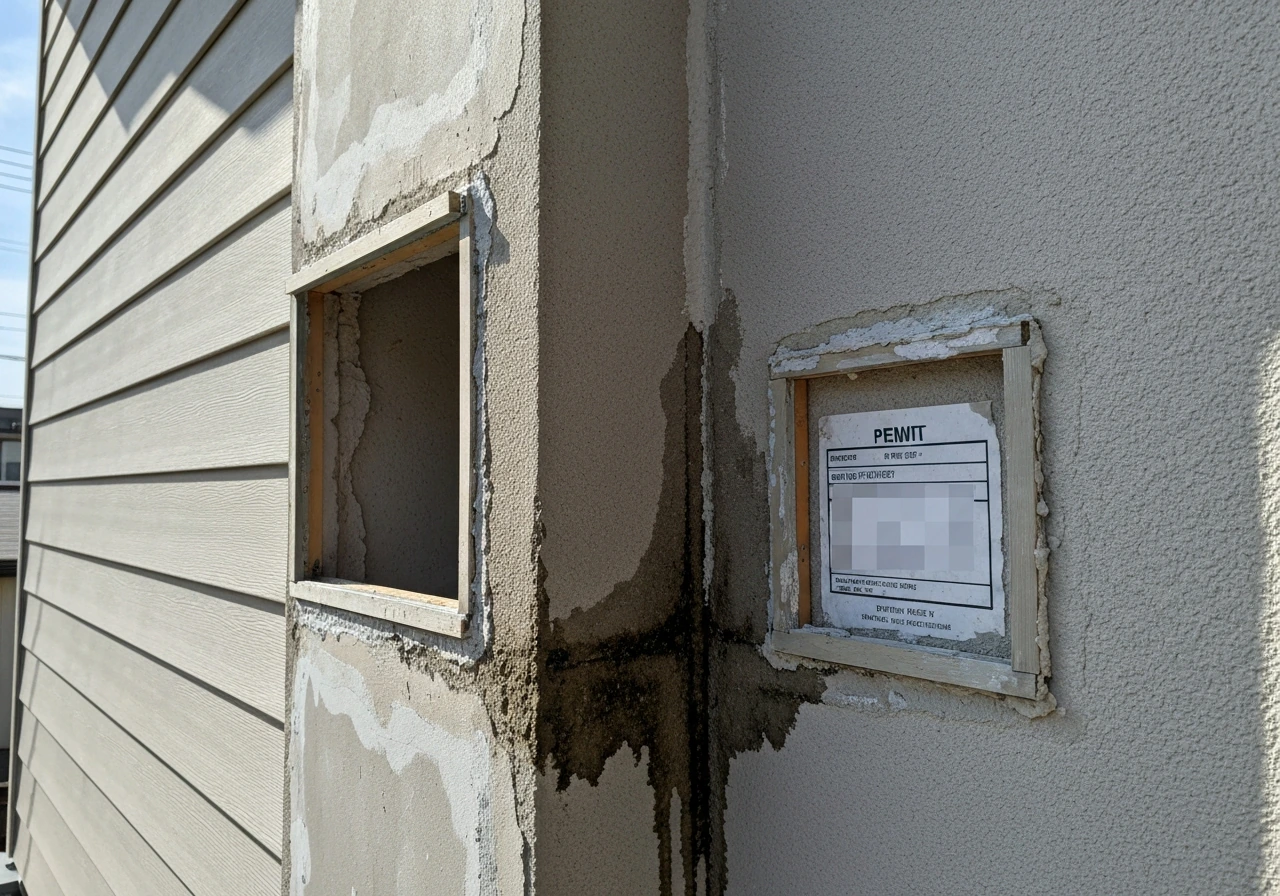
- Unpermitted construction: This is the biggest single risk. It can delay or kill a sale, result in required removal, or become a negotiating point that costs you more than the project was worth.
- Low-quality roofing materials: Thin polycarbonate panels that yellow and crack, or corrugated fiberglass that fades, look cheap and need replacement. Buyers notice.
- Proportionally tiny covers: A 10x10 cover on a large patio or a large home looks like an afterthought and doesn't create the functional outdoor room buyers want.
- Poor drainage away from the home: If the patio cover funnels water toward the foundation, that's a structural red flag for inspectors.
- Design that clashes with the home: A rustic cedar beam cover on a modern stucco home, or a sleek aluminum structure on a traditional colonial, can hurt curb appeal rather than help it.
- Overcapitalization for the neighborhood: If your covered patio project costs $40,000 and the comparable homes in your area sell for $280,000, you are unlikely to recoup that investment. The neighborhood sets a ceiling on what buyers will pay.
Covered patio vs. deck, porch, and uncovered patio: which adds more value?
This is one of the more common debates homeowners run into when planning an outdoor project, and there is no universal answer. Each structure type appeals to a different buyer profile and fits different climates. That said, here's how they typically compare from a value and buyer-appeal standpoint:
| Structure Type | Typical ROI Range | Best Climate Fit | Buyer Appeal | Key Limitation |
|---|---|---|---|---|
| Covered patio (attached) | 60% - 85% | Sun belt, rain-prone markets | High where outdoor living is expected | Lower value in cold markets |
| Wood deck (uncovered) | 60% - 80% | Temperate, four-season markets | Broad national appeal | Maintenance cost concerns |
| Covered porch / screened porch | 50% - 75% | Southeast, humid climates | Very high in specific markets | Less versatile in dry climates |
| Uncovered concrete patio | 30% - 60% | All climates | Baseline expectation in many markets | Adds less than covered versions |
| Freestanding pergola | 40% - 60% | Mild, low-rain climates | Aesthetic appeal, lower function | Limited weather protection |
A covered patio tends to outperform an uncovered patio almost everywhere, simply because weather protection extends the functional season and the usable hours of the space. Whether it beats a deck depends on your region. In the Southwest, a covered patio often wins. In New England, a quality deck may return more because buyers there are less likely to prioritize shade and more likely to want a wood deck for warm-weather use. If you're comparing these options in detail, the choice between a deck and a covered patio is worth its own analysis based on your specific yard layout, budget, and buyer demographic.
Costs, DIY vs. contractor, and getting the most value for your build
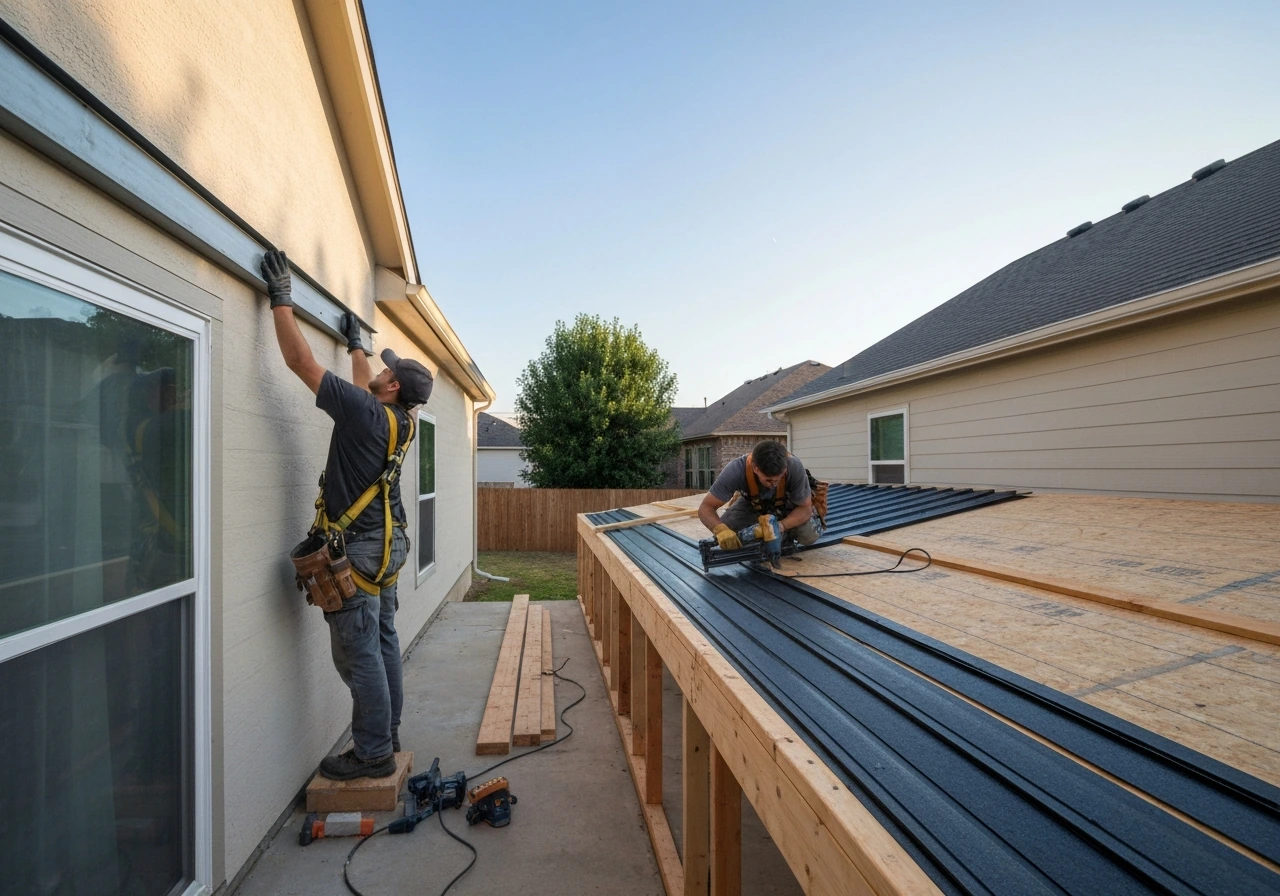
Covered patio costs vary widely depending on the roof type, materials, size, and whether you hire a contractor or do it yourself. As a rough guide: a basic attached aluminum patio cover runs $15 to $35 per square foot installed by a contractor. A solid-roof wood-frame structure with insulated panels can run $40 to $75 per square foot. High-end outdoor room builds with custom stonework, built-in lighting, and premium materials can exceed $100 per square foot. For a 200-square-foot cover, that's a range of roughly $3,000 on the low end to $20,000 or more at the high end for contractor-built projects.
DIY is absolutely an option for some project types, and it can improve your ROI by cutting labor costs (which often represent 30% to 50% of total project cost). Prefabricated aluminum patio cover kits from manufacturers like Palram, Stratco, or local building supply stores are designed for homeowner installation and come with instructions and pre-cut components. A reasonably handy homeowner with basic carpentry experience can install a 12x16 aluminum attached cover in a weekend with one helper. Where DIY tends to fall short: anything involving structural attachment to the home's framing, electrical work, or footings that require permits and inspections. Those stages benefit from licensed contractor involvement, both for safety and for keeping the project permitted and documentable.
For value-focused builds, the best formula is: spend on materials, save on labor where you legally can. That means using quality roofing panels and proper post hardware, but handling the concrete pour yourself if you're comfortable with it, or doing the finish work (painting, trim, lighting installation) after a contractor frames the structure. Always pull permits. The permit fee is typically $100 to $500, and it's the single best investment you can make to protect your project's value at resale.
A note on insulated patio covers specifically
Insulated aluminum patio covers are worth calling out because they sit in a sweet spot of durability, cost, and function. They block heat more effectively than standard aluminum panels, they look finished and intentional, and they hold up in both rain-heavy and sun-heavy climates. They cost more than basic lattice or flat-panel covers, but the premium is usually worth it from a value standpoint because buyers perceive them as a permanent, quality addition rather than a temporary fix.
How to validate your value estimate and prepare for appraisal or resale
Appraisers use a sales comparison approach to value improvements like a covered patio. Fannie Mae notes that if a different measurement standard is mandated by state law or regulation, the appraisal must identify that standard and explain how it was applied blank" rel="noopener noreferrer">Fannie Mae appraisal guidelines require appraisers to document and report amenities. They look at recent comparable sales in your area and adjust for differences between the comps and your home, including the presence or absence of a covered patio. This means the value an appraiser assigns to your patio is anchored in what buyers in your market have actually paid for homes with similar features. The blank" rel="noopener noreferrer">Fannie Mae appraisal guidelines require appraisers to document and report amenities like patios and decks in the Uniform Appraisal Dataset fields, which means a properly permitted and documented patio will be picked up and compared against comps systematically, rather than being ignored.
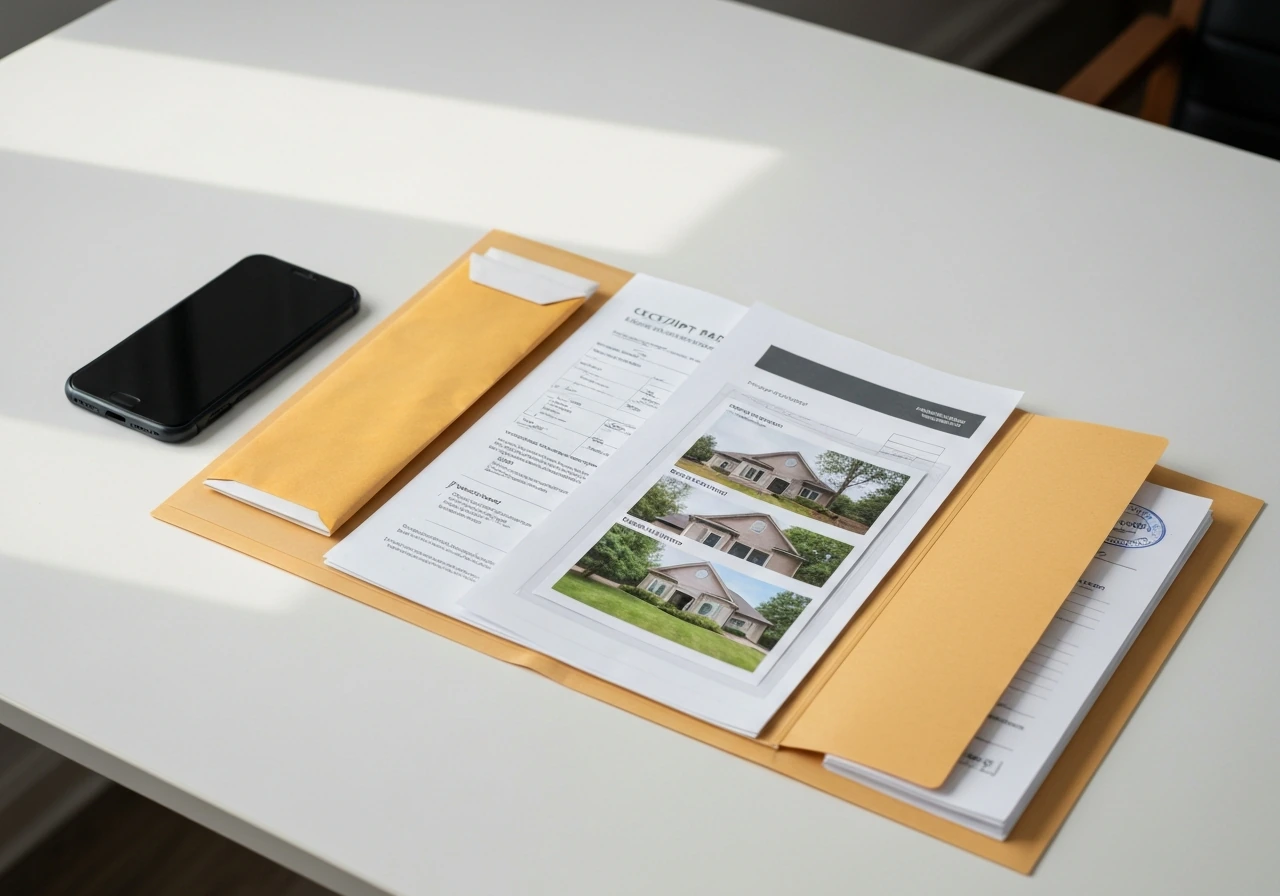
To make sure your project gets full credit in an appraisal or buyer negotiation, document everything from the start. Here's what to keep in a folder:
- Building permit and final inspection sign-off: This is the most important document. Keep both the permit application and the final approval.
- Contractor invoices and receipts: These establish cost, which appraisers use as a ceiling when assessing value. They also show materials and quality.
- Before-and-after photos: Take wide shots of the yard before construction and detailed photos of every stage, including framing, roofing, and finished product. Photos of the foundation/footings are valuable because buyers and inspectors can't see them later.
- Material specifications and warranties: Product spec sheets for roofing panels, post hardware, and any structural components. If materials carry a 20-year warranty, document it. It's a selling point.
- Survey or site plan showing the structure: Especially useful if the patio cover is close to property lines, where setback compliance may come up during a sale.
- Any HOA approval letters: If you're in an HOA community, approval documentation proves the structure is compliant, which removes a potential buyer objection.
When you're getting close to listing, ask your real estate agent to pull comps specifically filtered for covered patios or outdoor covered structures. Ask them to show you the adjusted values appraisers have assigned to those features in your ZIP code. If the comps show a consistent $8,000 to $12,000 premium for covered patios on homes similar to yours, that's a realistic range to expect. If you can't find comps with covered patios, that's a signal that the feature may not be as valued in your specific market as you thought.
Finally, be honest with yourself about the difference between financial return and personal value. A covered patio might add $10,000 to your appraised value while costing you $14,000 to build. If you're weighing a deck against a covered patio, the market and buyer expectations usually determine which one adds more value does a deck or patio add more value. That's not a loss if you use it for five years before selling. The lifestyle value of a shaded outdoor space you actually enjoy is real, even if it doesn't show up dollar-for-dollar at closing. The projects that tend to go wrong are the ones built purely for resale value on a tight timeline without checking local comps first. If you're doing this right, the patio adds both livability now and value later.
FAQ
Will a covered patio increase home value if I install it as a DIY project?
It can, but only if it becomes part of the property in a way appraisers and buyers recognize. If it is fully attached (posts or engineered anchors), built with permits where required, and matches the structure type that exists on other nearby “covered patio” listings, it is more likely to be treated as value. If it is removable or built like a temporary shade structure, it may be viewed as a non-permanent improvement and contribute less to appraisal adjustments.
Do covered patios always increase value dollar-for-dollar with their cost?
Yes, but the appraisal often credits the patio only to the extent it is similar to what comps show. If your design is much larger, uses premium features that are uncommon nearby, or creates a different “outdoor room” type than most covered patios in your ZIP code, the appraiser may give partial credit. That is why your best dataset is 3 to 5 recent nearby covered-patio sales, not just deck or pergola comparisons.
What kinds of covered patio installations are most likely to require permits?
In many jurisdictions, you still need a permit if the patio cover changes the load paths, ties into the home’s framing, adds posts that require footings, or includes electrical (lighting, fans, outlets). Even if the permit fee is modest, failing the permit process can reduce resale appeal, complicate refinance or closing, and cause appraisers to ignore or downplay the improvement.
How can I tell if my local market actually values covered patios before spending money?
Start by checking whether buyers in your area actually market “covered outdoor living” as a must-have feature. A quick way is to scan active and sold listings for phrases like “covered patio,” “patio cover,” or “outdoor living room,” then note whether photos show it as a primary selling element. If it appears rarely in comps, you may still enjoy the patio but should not assume strong value impact.
What documentation helps my covered patio get full credit in an appraisal?
Appraisers can miss or reduce credit when documentation is incomplete or the project appears inconsistent with the original construction. Keep copies of permits, inspections, manufacturer specs for materials, engineering paperwork (if applicable), and a simple site diagram showing the attachment method and approximate square footage. When a buyer or appraiser can quickly verify size and construction, your odds improve.
Do lighting, fans, or ceiling outlets on a covered patio affect resale value?
Electrical and plumbing matters because they can change the classification of the improvement and the usefulness of the space. If you add lighting, ceiling outlets, or ceiling fans, make sure those components are installed and inspected per code and recorded in permit documents where required. However, avoid overbuilding upgrades (like high-end built-in kitchens) unless those features are common in your neighborhood, since premium components may not translate into proportional resale value.
What are the most common construction mistakes that reduce the value of a covered patio?
A poor fit can reduce value impact. Common mistakes include choosing materials that warp or discolor fast in your climate, using inadequate structural attachment to the home, undersizing posts or beams, and building drainage that directs water into the house. If the patio makes the nearby wall or walkway feel worse during storms, buyers may discount the feature even if it is covered.
If I already have an uncovered patio, should I convert it to a covered patio or consider a deck instead?
Sometimes, especially if the region prioritizes a specific outdoor use. In colder climates, a covered patio may not extend usable season as effectively as a well-designed deck, and buyers may expect wood decking for summer use. If you are choosing between a deck and a covered patio, compare neighborhood sales for both features, then focus on the one that appears more frequently and sells for higher adjusted prices among similar homes.
Is an insulated aluminum patio cover more likely to increase value than a basic patio cover?
The ROI depends heavily on size, roof style, and roof finish durability. Two patio covers with the same square footage can appraise differently if one looks “finished” (clean edges, appropriate materials, weatherproofing) and the other looks like a basic shade structure. Insulated panels, where appropriate to the climate, often read as a more permanent outdoor room, which can help perceived quality during resale.
Next Article
Does Adding a Patio Cover Increase Property Taxes?
Find out if a patio cover raises property taxes, how assessments work, and what to check before you build.