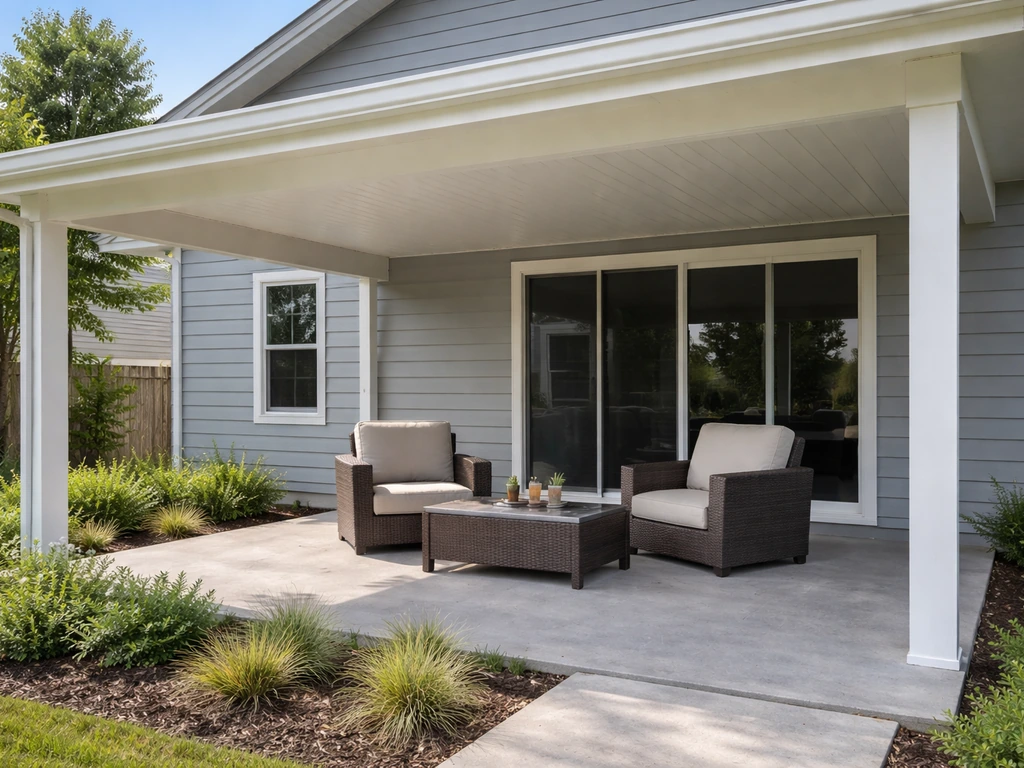
Yes, insulated patio covers are worth it for most homeowners in hot or mixed climates who use their patio regularly, but the math only works if you match the product to your situation. Before you build, keep in mind that changes to assessed value can affect property taxes, so check how local assessors treat patio cover additions. The comfort difference over a non-insulated cover is real and immediate. The energy savings are modest and slow to pay back.
Are Insulated Patio Covers Worth It? Cost, Comfort, and Value

Miles Hart
18 Jun 2026
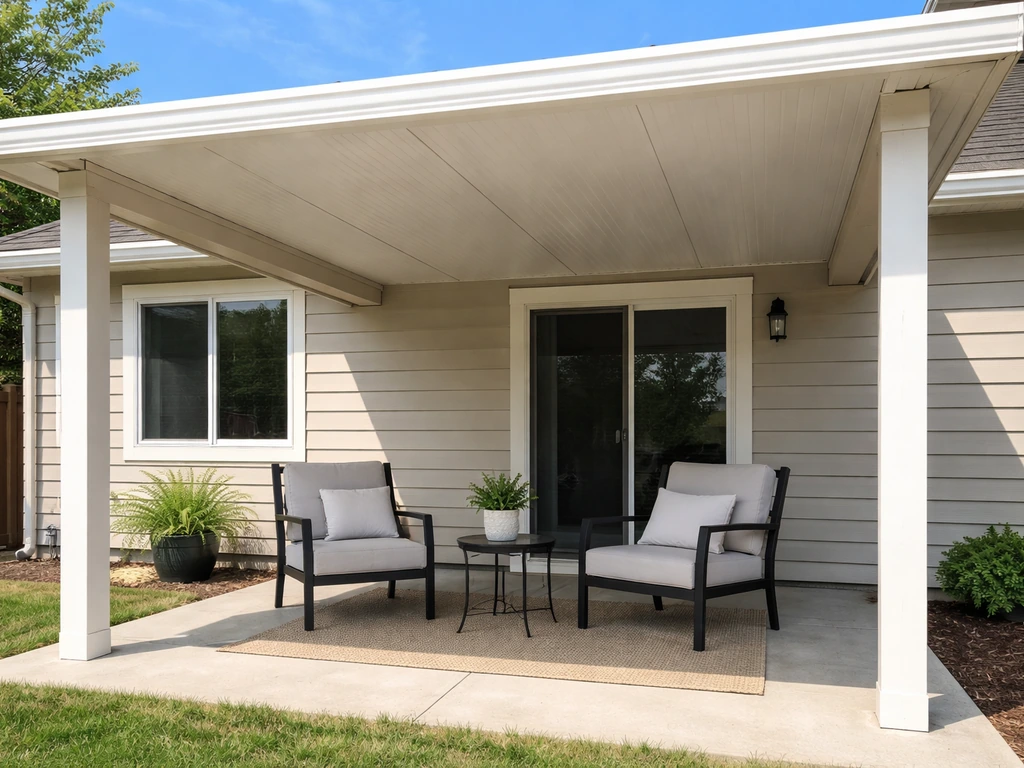
If you're in Phoenix or Houston and you want to sit outside in July without feeling like you're under a heat lamp, insulated is the right call. If you're in Seattle and mostly worried about rain, a standard aluminum cover probably does the job for a lot less money.
What insulated patio covers actually include
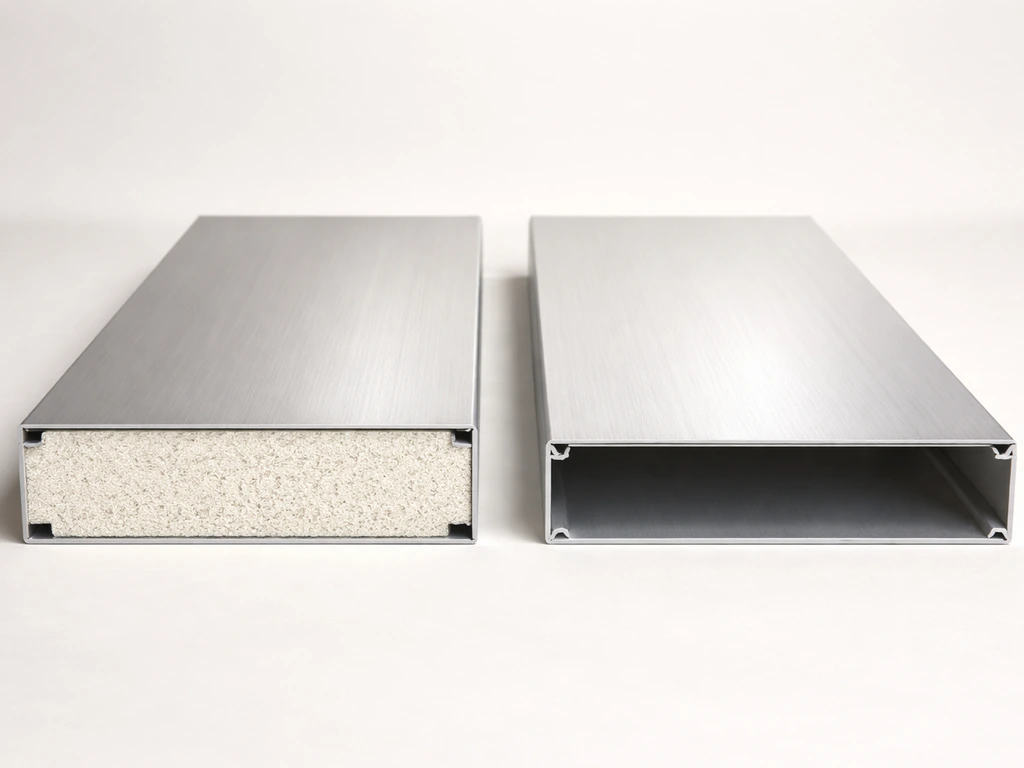
An insulated patio cover is a rigid overhead panel system built as a sandwich: two aluminum skins bonded to a foam core in the middle. That foam core is almost always a high-density polyurethane or polyisocyanurate foam, which gives the panel its thermal resistance. The aluminum skins protect the foam, give the panel structural rigidity, and handle weather on the top side and finished appearance on the underside. Some systems swap the top aluminum skin for OSB sheathing so you can apply shingles over it, which makes the cover look more like a true roof addition from the street.
This is different from a non-insulated patio cover, which is typically a single sheet of aluminum, polycarbonate, wood, or lattice with nothing in between. It's also different from a pergola (open structure, no solid overhead), a standard awning (fabric or thin aluminum, no thermal core), or a full patio enclosure with walls and HVAC. Insulated panel systems sit in the middle of that spectrum: solid overhead coverage with meaningful thermal performance but still an outdoor or semi-outdoor structure.
Most residential insulated patio cover panels come in a range of thicknesses, commonly 2 inches, 3 inches, or 4 inches. Thicker panels mean more foam and a higher R-value. Polyisocyanurate foam runs roughly R-5.6 to R-8 per inch; polyurethane runs R-7 to R-9 per inch. So a 3-inch insulated panel can realistically deliver somewhere between R-16 and R-24 depending on the foam type and density. Some manufacturers integrate a radiant barrier facing on the underside aluminum skin, which adds another layer of heat-gain reduction on top of the conductive insulation.
Comfort gains over non-insulated covers
This is where insulated covers earn their premium. On a hot afternoon, a non-insulated aluminum panel absorbs solar radiation and re-radiates heat downward. You end up sitting under a very expensive heat lamp. An insulated panel with aluminum skins dramatically reduces that radiant heat transfer. Shaded roof systems have shown peak heat gain reductions through the roof of up to 71 to 77 percent compared to unshaded conditions, and an insulated core compounds that effect. The space underneath just feels cooler in a way that shade-only structures can't fully replicate.
Cold-weather performance is a secondary benefit for most homeowners, but it's real. The same insulation that blocks summer heat gain also slows heat loss in cooler months. If you've added patio heaters, a firepit, or a mini-split to your outdoor space, an insulated cover helps that heat linger instead of immediately radiating upward and disappearing. Research on shaded roof assemblies has found nighttime peak heat-loss reductions of up to 33 to 40 percent depending on conditions, which translates to more usable hours in shoulder seasons like March or October.
There's also a meaningful sound control benefit that rarely gets mentioned. The foam-core sandwich panel deadens rain noise significantly compared to a single-skin aluminum or polycarbonate cover. If you've ever tried to have a conversation under a corrugated metal roof during a rainstorm, you already know why this matters.
What it costs and what drives the price
Installed, expect insulated patio covers to run roughly $30 to $60 per square foot in 2026. A 200-square-foot patio cover lands somewhere between $6,000 and $12,000 installed, depending on your region, the panel thickness you choose, and how complex the framing and attachment situation is. Non-insulated aluminum covers typically run $15 to $25 per square foot installed, so the insulated premium is roughly 25 to 35 percent more in most markets.
Several factors push costs toward the higher end of those ranges. Attaching the cover to an existing roofline or a two-story wall requires more engineering than a freestanding structure. Adding electrical for lights or ceiling fans adds $500 to $1,500 depending on how far the run is. Larger spans between posts require heavier beams. Snow load requirements in northern climates may require deeper posts or engineered footings. If your municipality requires stamped structural drawings (which many do for attached covers), add another $500 to $1,500 for engineering.
| Cover type | Typical installed cost (per sq ft) | R-value range | Rain noise | Seasonal usability |
|---|---|---|---|---|
| Insulated aluminum panel | $30–$60 | R-16 to R-24 (3-inch) | Low (foam deadens sound) | 3–4 seasons in most climates |
| Non-insulated aluminum | $15–$25 | Minimal (no core) | High (drumming effect) | 2–3 seasons |
| Polycarbonate panel | $10–$20 | R-1.5 to R-3 (typical) | Moderate to high | 2–3 seasons |
| Wood lattice / pergola | $8–$18 | None | None (open) | 2 seasons |
| Fabric awning | $5–$15 | None | Moderate | 2–3 seasons |
Energy savings and payback: when the numbers actually work
Be honest with yourself here: the energy savings from an insulated patio cover are real but modest. The cover sits over an outdoor or semi-outdoor space, not a conditioned room. Unless your patio is directly adjacent to a wall of windows or a sliding glass door, the insulated cover isn't dramatically reducing your indoor HVAC load.
What it does do is reduce the radiant heat load on that wall of glass in summer, which can meaningfully lower how hard your A/C has to work during peak afternoon hours. In hot, sunny climates like the Southwest or Southeast, that's worth something. If you're still on the fence about whether it’s worth it for your yard and budget, weigh the energy-payback section against the upfront “is a covered patio worth it” decision for context.
A rough way to think about payback: if the insulated cover costs $2,000 to $4,000 more than the non-insulated version for your patio size, and it saves you maybe $100 to $300 per year on cooling costs (a realistic range for a 200 sq ft cover adjacent to a heavily glazed wall in a hot climate), you're looking at a 10 to 20 year payback on the energy-savings piece alone. That's a long time. The payback calculus improves if you factor in how many more hours per year you actually use the patio, which can offset the need for other purchases like misting systems or portable shade structures.
If your primary goal is energy savings, other upgrades like window film, low-E glass, or attic insulation will almost always outperform a patio cover on a dollar-for-dollar payback basis. The insulated cover earns its money through comfort and usability, not utility bill reduction. A deck or patio can add value, but the main impact usually comes from how comfortable and usable the space feels, not just the material upgrade patio cover.
Durability, maintenance, and the moisture problem you need to plan for
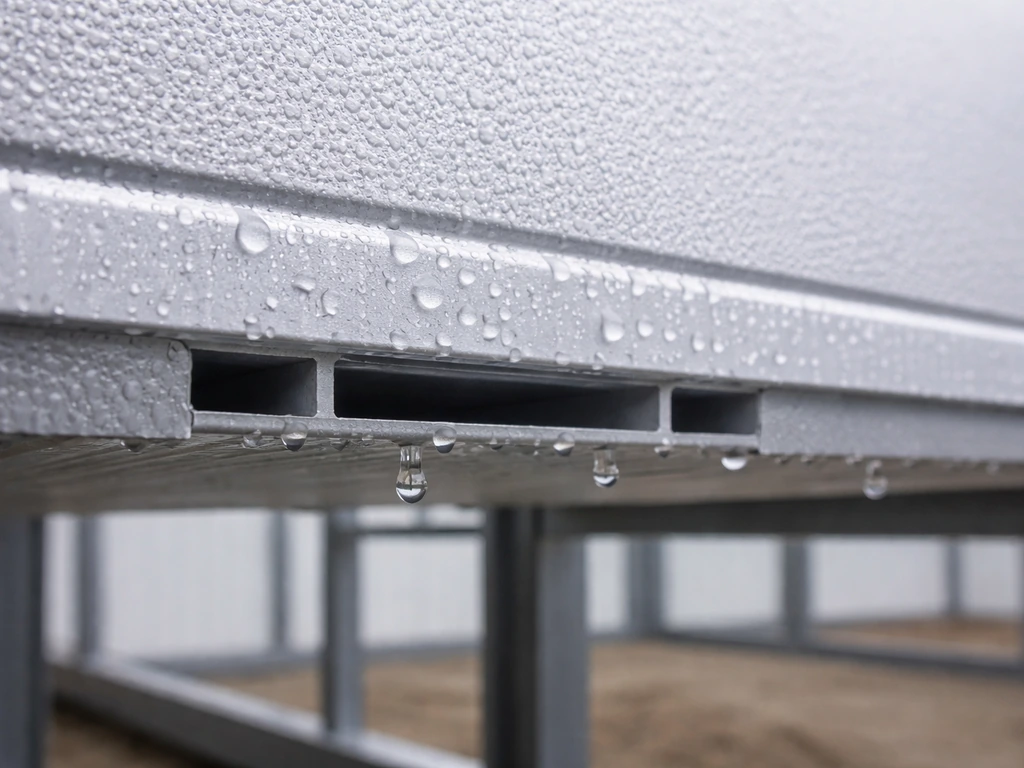
Aluminum-skinned insulated panels hold up well in most climates. The skins won't rot, they resist insects, and they don't need painting. The foam core is protected from UV and moisture by the aluminum faces, so the main durability risks are at the edges and connections: end caps, trim pieces, flashing where the cover meets your house wall, and any penetrations for electrical conduit or ceiling fan junction boxes. These are the spots where water intrusion and eventual delamination start.
Condensation is the real issue that most homeowners don't anticipate. On cool mornings or in mixed climates with significant temperature swings, the [temperature differential between the warm underside of the panel and the cooler outdoor air can cause condensation to form inside the panel assembly or on the underside skin](https://www. metalroofing. com/documents/177/MCARoofingInstallationManual-_Final.
pdf). This is exactly the moisture challenge that building scientists warn about with unvented roof assemblies: if the assembly isn't properly detailed at the edges and penetrations, moisture can migrate in and accumulate over time. A National Laboratory of the Rockies research entry on monitoring unvented roof assemblies likewise emphasizes moisture-safe detailing and the importance of vapor control for exterior moisture and exfiltration management [building scientists warn about with unvented roof assemblies](https://research-hub. nlr.
gov/en/publications/monitoring-of-unvented-roofs-with-fibrous-insulation-diffusion-ve/). For most residential aluminum patio cover systems, the panels are factory-sealed, so internal moisture isn't usually a problem. The risk is at the field cuts, end caps, and where panels join.
From a maintenance standpoint, plan to inspect end laps, ridge trim, and any wall flashing every two years after the first five years in place. Look for lifted caulk, separated trim, and any staining that suggests water is tracking where it shouldn't. Re-caulking trim joints is a 30-minute annual task that prevents most moisture issues before they become structural ones. Warranties on insulated panel systems often exclude corrosion from drainage issues or exposure failures, so keep those joints sealed.
Is an insulated cover right for your situation?
Run through this checklist before you decide. It's not about checking every box; it's about knowing which factors apply to your situation.
- Climate: Hot summers (average high above 85°F from June through August) are the single strongest argument for insulated. Mixed climates with cold winters also benefit if you heat the patio space. Mild or rainy-only climates see the smallest return.
- Sun exposure: A west- or south-facing patio that gets direct afternoon sun will see the biggest comfort difference with insulation. A north-facing or already-shaded patio gains much less.
- Patio usage: If you entertain regularly or kids and pets live out there, the comfort improvement translates directly to more hours of use. If you use the patio occasionally, the premium is harder to justify.
- Adjacent glazing: If a large sliding door or wall of windows faces the patio, an insulated cover blocks more radiant load on that glass and gives your A/C measurable help.
- Patio size: Larger patios (200+ sq ft) have a better cost-per-square-foot story for insulated systems because many installation costs are fixed regardless of size.
- Existing heating or cooling on the patio: If you've already added or plan to add a ceiling fan, patio heater, or mini-split, insulation makes those systems more effective and efficient.
- Budget: If the premium between insulated and non-insulated is $3,000 or more for your project, make sure the comfort improvement is actually a priority for you, not just a nice-to-have.
- HOA and permit environment: Some HOAs require materials that match existing roof color or profile. Insulated aluminum panels are available in many colors but confirm compatibility before committing.
How to compare quotes and specifications
Contractor quotes for patio covers are notoriously hard to compare because they often describe materials vaguely. Here's what to ask for specifically so you're comparing apples to apples.
- R-value of the panel system: Ask for the tested R-value of the panel at the specified thickness, not just the foam's per-inch rating. The assembled panel R-value accounts for both skins and any facing materials. If the contractor can't tell you the R-value, that's a red flag.
- Panel thickness and foam type: 2-inch, 3-inch, or 4-inch? Polyurethane or polyisocyanurate? Thicker panels with higher-density foam cost more but perform better. Know what you're getting.
- Waterproofing and drainage plan: How does water drain off the panel? What trim and flashing details are used where the cover meets your house wall? Ask to see the flashing spec or a detail drawing.
- End cap and panel joint sealing: Are factory end caps used or field-fabricated? Are panel joints sealed with manufacturer-supplied tape or butyl sealant? Field improvisation here is a common source of moisture problems.
- Condensation management: Ask whether the panel system has any provision for moisture management on the underside in your climate. In humid climates especially, this matters.
- Structural load rating: Confirm the system is rated for your local live load requirement. California's code, for example, requires a minimum 10 psf vertical live load for patio covers. Your contractor should know your local equivalent.
- Warranty terms and exclusions: Get the warranty in writing. Look specifically for exclusions related to corrosion from drainage, UV exposure, and field modifications. Manufacturer warranties on insulated panels typically run 10 to 25 years but vary widely on what's actually covered.
- Permit inclusion: Confirm whether the quote includes permit fees and any required engineering drawings. If it doesn't, those costs will be added separately.
DIY vs. pro installation, permits, and HOA
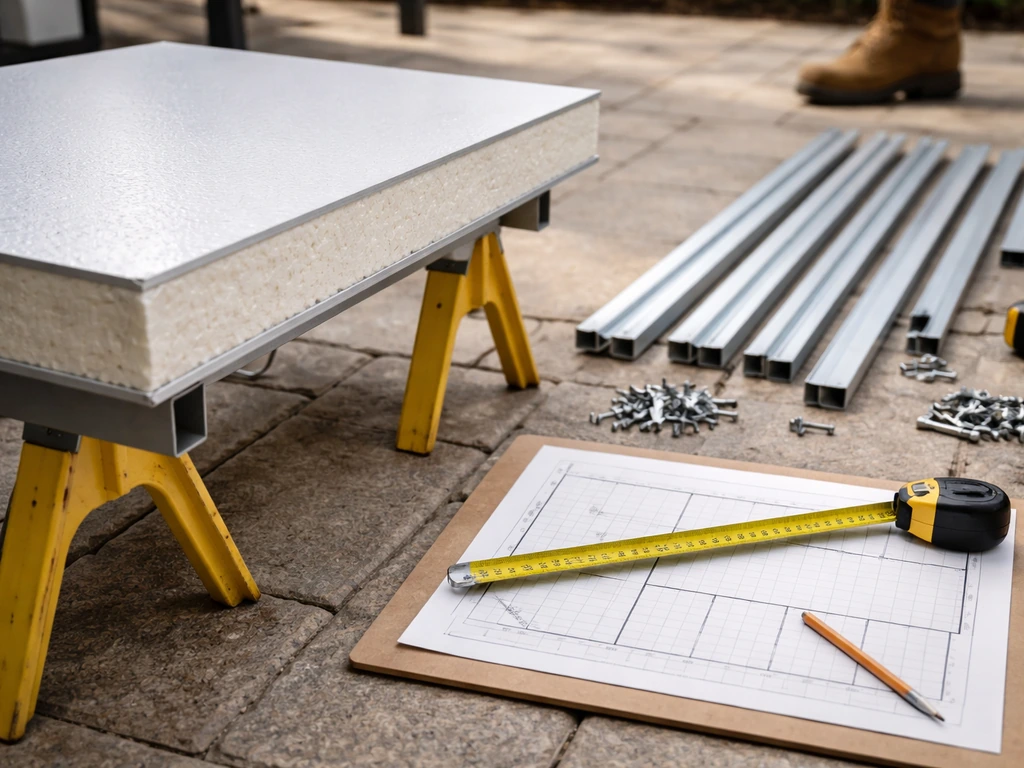
Insulated patio cover panels are heavy and unwieldy. A 4-inch, 12-foot panel can weigh 80 to 100 pounds and requires at least two people to handle safely. The panel installation itself is manageable for an experienced DIYer, but the framing, post footings, and ledger attachment to your house are where mistakes get expensive. If the cover is attached to your house structure (which most are), a bad ledger connection is a structural liability and a moisture intrusion point. For most homeowners, professional installation is the right call for attached insulated covers.
Freestanding insulated covers on simple post systems are more DIY-friendly, especially if you're working from a manufacturer kit with pre-engineered components. Even then, local code may require inspections on the footing depth and post embedment.
On permits: most jurisdictions require a building permit for any attached patio cover, and many require one for freestanding covers over a certain size (often 200 sq ft). The permit process typically requires a framing plan showing dimensions, post sizes, beam specs, footing design, and how the cover attaches to the existing structure. Douglas County, Colorado, for example, explicitly requires structural framing plans and ledger attachment details. San Diego confirms that some smaller projected roof areas may be exempt, but that's the exception, not the rule. Don't skip permits to save a few hundred dollars; unpermitted structures can create problems at resale and complicate homeowner's insurance claims.
If you're in an HOA, get written approval before you pull permits or sign a contractor agreement. Many HOAs require materials and colors that match or complement the existing home exterior, and some have restrictions on cover styles entirely. Getting this approval first saves you from a situation where you've permitted and built something your HOA orders you to modify or remove.
The question of whether a covered patio increases your property taxes is worth checking with your local assessor's office as well, since some jurisdictions reassess after permitted additions. If you are wondering whether a covered patio increases home value, the answer usually depends on how much usable living space it adds and whether the improvement is permitted and well built.
The bottom line is straightforward: if you use your patio in the heat, have decent sun exposure, and the premium between insulated and non-insulated is in the range of $2,000 to $5,000 for your project, the comfort improvement alone is likely worth it over the life of the cover. If you're in a mild climate and mainly protecting the patio from rain, save the money and put it toward the project itself. Get quotes that include R-value specs, drainage details, and warranty terms in writing, and you'll have everything you need to make a confident decision. A covered patio can also impact resale value, especially when it improves comfort, usability, and curb appeal covered patio increase home value.
FAQ
How do I tell if an insulated patio cover is the right choice for my climate, not just my region?
Look at your specific sun exposure and temperature swings. If your patio gets strong afternoon sun and you regularly sit there in summer, insulation helps most. If your issue is mostly light rain or you use the patio mainly in the mornings or evenings, the comfort benefit may be smaller and a non-insulated cover or shade solution could be the better fit.
Does insulation meaningfully reduce my indoor A/C costs if the patio is close to windows?
It can reduce peak radiant heat hitting nearby glazed walls, but it usually will not lower whole-house HVAC energy dramatically because the cover is not conditioning the air. The biggest savings opportunity is when the patio is directly adjacent to heavily glazed areas and receives intense sun, so compare your likely savings against other options like window film before assuming the cover will pay itself back quickly.
What size and thickness of insulated panel should I choose, 2-inch versus 3-inch versus 4-inch?
Choose based on how much comfort gain you need versus the incremental cost and structural limits. Thicker panels raise the R-value roughly proportionally, but the step from 2 to 3 inches often provides a noticeable difference while 4 inches can be overkill for many residential patios unless you have high sun exposure, longer sessions outdoors, or a tougher temperature profile where shoulder-season comfort matters.
Will condensation inside the insulated panels happen in my area, and should I worry about it?
Condensation risk is highest at field cuts, end caps, and panel seams where moisture can find a path in if detailing is poor. Factory-sealed panels usually manage internal moisture well, but you should require the contractor to use proper flashing and sealing at edges and penetrations, then inspect and re-caulk those joints on your planned schedule.
Can I add ceiling fans, lights, or a heater under an insulated patio cover?
Yes, but penetrations create more places for water intrusion and air leakage. Ask for a sealed method for running conduit and for a plan that includes flashing sleeves or approved sealing at every penetration. Also confirm the mounting approach accounts for the panel weight and any localized structural reinforcement.
Are insulated patio covers safe in areas with snow or high wind, and what changes?
Often they require heavier framing, deeper posts, or engineered footings depending on loads. Don’t assume the panel alone is the solution, the structure is. Your permit set and engineering should specify snow load and wind resistance, and you should verify the attachment detail to your house can handle those loads without creating a moisture-prone ledger connection.
What maintenance is actually worth doing, and what can I skip?
Prioritize sealing and inspection at the trouble points: trim joints, end laps, ridge or cap pieces, and the wall flashing where the cover meets the house. Annual re-caulking of accessible seams usually prevents many issues early. More intrusive actions like panel replacement are rarely needed if those interfaces stay sealed, so you can focus maintenance effort where water actually starts problems.
How long do insulated patio covers typically last before problems show up?
In most climates, the aluminum skins resist rot and insects, so failure usually starts at edges, trim, flashing, and penetrations rather than the foam core in the field. If the contractor details and your upkeep on joints are solid, the system can last many years, but once water intrusion begins at seams, delamination and corrosion risks increase, so inspection timing matters.
What should I ask contractors to include so quotes are truly comparable?
Insist on written R-value or panel specs (including foam type and thickness), a drainage and flashing plan at the house wall, and a list of exactly where and how they will seal end caps, seams, and penetrations. Also ask for warranty terms that specify exclusions related to water intrusion or failed sealing, and request that engineering or stamped drawings be included when required.
Is DIY installation realistic for an insulated patio cover?
Freestanding kits can be DIY-friendly for some homeowners, but attached insulated covers are where mistakes become structural and moisture issues. Because panels are heavy and the ledger attachment is both safety-critical and a common leak point, most homeowners should hire pros for attached systems even if they do other parts like landscaping or painting trim.
Do I need a permit for an insulated patio cover, and will unpermitted work cause problems?
Many jurisdictions require permits for attached patio covers and often for larger freestanding covers. Skipping permits can complicate resale, delay insurance claims after damage, and lead to forced removal or retrofits. Ask the contractor to confirm your local permit requirements in writing before work starts, and make sure the final installed condition matches the permit drawings.
Will adding a covered patio increase my property taxes or create reassessment issues?
It can, depending on how your assessor treats permitted improvements. The safest approach is to contact your local assessor or building department before you sign, ask whether permitted patio covers trigger reassessment, and confirm if value changes depend on attachment method, square footage, or whether the cover is considered a roof addition.
Next Article
Is a Covered Patio Worth It? Cost, ROI, and Alternatives
See if a covered patio is worth it with costs, ROI, maintenance, permits, and comparisons to deck, pergola, porch, and s