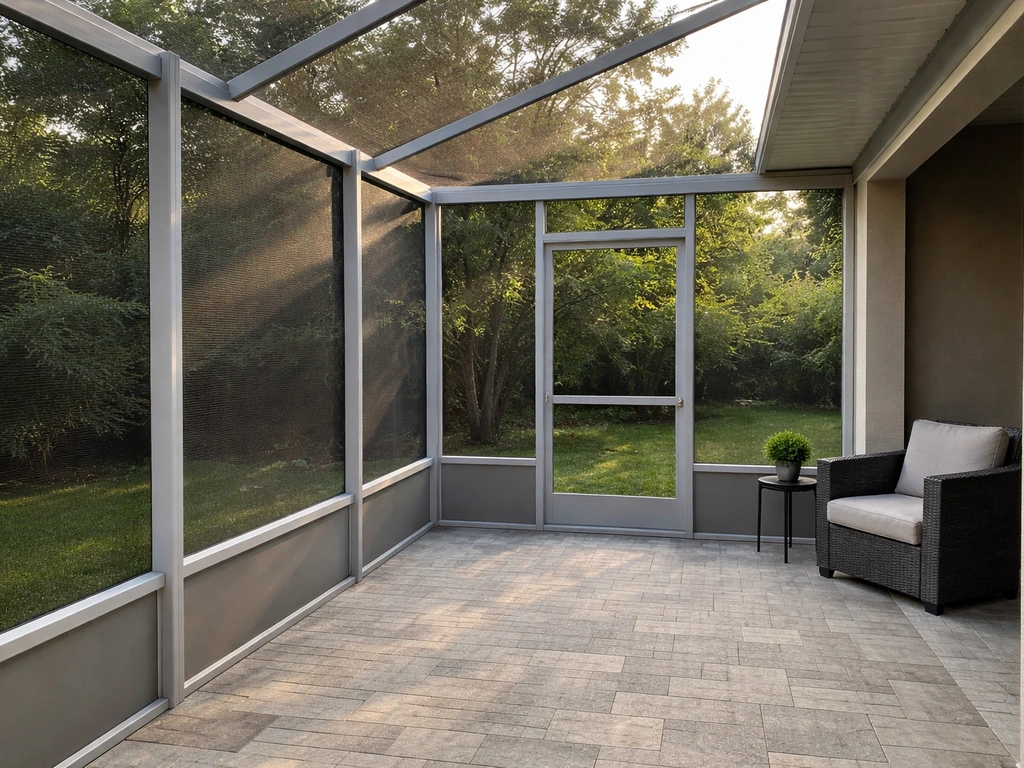
Most homeowners pay between $5,000 and $30,000 to enclose a patio, depending on what 'enclosed' actually means for their project. blank" rel="noopener noreferrer">A basic screened-in enclosure on a 200 sq. ft. slab runs $2,000 to $5,000. A mid-range aluminum-and-glass three-season room on the same footprint climbs to $15,000 to $25,000. A fully insulated, climate-controlled four-season enclosure on 300 sq. ft. can easily reach $60,000 to $120,000 or more. The single biggest variable is not the size of the space, it is how fully you want to seal and condition it.
How Much for an Enclosed Patio Cost Breakdown

Miles Hart
23 Jun 2026
What 'Enclosed Patio' Actually Means
The term covers a wide spectrum, and contractors price these very differently. If you are trying to estimate how much is a patio screen enclosure for your space, start by figuring out the enclosure type and total square footage enclosed patio. Before you call anyone for a quote, it helps to know which category your project falls into.
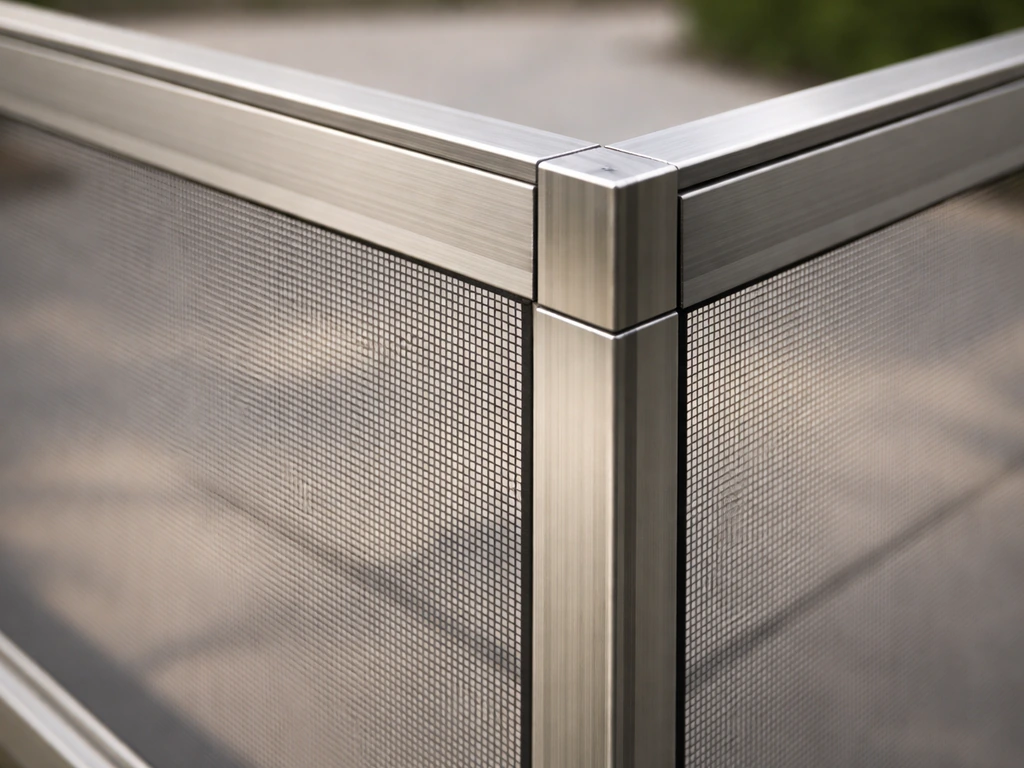
- Screened enclosures: Aluminum or wood framing with fiberglass or aluminum screen panels. No glazing, no insulation. Keeps bugs and light rain out but does not hold heat. This is the entry-level option.
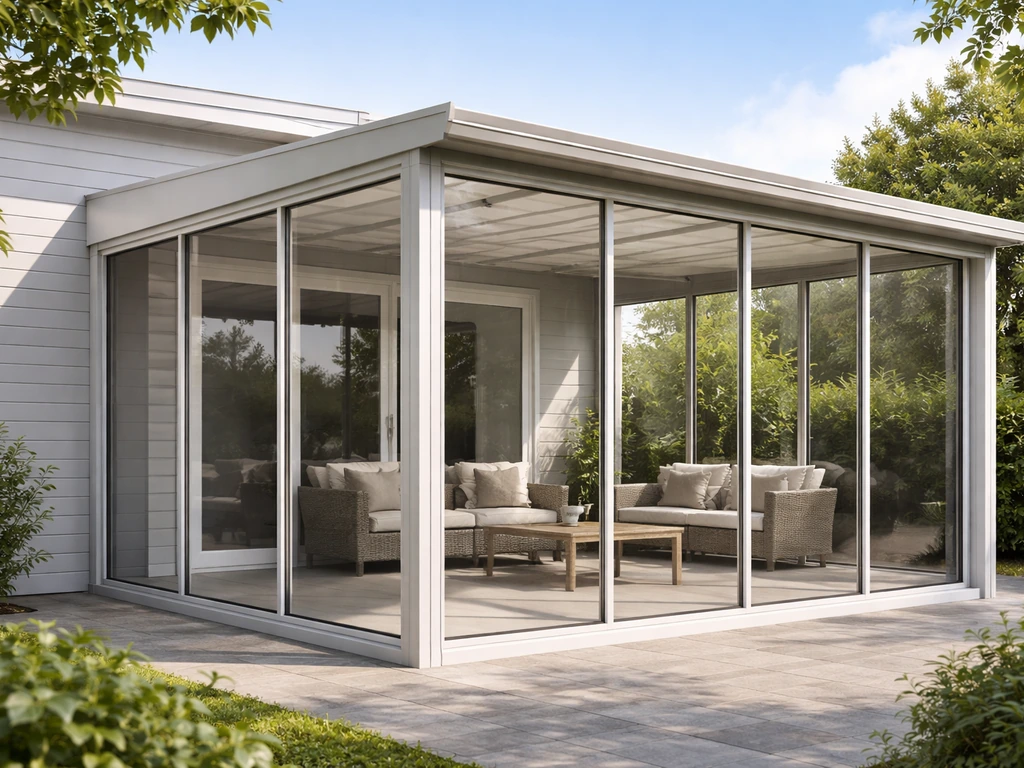
- Three-season enclosures: Aluminum or vinyl framing with single- or double-pane glass or acrylic panels. Usable from spring through fall in most climates. No HVAC hookup, no insulation in the walls or roof.
- Four-season enclosures (insulated sunrooms): Thermally broken aluminum or vinyl frames, double- or triple-pane low-E glass, insulated roof panels, and a full HVAC connection. These function like a room addition.
- Solariums and conservatories: Primarily glass construction including the roof. High-end custom builds with the most glazing and the highest price per sq. ft.
Screened patio costs and patio screen enclosure costs tend to run on the lower end of this spectrum and deserve their own detailed comparison if that is the route you are considering. Full patio enclosure pricing with walls and windows sits in the middle, and a true four-season room is closer to a home addition in both cost and complexity.
Typical Costs and Price Ranges Per Square Foot
Here is where most cost guides get vague. The ranges below are based on installed project costs including labor, materials, and a basic permit, but not a new concrete slab unless noted.
| Enclosure Type | Cost Per Sq. Ft. | Typical Project Range | Best For |
|---|---|---|---|
| Screened enclosure | $50 – $175 | $2,000 – $15,000 | Bug protection, mild climates |
| Three-season (glass/aluminum) | $100 – $350 | $10,000 – $45,000 | Spring/fall use, no HVAC needed |
| Four-season (insulated) | $200 – $400+ | $25,000 – $120,000+ | Year-round conditioned space |
| Solarium/conservatory | $300 – $600+ | $40,000 – $150,000+ | Maximum light, custom design |
The four-season and solarium numbers align with what you see in sunroom addition guides, where three-season rooms typically run $200 to $400 per sq. ft. installed and four-season rooms land between $300 and $600 per sq. ft. once you include proper insulation, thermally broken framing, and HVAC work. If a contractor quotes you $80 per sq. ft. for a 'four-season room,' ask a lot of questions before signing anything.
What Actually Drives the Price Up (or Down)
Materials and framing system
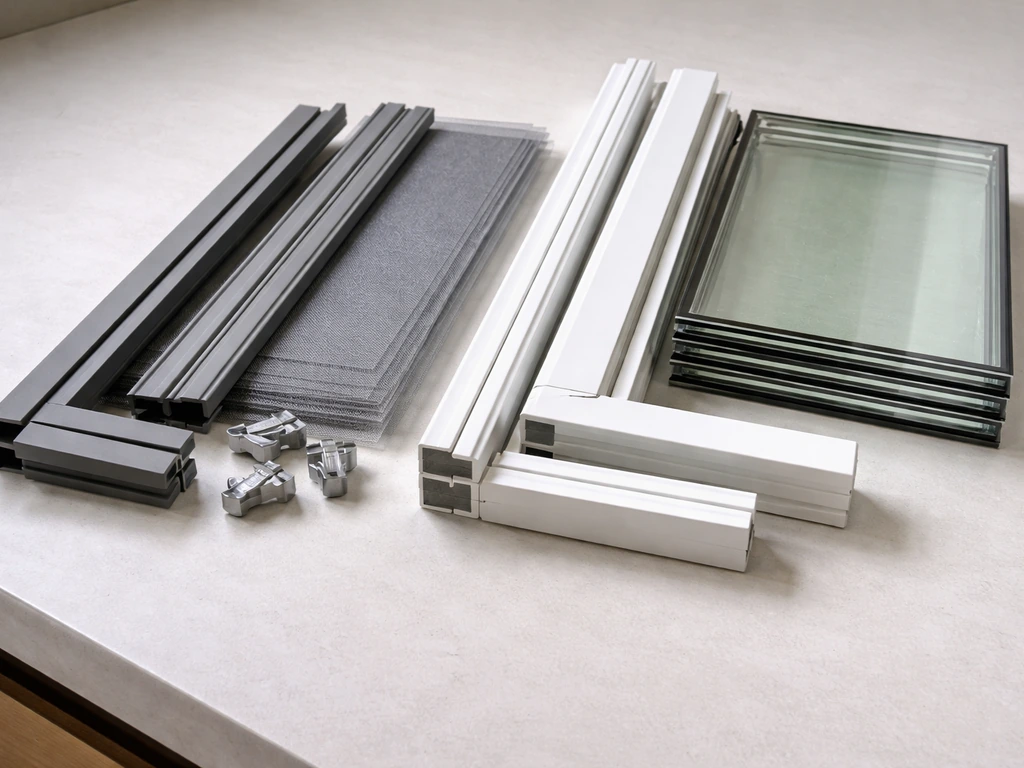
Prefab aluminum framing kits are the most affordable and the most common for screened and three-season enclosures. Vinyl framing has better thermal performance but costs more and can look bulkier. Thermally broken aluminum (where the inner and outer frame surfaces are separated by a non-conductive break) is the right choice for four-season use and adds cost. Wood framing is used in custom builds and adds character but requires more maintenance over time.
Glazing: screens vs. glass vs. insulated panels
Glass is a major cost jump over screens. Single-pane glass adds some weather protection but little insulation. Double-pane low-E glass is the standard for any serious three- or four-season enclosure. Insulated polycarbonate panels cost less than glass but scratch over time and look less premium. For a four-season build, the Department of Energy recommends prioritizing both insulation and glazing quality to meaningfully reduce heating and cooling loads, rather than skimping on one and over-spending on the other.
Roof type and structure
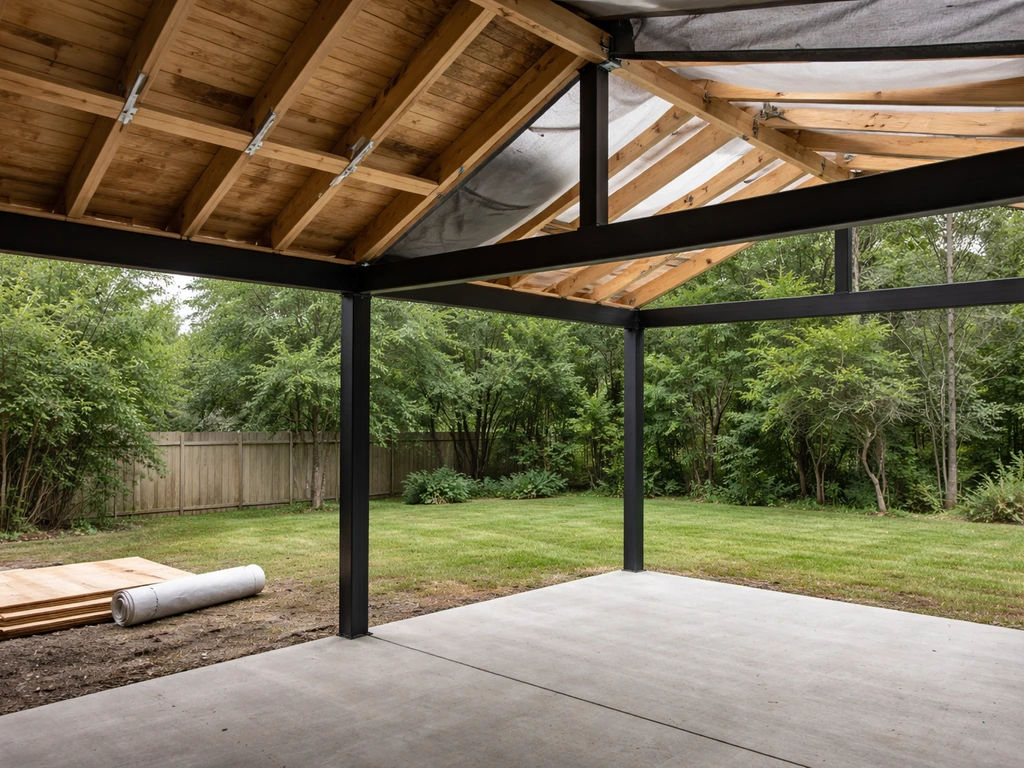
Many enclosed patio projects simply add walls to an existing covered patio, which keeps costs down. If you need a new roof built as part of the enclosure, expect to add $5,000 to $20,000 or more depending on span and materials. Insulated roof panels (common in prefab sunroom systems) cost less than a fully framed shingle roof but need to match your home's aesthetic. Glass or polycarbonate roof panels let in more light but create heat gain and condensation issues in certain climates.
Foundation and site prep
If you have an existing concrete slab in good condition, you save $3,000 to $10,000. If the slab needs leveling, repair, or replacement, that goes on the bill. In frost-prone regions, footings may need to extend below the frost line, which adds excavation and concrete costs. Sloped or uneven yards add labor time and sometimes require a deck or elevated platform instead of a slab.
Electrical, HVAC, and plumbing
A screened room needs nothing. A three-season enclosure might need a couple of outlets and a ceiling fan circuit, usually $500 to $1,500 added to the project. A four-season enclosure needs a real HVAC connection or a dedicated mini-split system, which runs $2,000 to $6,000 on its own. If you want a wet bar or sink, add plumbing rough-in costs on top of that.
Wind and snow load ratings
This is the hidden cost factor most people do not think about. In hurricane zones or areas with heavy snow, the framing, connections, and glazing all need to meet higher structural ratings. That can push a prefab kit from the basic tier to a premium tier, or require custom engineering. Always ask what wind speed and snow load the system is rated for before you buy.
Budget Examples for Common Patio Sizes
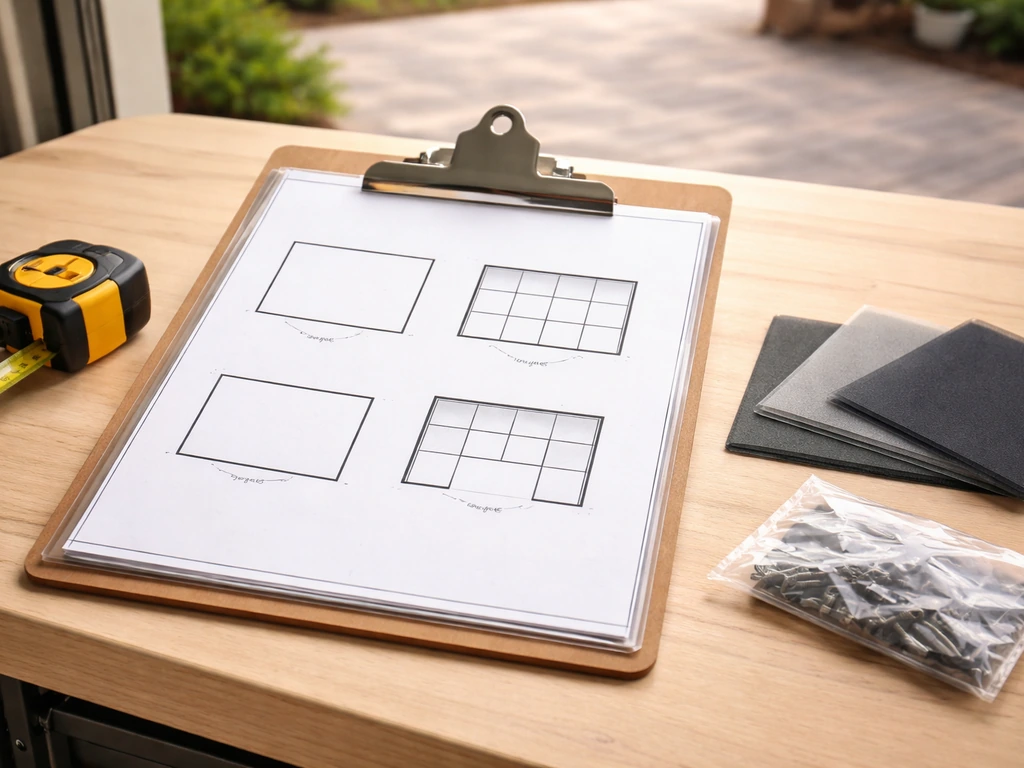
These examples use installed costs including labor, basic permit, and standard materials. They assume an existing slab in usable condition and no HVAC work unless noted.
| Project Scope | Size | Estimated Total Cost |
|---|---|---|
| Screen enclosure, prefab aluminum kit | 200 sq. ft. | $2,500 – $8,000 |
| Screen enclosure, custom wood framing | 200 sq. ft. | $8,000 – $15,000 |
| Three-season, aluminum/glass | 200 sq. ft. | $12,000 – $25,000 |
| Three-season, aluminum/glass | 400 sq. ft. | $22,000 – $50,000 |
| Four-season, insulated + mini-split | 200 sq. ft. | $28,000 – $55,000 |
| Four-season, insulated + mini-split | 400 sq. ft. | $55,000 – $120,000 |
| New slab + screen enclosure (no existing slab) | 300 sq. ft. | $9,000 – $20,000 |
One cost item people consistently forget: furniture and flooring. Most enclosure quotes stop at the structure itself. If your existing concrete slab needs a floor covering (tile, composite, or pavers), budget another $3 to $15 per sq. ft. for that separately.
Permits, Site Prep, and How to Compare Contractor Bids
Permits and inspections
Any enclosed patio that attaches to your home and adds conditioned space almost certainly requires a building permit. Screened enclosures often do too, depending on your municipality. Permit costs range from $150 to $1,500 depending on project value and location. Skipping a permit is a real risk: you could be required to tear down the structure when you sell, and it may affect your homeowner's insurance. A reputable contractor pulls the permit for you and includes it in the bid. If a contractor suggests you skip it to save money, walk away.
What to measure before calling anyone
- The exact square footage of your existing patio slab or the space you want to enclose
- The height from slab to the underside of any existing roof or overhang
- Whether the existing slab is level and in good condition (look for cracks or settlement)
- The linear footage of wall space that needs to be framed (perimeter minus the house wall)
- Which side(s) of the house the enclosure faces (south-facing gets more sun and heat gain)
Questions to ask every contractor
- Is the permit included in this quote, and will you pull it?
- What wind speed and snow load is this system rated for?
- Does this quote include all framing, glazing, doors, and hardware, or are there exclusions?
- What is the R-value of the walls and roof (for three- and four-season builds)?
- Who handles electrical rough-in if needed, you or a subcontractor?
- What is the warranty on the framing system and the glass?
- How do you handle drainage at the base of the panels?
- What is the payment schedule?
How to compare bids fairly
Make sure all bids are scoped identically before comparing prices. One contractor may include demolition of an old screen room; another may not. One may include a door upgrade; another quotes a basic slider. Ask each bidder to break out labor, materials, permit, and any allowances separately. A lump-sum bid is not wrong, but it makes comparison harder. If one bid is significantly lower than the others, the most common reason is that it is missing something, not that the contractor is more efficient.
DIY vs. Hiring a Pro
Screened enclosures are the most DIY-friendly option in this category. Prefab aluminum screen room kits are available from $1,500 to $6,000 for a 200 sq. ft. space and come with instructions. If you are comfortable with basic framing, a level, and a drill, a screen room kit is genuinely manageable over a long weekend with a helper. The savings can be $3,000 to $8,000 in labor versus hiring out.
Three-season and four-season enclosures are a different story. The framing systems involve precise tolerances, the glazing panels are heavy and unforgiving, and most manufacturers void warranties on DIY-installed systems. More practically, the structural and thermal performance of the enclosure depends on proper installation of weather seals, sill pans, and flashing at the house connection. A bad install lets water in behind the framing and rots your house wall. For anything beyond a basic screen room, hiring a licensed contractor with specific experience in enclosure systems is worth the cost.
Maintenance expectations also differ by type. Screen panels need replacement every 7 to 15 years depending on UV exposure and physical damage. Aluminum frames are essentially maintenance-free. Vinyl frames may chalk or fade over 20 years. Glass panels and seals should be inspected annually for moisture infiltration between panes (fogging indicates a failed seal). Four-season enclosures with HVAC connections need the same filter and system maintenance as any other room in the house.
What You Actually Get After You Build It
Comfort and weatherproofing
Even a screened enclosure meaningfully extends how often you use the space by eliminating insects and providing light rain protection. A three-season glass enclosure makes the space usable on cold-but-sunny spring and fall days when an open patio would sit empty. A four-season room adds a genuinely new room to your home. The trade-off is that a primarily glass structure, especially one with an unshaded south-facing roof, can overheat on sunny winter days even in cold climates. The Department of Energy specifically flags this as a thermal management issue for sunspaces: adding operable windows, shading, or thermal mass can offset it, but it is a real design consideration.
Energy considerations
A well-designed four-season enclosure with low-E glass, proper insulation, and a high-efficiency mini-split can be an energy asset, particularly if it faces south and acts as a passive solar buffer zone. A poorly designed one with single-pane glass and no insulation becomes an energy liability, leaking heat in winter and adding cooling load in summer. The Department of Energy's guidance on sunrooms is clear: glazing and insulation decisions are the highest-leverage choices for energy performance. For sunrooms and sunspaces, the U.S. Department of Energy emphasizes that energy-efficiency decisions like insulation and glazing are the most cost-effective way to reduce heating and cooling bills glazing and insulation decisions are the highest-leverage choices for energy performance. Spending more upfront on better glass and insulation almost always pays back faster than adding a bigger HVAC system to compensate.
Home value impact
An enclosed patio generally adds more perceived value than raw resale dollars, but the picture is not bad. Screened enclosures in warm-weather markets (Florida, the Southeast, coastal areas) often return a high percentage of their cost at resale because buyers in those markets specifically look for them. Four-season sunrooms in northern climates are typically appraised as finished square footage if they are properly permitted and insulated, which adds directly to assessed value. Unpermitted enclosures do not get that credit and can create disclosure headaches at sale. The rough rule of thumb: expect to recoup 50 to 80 percent of a properly permitted enclosed patio at resale, with higher returns in markets where outdoor living is a priority.
Noise reduction
This benefit rarely shows up in cost guides but homeowners consistently mention it. Double-pane glass and insulated panels provide noticeable sound attenuation from traffic, neighbors, and yard noise. A screened room provides almost no sound reduction. If noise is part of why you want to enclose the space, budget for a glazed option rather than screens.
Your Next Step Today
The fastest way to get an accurate number is to walk your patio with a tape measure and write down the square footage, the perimeter linear feet, and whether you have a usable slab. Then decide which tier you actually want: screened, three-season, or four-season. Once you know which type you want, you can estimate how much an enclosed patio will cost based on size, glazing, and whether you need HVAC screened, three-season, or four-season. That single decision narrows your blank" rel="noopener noreferrer">per-square-foot range dramatically and lets you have a real conversation with contractors instead of a vague 'we'll have to come out and see.'
If you are still deciding between a screen enclosure and a full glass build, or weighing a patio enclosure against a standalone porch or awning, those comparisons are worth thinking through before you request quotes. For a patio awning specifically, pricing depends heavily on size, material, and whether you want motorization or a fixed frame patio awning pricing. Different enclosure types serve different needs and price points, and contractors often specialize in one category over others, so knowing what you want before you call gets you more useful bids faster.
FAQ
Is the square footage in “how much for an enclosed patio” based on the floor, the footprint, or the full wall area?
Most quotes assume you are enclosing an area that already has a covered patio or an existing roofline to tie into. If you are enclosing a space that is currently open on the top and you need a new roof system, your budget should include roof framing, decking or structural members, weatherproofing, and often gutter or drainage changes. That can add roughly the same order of magnitude as a light wall package, and it is one of the fastest ways a “per-square-foot” estimate becomes inaccurate.
Why do two enclosed patios with the same square footage cost different amounts?
Yes, and it affects cost even when the floor square footage stays the same. Perimeter length drives the amount of framing, glazing or screen panels, door hardware, and labor time for corners. Two patios with the same 200 sq. ft. floor area can have very different perimeter and different numbers of openings, especially if one is long and narrow or has multiple offsets.
Does an enclosed patio price usually include doors and how do doors change the total cost?
Plan for a door upgrade if you want convenient access or if your enclosure needs an egress door for safety and code compliance. Many screened setups use a basic swinging door, while three-season and four-season builds may offer heavier insulated doors that perform better with HVAC and weather sealing. If your contractor quotes “structure only,” the door type and any weather stripping should be clarified.
What costs get missed when homeowners budget for an enclosed patio structure?
Yes. Interior finishes and flooring are frequently excluded from structural enclosure pricing. If you plan to keep bare concrete, costs can stay lower, but if you want tile, composite decking, or pavers, you may pay separately for prep, underlayment, and leveling mortar. A common mistake is budgeting for the tile only and forgetting additional materials and labor to make the surface installation-ready.
How do slab conditions affect the final enclosed patio price even if the slab exists?
If you already have a usable slab, you might still need site prep that costs money, like crack repair, moisture mitigation before tile, or raising low spots so doors don’t bind. If the slab is not level, you can see added labor for leveling or replacement. Contractors may price this under “site work,” so ask whether slab remediation is included.
What electrical or HVAC costs should I plan for in a three-season or four-season enclosed patio?
For screened and basic enclosures, utility upgrades are usually small, but for three-season and four-season spaces you should expect HVAC or at least dedicated climate controls. Even if your patio is near existing ductwork, some builds require a new run, electrical subpanel changes, or a mini-split for balanced heating and cooling. Ask for a line item that states the specific equipment type, not just “HVAC included.”
Do I need special engineering or upgrades for an enclosed patio in hurricane or heavy snow regions?
In many areas, the structure may need higher wind and snow engineering compared to a typical patio cover, especially where storms are common. The enclosure system must be rated for the local wind speed and snow load, and sometimes the framing connections and glazing specs must be upgraded. Always ask what the kit or design is rated for and whether any additional engineering or attachments are included.
Does an enclosed patio always require a permit, and will permits affect resale value?
Permit requirements also depend on whether the enclosure creates new conditioned space. A screened enclosure might still require a permit in some municipalities, but an insulated, HVAC-equipped four-season build is more likely to trigger permit review and sometimes inspections tied to energy code. If you want appraised value at resale, confirm the permit path and whether the contractor will supply final documentation.
What should I verify about the enclosure where it attaches to my house?
The difference between a good and a risky bid is often in how the contractor scopes the house interface. For any enclosure attached to your home, ask who handles flashing, sill pans, weatherproof membranes, and sealing behind framing members. A low bid can hide shortcuts at that connection, which is also where water infiltration and rot typically start.
When does DIY for an enclosed patio stop being a good idea?
DIY can make sense for a screened patio kit, but it usually becomes impractical for glazing-heavy three-season or four-season systems. Beyond manufacturer warranty concerns, the big practical issue is ensuring consistent weather sealing, correct installation of track leveling, and properly integrated flashing and seals at penetrations. If the kit requires tight tolerances, even small installation errors can cause water intrusion.
If I enclose my patio for noise reduction, what upgrade actually makes the biggest difference?
If sound is a priority, the glazing choice matters more than having “more glass.” Double-pane low-E can reduce noise better than single pane, while screened enclosures do very little for sound attenuation. If you work from home or live near traffic, ask what glass thickness and air gap are being used and whether any panels are laminated.
How can I prevent my enclosed patio from overheating, especially in winter sun?
Energy performance depends on both insulation and glazing, but also on sunlight control. In south-facing designs, operable windows, blinds or shading, and thermal strategies like using ventilation or reflective surfaces can prevent overheating during winter sun days. A common mistake is overspending on HVAC capacity to “fix” a heat-gain design, instead of addressing glazing and shading.
Next Article
How Much Is a Patio Screen Enclosure Cost Breakdown
Real cost ranges for patio screen enclosures, what drives price, hidden fees, and a quote checklist to compare bids.