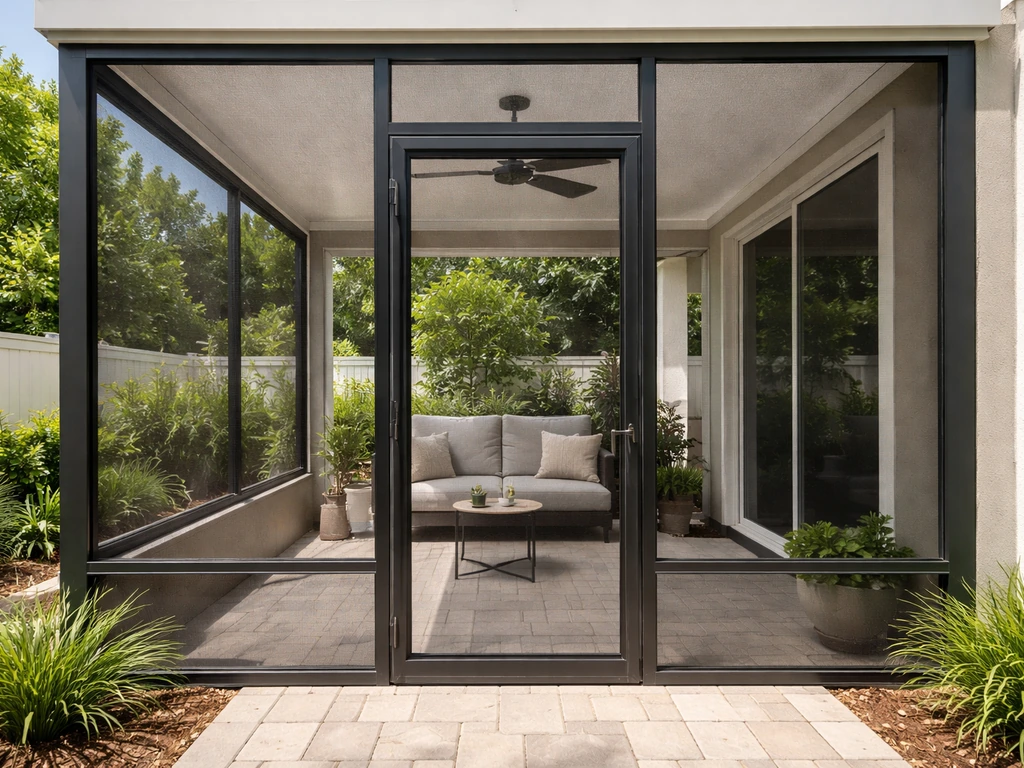
Most patio enclosures run somewhere between $1,500 and $50,000 depending on how far you're going with it. A basic screened-in perimeter on an existing covered patio can come in under $3,000. A glass-and-aluminum 3-season enclosure typically lands between $8,000 and $20,000. A fully insulated, HVAC-connected 4-season room attached to your house? That starts around $20,000 and can climb past $50,000 for larger builds with premium materials. The type of enclosure you choose is the single biggest pricing lever, so it's worth being clear on what you actually want before you call a contractor.
How Much Is a Patio Enclosure Cost? 2026 Pricing Guide

Miles Hart
5 May 2026
What counts as a patio enclosure (and why it matters for pricing)
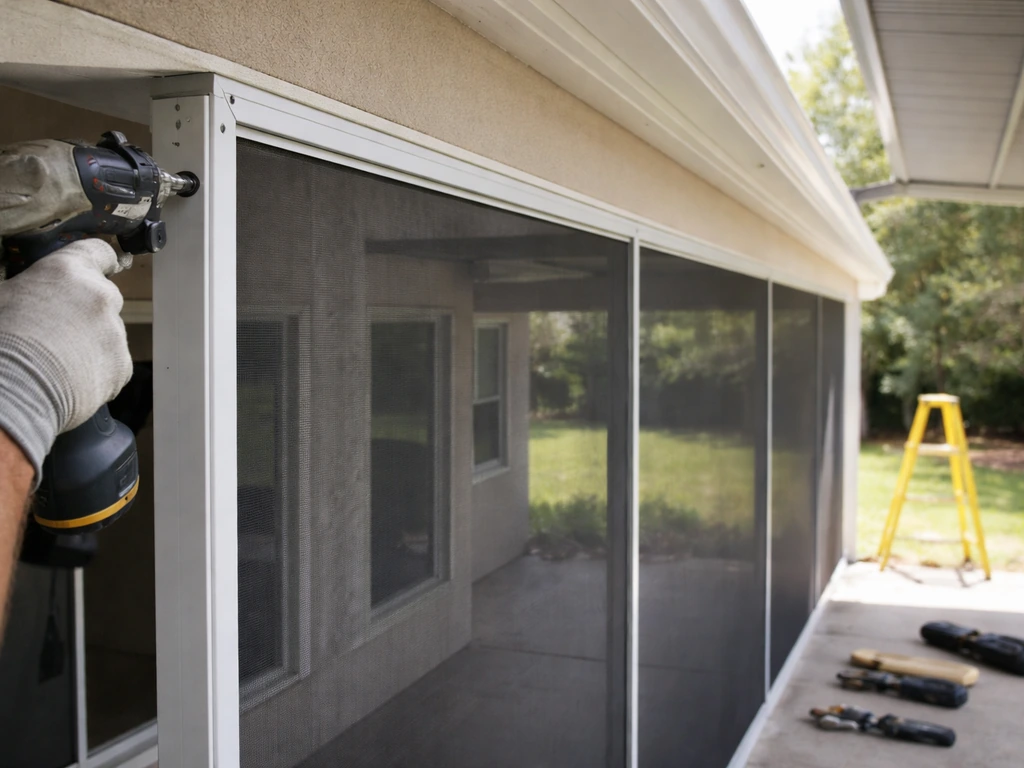
"Patio enclosure" is an umbrella term that covers a pretty wide spectrum of projects. At the low end, it means adding screen panels around an existing covered patio to keep bugs out. HomeAdvisor notes that screened-in porch or mesh screen work can be a lower-cost step than full wall or glass enclosures, and that permitting may be less likely for simpler screening-on-existing-patio scopes. At the high end, it means building what's essentially a glass-walled room with insulation, electrical, and HVAC. The gap between those two things is tens of thousands of dollars, which is why quotes from different contractors can seem wildly inconsistent if you're not comparing apples to apples.
Here are the main types you'll encounter and what sets them apart from a pricing standpoint:
- Screen room / screened-in porch: Screen panels stretched over a frame around an existing covered patio or deck. Bug and debris protection only. No insulation, no HVAC. This is the most affordable option and works best for spring through fall use.
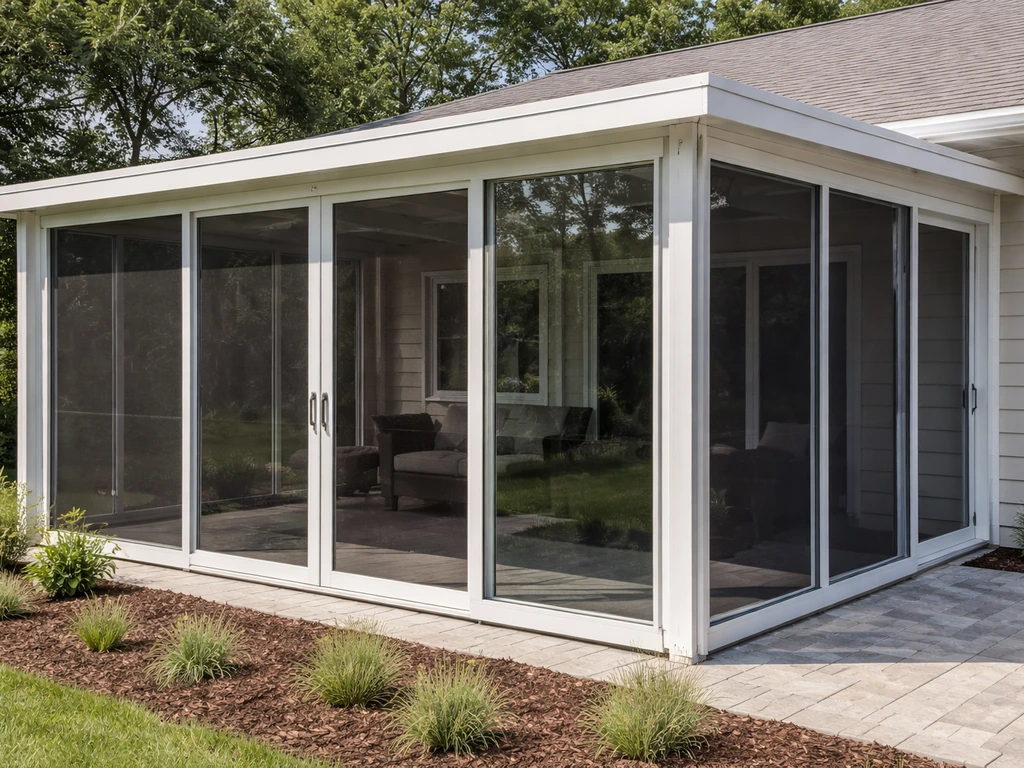
- 3-season enclosure: Uses glass or solid polycarbonate panels instead of screen. More weatherproof than a screen room but typically not insulated or connected to central HVAC. Comfortable in mild weather, not in hard winters.
- 4-season sunroom: Fully insulated walls and roof, double or triple-pane glass, and a connection to your home's HVAC system. Essentially heated and cooled living space. Highest cost, highest comfort, and typically the best impact on home value.
- Retractable screen or panel system: Motorized or manual panels that open and close. More flexible than a fixed enclosure and can be a good middle-ground option, though installed costs of $20–$75 per square foot for motorized systems add up quickly on larger patios.
- Aluminum or vinyl framed kits: Pre-engineered enclosure kits that homeowners can purchase and partially or fully assemble themselves. Lower labor costs but more limited in design flexibility.
If you're looking at screened-in patio costs specifically, that's a distinct project from a glass-enclosed sunroom-style build. If you want a quick answer, you can estimate how much is a patio screen enclosure by looking at your patio size and which enclosure type you’re choosing. Similarly, a partial enclosure (like adding a screen wall on one side of an open patio) costs much less than fully enclosing all four sides. Being specific about which type you want when you start getting quotes will save you a lot of confusion.
Ballpark cost ranges and average cost per square foot
Below is a quick reference for what each major enclosure type typically costs in 2026, including per-square-foot rates and sample totals for a common 12x16 (192 sq ft) patio footprint. Forbes Home reports per-square-foot installed cost ranges for 3-season versus 4-season sunrooms.
| Enclosure Type | Cost per Sq Ft | Sample Total (192 sq ft) | Typical Use |
|---|---|---|---|
| Basic screen room (existing cover) | $5–$15 | $1,000–$3,000 | 3-season, bug protection |
| Screen room (new framing + roof) | $15–$30 | $3,000–$6,000 | 3-season, full build |
| 3-season glass/aluminum enclosure | $40–$80 | $8,000–$15,000 | 3-season, weather protection |
| 4-season insulated sunroom | $100–$200+ | $20,000–$40,000+ | Year-round living space |
| Motorized retractable screen system | $20–$75 | $4,000–$14,000 | Flexible, open/close use |
These are installed costs including labor. DIY kit builds can cut 30–50% off labor, but that assumes you're comfortable with basic framing and precise panel installation (more on that below). Regional pricing also plays a significant role: contractors in the Northeast and on the West Coast typically run 20–30% higher than national averages, while the Southeast and Midwest tend to be closer to or below average.
What you're actually paying for: cost breakdown by component
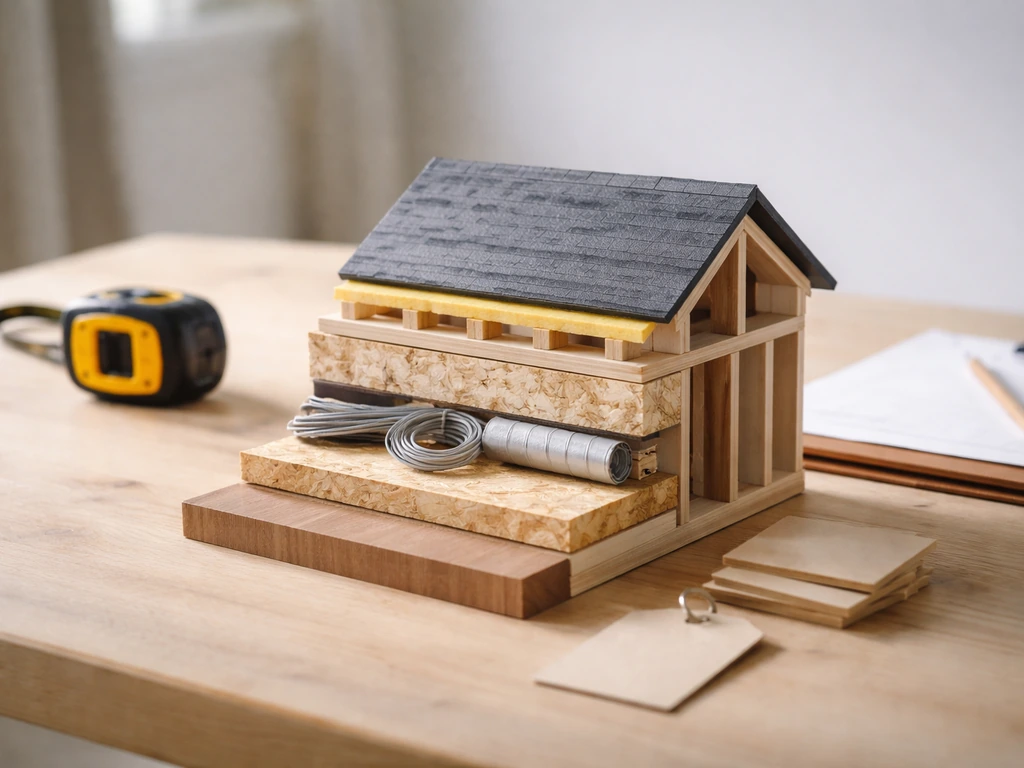
When a contractor sends you a quote, the total is usually made up of several distinct components. Knowing roughly what each part costs helps you spot whether a quote is reasonable or padded.
Framing and structure
The frame is what holds everything up. Aluminum is the most common material for patio enclosures because it's lightweight, corrosion-resistant, and low-maintenance. Wood framing costs less upfront but requires more maintenance over time. For a mid-size enclosure (around 200 sq ft), aluminum framing materials alone typically run $1,500–$4,000 depending on the profile thickness and powder-coat finish. If you need new posts, footings, or a ledger attachment to your house, add another $500–$2,000.
Panels: screen, glass, or polycarbonate
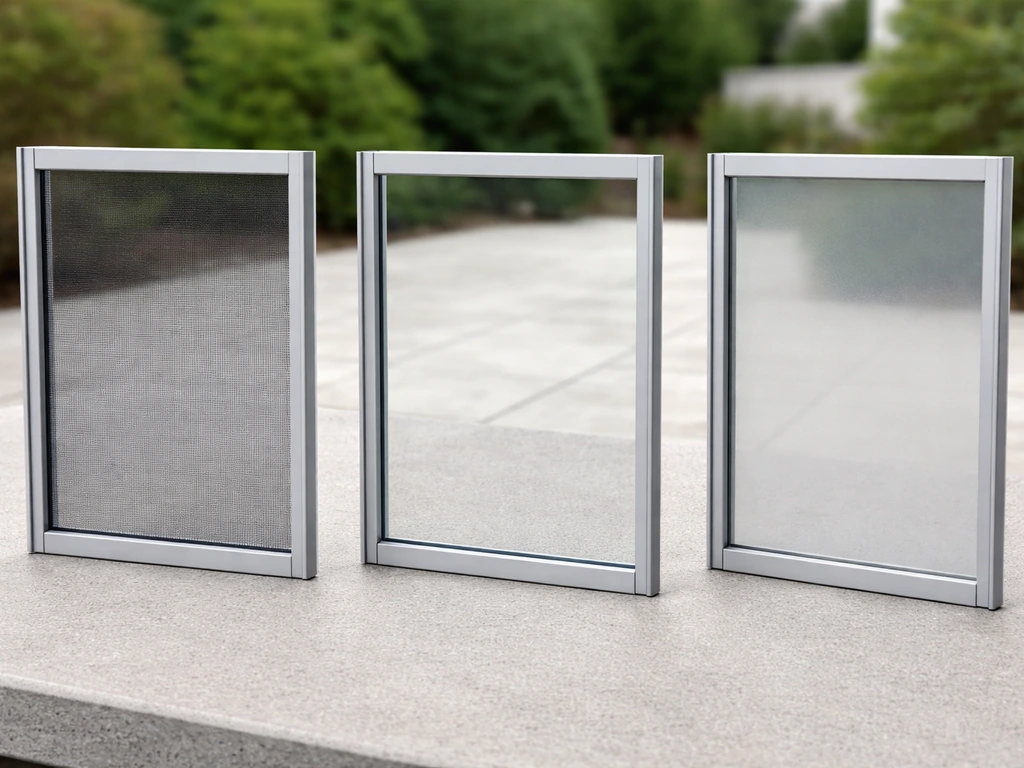
This is where enclosure type makes the biggest cost difference. Standard fiberglass screen panels are cheap, running roughly $1–$3 per square foot of screen material. Tempered glass panels jump to $25–$60 per square foot. Insulated double-pane glass for a 4-season build can run $50–$100 per square foot of panel. Polycarbonate panels sit in the middle at around $10–$25 per square foot and are popular for 3-season builds because they're lightweight and shatter-resistant.
Roof system
If your patio already has a solid roof (attached to the house or freestanding), you may only need to enclose the walls. If you're building a roof from scratch, expect to add $3,000–$10,000 or more depending on roof type and materials. A simple aluminum or polycarbonate panel roof costs less; a full shingle roof tied into the home's roofline is more expensive but looks better and sheds water more effectively. Flat or low-slope roofs using polycarbonate sheets are common for DIY builds and kit systems.
Flooring and base
If you're enclosing an existing concrete slab, no base work is needed. If you're building on an existing deck, you may need to reinforce joists to handle the additional load of glass panels and a roof. If there's no existing floor, add concrete slab costs of roughly $6–$10 per square foot poured and finished. That's another $1,200–$2,000 for a 200 sq ft footprint.
Electrical, lighting, and HVAC
A basic screen room doesn't need any of this. A 3-season enclosure might get a ceiling fan and a couple of outlets (roughly $500–$1,500 for basic electrical work). A 4-season room typically needs a dedicated HVAC connection or a mini-split system. A single-zone mini-split runs $2,000–$5,000 installed, and that's often the most cost-effective route for a sunroom since running ductwork is expensive.
Labor
Labor typically makes up 30–50% of a total enclosure project cost. For a screen room, a two-person crew might complete the job in 1–3 days. A full 4-season sunroom build can take 2–4 weeks. General contractor labor rates vary by region but typically run $50–$100 per hour for enclosure work, not counting specialty trades like electricians or HVAC installers.
What makes your quote higher or lower than average
A few factors have an outsized effect on your final number. Size is the obvious one: bigger patios cost more in materials and labor. But these other variables matter just as much.
- Enclosure type: As shown in the table above, going from screen to glass to insulated glass can multiply your cost by 10x or more.
- Existing structure: Enclosing a patio that already has a solid roof, level concrete slab, and good drainage costs significantly less than building everything from scratch.
- Material quality: Budget aluminum framing and standard screen vs. heavy-gauge powder-coated aluminum with tempered low-E glass is a $10,000+ difference on a mid-size build.
- Custom vs. kit: Pre-engineered aluminum kits designed for homeowner assembly are considerably cheaper than fully custom contractor-built enclosures. The trade-off is flexibility in dimensions and design.
- Local labor market: In high cost-of-living areas, contractor rates for the same work can easily run 25–35% higher than the national average.
- Site conditions: Sloped yards, poor drainage, limited access for equipment, or proximity to property lines can all add cost. Leveling a site or pouring footings on uneven ground adds time and materials.
- HOA and local regulations: Some neighborhoods restrict enclosure styles, materials, or colors. Custom work to meet HOA requirements adds cost.
Permits, fees, and add-ons that can change your total
Permits are one of the most commonly overlooked costs in patio enclosure projects. Whether you need one depends on your municipality and the scope of the project. A simple screen panel installation on an existing covered patio often doesn't require a permit. Anything involving new structural framing, electrical work, HVAC connections, or a new roof almost always does. Permit fees typically run $200–$1,500 depending on project size and jurisdiction. Some contractors pull permits as part of their service; others quote the work separately or expect homeowners to handle it. Ask upfront.
Beyond permits, here are common add-ons that push totals higher:
- Ceiling fan or light fixture installation: $150–$500 per fixture installed
- Insect screens on doors and windows: Often included in full builds but add $100–$400 if added later
- Privacy glass or tinted panels: Add 15–30% to glass panel costs
- Gutters and downspouts on new roof sections: $500–$1,500
- Mini-split HVAC installation: $2,000–$5,000 for a single-zone system
- Tile or composite flooring over existing slab: $5–$15 per sq ft
- Storm door or French door entry: $800–$2,500 installed
- HOA-required architectural review fees: Varies, typically $50–$500
It's also worth mentioning that enclosure projects often uncover unexpected issues: a rotted ledger board, deteriorated flashing, or an undersized electrical panel. Experienced contractors will flag these in a site assessment, but budget a 10–15% contingency for surprises.
DIY vs. hiring a contractor: what's realistic
A basic screen room on an existing covered patio is one of the more DIY-friendly outdoor projects out there. Aluminum screen frame kits are widely available, reasonably well-documented, and don't require specialty tools beyond a miter saw and a screen spline roller. A motivated homeowner with basic carpentry skills can screen in a 200 sq ft patio over a weekend for $800–$2,000 in materials. That's a meaningful savings compared to the $3,000–$6,000 a contractor would charge for the same job.
Glass panel enclosures are harder to DIY well. The panels are heavy, precise alignment matters a lot for weatherproofing, and mistakes are expensive to fix. Pre-engineered aluminum enclosure kits (brands like Sunrooms by Americana, TEMO, or Champion) are designed for semi-DIY installation and split the difference: you may be able to do some of the assembly yourself and hire out the framing and roof attachment. This can save $3,000–$6,000 on a mid-range 3-season build.
A 4-season sunroom is firmly in contractor territory. Insulated framing, double-pane glass installation, proper flashing and weatherproofing at the house connection, electrical, and HVAC work all involve licensed trades. Attempting to DIY a 4-season build without construction experience risks both safety issues and warranty voidance on the materials.
| Enclosure Type | DIY Feasibility | Estimated DIY Savings | Main Risk |
|---|---|---|---|
| Basic screen room (kit) | High | $1,500–$3,000 | Misaligned panels, sag over time |
| 3-season glass/aluminum (kit) | Moderate | $3,000–$6,000 | Weatherproofing errors, panel breakage |
| Custom 3-season (contractor-designed) | Low | Minimal | Structural and flashing issues |
| 4-season sunroom | Not recommended | N/A | Structural, HVAC, electrical code issues |
How to get accurate quotes quickly
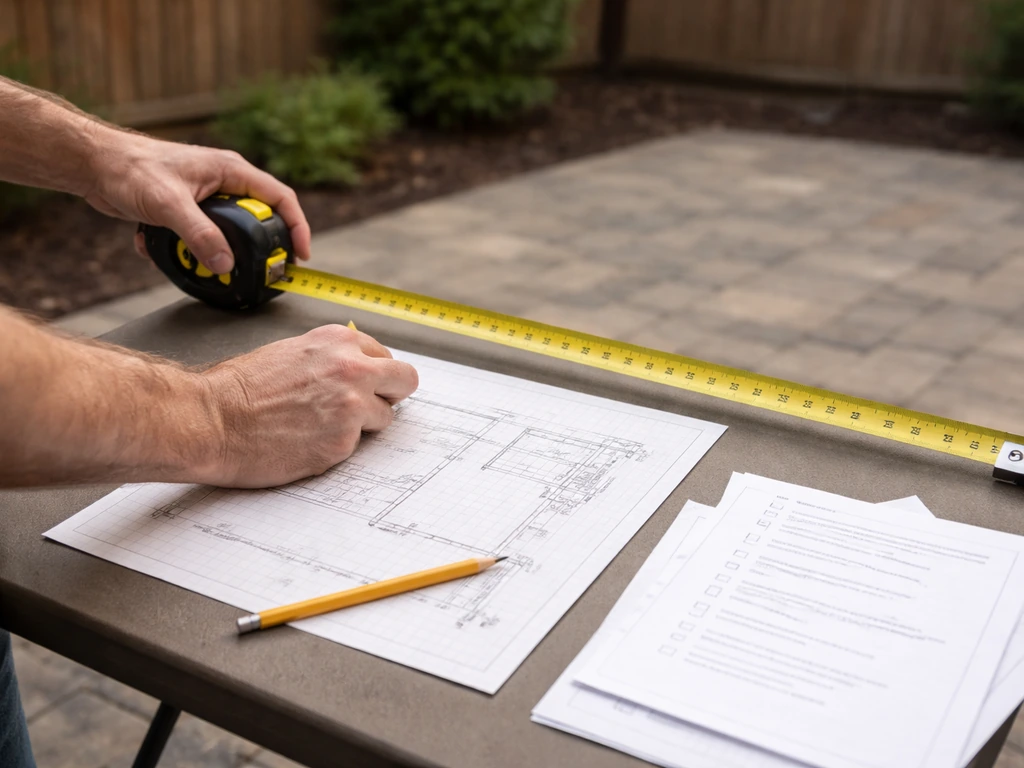
Getting a useful quote isn't just about calling contractors. The more specific you are upfront, the more accurate (and comparable) the bids you'll receive. Here's a practical checklist for preparing before you reach out.
Measurements and specs to gather first
- Measure your patio footprint: length and width in feet, plus ceiling or roof height at the tallest point.
- Note whether you have an existing roof cover over the patio and its material (solid, corrugated, shade sail, etc.).
- Check your existing floor: concrete slab, wood deck, pavers, or bare ground. If concrete, note its condition (cracks, slope, drainage).
- Identify how the patio attaches to your house: is there an existing ledger, and how much clearance is there at the roofline?
- Count the number of open sides you need to enclose and whether you need a door (and where).
- Note any utilities nearby: outdoor outlets, existing lighting, or gas lines.
- Check your local municipality's permit requirements before the first contractor call.
Questions to ask contractors
- Is the quote for materials and labor, or materials only? (Some quotes separate these.)
- Does the quote include permit fees, or are those extra?
- What framing material are you pricing: aluminum, wood, or vinyl? What gauge/profile?
- What panel or glass specification is included? Is it tempered, insulated, or standard?
- How do you handle the roof-to-house attachment and flashing?
- What's your timeline, and how many crews will be on site?
- Do you warranty the installation separate from the product manufacturer warranty?
- Can you provide references from similar enclosure projects in the last 12 months?
What to watch for in bids
Get at least three quotes. If one comes in dramatically lower than the others, ask which components were left out. Common omissions include permit fees, site prep or leveling, flashing and weatherproofing details, and electrical rough-in. A low quote that doesn't cover those items will likely end up higher than a more complete bid once change orders hit. Also check that each contractor is quoting the same enclosure type: a quote for a basic screen room and a quote for a glass enclosure are not comparable, even if the footprint is identical.
Once you have accurate quotes in hand, you're also in a good position to evaluate whether a patio enclosure is the right project for your goals, or whether a simpler option (like an awning or a partial screen wall) would serve you just as well for significantly less money. If you’re just trying to cover part of the space for shade, an awning for a patio typically costs less than a full enclosure like an awning. The total cost varies so widely across enclosure types that it's genuinely worth pausing to confirm which features you actually need before committing to a full build.
FAQ
When people ask how much is a patio enclosure, what area does the price usually cover (footprint, wall area, or total room)?
Most quotes assume a fully installed enclosure, but the count of “square feet” can change by contractor. Confirm whether they price by wall opening area, total footprint, or panel area, and whether door widths (for example 36 in vs 48 in) are included.
If I already have a concrete slab or deck, do I still need to pay for base or foundation work?
Yes, the “no base work needed” assumption depends on what’s already there. Ask whether your patio has a code-compliant surface for anchoring and drainage, and whether they’ll add shimming or leveling if the slab or deck is uneven.
If my patio has an existing roof, will my enclosure cost drop, and what should I ask about roof and flashing?
For full enclosures, plan for a separate line item for the roof build (even if you only add walls) and for tying flashing into the existing structure. If the contractor assumes an existing roof is “good to reuse,” ask for the specific flashing and attachment method they will use.
What electrical items are commonly missed in patio enclosure quotes?
Sometimes, electrical is the limiting factor. If you plan ceiling fans, outlets, or exterior lighting, ask whether the quote includes trenching/conduit, the panel upgrade allowance (if needed), and permits. Without those, it’s common for the final price to rise.
For a 4-season patio enclosure, how do mini-splits versus ductwork affect the final cost?
HVAC may be cheaper initially with a mini-split, but confirm they’re sizing for the room’s square footage, insulation level, and climate. Ask whether they include line set length, condensate drainage, and any required electrical circuit work.
How much do the number of doors and windows change the total patio enclosure cost?
Window or door layout changes pricing because it drives panel types and framing complexity. Ask for a spec sheet listing how many tempered glass panels, insulated glass panels, and operable sections you’re getting (and whether the quote includes a standard door).
Even if it’s just a screen enclosure, when do permits still come into play?
A permit may be required based on modifications, not just the “screening” aspect. Ask specifically whether a permit is required for new roof framing, structural attachments to the house, electrical circuits, and any work in setbacks.
What contingency should I plan for, and what should I ask the contractor to inspect before work starts?
Budget for a contingency even when the contractor promises “fixed pricing,” and make sure the change-order policy is clear. Ask for what’s included in site assessment (ledger condition, existing framing size, water damage inspection) so you can judge how many surprises are likely.
If I DIY part of the project, where do homeowners usually lose money or face warranty issues?
DIY can reduce labor, but the savings often disappear if you need pro help for framing attachment, roof waterproofing, or if panels must be reinstalled for alignment. Ask the contractor (if doing a hybrid install) which sections they will warranty.
What features determine whether a patio enclosure truly performs as 3-season versus 4-season?
Weatherproofing details can be the difference between a “3-season” label and actual comfort. Ask whether they use specific weather seals, proper drainage gaps, and exterior-rated caulk at the house interface, especially for glass or polycarbonate.
Next Article
How Much Does a Screened Patio Cost? 2026 Price Guide
2026 screened patio pricing guide: cost to screen in or rescreen, cost factors, and DIY vs pro tips.