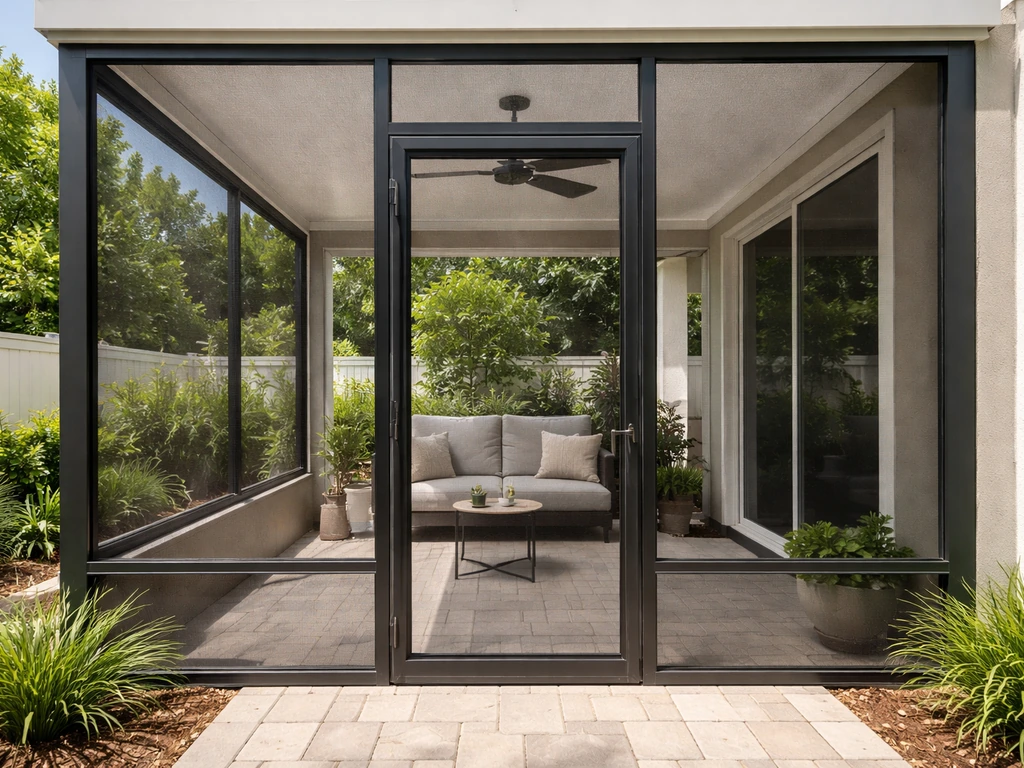
Screening in an existing patio typically costs between $2,000 and $5,000 for most homeowners in 2026, with a per-square-foot range of roughly $7.50 to $11.50 when you hire a professional to handle the frame, screen panels, and a door. Smaller patios with a simple frame and standard fiberglass screen land toward the lower end. Larger spaces, premium screen materials, aluminum framing, and any structural work to prepare the roofline push costs higher. If you already have a covered patio slab and just need the screen system installed around it, that's the best-case scenario for keeping costs down.
How Much Does a Screened Patio Cost? 2026 Price Guide

Miles Hart
2 May 2026
What most people actually spend
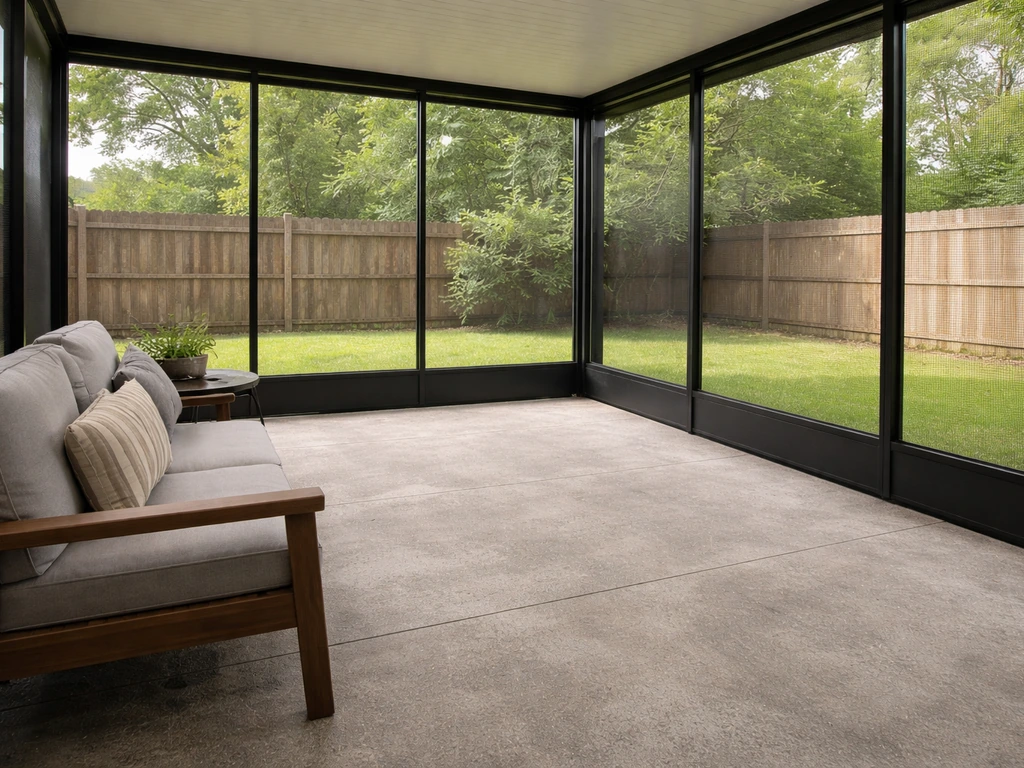
For a 200-square-foot patio (a common 10x20 or 12x17 layout), a realistic installed price runs around $2,085 to $2,500 on the low side with basic materials, and up to $4,500 to $5,800 for the same space with better framing and upgraded screen. That's not a typo on the spread, screen-in projects vary a lot depending on how much structural prep is involved and what materials you choose.
If your patio is larger (say 300 to 400 square feet), expect to budget $4,000 to $8,000 installed. At the far high end, complex installs with aluminum frames, motorized or retractable screen systems, or specialty no-see-um screen on a large patio can hit $10,000 or more. That starts to overlap with full patio enclosure territory, which is a different project with different cost math.
| Patio Size | Basic Install (Fiberglass Screen) | Mid-Range Install | Premium Install (Aluminum Frame + Screen) |
|---|---|---|---|
| 150 sq ft | $1,500–$2,500 | $2,500–$3,500 | $3,500–$5,000 |
| 200 sq ft | $2,000–$3,000 | $3,000–$4,500 | $4,500–$6,500 |
| 300 sq ft | $3,000–$4,500 | $4,500–$6,500 | $6,500–$9,000 |
| 400 sq ft | $4,000–$6,000 | $6,000–$8,500 | $8,500–$12,000+ |
What you're actually paying for: the cost breakdown
A screened patio quote isn't just 'screen material times square footage.' Several components all add up, and knowing what each one costs helps you spot where a quote is padded or where you might be getting underbid.
Screen material
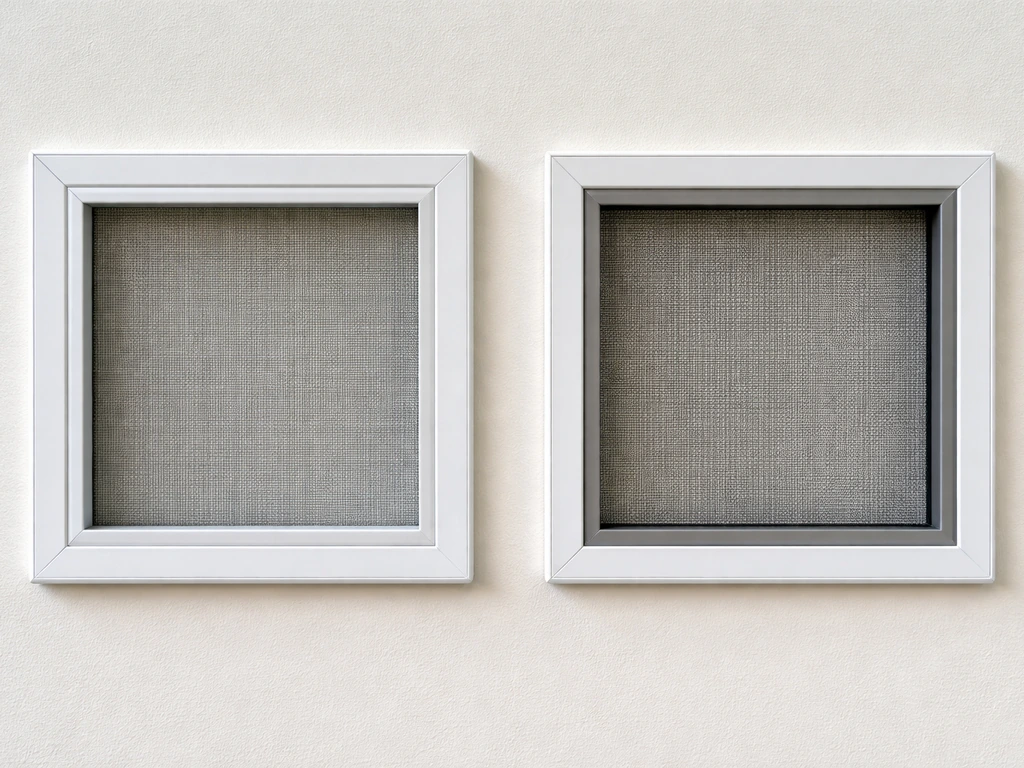
Standard fiberglass screen is the most affordable at roughly $0.25 to $0.50 per square foot for the material itself. Aluminum screen costs a bit more but resists pets and impact better. Specialty options like no-see-um mesh (tighter weave for tiny insects), solar screen (blocks heat and UV), and 20/20 pet-resistant screen all run $0.50 to $2.00 per square foot in material cost. On a 200-square-foot patio, the difference between basic fiberglass and premium solar screen might only be $100 to $300 in material, but labor and framing dwarf that number.
Frame system
The frame is usually where the biggest cost difference lives. Wood framing is cheapest to buy but needs painting or staining and degrades faster in wet climates. Aluminum framing (extruded or powder-coated) costs more upfront but is virtually maintenance-free and is what most screen enclosure contractors use as a default. Vinyl-wrapped frames are mid-range. Labor to build and install a frame around a 200-square-foot patio typically runs $500 to $1,500 depending on complexity.
Doors
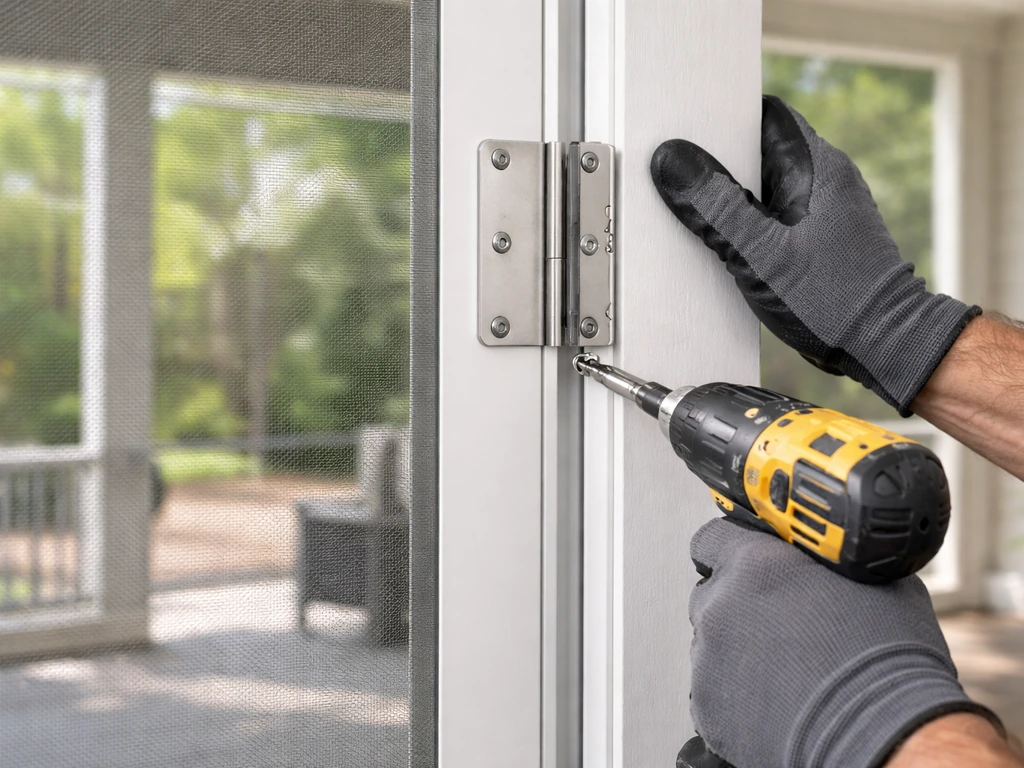
Every screened patio needs at least one screen door. A basic single hinged screen door costs $75 to $200 installed. If you want a double door, a wider passage, or a self-closing/latching mechanism, budget $150 to $400 per door opening. Sliding screen doors cost more and are less common in DIY-style installs.
Hardware, trim, and fastening systems
Spline (the rubber cord that holds screen in the channel), screen-retainer channels, corner brackets, and decorative trim all add up. A full hardware package for a screened patio typically runs $100 to $400 depending on perimeter and number of panels. This is usually a small portion of the total but worth knowing, some contractors itemize it, others bundle it into labor.
Prep work and structural adjustments
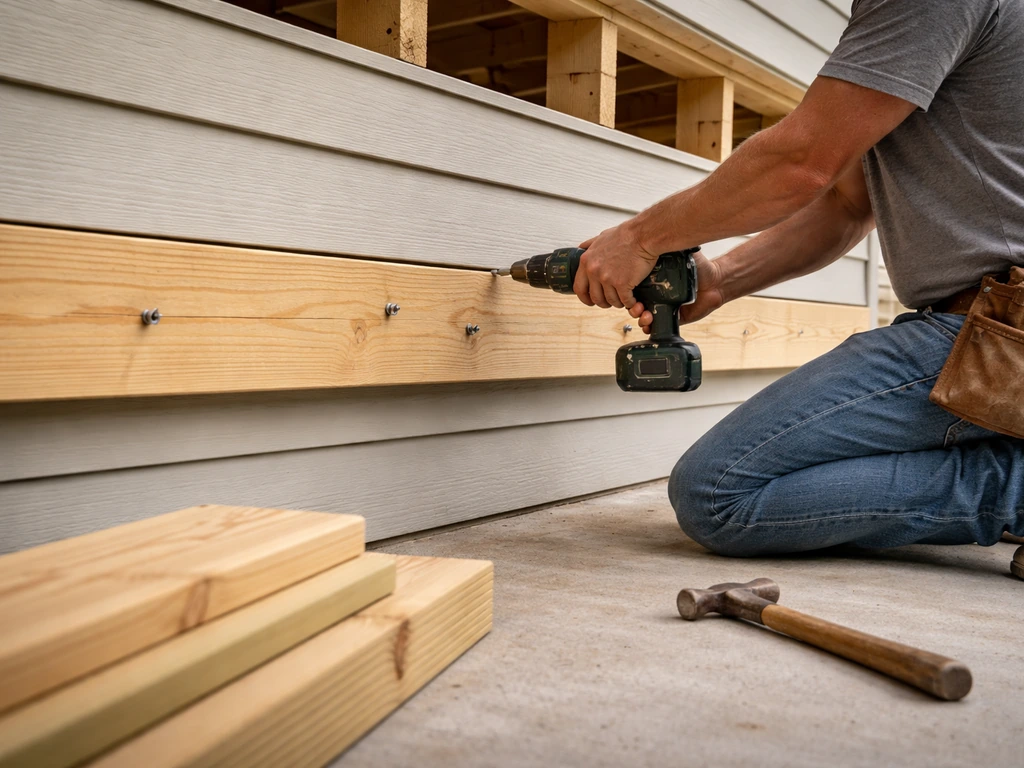
If your patio already has a solid roof and posts, prep work is minimal. If there are gaps in the roofline, rotted wood to replace, or ledger boards that need to be secured, those repairs happen before any screening starts. Structural prep can add $200 to $1,500 to a project depending on what needs to be done. Always ask a contractor to call out any prep work separately in the quote so you can see what you're paying for.
What makes your specific project cost more or less
Several factors can move your total well outside the average ranges, and it's worth thinking through each before you request quotes.
- Patio size: Cost scales with perimeter (for framing) and square footage (for screen). A 400 sq ft patio doesn't cost exactly twice a 200 sq ft patio because there's fixed overhead per job, but it's close.
- Whether the patio is already covered: Screening in a covered patio (with an existing roof) is much cheaper than building a new structure from scratch. If you need a roof added first, that changes the project entirely and costs $50 to $175 per square foot for a full build.
- Screen type: Solar screen, no-see-um, and pet-resistant screen all add material cost but rarely change labor significantly. Choose based on your actual pest and sun problems, not just price.
- Frame material: Aluminum is the industry standard for good reason. Wood costs less upfront but adds long-term maintenance. The frame choice affects how long the install lasts more than it affects initial price.
- Number of openings and corners: Each door, window pass-through, or irregular corner adds labor time. A simple rectangular patio with one door is the easiest and cheapest. L-shaped patios, multiple access points, or wrap-around designs cost noticeably more.
- Site conditions: A second-story or elevated patio requires more setup time and potentially scaffolding. Existing obstructions (gas lines, HVAC equipment, built-in grills) add complexity.
- Regional labor rates: Labor costs vary significantly by region. Florida and the Southeast have more screened enclosure contractors, which tends to keep prices competitive. The Midwest and Northeast have fewer specialists, and prices often run higher.
Rescreening vs. screening in for the first time
These are two very different projects and shouldn't be quoted the same way. If your patio is already fully screened in and the screen is torn, sagging, or just old, rescreening is what you need: replacing the screen material in existing frames without replacing the frame itself.
Rescreening costs roughly $2 to $4 per square foot installed, with labor alone running $1.80 to $3.00 per square foot. For a 200-square-foot enclosed patio, that's typically $400 to $800 total. The full range for professional rescreening across different project sizes and materials runs from about $862 on the low end to $7,000+ for large or complex enclosures with premium screen. Most standard patio rescreens land between $1,000 and $2,500.
When to rescreen vs. replace: Rescreen if the frame is structurally sound, the channels hold spline well, and the overall enclosure is in good shape. Replace the frame (or the whole system) if the aluminum is bent or corroded, the wood framing is rotted, or the spline channels are cracked and won't hold screen reliably. Pushing a rescreen onto a failing frame just means doing the work twice within a couple of years.
| Project Type | What's Included | Typical Cost Range | Best When |
|---|---|---|---|
| Rescreening | Screen material replacement only, same frame | $862–$2,500 (most patios) | Frame is solid, screen is torn or deteriorated |
| Screen-in (existing covered patio) | New frame system + screen + door on existing structure | $2,000–$5,800 | Patio has roof/cover, no enclosure yet |
| Full new screened enclosure | Structure, roof, frame, screen, door — everything | $7,500–$35,000+ | No covered patio exists; starting from scratch |
DIY vs. hiring a pro
Rescreening is genuinely a good DIY project for most handy homeowners. The tools are inexpensive (a spline roller costs about $10), the materials are widely available at home centers, and the technique is learnable from a video tutorial. A full rescreen on a 200-square-foot patio done yourself might cost $150 to $400 in materials versus $800 to $1,500 professionally.
Screening in a patio for the first time is harder to DIY well. Building the frame system, getting it plumb and square, properly anchoring it to the existing structure, and flashing where the frame meets the roofline all require decent carpentry skills. Prefabricated screen enclosure kits (available from manufacturers like Screen Tight or Screeneze) make DIY more achievable for simple rectangular patios, but they still require careful measurement and a full weekend or more to install.
Labor typically makes up 50 to 60 percent of a professional screen-in quote. On a $3,500 project, that's roughly $1,700 to $2,100 in labor. If you're confident in your carpentry skills and have a straightforward rectangular patio, DIY can save you real money. If the patio has angles, a high roofline, or any structural questions, the risk of a poor install (gaps, frame movement, water intrusion) is high enough that professional installation pays for itself.
On permits: blank" rel="noopener noreferrer">many jurisdictions require a permit for adding a permanent screen enclosure, especially if it involves structural attachment to the house. This varies by municipality, but it's worth checking before you start. Unpermitted enclosures can cause problems when selling or insuring the home. The City of Tampa notes that residential screen enclosures are reviewed under permit requirements consistent with screen-walled insect screening enclosure definitions Unpermitted enclosures can cause problems. A professional contractor will typically pull the permit as part of the job; DIYers need to do that step themselves.
How to budget accurately and get useful quotes
Before you call anyone, measure your patio carefully: total square footage (length x width), total linear perimeter, ceiling or roof height at the lowest point, and the number of openings (doors, pass-throughs). These four numbers are what every contractor needs to give you a real number instead of a ballpark.
Also note the existing conditions. Is the patio already covered with a solid roof, a pergola-style lattice, or nothing at all? What material is the roof structure (wood, aluminum, concrete)? Are there any existing posts or walls that will serve as anchor points? The more you can describe the existing setup, the more accurate your quotes will be.
When comparing quotes, make sure each contractor is specifying the same things. Frame material (aluminum vs. wood vs. vinyl), screen type, door quantity, and whether prep work and permit fees are included can all vary between bids and make apples-to-apples comparison nearly impossible if you don't ask upfront.
- Ask what frame material they use as standard and whether aluminum is an upgrade or included
- Confirm what screen type is in the quote (standard fiberglass or something else)
- Ask whether the quote includes permit fees, and who pulls the permit
- Ask how they handle any structural issues discovered during installation
- Get a line-item breakdown so you can see materials vs. labor separately
- Ask about warranty on both materials and installation workmanship
- Request references or photos of similar screen-in projects they've completed
Get at least three quotes. Screen enclosure pricing varies more than most home improvement categories because it's specialized work with regional price differences. A quote that comes in 40 percent lower than the others isn't necessarily a deal, it might mean something is missing, or the contractor is cutting corners on frame quality.
What you actually get for the money
A screened patio extends usable outdoor time significantly, particularly in regions with heavy mosquito or no-see-um pressure, strong afternoon sun, or heavy leaf fall. For many homeowners, a screened patio transforms a patio they rarely use into their most-used outdoor space from spring through fall. That's a real lifestyle gain that's hard to put a dollar figure on.
On the home value side, screened patios generally add value, but the return varies. In markets where screened outdoor living is expected (Florida, the Gulf Coast, parts of the Mid-Atlantic), a screened enclosure is often a baseline feature buyers look for and will pay for. In cooler northern markets, it adds appeal but may not return dollar-for-dollar. The practical usability benefit is more consistent than the resale math.
If you're weighing this against other outdoor structure options, it's worth knowing that a screened patio is typically the most cost-effective way to get protected outdoor living space short of an awning. For a quick budget estimate, compare screened patio costs with an awning for a patio, which is often priced differently based on size, material, and installation. Full patio enclosures with glass or polycarbonate panels, sunrooms, and fully enclosed porches all cost considerably more and involve different trade-offs around ventilation, views, and how the space feels seasonally. If you are comparing screen-in pricing to a fully enclosed build, see how much does an enclosed patio cost for the bigger scope. For a more enclosed patio look, enclosure projects can cost more than a basic screened setup because they change the scope and materials involved. Full patio enclosures with glass or panels cost considerably more and follow different cost math than screening in. A screened patio hits a useful middle ground: open-air feel with real insect and debris protection.
FAQ
Why do two quotes for the same patio square footage come out very different?
Plan for more than just perimeter, because many “screen-in” quotes charge based on total frame area plus any special details (door framing, kick plates, corner posts, and roofline flashing). If your patio has angled corners, a sloped roof, or a non-square layout, the effective linear footage is usually higher than what homeowners estimate from length x width alone.
Does the cost change if my patio is not already covered?
If you have an uncovered slab or only a pergola, the quote may include added support members and roofline sealing before screens can be mounted. Ask whether the contractor is building the frame from scratch and adding any necessary blocking, and whether they will waterproof the transition where the frame meets the roof.
What hidden work affects the price when screening around an existing roofline?
It can. If the patio roofline is uneven or penetrations (lights, fans, gutters, vents) require re-flashing, contractors may need more labor and specialty materials than a “standard” installation. A good way to de-risk this is to ask for a line item for flashing and any sealing around existing roof penetrations.
Do wind conditions or patio height change screened patio pricing?
Screen orientation and height matter because taller enclosures require stronger bracing and sometimes different anchoring methods, especially if wind loads are a concern. If your screened area is high above ground or in a storm-exposed region, expect the frame and installation labor portion to rise compared to a low, sheltered patio.
How much do door choices add to the total cost?
Yes, and it is often a quote-breaker if not specified. Confirm whether the price includes a single hinged door, a double door, or a sliding option, and whether the door is full-height screen or a narrower pass-through. Also ask if the quote includes a self-closing mechanism and latching hardware.
When is rescreening cheaper than replacing the entire enclosure?
If you currently have usable frames and channels, rescreening is usually far cheaper than replacing the whole system. But if the aluminum is corroded or the spline channels are cracked, “rescreening” may not hold tension and you can end up paying again. Ask the contractor to assess the frame and specifically confirm whether any components will be replaced.
Do I need a permit to screen in a patio, and who handles it?
Many contractors can treat screening as a simple improvement, but adding permanent attachments to the home (or altering roof structures) can trigger permits. Requirements vary by city and county, so confirm whether the permit is included in the bid price, and ask what exactly is covered (screen-only vs. structural attachment).
What measurements should I gather before requesting quotes?
Takeoff accuracy matters. Measure total perimeter for the frame run, not just patio square footage, because screens wrap the openings and doors need additional framing. If the quote uses “screened area” instead of perimeter, insist they show their calculation method so you can compare bids apples-to-apples.
What are the most common DIY mistakes that increase total cost later?
The biggest DIY pitfalls are poor squaring, weak anchoring, and incomplete sealing at roofline transitions. Even small gaps can lead to water intrusion and frame movement, which then loosens spline and creates sagging screen. If your patio has angles or questionable structural anchoring points, budget for professional framing even if you DIY the screen panels.
How can I tell if a low quote is missing structural prep?
Yes. Ask whether the quote includes adjustments for existing posts (leveling), replacing rotted wood, fixing ledger attachments, and any necessary blocking. If you see a low bid but no mention of structural prep, it may be priced to assume the frame can mount without repairs.
Does upgrading to solar or no-see-um mesh change labor costs too?
Often, but not always. Solar screen and no-see-um mesh can cost more per square foot, and sometimes contractors also recommend changes to frame sizing or screen tension to maintain performance. Confirm whether they are quoting the specific mesh type and thickness, not just a generic “premium screen.”
What if I want partial ventilation instead of a fully fixed screened area?
Most bids assume standard screening around a covered, stable patio area. If you want ventilation upgrades, like operable panels or a retractable section, pricing can shift closer to enclosure-level complexity. Ask how the contractor would handle airflow and what hardware is included, because it can materially affect both price and maintenance.
Next Article
Grass Is Higher Than Patio: Causes, Fixes & Deck vs Patio
Grass higher than patio? Causes, slope checks, repair options, lower lawn, raise patio, or build a deck, with costs & DIY