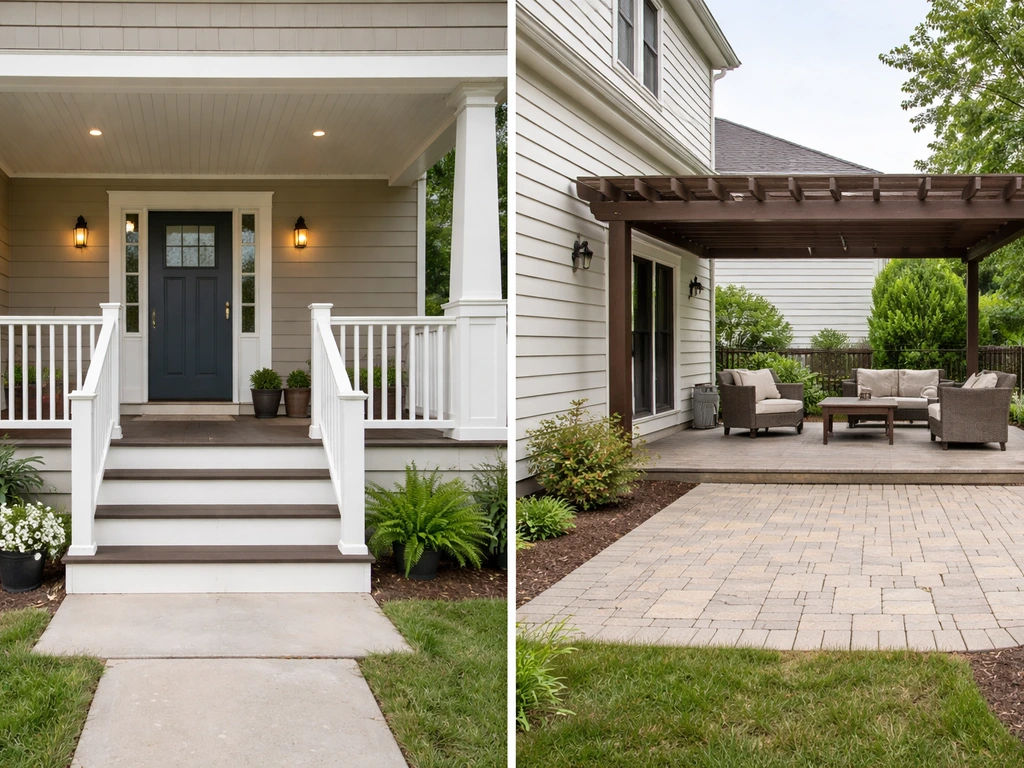
A deck is a raised platform, usually wood or composite, built on a structural frame. A patio is a ground-level hardscape, either a poured concrete slab or pavers, that sits directly on graded earth. A porch is a covered, roofed structure attached to the house, most often at an entrance. Those three sentences cover the core difference, but the details about cost, maintenance, code, and which one actually suits your yard and lifestyle are where the real decision gets made.
Deck Patio Porch Difference: Costs, Build, and Which to Choose

Miles Hart
20 Jun 2026
Quick definitions and how each one is actually built
Deck
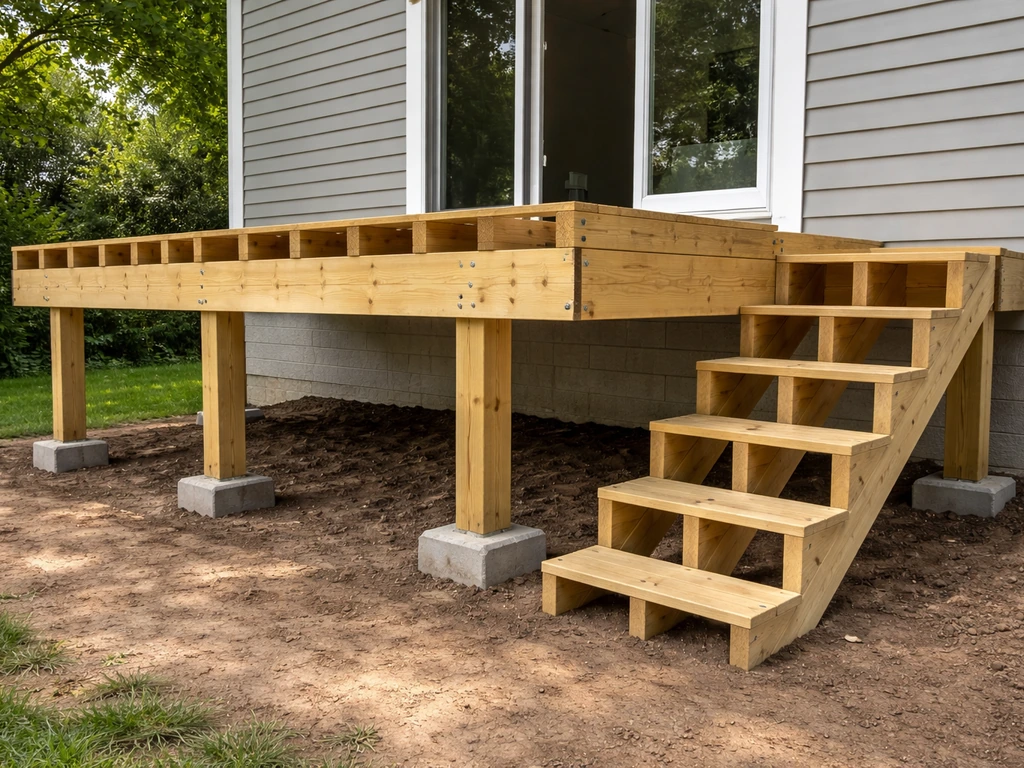
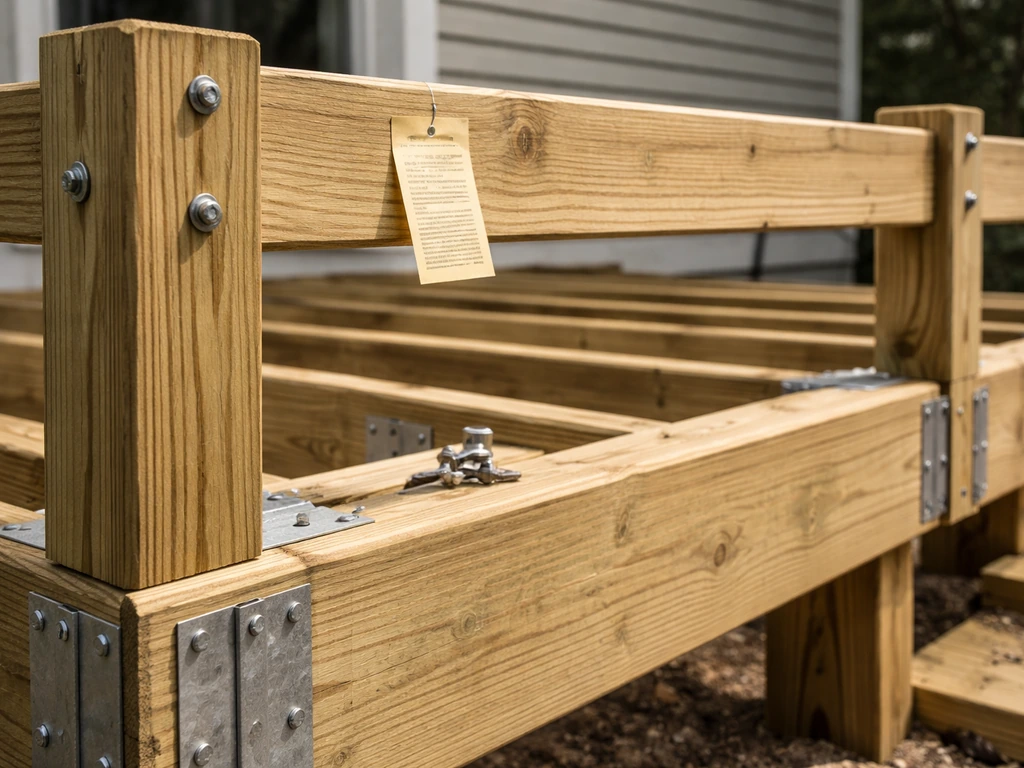
A deck is a raised, open-air platform most often attached to the back or side of a house, though freestanding decks exist. A deck is a raised, open-air platform most often attached to the back or side of a house, though freestanding decks exist back porch vs patio. The structure underneath is a joist-and-beam frame supported by posts that rest on concrete footings dug below the frost line.
When the deck is attached to the house, a ledger board is bolted directly to the home's band joist (the rim of the floor framing), and proper flashing is required at that connection to keep water away from the house structure. Decking boards, either pressure-treated lumber, cedar, or composite, run across the top of the joists. Once the walking surface is more than 30 inches above the ground below, guardrails are required by code.
Decks have no roof, which is a defining characteristic.
Patio
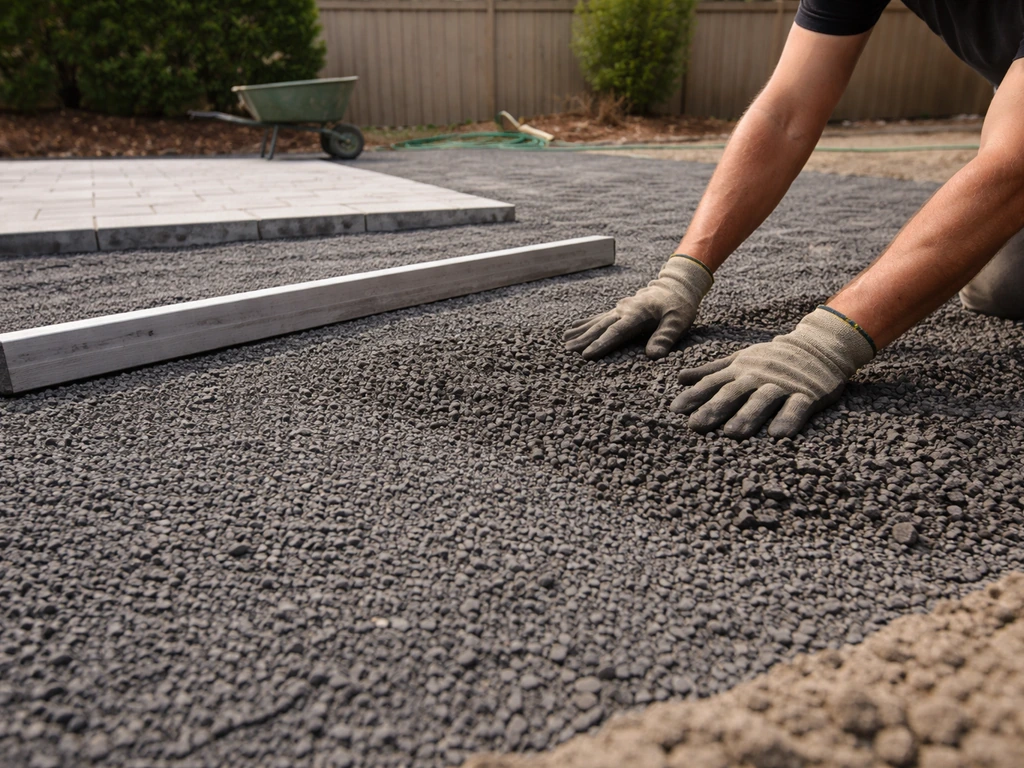
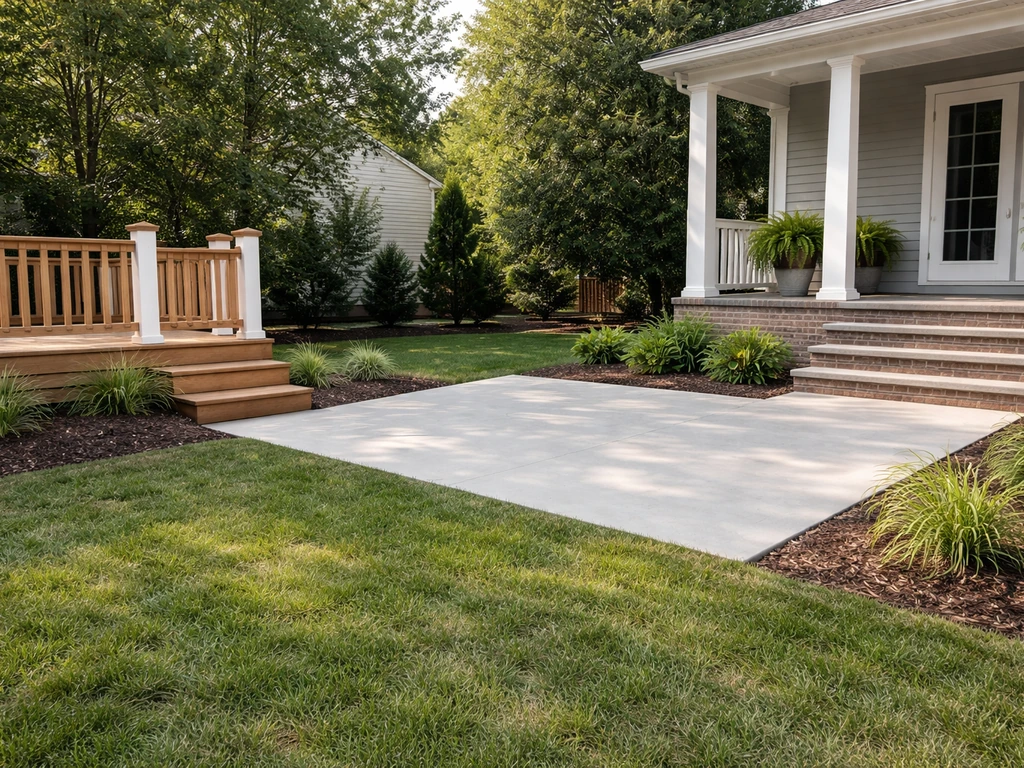
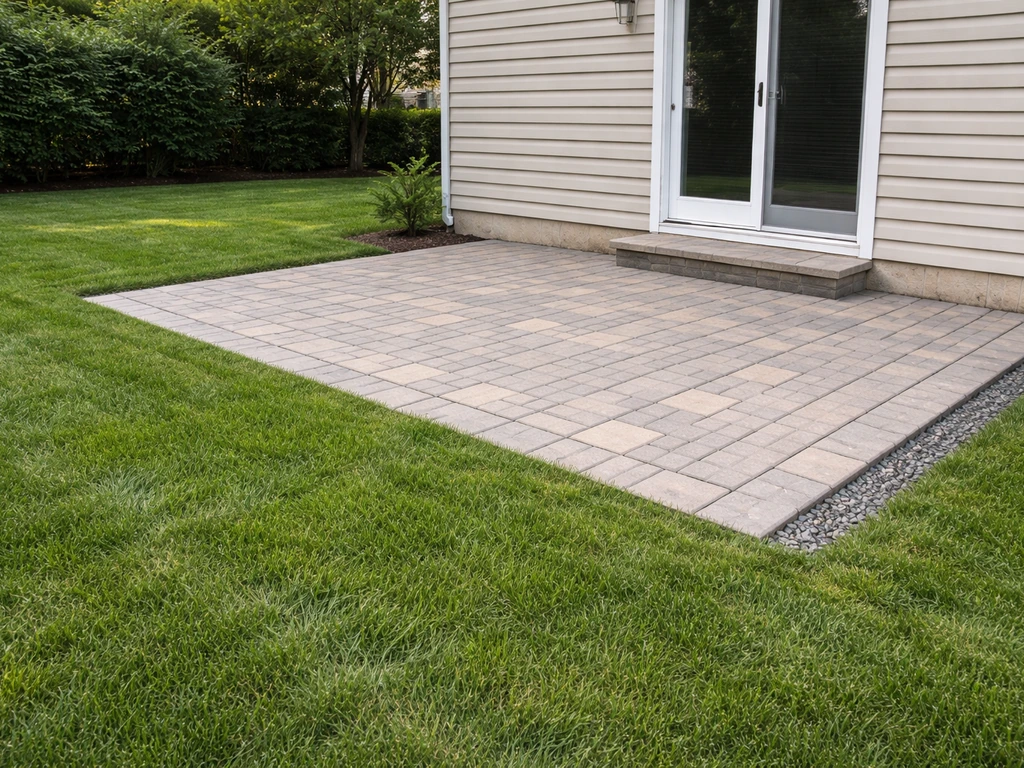
A patio is a ground-level outdoor surface, never elevated. The two most common builds are a poured concrete slab and a paver system. Concrete patios start with a graded, compacted base and are poured in place. Paver patios require a crushed-stone base, sand layer, and then individually laid pavers set tight together with jointing sand filling the gaps. Either way, the key challenge is drainage: the surface must slope away from the house (typically a quarter inch per foot) so water does not pool against the foundation. Patios can be freestanding or adjacent to the house but are never structurally attached to it the way a deck ledger is.
Porch
A porch is a roofed structure that extends from the main building, almost always covering an entry point. The roof is the defining feature: without it, you have a deck or a stoop, not a porch. Porches can have a wood or composite floor similar to a deck, or a concrete slab floor, but they always have a ceiling overhead. Many porches are screened or even fully enclosed with windows, which pushes them closer to sunroom territory. The roof framing is typically supported by posts or columns, and those columns sit on footings or a continuous foundation, depending on local code requirements.
The differences that actually matter day-to-day
| Feature | Deck | Patio | Porch |
|---|---|---|---|
| Elevation | Raised (varies widely) | Ground level only | Ground level or slightly raised |
| Roof/overhead | None (open sky) | None (open sky) | Always has a roof |
| Weather protection | None: sun and rain hit you directly | None: same as deck | Significant: rain, strong sun blocked |
| Structural attachment to house | Usually attached via ledger | Not structurally attached | Always attached |
| Works on sloped lots | Yes, posts adjust to slope | Difficult without major grading | Depends on house entry elevation |
| Privacy | Low (elevated, visible) | Low to moderate | Moderate (often at front, screened options) |
| Furniture compatibility | Wide: deck furniture, grills | Wide: any outdoor furniture | Wide if sized well; may feel enclosed |
| Drainage concern | Low: gaps between boards | High: grading and slope critical | Moderate: roof keeps rain off, but floor drainage still needed |
| Permit likelihood | High, especially if elevated | Low to moderate | High, due to roof structure |
The weather protection gap between a porch and the other two is the biggest practical difference. If you are weighing front porch vs patio, start by comparing how much weather coverage you need versus how simple the ground-level build can be. If you live somewhere with frequent afternoon thunderstorms or intense summer sun, a porch lets you stay outside when a deck or patio forces you in.
On the other hand, decks work brilliantly on sloped lots where a patio would require thousands of dollars of grading or retaining walls, and where a porch is not an option at all because there is no entry point at that elevation. Patios win on simplicity: no ledger attachment to worry about, no guardrail requirements, and easy furniture arrangement because everything is flush with the ground.
Cost comparison and ongoing maintenance

Cost ranges vary a lot by region, material choice, and site conditions, but here are realistic installed ballparks for 2026. A basic concrete patio runs roughly $4 to $8 per square foot installed. Pavers cost more, often $12 to $20 per square foot depending on the paver material and pattern.
A pressure-treated wood deck runs roughly $15 to $25 per square foot installed for a straightforward ground-attached build, and composite or elevated decks push that toward $35 to $45 and higher. Composite decking is often marketed as low-maintenance, and Trex recommends routine cleaning such as bi-annual cleaning rather than regularly staining or sealing it like you would with wood.
A covered porch adds a roof structure to the equation, and that changes costs dramatically: roofed covered outdoor structures can run from $40,000 to well over $100,000 in some regional markets when you include the roof framing, columns, footings, and electrical.
Maintenance realities by structure type
- Pressure-treated wood deck: plan on staining or sealing every 1 to 3 years, depending on your climate and sun exposure. Skipping this shortens the deck's life noticeably.
- Composite deck: manufacturers recommend a bi-annual cleaning with a deck cleaner and a garden hose or low-pressure wash. No staining or sealing needed, which is the main selling point over wood.
- Concrete patio: low maintenance but not zero. Seal it every few years to resist staining and freeze-thaw cracking. Cracks will eventually form in cold climates.
- Paver patio: refill jointing sand annually or when you see gaps forming. Weeds in the joints are the most common complaint. Periodic resealing helps with staining and sand retention.
- Covered porch: the roof keeps the floor protected, so porch flooring often lasts longer than an equivalent exposed deck. However, the roof itself needs periodic inspection for flashing integrity, gutters, and any paint or sealant on exposed wood trim.
What is realistically DIY?
A simple paver patio is the most accessible DIY project of the three, especially for someone comfortable with a tamper, a level, and some patience. Concrete is trickier because timing matters and mistakes are permanent once it sets. A basic ground-level deck is achievable for a confident DIYer who can read framing plans and use a circular saw, but an elevated deck with ledger attachment really should involve at least a consultation with a contractor or building official, because ledger failures are one of the most common causes of deck collapses. A porch with a roof is contractor territory for most homeowners, given the roof framing, structural post requirements, and inspections involved.
Safety, code basics, and permits: what you need to know
Most jurisdictions require a building permit for decks and porches. Some offer exemptions for very small, low-to-ground patios or patio covers, but any elevated structure or roofed addition almost always triggers a permit requirement. Cities like Oakland and Portland, for example, explicitly require permits for deck and porch construction. Ground-level patios made of pavers or concrete often fly under the radar in many jurisdictions, but it is always worth a five-minute call to your local building department before you start.
For decks specifically, the International Residential Code (which most U. S. jurisdictions adopt with local amendments) sets out the key structural requirements. Guardrails are required whenever the walking surface is more than 30 inches above grade, measured at any point within 36 inches horizontally from the edge.
Those guards must be at least 36 inches tall, and the openings between balusters must be small enough that a 4-inch sphere cannot pass through, which is the standard child-safety rule. The ledger attachment, where an attached deck connects to your house, must be properly flashed and fastened per IRC deck tables. Austin, TX’s building framing inspection checklist language notes that [decks must be positively attached](https://www. austintexas.
gov/sites/default/files/files/DevelopmentServices/RESBuildingFramingInspectionChecklist. pdf) and are required to support the design live loads listed for the deck tables, including structural requirements. Building departments commonly ask to see ledger details during plan review, and inspectors check them in the field. Skipping this step is not worth the risk: improper ledger connections are the leading structural failure point in residential decks.
Porches face additional scrutiny because of the roof. Many jurisdictions treat a roofed outdoor structure as an addition for zoning purposes, which can affect setbacks (the required distance from your property line) and may require an engineered structural review. If you are in an HOA, the covenants may have their own rules about porch additions on top of municipal code. Check both before you plan.
When to choose which: matching the structure to your yard and lifestyle
Choose a deck when:
- Your lot is sloped and leveling the ground for a patio would require significant grading or retaining walls.
- You want the outdoor space to connect directly to the back door or living room at the same floor height.
- You have a view you want to take advantage of from a raised vantage point.
- You want flexibility: fire pits, outdoor kitchens, and pergolas can all be added to decks relatively easily.
Choose a patio when:
- Your yard is flat and well-drained: a patio is the simplest and usually cheapest option.
- You want a large entertaining surface at the lowest possible cost per square foot.
- You prefer a more permanent, low-maintenance surface and do not want to deal with wood maintenance.
- You want barrier-free access for someone using a wheelchair or walker: a poured concrete or paver patio at grade is the easiest path to a truly accessible outdoor space.
- You have a small yard where a raised deck would feel imposing or block light to the lower yard.
Choose a porch when:
- Shade and rain protection matter more to you than an open-sky outdoor experience.
- You want to use the space in warm weather without sunscreen or in light rain.
- Your house already has an architectural entry point (front or back) that a porch would complement naturally.
- You entertain in the evenings and want overhead lighting and ceiling fans as part of the design.
- You are considering eventually screening or enclosing the space, since a porch structure makes that much easier than adding a roof to an open deck later.
If you are weighing something adjacent to these three, like a sunroom or a screened back porch versus an open patio, those comparisons involve different cost and permitting trade-offs worth exploring on their own. Similarly, the front porch versus patio decision has some unique considerations around curb appeal and streetside privacy that differ from the backyard scenario.
Home value and resale considerations
All three structures can add value, but the returns vary. The most commonly referenced benchmark comes from Remodeling Magazine's Cost vs. Value report, which tracks what homeowners recoup at resale. Wood deck additions consistently rank among the better-performing outdoor projects by percentage recouped, often outperforming composite decks in pure ROI terms, even though composite costs more upfront. The reason is simple: composite decks are more expensive to build, which raises the cost basis without a proportional bump in appraisal value.
Patios are harder to benchmark at resale because they vary so much: a basic concrete slab adds little excitement for buyers, while a well-designed paver patio with outdoor kitchen infrastructure can be a genuine selling point. Covered porches and screened porches tend to be beloved by buyers in hot, humid, or rainy climates (think the Southeast U.S.) and may have less impact in dry western markets where open-sky outdoor living is more desirable. The honest advice is: build what you will actually use and enjoy for the next 5 to 10 years. A well-maintained deck or patio will not hurt your resale, and buyer appeal for outdoor living features is genuinely strong in 2026.
How to decide fast: checklist and next steps
Before you call a contractor or buy a single board, spend 30 minutes answering these questions. They will narrow your choice faster than any other exercise.
- Measure your yard grade. Walk from your back door to the spot where you want the outdoor space. Is it flat, gently sloped, or a significant drop? Flat equals patio-friendly. Sloped equals deck territory.
- Check setbacks before you sketch anything. Call or check your city's website for the required setback distance from your property lines. A porch with a roof may face stricter setback rules than an open deck or patio.
- Ask about your HOA, if applicable. Some HOAs restrict porch additions on front elevations or require material approvals. Get this in writing before you plan.
- Define your primary use case. Is it morning coffee in the shade (porch), summer grilling with the family (deck or patio), or a quiet reading corner (patio)? Let function lead.
- Set a real budget including permit and design fees. For decks and porches, permit and inspection fees typically add $500 to $1,500 or more depending on the jurisdiction and project scope. Factor that in from the start.
- Ask any contractor you interview three specific questions: What is the ledger connection detail and flashing plan (for decks)? What footings are required by local code? What is included versus excluded in the quoted price?
- Request a soil assessment if you are building on a sloped or previously filled lot. Footings for decks and porches need to reach stable, load-bearing soil, and that depth varies by site.
- Decide on your DIY scope honestly. Pavers at grade: reasonable DIY. Ground-level simple deck: possible with skill. Elevated deck or any roofed porch: get a contractor or at minimum a structural review.
The fastest version of this decision: if your lot is flat and budget is tight, start with a patio. If your lot is sloped or you want to match your interior floor height, price a deck. If shade and weather protection are non-negotiable and you have the budget for a proper roofed structure, get porch quotes. A quick way to compare patio vs deck vs terrace is to start with how elevated you want the space to be and whether you need a roof. Every one of these is a good outdoor space when it is matched to the right yard and built correctly.
FAQ
Can a porch be built without a roof, and would it still count as a porch?
Without a roof, it is typically treated as a deck or stoop for code and permitting purposes. If you want “porch-like” weather coverage, the roof (and its structural supports and setbacks) usually triggers different requirements than an open platform.
If my patio is “attached” to the house, does it require the same ledger flashing as a deck?
No. A patio may abut the house or have a grade-level connection, but decks use a structural ledger attachment to the home’s rim framing. That ledger connection drives special flashing details and is where many deck-specific failures occur.
Do guardrails apply to porches and decks only, or can patio edges need them too?
Guardrails are typically tied to the walking surface height above grade, not the name on the plans. If any part of the porch platform is elevated enough to meet the code height trigger, guards can apply even if it is “porch-style” rather than a typical deck.
What if my deck will be under 30 inches high, can I skip rails?
Many jurisdictions use the 30-inch above-grade threshold as the trigger, but you still must check your local code amendments and how height is measured across the whole deck footprint. A sloped yard can create spots that exceed the threshold even if the average height looks low.
Is a composite deck always low maintenance compared with pressure-treated lumber?
Composite reduces staining and sealing, but it still needs routine cleaning, periodic inspection of fasteners, and attention to surface heat and drainage. For decks near landscaping, confirm you do not trap water at the bottom edge of framing or you can still get rot in the support structure.
Which is better for drainage, a concrete patio or pavers, and what are common mistakes?
Both require proper slope away from the house, but pavers are more forgiving of minor surface imperfections if the base is built correctly. A common mistake for both is inadequate compacted base or a weak edge restraint, which leads to settlement and water pooling over time.
Can I build a patio on a slight slope, or does it have to be perfectly level?
A patio should not be perfectly level if the goal is drainage. You usually want a gentle consistent slope away from the house, often specified as about a quarter inch per foot, and you must keep the slope consistent across the entire area to avoid ponding at low spots.
Do I need an engineer for a porch roof, or is it enough to use a standard contractor design?
Sometimes. Many porch roofs can be built with standard prescriptive framing, but local permitting can require engineered calculations depending on roof size, spans, wind exposure, and whether it becomes a zoning-relevant addition. Expect more scrutiny if you are adding posts to support the roof over a previously open area.
How do HOA rules typically affect the deck vs patio vs porch decision?
HOAs often control visual aspects like height, rooflines, railing style, and materials, and they may also regulate “structural additions” versus ground-level improvements. Before you price out options, ask whether decks and porch roofs require approval and whether you need pre-approval for exterior elevations.
What should I ask my contractor to avoid deck ledger problems?
Ask how they will flash and seal the ledger-to-house connection, what fasteners and spacing they will use, and whether they will provide ledger details for plan review or inspection. Also ask how they will verify the band joist condition, since fastening into questionable wood increases risk even when the design matches the code tables.
Can a DIYer build a patio if I am not comfortable with concrete?
Yes, paver patios are often the easier DIY route because timing is less critical than concrete curing. Still, do not skip the base build and compaction steps, and plan for edging so joints do not migrate and create trip hazards later.
Which option is best if I want to match an interior floor height?
A deck usually works best when you need to align an exterior surface with an interior threshold, especially if you have to bridge a height difference due to grade. Patios are inherently ground-level, so matching height may require grading or raised retaining elements that can change the cost and complexity.
How do setbacks and zoning typically differ between a deck and a porch?
A porch roof can be treated as a zoning-relevant structure or addition and may bring extra setback or coverage calculations. A deck can also trigger zoning rules for height and placement, but the roofed element often increases the chance of engineered review and closer scrutiny.
Next Article
Front Porch vs Patio: Costs, Uses, and What to Build
Front porch vs patio guide: definitions, uses, costs, maintenance, permits, curb appeal, and what to build for your spac