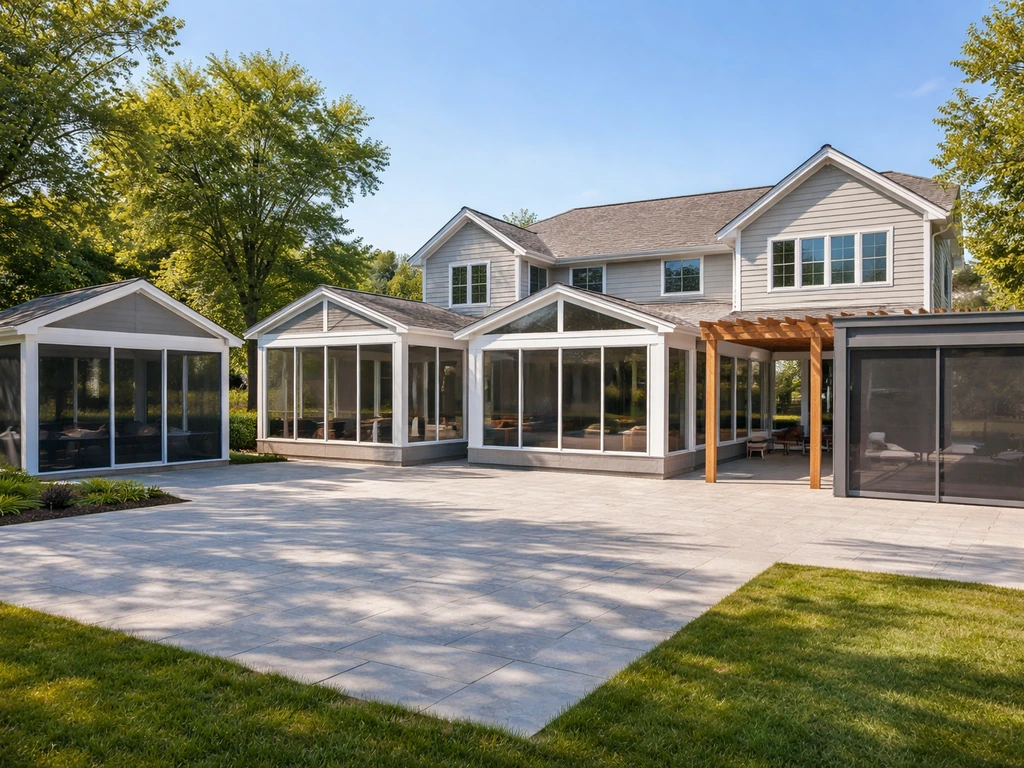
Patio Enclosures (the company at PatioEnclosures.com, headquartered in Macedonia, Ohio) is a legitimate, long-established sunroom and enclosure builder with roots going back to 1966. For many homeowners it delivers a solid product with a strong warranty on paper. But the review picture is genuinely mixed: ConsumerAffairs shows a 3.9 out of 5 across 164 verified reviews, while Trustpilot sits much lower at roughly 1.9 out of 5 across 15 reviews. That spread tells you this is a company where your experience will depend heavily on your local crew, how clearly expectations are set upfront, and how responsive the service team is if something goes wrong. Whether it is a good company for you comes down to verifying the right things before you sign anything.
Is Patio Enclosures a Good Company? Vetting Checklist

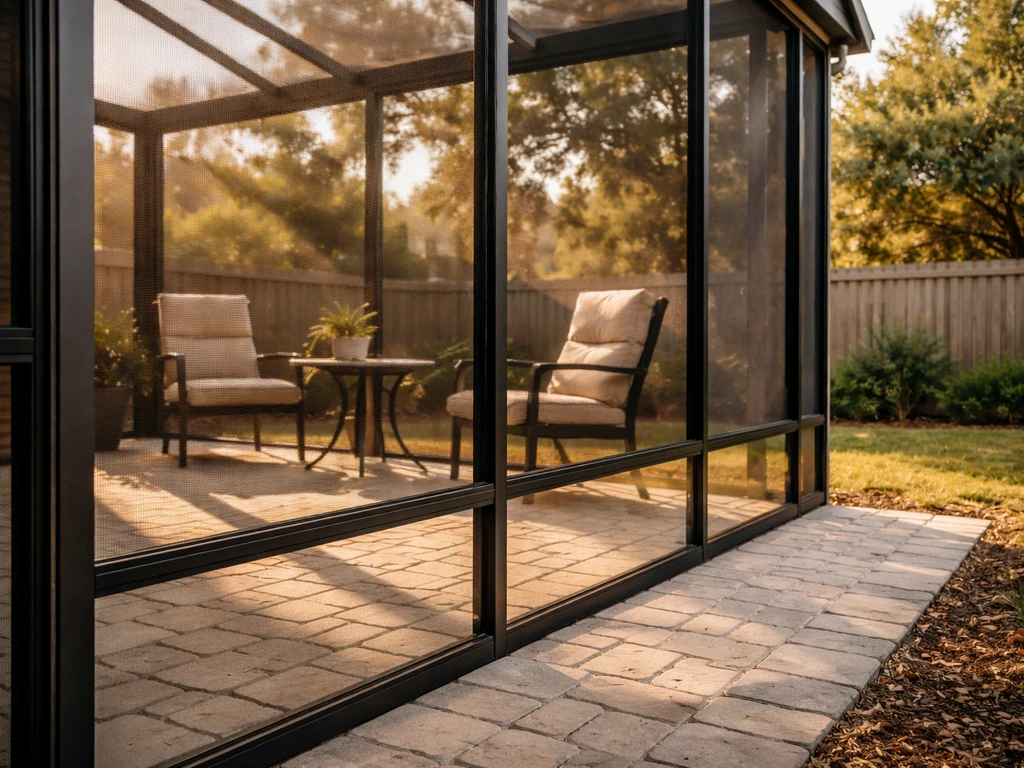
First, make sure you are talking to the right company
The name 'Patio Enclosures' causes real confusion because it is both a generic product description and the legal name of a specific company. When you search it, you will find the national brand at PatioEnclosures.com (phone 888-468-0700, headquartered at 700 East Highland Road, Macedonia, OH 44056), but you will also find dozens of unrelated local contractors who use 'patio enclosures' in their own business names. WhereOrg.com lists Patio Enclosures Inc. at 700 East Highland Road, Macedonia, OH 44056-2112 and shows the phone number (330) 468-0700 in its business listing. A review for 'Smith's Patio Enclosures' in your town has nothing to do with the Ohio-based company.
It gets more complicated because the BBB has a profile for 'Patio Enclosures, Inc.' that lists addresses in both Addison, IL and Macedonia, OH, flags the business as 'NOT a BBB Accredited Business,' shows a 'Not Rated' status, and includes a note that the company 'believed to be out of business.' That BBB entry appears to reflect an older corporate entity or a specific regional operation rather than the active national brand still selling and installing enclosures today. Before you read a single review or request an estimate, confirm you are dealing with the entity operating PatioEnclosures.com and that they actually service your zip code. The company lists service across roughly 27 states including OH, PA, IL, VA, NC, TX, GA, MN, and others, so coverage is wide but not universal.
Verify credentials before anything else
A lifetime limited warranty sounds great until you discover the installer was not properly licensed or insured and a claim falls apart. Here is what to actually confirm before any contract is signed.
- Licensing: Ask for the contractor's state license number and look it up on your state's contractor licensing board website. In most states, anyone building a permanent enclosure needs a general contractor or home improvement license.
- Workers' compensation insurance: Patio Enclosures itself advises customers to verify that anyone working on a sunroom carries workers' comp. If a worker is injured on your property and the company lacks coverage, you can be held liable.
- Liability insurance: Request a certificate of insurance, not just a verbal confirmation. The certificate should name your project address.
- Subcontracting: Ask directly whether the crew that shows up to install is a company employee or a subcontractor. If it is a sub, ask whether that sub is also licensed and insured, because warranty and accountability chains get murkier with subs.
- Years in your market: The company was founded in 1966, which is real longevity. But confirm how long the specific local franchise or dealer has been operating, because newer operators under an established brand can have a steeper learning curve.
- Permit handling: Ask whether the company pulls the necessary building permits for your project. A permanent enclosure almost always requires one. If they say permits are your problem, that is a red flag.
How to read reviews without being misled

A 3.9 on ConsumerAffairs across 164 verified reviews is a reasonably meaningful signal. A 1.9 on Trustpilot across 15 reviews is statistically thin and tends to skew negative because most people who take time to post on Trustpilot had a bad experience. Trustpilot lists patioenclosures.com with a TrustScore of 2 out of 5 (rating summary shown as 1.9/5) across 15 reviews a 1.9 on Trustpilot across 15 reviews. Neither number alone tells the full story, so you have to read the actual text of reviews and look for patterns rather than averages.
The recurring themes worth paying attention to in negative reviews include: water infiltration and leaks that were not resolved after warranty service visits, slow or difficult scheduling for service calls, communication gaps between the sales process and the installation crew, and delays in project timelines. On the positive side, reviewers frequently mention solid product quality and a smooth sales/design experience. That gap between the sales process and the post-installation service side is the most important thing to probe.
When reading reviews, apply these filters. Trust reviews that describe specific project details (location, product type, timeline, specific failure mode) over vague ones. Discount reviews that read like marketing copy or are suspiciously enthusiastic with no specifics. On Google, filter by lowest star ratings and read 10 to 15 of them looking for the same complaint appearing more than twice. One person's bad day is noise; five people mentioning the same warranty response problem is a pattern. Also check HomeAdvisor profiles for your local market, where you may find complaint themes about leaks and lack of resolution that align with or contradict what you see elsewhere.
What 'good quality' actually means for an enclosure like this
Patio Enclosures markets two main categories: three-season rooms (which are more like upgraded screen or glass porch systems that handle spring through fall comfortably but are not thermally sealed for winter) and four-season or 'all season' rooms (fully insulated, with double-pane insulated glass standard and thermally engineered framing and roof systems). The four-season option is the one to choose if you want year-round livability in a cold climate.
Double-pane insulated glass as a standard feature in four-season models is a legitimate quality indicator. Many budget competitors use single-pane glass or thin polycarbonate panels that perform poorly in temperature extremes. Framing matters too: thermally broken aluminum frames prevent heat from conducting through the metal, which reduces condensation and improves energy performance in winter. Ask specifically whether the framing system is thermally broken, not just aluminum.
On weather and structural performance, ask about wind load and snow load ratings for the specific system being installed in your area. Building codes vary by region, and an enclosure designed for the Southeast may not meet the structural requirements of a Minnesota winter. A legitimate company will size the structure to local code requirements and pull the permit that confirms this. If a salesperson cannot tell you the wind and snow load ratings of the system, that is a gap worth pushing on.
Design options include screen systems, glass systems, combinations with retractable or removable panels, roof styles, and add-ons like integrated blinds or ceiling fans. More options mean more complexity and more potential failure points, especially around seals and water infiltration. If you are in a wet climate, specifically ask how the roof-to-wall junction is flashed and sealed, and ask to see photos or references from projects in similar climates. If you want examples of patio enclosures, ask each contractor for recent photos and references from builds like yours photos or references from projects in similar climates.
Pricing, contracts, and what to watch for

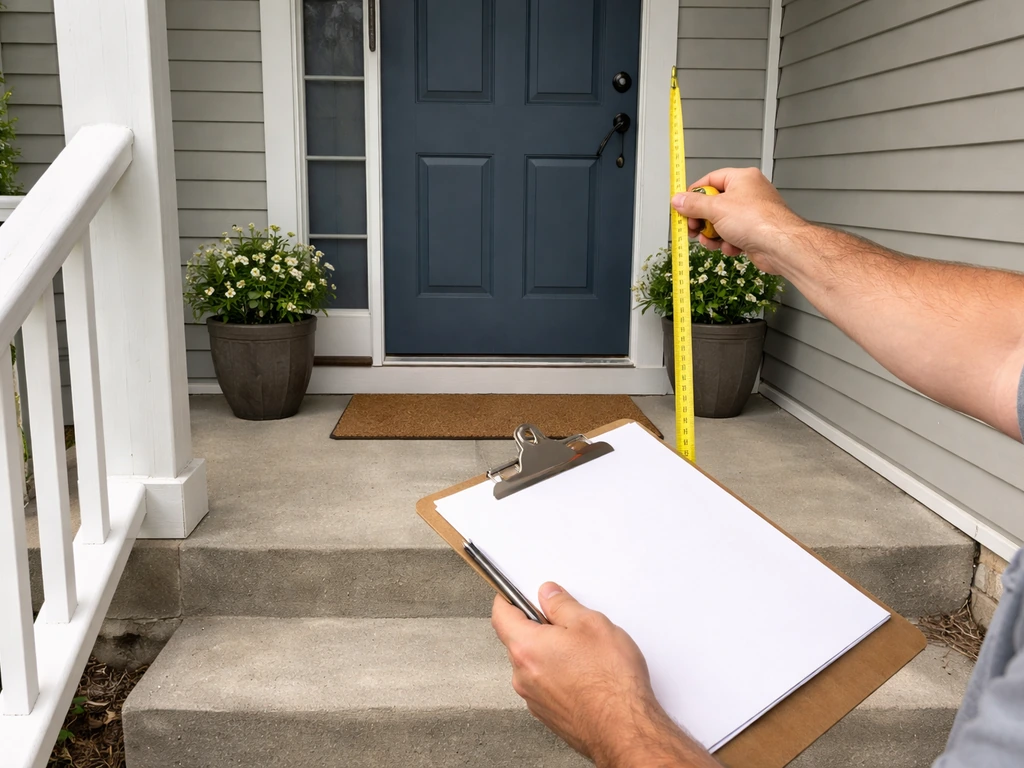
Patio Enclosures uses a free in-home estimate model, where a design consultant visits your property, measures the space, and builds a quote. That in-home process is standard and not a red flag by itself, but it does create a sales-pressure environment that you want to be prepared for. Do not sign a contract on the same visit. Take the quote home, compare it to at least two other bids, and review every line item.
The company's stated payment structure in many markets is one-third at contract signing, one-third when materials are ordered, and the final third at project completion. That is a reasonable structure. Be cautious if any company asks for more than a third upfront before materials are even ordered, as that structure protects the installer more than you.
The warranty covers manufactured products including glass, roof panels, framing, and seals for as long as you own the home. That is a legitimate lifetime limited warranty. The critical word is 'limited,' which means exclusions apply. Read the warranty document before signing the contract, not after. Ask specifically what voids the warranty (improper modifications, failure to maintain seals, etc.) and whether the labor for warranty repairs is covered or just the materials.
Get every verbal promise in writing. If a salesperson says the project will be done in eight weeks, that timeline needs to be in the contract. If they promise a specific glass upgrade or a particular color, it needs to be in the written scope of work. Change orders after signing can inflate the final cost, so make sure the contract defines how changes are priced and authorized.
How an enclosure affects your home's value and usability
A well-built four-season enclosure adds genuinely usable square footage and can increase home appeal, especially in climates where outdoor living is limited by weather. The ROI is not dollar-for-dollar, but a quality enclosure can return 50 to 70 percent of its cost in added home value in most markets, and it often accelerates a sale by making the home feel larger and more versatile. Three-season rooms return less because they are not heated space from an appraisal standpoint.
The practical livability gain is often more immediate than the resale value math. A screened porch extends comfortable outdoor time by keeping out bugs and mild weather; a four-season glass enclosure effectively adds a light-filled room you can use in January. That use-case difference is worth thinking through carefully before choosing between product tiers, and it connects directly to which system you select and how much you spend.
Your homeowner checklist before signing
Use this checklist on the first call and during the in-home estimate. If a company representative cannot or will not answer these questions directly, that tells you something.
- Ask for the legal business name and confirm it matches the entity you researched (not just a generic 'Patio Enclosures' name).
- Request a copy of the contractor's state license and verify it on your state licensing board's website.
- Request a certificate of insurance showing current workers' compensation and general liability coverage.
- Ask whether installation is done by company employees or subcontractors, and whether subs carry their own insurance.
- Ask who pulls the building permit and confirm it is included in the project scope.
- Request the written warranty document (not a marketing summary) before signing.
- Ask what specifically voids the warranty and whether labor is included in warranty repairs.
- Request the written payment schedule and confirm it matches the one-third/one-third/one-third structure.
- Ask for three references from completed projects in your area and actually call them.
- Ask to see photos of completed projects in your climate zone, specifically roofline and flashing details.
- Get the project timeline in writing, including start date and substantial completion date.
- Ask how change orders are handled and require written authorization for any scope changes.
- Confirm the specific wind load and snow load ratings of the system being installed.
Red flags that suggest moving on
- They pressure you to sign the contract during the in-home estimate visit.
- They cannot produce a license number or insurance certificate on request.
- They ask for more than one-third of the total cost upfront.
- The contract does not include a specific project timeline or payment milestones.
- They cannot tell you the wind load or snow load rating of the proposed system.
- The warranty document they provide is a vague one-page summary with no specific exclusions listed.
- They say permits are not needed for your project (almost never true for a permanent enclosure).
- Local reviews show a consistent pattern of unresolved leaks or warranty service that never gets scheduled.
Is Patio Enclosures the right choice for you?
Here is the honest framework. Patio Enclosures is a real company with 60 years of history, a legitimate product line, and a warranty that covers the things that matter most. If your local dealer has strong reviews, pulls permits, uses licensed crews, and you can verify their insurance, they are a credible option worth getting a quote from. The product quality on four-season models in particular (double-pane glass standard, thermally engineered framing) is genuinely competitive.
The risk factors are real too. The Trustpilot score is low, and the specific complaint patterns around warranty service responsiveness and water infiltration resolution are consistent enough to take seriously. When you’re looking for patio enclosure reviews, focus on recurring themes like warranty service responsiveness and water infiltration resolution rather than just the overall rating. Before committing, call the warranty service number (800-230-8301) yourself and ask a hypothetical service question just to gauge response time and professionalism. If you get someone helpful quickly, that is a good sign. If you get a runaround, that experience will repeat when you actually need help.
| Factor | What Patio Enclosures Offers | What to Verify Yourself |
|---|---|---|
| Company history | Founded 1966, 60 years in business | Confirm local dealer's operating history in your market |
| Warranty | Lifetime limited on glass, framing, panels, seals | Read full warranty document; confirm labor coverage |
| Product quality | Double-pane glass standard in 4-season models | Ask for wind/snow load ratings for your region |
| Payment structure | 1/3 at signing, 1/3 at materials order, 1/3 at completion | Confirm this structure is in your actual contract |
| Review picture | 3.9/5 ConsumerAffairs (164 reviews) | Check Google and HomeAdvisor for your local market specifically |
| BBB status | Not BBB accredited, 'Not Rated' | Verify current local dealer status independently |
| Service responsiveness | Phone and online service request available | Test responsiveness before signing by calling with a question |
Get at least two competing quotes from other local sunroom or enclosure installers so you have a baseline on price and contract terms. The comparison will quickly show you whether Patio Enclosures is pricing competitively and whether their warranty and contract structure holds up against alternatives. If you are also trying to learn who owns patio enclosures in your area, compare ownership and service practices across the alternatives before you sign. Pricing and cost considerations for enclosure projects vary significantly by size, system type, and region, so having real numbers from multiple sources is the only way to know if you are getting a fair deal. If you are wondering whether patio enclosures are expensive, the best way to judge is to compare quotes for the specific system type, materials, and your local region. If you are wondering are patios expensive, the same approach applies: compare project size, system type, and regional pricing across a few installers.
FAQ
How can I tell if “Patio Enclosures” is the correct company in my area and not a similarly named local contractor?
Verify the legal name, address, and phone on the estimate match the entity operating PatioEnclosures.com, then ask for the installer’s company license and insurance certificate for your specific zip code. If they cannot provide the local installation crew’s details before signing, treat that as a red flag.
Is Patio Enclosures a good choice if I only want a three-season room?
It can be, but confirm the system is actually designed for your winter conditions, not marketed as “all season.” Three-season rooms often still face condensation and water-management issues if roof-to-wall flashing and seal maintenance are not done correctly.
What warranty question should I ask that reveals whether warranty service will be painless or frustrating?
Ask what happens step-by-step after you submit a claim, including average response time and whether the company schedules service through the same local crew. Also ask whether labor for diagnosis and rework is covered or materials-only, since “limited” warranties frequently narrow labor coverage.
Do I need to worry about the company pulling permits and meeting code for wind and snow loads?
Yes. Ask for the specific design criteria used (wind speed and snow load) and confirm the permit is pulled under the correct scope of work. A legitimate installer should be able to connect the structural design to your local code requirements rather than offering generic statements.
What should I look for in the contract to avoid the most common enclosure cost problems?
Check how change orders are handled (who authorizes, how pricing is calculated, and when you must approve). Also ensure the written scope specifies glass type, frame type (thermally broken if four-season), roof style, and water-sealing details, so you are not paying for upgrades only discussed verbally.
Is it safe to sign the contract after the same day as the in-home estimate?
Avoid same-day signing. Sales visits can move quickly, and you want time to compare at least two other bids and to read the warranty and contract exclusions. If they pressure you to sign immediately, that usually correlates with weaker transparency later.
What’s the best way to evaluate whether leaks or water infiltration are likely in my climate?
Ask for roof-to-wall flashing details and specific seal materials used at joints, especially where the roof meets vertical framing. Then request photos from projects in climates with similar rainfall or freeze-thaw cycles, not just “close by” locations.
If I call the warranty service number, what should I use as a pass or fail test?
Use a hypothetical scenario: “I have a leak at the roof-to-wall junction, what is the process and timeline?” A pass is when they ask clarifying details, explain next steps, and provide realistic scheduling expectations. A fail is vague answers, no timeline, or refusal to discuss labor coverage and documentation requirements.
How do I confirm the framing and glass options are what they claim during sales?
Ask for the model specifications included in the quote (glass type, number of panes, thickness if listed, and whether frames are thermally broken). If it is a four-season build, confirm double-pane insulated glass is explicitly written in the contract scope, not just implied in marketing materials.
What payment terms are safest to consider with an enclosure installer?
The commonly safer structure is roughly one-third at contract signing, one-third when materials are ordered, and the final third upon completion. Be cautious if they request large amounts upfront before materials are purchased or before the permit and schedule are confirmed, since you have less leverage if something stalls.
Can ROI expectations be misleading for patio enclosures?
Yes. The value impact depends heavily on whether you are creating truly usable conditioned or semi-conditioned space and how it compares to nearby comps. Ask your contractor to estimate an energy-performance benefit or comfort target, then align it with how your area appraises improvements, since “added value” is not automatic.
What if I’m trying to figure out who owns Patio Enclosures in my area and whether service will be consistent?
Don’t rely only on brand ownership claims. Ask each local servicing office or installer for their service area, the name of the service manager (if they have one), and which crew handles warranty work. Consistency in who installs and who services is more important than ownership trivia.
Examples of Patio Enclosures: Types, Costs, and How to Choose
Real examples of patio enclosures with types, costs, pros and cons, and a step-by-step guide to choose and plan.