If you searched 'patio enclosures vs Champion,' you're most likely trying to decide between a generic patio enclosure system (screen rooms, vinyl sunrooms, aluminum-framed glass rooms) and a product or installation from Champion, a national brand that sells and installs sunrooms and enclosures directly to homeowners. Both paths can get you an enclosed outdoor space, but they differ significantly in how they're sold, what they're built from, how much they cost, and what kind of comfort you actually get year-round.
Patio Enclosures vs Champion: Cost, Comfort, and Durability

Miles Hart
1 Jul 2026
What 'patio enclosures' means (and what Champion is)
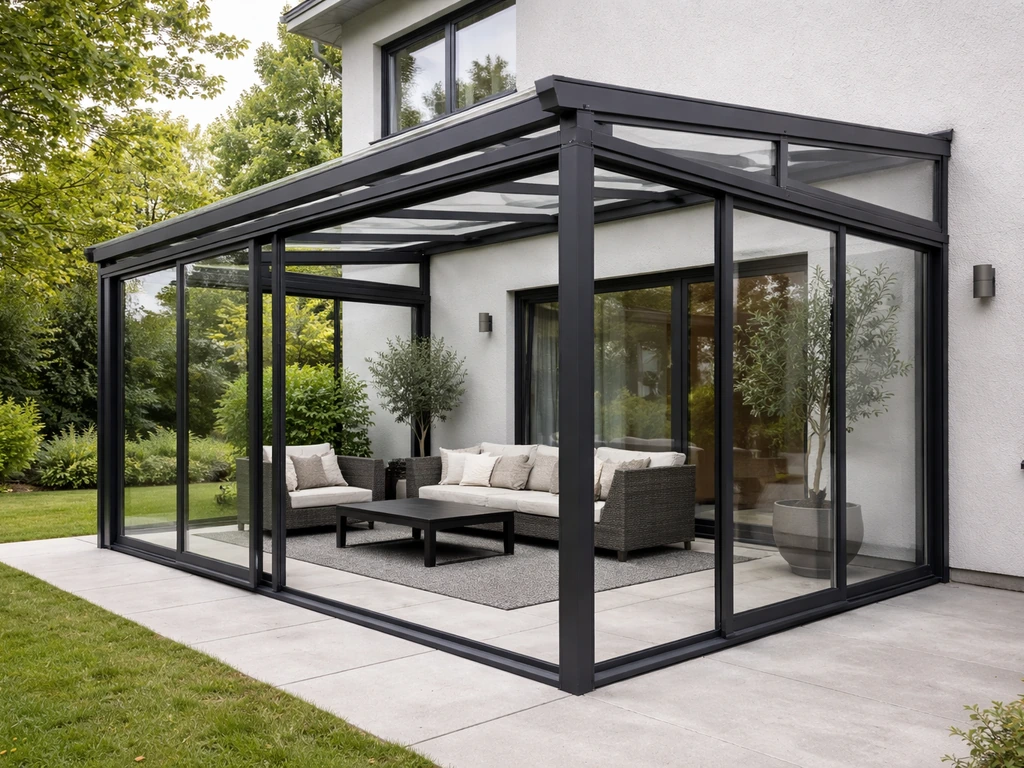
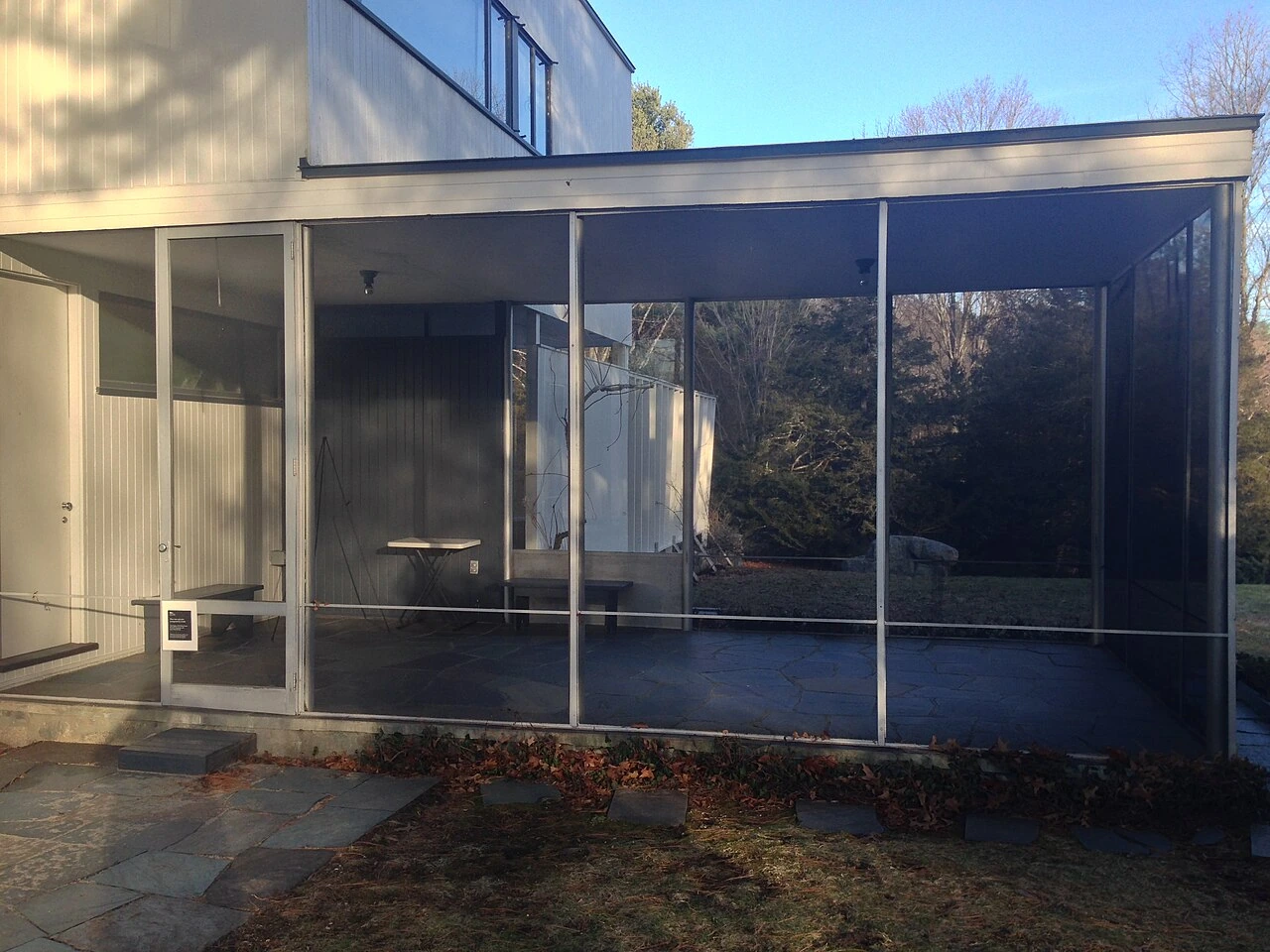
A 'patio enclosure' is a broad category. It covers anything that encloses an existing patio or outdoor area to create a more protected space: screen rooms stapled into aluminum frames, three-season vinyl or aluminum glass rooms, and fully conditioned four-season sunrooms with insulated glass and HVAC. The term is generic, the same way 'kitchen cabinet' covers everything from flat-pack boxes to custom cabinetry. The category spans a huge range of materials, performance levels, and price points. If you're looking for examples of patio enclosures, compare three-season screen rooms, vinyl or aluminum glass rooms, and four-season conditioned sunrooms side by side.
Champion is a specific company, and it's one of the larger national brands in the sunroom and window space. When someone searches 'Champion' in this context, they usually mean Champion Windows and Home Exteriors, which markets three-season and all-season (four-season) sunrooms under its own product line. Champion sells and installs its own systems, handles permitting, and backs its products with a limited lifetime warranty. So when you compare 'patio enclosures vs Champion,' you're really comparing a category against a brand that operates within that category, specifically toward the more engineered, dealer-installed end of the market.
Key differences: system type, materials, and what you actually get
The most important distinction is between three-season and four-season (all-season) systems, and this cuts across both generic enclosures and Champion's product line. A three-season enclosure uses aluminum framing with single or double-pane glass or screens, is not designed for conditioned air, and is typically not insulated to handle extreme cold. A four-season room adds insulated glass units (often Low-E/argon), a thermally broken or vinyl frame, and is built to connect to your home's HVAC. Champion sells both, and so do many regional installers and kit manufacturers.
Where Champion differentiates itself is in the delivery model and the warranty. Champion manages the full process from design through installation, and its all-season sunrooms come with a limited lifetime glass breakage and seal failure warranty included, not as an add-on. Many generic or third-party enclosure systems treat glass unit (IGU) seal failure as a separate service charge. That's a real-world difference if you're planning to stay in your home for a decade or more.
| Feature | Generic Patio Enclosure | Champion (Brand) |
|---|---|---|
| System types available | Screen rooms, 3-season, 4-season, solariums | 3-season and all-season (4-season) sunrooms |
| Frame materials | Aluminum, vinyl, wood, hybrid | Aluminum (3-season), vinyl/thermal (all-season) |
| Glass options | Single-pane, double-pane, Low-E/argon upgrades available | Double-pane standard; Low-E/argon in all-season models |
| Warranty coverage | Varies widely by manufacturer/installer | Limited lifetime glass breakage and seal failure included |
| Installation model | DIY kits, local contractors, or regional dealers | Champion-employed or certified installers; full-service |
| Permit handling | Usually buyer/contractor responsibility | Champion manages permitting start to finish |
| Price range | $75–$450+ per sq ft installed depending on type | Typically mid-to-upper range; custom quotes required |
Costs and budgeting: what you'll actually spend
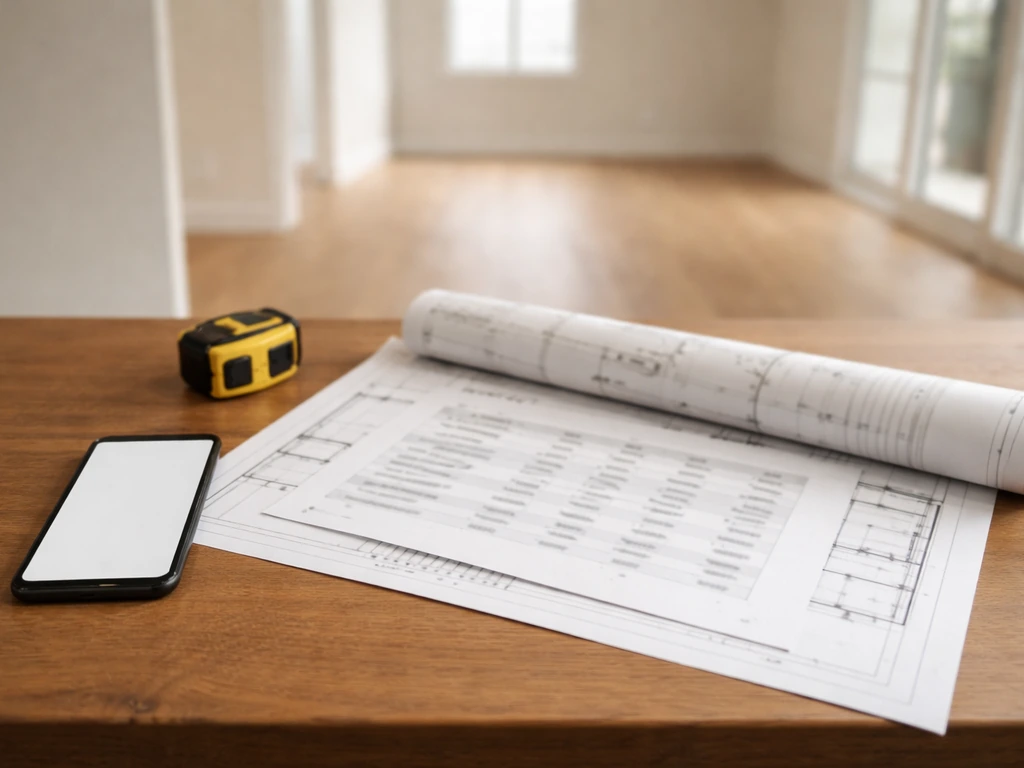
Here's what the numbers actually look like in practice. Three-season rooms run roughly $75 to $250 per square foot installed, and four-season (all-season) rooms land between $220 and $450 per square foot installed, sometimes higher with premium glazing or HVAC work. If you’re wondering whether patios are expensive, the square-foot range for screen and glass enclosures can give you a realistic budget. A 200-square-foot three-season room could cost $15,000 to $50,000 depending on where you live and what materials you choose. A comparable four-season room starts closer to $44,000 and can easily hit $90,000 with upgrades.
Champion doesn't publish a price list and requires an in-home consultation for a quote, which means you won't get a number until a rep visits. That's not unusual for full-service sunroom companies, but it does make direct price comparison harder. Expect Champion pricing to land in the mid-to-upper portion of the installed cost range, particularly for all-season rooms with their warranty and installation model factored in.
The line items that move the price most dramatically are square footage, glazing choice, foundation work, and HVAC. Glass upgrades like Low-E coatings and argon-filled IGUs are significant cost adds but matter a lot for four-season comfort. If your existing patio slab isn't level or engineered to support the load, foundation prep adds another layer of cost and time. Permitting fees vary by county but are rarely trivial for conditioned spaces.
- Square footage: the single biggest cost driver; every square foot of glass and frame adds up
- Glazing type: Low-E/argon insulated units cost more upfront but reduce heating and cooling costs
- Frame material: extruded aluminum is cheaper; thermally broken or vinyl frames cost more but perform better in cold climates
- Foundation and base: existing concrete slab vs. new footings changes both cost and timeline significantly
- HVAC integration: four-season rooms need conditioned air; running new ductwork or adding a mini-split adds $2,000 to $8,000+
- Permits and inspections: conditioned enclosures trigger electrical, structural, and occupancy inspections in most jurisdictions
- Upgrades: motorized shades, upgraded door hardware, skylight panels, or ceiling fans all stack onto the base price
Installation realities: what's DIY, what's not, and how long it takes
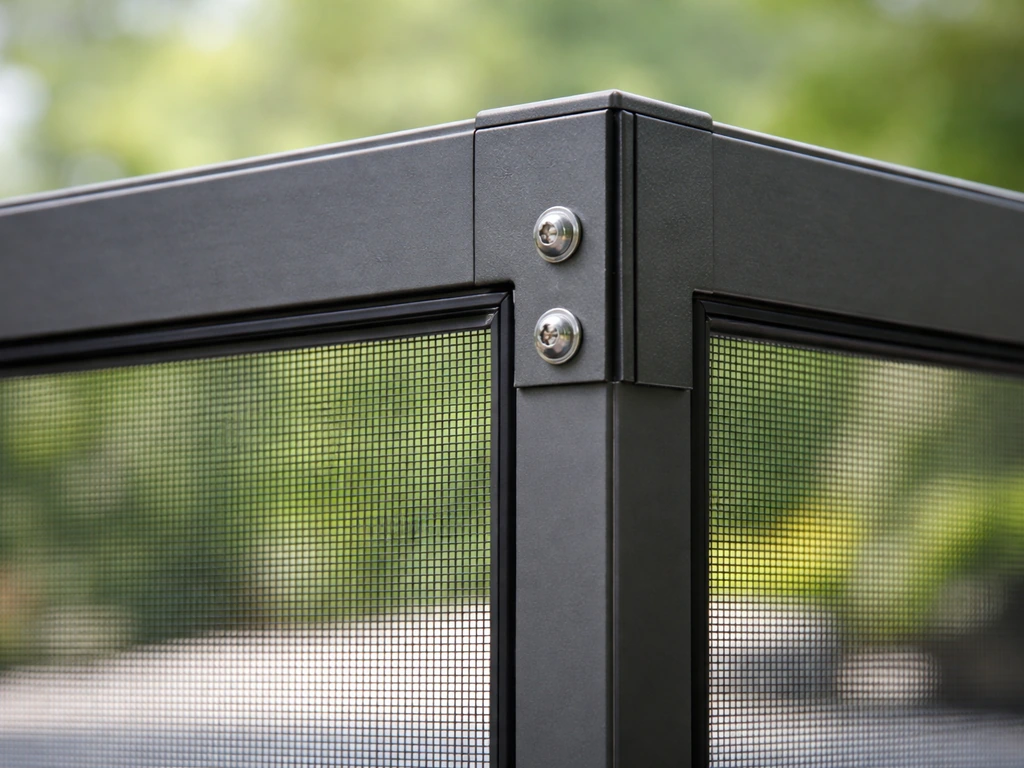
Basic screen room kits with aluminum frames are genuinely DIY-friendly if you're comfortable with basic construction. You anchor a frame to an existing slab, snap in screen panels, and add a simple roof panel. A two-person team can install a 200-square-foot screen enclosure over a weekend. That's the realistic ceiling for homeowner-installed work.
Three-season and four-season glass rooms are a different story. The framing needs to be plumb and square to within very tight tolerances or the glass panels won't seat properly and seals will fail early. The ledger connection to your house, where the sunroom ties into the home's structure, is a known failure point: an improperly flashed ledger is one of the most common sources of long-term water intrusion in sunroom additions. HVAC, electrical, and any structural modifications require licensed contractors in most jurisdictions regardless of who builds the room.
Champion handles the full install with its own crews and manages the permit process, which removes a significant coordination burden. For a comparable project through a regional contractor or kit system, you're often coordinating permits yourself, managing subcontractors for foundation work and electrical, and scheduling inspections. Neither path is fast. A realistic timeline for a permitted, four-season room runs six to sixteen weeks from signed contract to occupancy, with permitting and weather being the main variables. Site prep and foundation work usually happen in a separate phase from the enclosure install.
One thing worth knowing: conditioned patio enclosures almost always require a building permit in U.S. jurisdictions, and that permit process includes rough electrical inspections and a final occupancy inspection. If your project involves an HOA, add their approval timeline on top of the county permit process. If you're comparing companies, it's also worth clarifying who owns patio enclosures and whether the installer is the brand or a local partner. Champion explicitly accounts for this in its timeline guidance; make sure any independent contractor you work with does too.
Weather, comfort, and everyday usability
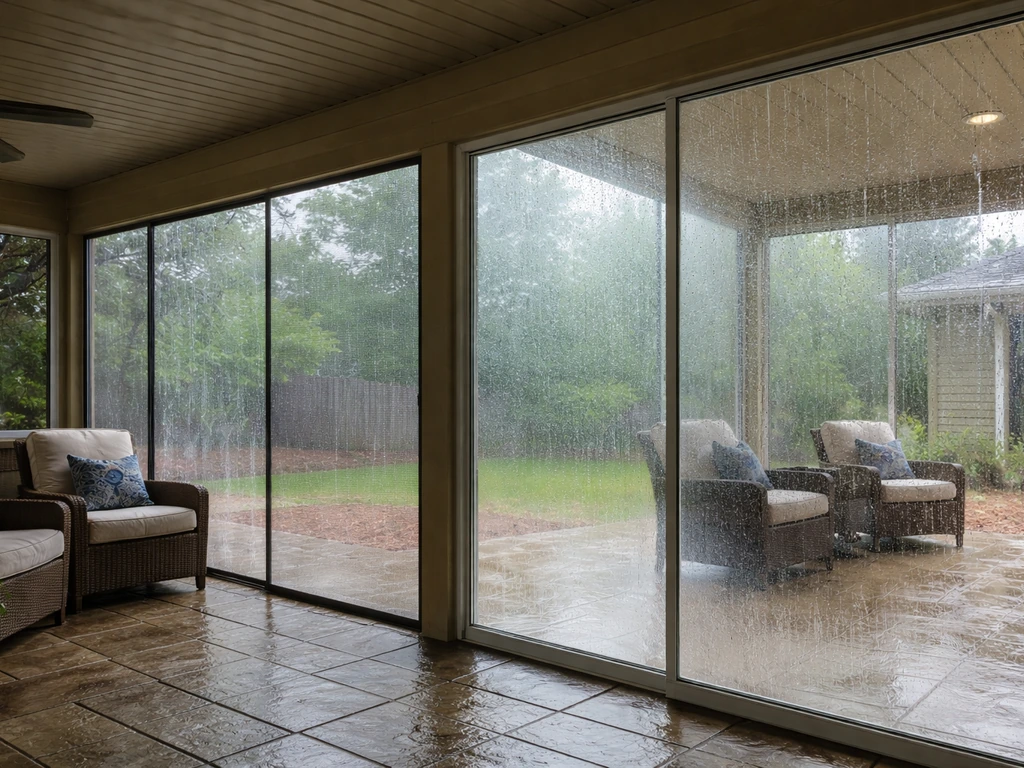
This is where the three-season vs. four-season decision matters most, and it's the conversation you should have before you pick a brand or installer. If you live in a climate with mild winters, a three-season aluminum-and-glass room gives you a comfortable space from roughly April through October, handles rain and bugs well, and costs significantly less than a conditioned room. If you're in a climate with cold winters or hot, humid summers and you want year-round use, you need a four-season system with proper insulation, Low-E glass, and a real HVAC connection.
Condensation is a real issue with full-glass enclosures that often surprises homeowners. When warm, humid air inside the room hits a cold glass surface, you get condensation, sometimes significant amounts. A well-designed four-season room with insulated glass and proper ventilation manages this much better than a three-season room or a single-pane setup. Pillar To Post notes condensation is a common problem for full-glass sunrooms, and says a well designed or constructed sunroom should be able to accommodate condensation manages this much better than a three-season room or a single-pane setup. The National Sunroom Association treats condensation management as a design and operation issue, not a defect, but if you see heavy condensation regularly, it usually means the glazing or ventilation system is undersized for your climate.
For bug control, any fully enclosed system (screen room, glass room) works well as long as the seals and screens are intact. Glass rooms obviously outperform screen rooms in wind, rain, and temperature control. Airflow in glass rooms depends heavily on the operable window and door configuration: make sure any system you buy has enough operable panels to allow cross-ventilation on mild days when you don't want HVAC running. Champion's three-season rooms use door placement strategically to help isolate the room from the main house's thermal envelope, which matters for energy efficiency.
Resale value and what appraisers actually do with a sunroom
A properly permitted, well-built sunroom or patio enclosure adds real appeal to a home, but it doesn't always add dollar-for-dollar to the appraised value. The key variable is whether the space qualifies as gross living area (GLA) for appraisal purposes. A four-season room that is heated, cooled, and finished to the same standard as the home's interior is more likely to be counted as GLA than a three-season room or screen enclosure. Documentation matters: the permit, the certificate of occupancy, and evidence of finished-heated status all affect how an appraiser treats the space.
From a practical resale standpoint, a quality glass enclosure or sunroom is a selling point in most markets, especially if it's well-maintained and clearly usable. A poorly installed or deteriorating enclosure can actually hurt the sale by raising concerns about water intrusion or deferred maintenance. This is one area where the durability of the system and the quality of the installation directly affect ROI. Champion's limited lifetime warranty on glass and seals is transferable only to the original purchaser, so it doesn't follow the home to a new buyer, something worth knowing if resale is part of your thinking. Champion’s warranty materials also explain that coverage is limited and exclude issues tied to improper installation or lack of maintenance, along with certain types of damage Champion’s limited lifetime warranty on glass and seals is transferable only to the original purchaser.
How to choose: the questions that actually matter
Before you call any installer or request a Champion consultation, work through these questions. If you are trying to evaluate is patio enclosures a good company, start by comparing what different providers include in design, permitting, installation, and warranty Champion consultation. The answers will tell you which category of enclosure you need before you decide who should build it.
- What climate do you live in? If you have hard winters (below 20°F regularly), a three-season room won't be comfortable without HVAC. Budget for a four-season system or adjust your expectations.
- How many months per year do you realistically want to use the space? Three to seven months of use points to three-season. Year-round comfort requires a four-season design.
- What's your actual budget including permits and site prep? Don't price only the enclosure kit or base quote. Add 15–25% for foundation work, electrical, permits, and finishing.
- Do you have an existing concrete slab in good condition? If yes, installation is simpler and faster. If not, budget for footings or a new slab before the enclosure work begins.
- How important is warranty and installation accountability to you? If you want one company to own the whole project and stand behind the glass long-term, a full-service brand like Champion is worth the premium. If you're comfortable managing subcontractors and want more price competition, a regional installer or kit system gives you more flexibility.
- Does your HOA require approval? If yes, get that process started before you sign any contract, regardless of who you hire.
- Are you planning to sell within five years? If so, factor in that warranty coverage doesn't transfer and that permit documentation will matter to buyers and appraisers.
As a next step, measure your patio space accurately (length, width, and the height of any existing roof or overhang) and photograph the area from multiple angles before any consultation. As a next step, measure your patio space accurately (length, width, and the height of any existing roof or overhang) and photograph the area from multiple angles before any consultation, and then check patio enclosure reviews to compare real-world comfort and install quality. Get at least three quotes: one from Champion if they serve your area, one from a regional sunroom installer, and one from a local general contractor familiar with additions. Compare them on scope, materials specs, permit handling, and warranty terms, not just the bottom-line number. The price gap between a screen enclosure and a four-season glass room is large enough that getting clear on which type you actually need will save you more money than negotiating any single quote.
FAQ
What should I verify in the quote before I compare patio enclosures to Champion?
Ask whether the quote includes the enclosure roof, gutters or drainage detailing, and full glazing specs (glass thickness, Low-E coating, and whether argon fill is included). Many “patio enclosure” quotes bundle a basic version, then price upgrades separately, which can make a generic system look cheaper than it will be at the comfort level you want.
Will a three-season enclosure work for winter use in my climate?
Three-season systems often feel “warm” on milder days but can still be uncomfortable in winter due to limited insulation and airflow leaks. A practical test is to ask the installer to estimate interior temperatures in your coldest typical month and to confirm whether the room is intended to be heated or unheated.
Does Champion’s limited lifetime warranty cover the same issues as generic patio enclosure warranties?
Look for how the installer defines “lifetime” and what it covers specifically (glass breakage, IGU seal failure, hardware, frame, labor). Also confirm whether the warranty is transferable at resale and whether any exclusions apply to improper ventilation, maintenance neglect, or nonstandard HVAC connections.
How do I prevent condensation inside a glass patio enclosure?
Even if you keep it “three-season,” glass rooms can develop heavy condensation when ventilation is undersized or when operable vents are limited. Ask for the planned condensation control approach (vent placement, operable panel count, and any recommended humidity settings), especially if your home has high indoor humidity.
What foundation problems most often drive up the cost of patio enclosures?
Foundation work can become the biggest hidden cost if your slab is cracked, out of level, or not designed for point loads. Request the installer’s plan for load assessment and what they will do if they find slab settlement, a deteriorating patio edge, or inadequate anchoring points.
Do I need permits for both three-season and four-season patio enclosures?
Yes, for fully conditioned additions, you typically need permits for electrical (often a dedicated circuit), HVAC modifications, and plumbing if applicable. Ask whether the installer pulls the permits and schedules all inspections, or whether you must coordinate rough-in and final sign-offs yourself.
How do HOA approvals affect patio enclosure timelines and design choices?
If you live in an HOA community, get the enclosure drawings and review timeline before you sign. Many projects stall because approvals require specific elevations, materials, and even roof line changes, which affects design selection and may push installation dates.
What should I ask about operable windows and airflow for comfort without HVAC?
Cross-ventilation depends on operable windows and door configuration. Ask for the operable-to-fixed glass ratio, where vents are placed relative to prevailing airflow, and whether you’ll be able to open enough panels to avoid running HVAC on mild days.
Will a four-season sunroom count as GLA for appraisal, and what documentation matters?
Resale value varies by whether the enclosure is treated as gross living area (GLA) and whether it is finished and maintained to match the home. Ask your builder or contractor what documentation will be issued (permit type, certificate of occupancy, and inspection results), since appraisers look for finished, heated or conditioned status.
How can I compare two quotes when their scopes seem similar but results differ later?
To compare apples to apples, make sure each quote includes identical glazing performance levels, similar roofing construction, and the same anchoring and flashing details at the ledger connection. Differences in flashing quality and water management often show up later as maintenance issues, which can be worse than a small upfront price difference.
Next Article
Who Owns Patio Enclosures? How to Identify the Right Owner
Learn who owns patio enclosures by checking HOA, permits, deeds, easements, and rental docs for quick repair or change a