Patio enclosure reviews are most useful when you know what signals to trust and which red flags to take seriously. The short version: recurring complaints about leaks, door hardware failures, and slow warranty response are the most predictive warning signs across review platforms, and they usually point to flashing/sealing problems at roof-to-wall transitions, not just cheap materials. If you see those patterns consistently across a brand or installer, that tells you something real. A handful of one-star reviews about scheduling delays tells you much less.
Patio Enclosure Reviews: How to Compare and Choose

Miles Hart
30 Apr 2026
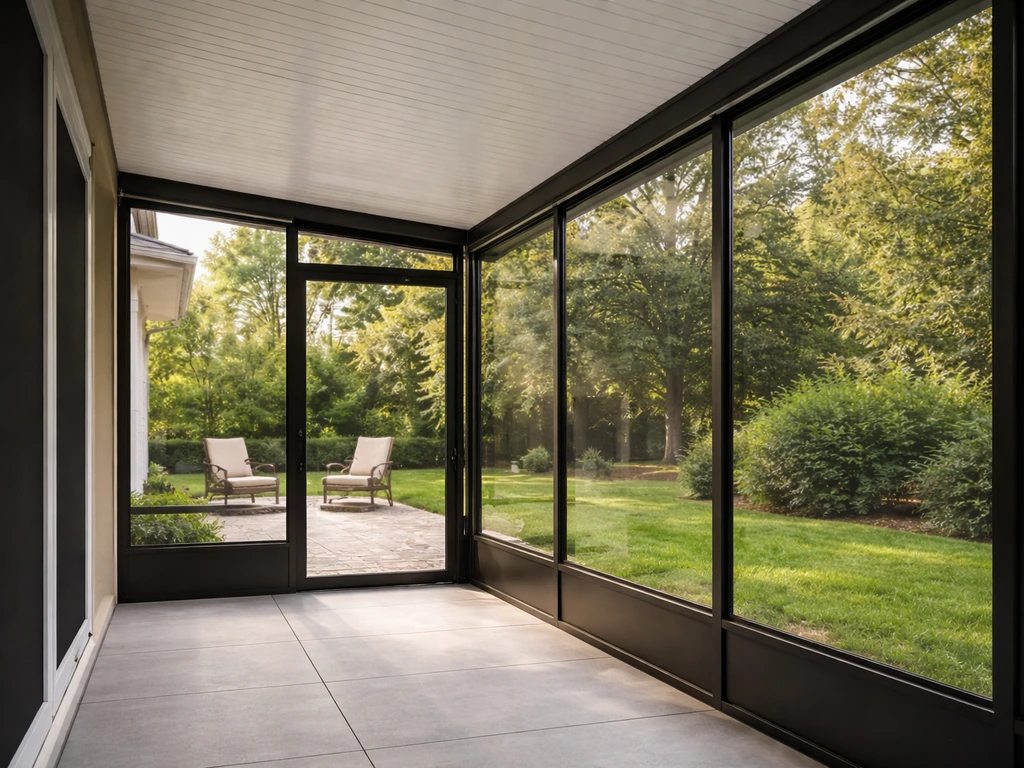
What a patio enclosure actually fixes (and what reviews should reveal)
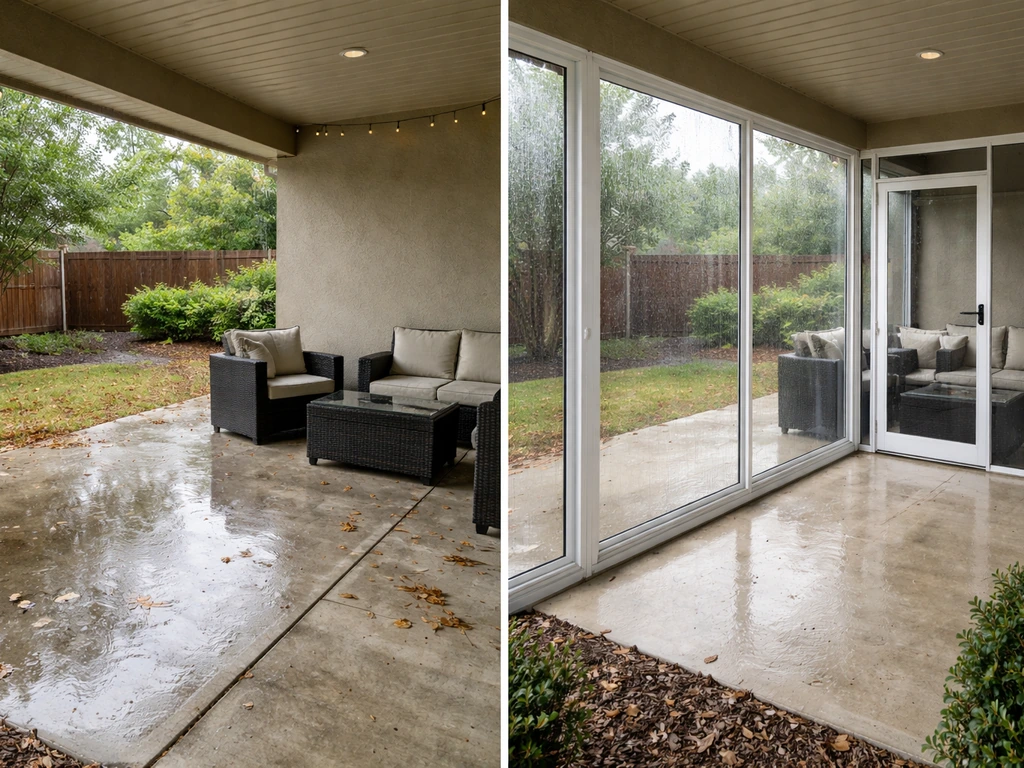
Before you read a single review, it helps to be clear on what a patio enclosure is supposed to do for your specific situation. Most homeowners add one to solve a concrete problem: bugs, rain, too much sun, or wanting usable outdoor space for more months of the year. The problem is that 'patio enclosure' covers a wide range of products, from a simple screen room stapled to an aluminum frame to a fully insulated four-season sunroom with double-pane glass, HVAC, and a real roof. A screen room that performs perfectly in Florida will disappoint someone in Minnesota who wants year-round use.
What reviews should reveal, at minimum, is whether the enclosure actually solved the problem it was purchased to solve. Did it keep bugs out? Does it stay dry in heavy rain? Is it comfortable in summer heat or winter cold? Those are the functional tests. Reviews should also tell you whether the company showed up on time, communicated clearly, and stood behind the work when something went wrong. When reviews consistently praise or criticize both dimensions (product performance AND company follow-through), that is the signal worth acting on.
- Bug and pest resistance: does the screen seal fully at door sweeps, corners, and sill gaps?
- Water management: does the roof shed rain cleanly, or do seams and flashing joints leak?
- Temperature comfort: does the enclosure stay usable in your climate's hottest and coldest months?
- Condensation and mildew: do reviews mention musty smells, fogged glass, or moisture buildup?
- Door and hardware function: do latches, locks, and sliders still work properly after a year or two?
- Noise: does the roof rattle in wind, or does rain make the space unusable?
- Warranty responsiveness: when something failed, how long did it take to get a resolution?
How to evaluate patio enclosure reviews by quality signals
Not all reviews are equally informative. A five-star review that says 'looks great!' tells you nothing about whether the enclosure holds up in a storm two years later. The reviews worth weighing heavily are the ones that describe specific failure modes or specific successes, mention a timeline (how long they've had it), and say what happened when they contacted the company about a problem.
Here is a practical checklist for grading a review's usefulness. A review that mentions three or more of these factors is far more trustworthy than a generic rating.
- Material quality: does the reviewer mention frame thickness, screen gauge, glass type, or hardware finish?
- Installation workmanship: were seams, flashing, and caulk lines done cleanly? Any gaps at corners or roof edges?
- Fit and finish: did the enclosure match the quoted dimensions and attach cleanly to the house?
- Weather resistance: specific mentions of rain, wind, or snow performance after real weather events
- Bug and sun performance: actual months of use, not just 'it works great'
- Insulation and temperature: comfort data across seasons, especially for glass enclosures
- Door and lock function: latch alignment, slider smoothness, and how they held up over time
- Hardware longevity: corrosion on hinges, screws, and frames after 1-3 years
- Cleaning and maintenance: ease of keeping screens, glass, and frames clean
- Noise in wind and rain: especially relevant for polycarbonate and metal roofs
- Warranty responsiveness: specific timeline from complaint to resolution
- Change orders and cost transparency: did the final bill match the quote?
- Communication and timeline: did the installation happen when promised?
When you see a pattern of negative reviews that all cite the same specific issue (say, leaking at the roof line, or a sliding door that stopped latching within months), that is much more diagnostic than a batch of vague complaints. Patterns indicate a systemic problem with either the product design or the installer's technique, not just bad luck.
Google reviews vs Consumer Reports vs complaints: how to interpret each

Each review source has a different bias and a different use case. Using them together gives you a much clearer picture than relying on any one source alone.
Google reviews
Google reviews skew toward emotional peaks: people who are very happy or very frustrated. They are most useful for spotting installation quality patterns and responsiveness signals from local contractors. Search the installer's name plus your city, not just the brand name, since the same national brand can be installed by franchisees with wildly different quality levels. Look at the reviewer's history if you can: a reviewer who only ever left one review is harder to verify than someone with a review history.
Consumer Reports and independent testing
Consumer Reports does not currently rate patio enclosure systems as a product category the way it rates appliances or cars. What it does offer is useful warranty guidance: read the fine print, note the model and purchase date before contacting warranty service, and make sure manufacturer installation requirements are met or the warranty may be void. That last point is critical for patio enclosures: if an installer skips a required flashing detail or fails an inspection, the manufacturer may have grounds to deny a warranty claim. Independent testing for enclosures is sparse, so you are largely working from customer-reported data.
BBB complaints
The BBB's value is in the dispute resolution paper trail, not the letter rating itself. When you read a BBB complaint, look at whether the business responded, how long it took, and whether the consumer marked it resolved. BBB also describes the complaint filing process on BBB. org and explains how BBB handles complaint submissions [BBB complaint](https://www.
bbb. org/article/tips/13988-bbb-tip-how-to-complain). The BBB notifies the business and asks both sides to respond; a company that consistently fails to respond gets a lower rating, and that non-response pattern is a real signal. A complaint where the business replied, offered a resolution, and the consumer updated their status is very different from a complaint that sat ignored for months.
Read both the complaint and the response, not just the star count.
Yelp and Trustpilot
Yelp and Trustpilot complaints for enclosure companies often surface the most specific functional failures. Real complaints on these platforms mention things like sliding doors that stopped latching within months of installation, roofs that still leaked after multiple service calls, and delays of over three months to get repair attempts scheduled. These platforms also show permitting and process friction: one common complaint type involves the contractor struggling to produce engineering calculations required for a building permit, which then delays the project and often signals broader project-management problems. Take these specifics seriously.
Common customer complaints and likely root causes
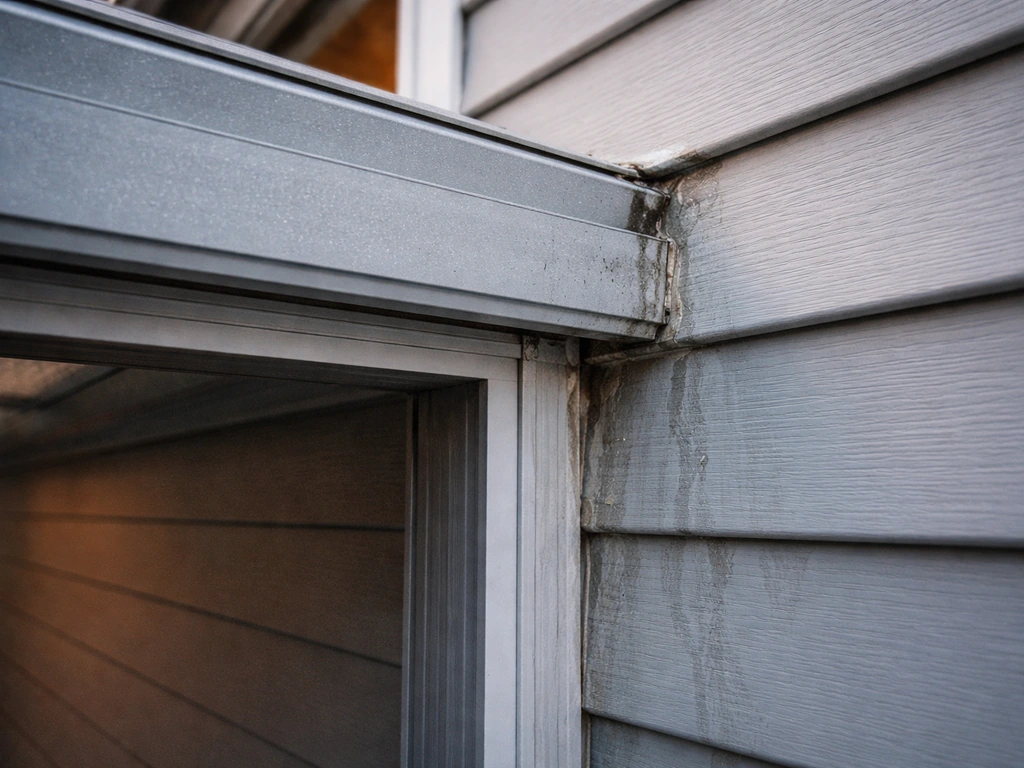
Understanding why the most common complaints happen helps you evaluate your risk before you buy, not just commiserate with unhappy owners afterward.
| Complaint | Likely Root Cause | Risk Level |
|---|---|---|
| Leaks during heavy rain | Failed flashing or sealant at roof-to-wall transition; poor seam engineering at panel joints | High — often requires full re-flashing or replacement if widespread |
| Mildew smell and moisture buildup | Water intrusion + inadequate drainage design near base anchors; poor ventilation balance | Medium-High — structural damage risk if left unaddressed |
| Sliding door won't latch | Frame racking during installation; misaligned track; hardware spec too light for door weight | Medium — usually repairable but signals broader fit/finish issues |
| Condensation on glass | Single-pane glass in a climate requiring insulated units; over-sealed space without ventilation | Medium — design issue, not always fixable without glass replacement |
| Screen gaps and bug entry | Inadequate door sweeps; corner seal failures; improper tension during installation | Low-Medium — often maintainable with caulk and sweep replacement |
| Warranty response delays (3+ months) | Company capacity/staffing; franchise vs corporate structure; undocumented installation specifics | High — indicates systemic follow-through problem |
| Final cost higher than quote | Change orders added during permitting; unanticipated structural requirements; permit fee underestimates | Medium — manageable with a detailed written contract upfront |
| Roof noise in wind or rain | Polycarbonate or thin metal roof panel resonance; insufficient fastener spacing | Low — annoying but not structural; sometimes improvable with added fasteners or insulation |
The single most important pattern to watch for is repeated service calls that still leave the system failing. If reviews describe a company making two or three repair attempts at a leak without resolving it, that is a strong signal the underlying problem is a design or flashing issue that requires more than a patch. In older or corroded systems, the professional recommendation typically shifts from repair to full replacement, which is a much larger expense than the original installation.
Comparing enclosure types and options for your climate and budget
The type of enclosure you choose determines which complaints are even possible. If you want ideas before you compare reviews, reviewing patio enclosure examples side by side can make it easier to spot which tradeoffs match your climate and goals. A screen room cannot have condensation problems; a four-season sunroom cannot have bug entry issues through the glass. EPA notes that blank" rel="noopener noreferrer">signs of inadequate ventilation can include stuffy air, moisture condensation on cold surfaces, and mold or mildew growth. Matching the enclosure type to your actual climate and goals eliminates a whole category of potential disappointments before you even read reviews.
| Enclosure Type | Best Climate Fit | Typical Cost Range | Main Strengths | Common Complaints | DIY Friendly? |
|---|---|---|---|---|---|
| Screen room (aluminum frame) | Warm/humid climates; mild winters | $3,000–$10,000 | Airflow, bug control, affordable | Leaks at frame joints, screen sagging, door latches | Moderately — kits available |
| Hard-top screen enclosure | Southeast, Gulf Coast, subtropical | $8,000–$20,000 | Rain protection + airflow, durable roof | Panel seam leaks, water pooling at dimples, noise | Less so — roof engineering matters |
| Three-season sunroom (single-pane) | Mild climates; spring/summer/fall use | $15,000–$35,000 | Glass views, weather protection, light | Condensation in cold, drafts, leaks at roof line | Rarely — permit/framing required |
| Four-season sunroom (insulated glass) | All climates; year-round use | $30,000–$80,000+ | True livable space, HVAC-compatible | Cost, condensation if under-insulated, permit complexity | No — requires licensed contractor |
| Polycarbonate panel enclosure | Flexible; budget-conscious option | $5,000–$18,000 | Lightweight, faster install, UV filtering | Yellowing over time, noise, lower insulation value | Sometimes — depends on system |
For most homeowners in warm to moderate climates who want bug-free outdoor living without a major renovation, a well-installed hard-top screen enclosure or three-season room hits the best value point. For anyone who genuinely wants to use the space in winter or plans to heat and cool it, skimping on insulated glazing and envelope design is the single most common and expensive mistake. That said, the cost can vary a lot depending on whether you’re aiming for a three-season enclosure or a fully insulated four-season setup expensive. Reviews from four-season room buyers in cold climates who chose single-pane glass consistently describe condensation problems and uncomfortable temperatures, and those problems are baked into the design, not something a warranty call will fix.
If you are comparing a national brand like Patio Enclosures (now part of Great Day Improvements) against a regional or local contractor, cost and customization often favor the local route, but warranty and systemized installation processes may favor the national brand, depending on the local franchise. Looking at how different options stack up on cost and company reputation is worth doing before you finalize a vendor. If you are wondering whether are patios expensive, compare total installed cost, including materials, permitting, and labor, rather than just the base price.
Questions to ask before you buy or hire (and what to verify)
The homeowners who have the fewest complaints are almost always the ones who did their verification upfront. Here is what to ask and confirm before signing anything. It also helps to confirm who owns the patio enclosure company you are hiring, since ownership affects accountability and how warranty disputes get handled who owns patio enclosures.
About the product
- What is the frame material and wall thickness? (Thicker aluminum extrusions resist racking better.)
- What type of glazing or screen is included, and what is the warranty on the material itself?
- How is the roof attached to the house, and what flashing system is used at the roof-to-wall junction?
- Is the glazing single-pane or insulated? What is the U-factor if you plan to heat or cool the space?
- How are door hardware and latch components rated? What is the warranty on hardware specifically?
About the installation and permits
- Will you pull the permits, or am I responsible? (Always have the contractor pull permits.)
- What inspections are required in my municipality, and which ones do you handle?
- Do you have experience producing engineering calculations for permit applications in this jurisdiction?
- What does the foundation or slab attachment look like, and how does it handle drainage at the base?
- Can I see photos or visit a completed installation similar to mine in age and type?
About the contract and warranty
- Is the warranty on labor separate from the manufacturer's product warranty, and who handles each?
- What voids the warranty? (Ask specifically about maintenance requirements and inspection failures.)
- What is the process for a warranty service call, and what is the stated response time in writing?
- Are there any conditions under which the warranty does not transfer if I sell the home?
- What change order triggers exist, and how are they priced and communicated before work proceeds?
References and verification
- Ask for three references from installations completed at least two years ago (not last month).
- Contact the references and specifically ask about any problems that came up and how the company responded.
- Search the installer's name (not just the brand) on Google, Yelp, and BBB separately.
- Verify the contractor's license and insurance with your state licensing board directly, not just their website.
- Check whether their BBB profile shows complaint patterns and whether those complaints received responses.
DIY vs pro installation: when each makes sense and what it changes
Whether you can DIY a patio enclosure depends almost entirely on the type of enclosure you are adding. The range goes from genuinely manageable weekend projects to work that legally requires licensed contractors and inspections.
When DIY is realistic
Basic aluminum-framed screen rooms with prefabricated kits are the most DIY-accessible option. Several manufacturers sell complete systems designed for homeowner installation, and a mechanically capable person with a drill, level, and a helper can complete a modest screen room in a long weekend.
The risk is in the flashing and sealing details: if you skip the caulk at critical frame-to-wall junctions or install flashing incorrectly at the roof connection, you will get the most common complaint in the review database, which is leaks during heavy rain. A HomeImprovement Reddit discussion about a pitch transition leak in a screen porch notes flashing overlap and edge condition concerns and how those repair approaches are typically handled flashing and sealing details.
If you go the DIY route, budget time to do those details right and use a quality polyurethane sealant rated for outdoor use.
Polycarbonate panel enclosures and some hard-top screen systems also have DIY-friendly versions, but panel seam management becomes more critical, and the potential for water pooling at panel joints is real. Review the manufacturer's installation manual before purchasing: if the instructions reference engineering calculations or specific fastener torque specs, treat that as a sign that the install is less forgiving than it looks.
When you need a pro (and it is not optional)
Three-season and four-season sunrooms almost always require permits, and permits almost always require a licensed contractor to pull them. Many municipalities classify sunrooms under habitability or structural categories that trigger foundation, electrical, and exit requirements. If you try to DIY a sunroom without permits and later sell your home, the unpermitted addition can create real problems at closing. Beyond legality, the structural attachment of a sunroom to your home's wall framing, the roof load calculations, and the flashing system at the roofline are not forgiving of improvisation. This is where the complaints about leaks at the roof-to-wall transition are most severe and most expensive to fix after the fact.
The practical dividing line is this: if the project requires a permit in your municipality, hire a licensed contractor. If it does not require a permit and you are comfortable with basic carpentry and following detailed instructions, a screen room kit is a reasonable DIY project. Everything in between (hard-top enclosures over a certain size, glass panel systems) deserves an honest assessment of your skill level and a read-through of the full installation manual before committing.
| Enclosure Type | Permit Typically Required? | DIY Feasibility | Key DIY Risk | Pro Advantage |
|---|---|---|---|---|
| Basic screen room kit | Sometimes (check locally) | High | Flashing and sealing at wall/roof | Faster, warranty intact |
| Hard-top screen enclosure | Often yes | Medium | Panel seam leaks, roof load | Engineered attachment, permit handling |
| Three-season sunroom | Yes | Low | Structural attachment, glazing seal | Permit, licensed framing, inspections |
| Four-season sunroom | Yes (always) | Not recommended | Everything: insulation, HVAC, code | Full code compliance, warranty, resale value |
How to put it all together: a decision framework
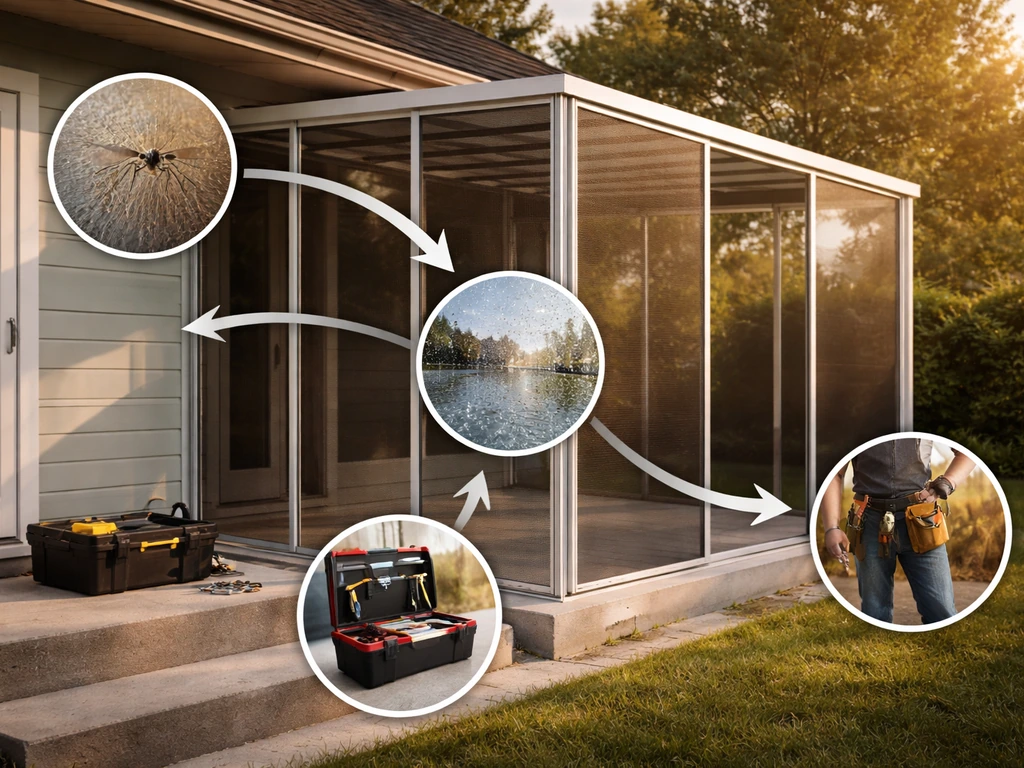
Here is a direct recommendation framework based on what real reviews tell us about where buyers end up happy versus frustrated.
- If your main goal is bug control and you live in a warm climate: a well-installed aluminum-framed screen room is the right call. Focus review research on flashing quality and door hardware complaints from your specific installer.
- If you want weather protection plus airflow and live in the Southeast or Gulf Coast: a hard-top screen enclosure with a proper engineered roof is worth the extra cost over a basic screen room. Prioritize installers with documented panel-seam and drainage details.
- If you want a three-season room and live in a mild climate: hire a licensed contractor with permit experience in your municipality. Red flag any proposal that does not mention permitting upfront.
- If you want year-round use in a cold climate: insist on insulated glass (double-pane minimum), a proper roof insulation system, and HVAC rough-in. Single-pane glass in a cold climate is the most common source of four-season sunroom regret in the review data.
- If a national brand is your leading option: research that brand's local franchise or dealer specifically, not the brand's aggregate reviews. A franchise that handles permits smoothly and responds to warranty calls within a reasonable timeframe is the real differentiator.
- If you are deciding between DIY and pro: match the enclosure type to the permit requirement in your area first, then assess your skill level for the flashing and sealing details that drive the most common complaints.
The homeowners who feel best about their patio enclosures, based on what the strongest positive reviews describe, are the ones who were clear about what they needed the space to do, matched the enclosure type to that goal and their climate, hired an installer who was specific about flashing and sealing details, and got the warranty terms in writing before signing. That is not complicated, but it does require doing the work upfront instead of relying on a brand name or a polished showroom to make the decision for you.
FAQ
Which patio enclosure reviews are the most trustworthy, and what details should I prioritize when reading them?
Use a quick filter: pick only reviews that state how long the enclosure has been installed (at least 12 to 24 months is ideal) and include a specific outcome (leak/no leak, bug control, door latch performance, temperature comfort). Then ignore reviews that are purely aesthetic or that never mention whether the enclosure was subjected to your local weather (heavy rain, summer humidity, winter freeze).
How do I tell whether a negative review is actually relevant to the enclosure type I’m considering?
Compare the review’s described failure point to the enclosure type. Roof-to-wall leaks and door hardware failures are common across hard-top and glass systems, but bug-entry complaints are more relevant to screen and three-season options. If a reviewer’s complaint involves an issue that your enclosure type cannot realistically have (like condensation in a screen room), treat it as low-signal.
What should I confirm about warranty coverage before I sign, especially to avoid denial after a problem?
Ask for the exact warranty name and coverage scope, then confirm in writing who provides service (manufacturer, installer, or a third-party). Also request proof that the installer followed required steps like flashing details, inspection sign-off, and any model-specific installation requirements, because warranty claims can be denied when those steps were missed.
If I see reviews saying “they repaired it but it still leaks,” what does that usually mean for my risk?
Track the repair timeline, not just the number of visits. Two or three service calls that still do not stop the same leak usually indicate a systemic install or flashing problem rather than a minor fix. As a practical rule, if the problem repeats at the same location, push for a formal root-cause assessment or a redesign, not another patch.
Why do patio enclosure reviews sometimes look inconsistent between the same brand, and how can I account for that?
Different brands can be installed with different quality because local franchisees or independent contractors may handle flashing, fasteners, and inspections differently. To reduce variance, search “installer name + your city” and confirm the specific installer assigned to your project, not just the brand that sold the enclosure.
What permitting-related red flags should I look for in patio enclosure reviews, and what should I ask my contractor?
Before paying a deposit, ask what permitting path applies to your exact enclosure model and size. If permits are required, confirm who is responsible for submitting drawings, engineering calculations, and schedule coordination. Reviews that mention permit delays often point to weak project management, which can continue after installation.
How can I use BBB complaints effectively without getting misled by the final star rating or “resolved” labels?
Do not rely on “resolved” language alone. If a BBB complaint says it is resolved, read the company response and the consumer update to see whether the enclosure actually stopped the problem (for example, the leak location was addressed, not merely re-caulked). Also check the response time, ignored issues, and whether similar complaints repeat.
What contract details should I request so I do not end up with an enclosure that performs differently than the reviews I’m reading?
Get the installer to list the enclosure’s key spec decisions in your contract (glass type, wall system, roof build-up, door model, and whether caulking/sealants are specified). Many review complaints are really about mismatched design choices, like selecting less insulation or single-pane glazing for a climate where buyers later face condensation and poor comfort.
Are there specific quality checks I should request before the job is considered complete?
Ask whether the contractor performs a post-install water test and alignment check, especially at roof-to-wall transitions and door tracks. For screen and panel systems, ask about seam treatment, drainage behavior at joints, and how they prevent water pooling. Reviews often show that skipped verification steps correlate with early failures.
What types of patio enclosures are realistic for DIY, and where do DIY projects most often go wrong?
DIY is most realistic for basic aluminum-framed screen rooms with prefabricated kits, because the critical risk still is flashing and sealing at junctions. For polycarbonate and panel systems, seam management and water pooling are common failure points, so only DIY if the manual is detailed and you can follow it exactly. For sunrooms that require permits, assume you need a licensed contractor due to structural attachment, electrical, exit requirements, and inspection.
Next Article
Grass Is Higher Than Patio: Causes, Fixes & Deck vs Patio
Grass higher than patio? Causes, slope checks, repair options, lower lawn, raise patio, or build a deck, with costs & DIY