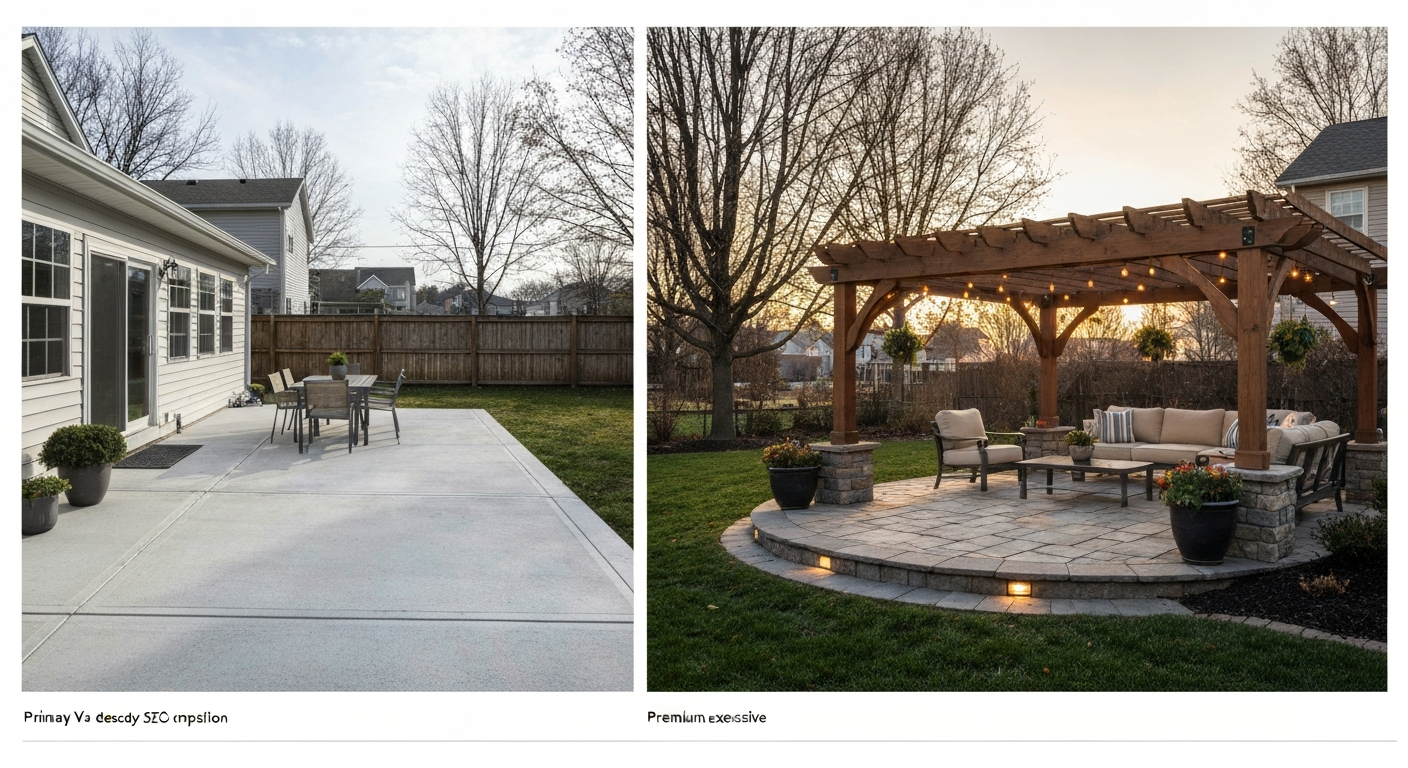
Patios are not expensive compared to most outdoor renovation options. A typical installed patio runs between $2,028 and $6,088 nationally, with the average landing around $4,005 for a standard concrete or paver job. That puts a patio well below a composite deck and far below a full sunroom addition. The catch is that costs vary a lot depending on material choice, size, site conditions, and whether you add a cover or enclosure. A basic concrete slab is one of the most affordable ways to add usable outdoor space. A natural stone patio with a pergola roof and built-in lighting is a different project entirely.
Are Patios Expensive? Cost Guide, Materials & ROI

Miles Hart
22 Jul 2026
How to read this guide and the cost assumptions used
All cost figures in this article reflect installed costs (materials plus labor) based on 2025-2026 national data from HomeAdvisor, HomeGuide, and aggregated contractor pricing tools that use RSMeans and NAHB baselines as their underlying unit-cost references. Unless stated otherwise, prices assume a standard residential project in a mid-cost U.S. market, a reasonably level lot with good drainage, and no unusual permit or engineering requirements. Labor rates reference BLS occupational data for masonry and concrete trades, where cement masons and concrete finishers earn a national median around $54,660-$56,600 per year, translating to a working labor range of roughly $3-$9 per square foot depending on region and complexity.
High-cost metros like Los Angeles push that labor share to 42-52% of total project cost on their own. Rural markets with lower wages and fewer permit layers can drop it meaningfully. So when you see a per-square-foot range below, treat the low end as a best-case in a cooperative market and the high end as what you might pay in a competitive urban area with complex site conditions. The ranges are planning numbers, not binding quotes. Get at least three local bids before committing to any project.
Quick cost summary: what you'll actually spend
Here is a fast look at where patios sit in the broader outdoor renovation landscape. The table below anchors the rest of this guide.
| Project Type | Typical Total Cost | Per Sq Ft (Installed) | Resale Recoup (National Avg) |
|---|---|---|---|
| Basic concrete patio (open) | $1,500 – $5,000 | $5 – $15 | ~46% |
| Stamped concrete patio (open) | $2,500 – $9,000 | $8 – $28 | ~46% |
| Paver patio (open) | $3,500 – $14,000 | $12 – $40 | ~46% |
| Natural stone patio (open) | $5,000 – $20,000+ | $15 – $45 | ~46% |
| Covered patio (added roof/pergola) | $8,000 – $35,000+ | Varies by structure | Varies |
| Screened-in patio enclosure | $5,000 – $20,000 | $10 – $30 enclosure cost | Varies |
| Three-season sunroom | $15,000 – $40,000 | N/A (full structure) | Partial |
| Four-season room | $30,000 – $100,000+ | N/A (full structure) | Higher but project-specific |
| Wood deck addition | $15,000 – $35,000+ | $25 – $55 | ~60-68% |
| Composite deck addition | $20,000 – $50,000+ | $35 – $70 | ~60-70% |
The takeaway: an open patio is the most affordable place to start. Every step toward enclosure, premium materials, or structural roofing adds cost. Decks generally recoup a higher share at resale (often 60-80% depending on region and material, per Remodeling Magazine's Cost vs. Value data) compared to a backyard patio addition, which nationally averages closer to 46%. That does not make a patio a bad investment. It makes it a lifestyle decision as much as a financial one.
National averages and per-square-foot ranges
The national average total cost to build a patio is about $4,005, according to HomeAdvisor's 2025-2026 data, with most homeowners spending between $2,028 and $6,088. Those numbers reflect the full spread of common patio types and sizes. A very small 100-square-foot concrete slab can come in under $1,500 installed. A 400-square-foot flagstone patio with edge treatments and site prep can push past $18,000. Size matters enormously here because most patio pricing works on a per-square-foot basis, and the average American patio runs roughly 150 to 300 square feet.
Per-square-foot installed ranges (national mid-market, 2025-2026) give you a useful planning tool. Poured concrete comes in at $5-$15 per square foot. Stamped concrete runs $8-$19 per square foot on the low side, though complex patterns and multiple-color finishes can push that to $28 per square foot or higher. Concrete and brick pavers typically land between $10 and $17 per square foot for standard patterns, with high-end contractor bids reaching $40 per square foot for complex designs or premium materials. Paver Patio Cost (2026), BuildCalcHub (aggregated contractor/manufacturer pricing) reports installed interlocking concrete paver patios commonly quote in the $12–$40/ft² band and typical installed paver lifespans of about 25–50 years with routine maintenance (joint sand refresh, occasional leveling) Paver Patio Cost (2026) — BuildCalcHub (aggregated contractor/manufacturer pricing). Natural stone and flagstone are the most expensive at $16-$35 per square foot as a common planning range, with some contractor quotes reaching $45 per square foot for premium stones in difficult installations.
Open patios: where the low-cost floor actually sits
An open patio, meaning just the ground-level surface with no cover, is the most affordable category. A 200-square-foot poured concrete slab in a straightforward market might run $1,500-$2,500 fully installed. That is genuinely inexpensive for a permanent outdoor improvement. The cost floor drops further if you have a level lot with no drainage issues, no permit required in your jurisdiction, and a contractor with open schedule availability. The cost ceiling rises fast if your lot slopes, the soil is unstable, your municipality requires a permit with inspections, or you choose a more expensive surface material.
The main cost drivers for an open patio are site preparation (grading, excavation, base material), the surface material itself, and regional labor rates. Site prep is often the surprise line item. A lot that looks flat can still need 4-6 inches of compacted gravel base, which adds $1-$3 per square foot before the first bag of concrete is mixed. Drainage work, if needed to redirect water away from a foundation, can add another $500-$3,000 depending on scope. Permits vary by city and county, but a typical residential patio permit runs $50-$300.
When a basic concrete slab makes the most sense
A poured concrete slab is the right call when budget is the primary constraint, the patio will mostly be functional space (grill station, table and chairs, fire pit area) rather than a focal point, or you plan to add pavers or decorative tile over it later. Concrete is also the easiest material to pour in difficult shapes and around obstacles. The downside is that plain concrete cracks over time, stains fairly easily, and is not the most visually appealing surface on its own. Plan for a reseal every 3-5 years to slow staining and surface degradation.
Covered patios: what a roof actually adds to the bill
Adding a cover to a patio changes the project category. A simple wood pergola over a 200-square-foot patio might add $3,000-$8,000 to the base slab cost. An attached aluminum patio cover with a solid roof can run $8,000-$20,000 depending on span and finish. A full solid-roof structure that ties into the home's roofline, requires new footings, and needs permits for structural work can push total project cost past $35,000. The roofing component alone, if it involves adding new rafters, flashing, and shingles to match the house, often runs $5,000-$15,000 of that total.
Covered patios also introduce permit requirements that open slabs sometimes avoid. Any structure that attaches to the house, involves electrical work (lights, fans, outlets), or exceeds a certain height or square footage in your jurisdiction will typically require a building permit and inspection. Factor $200-$600 for permits and potentially $500-$1,500 for structural engineering if your municipality requires stamped drawings for the cover attachment. These are real costs that contractor quotes sometimes understate upfront.
Key cost drivers for covered patios
- Cover material: wood pergola vs. aluminum vs. polycarbonate vs. solid shingle roof
- Attachment method: freestanding (fewer permits, simpler footings) vs. house-attached (structural review often required)
- Footings and posts: concrete footings for each post, typically $200-$500 per footing with labor
- Electrical rough-in: adding outlets, ceiling fan wiring, or recessed lighting adds $500-$2,500
- Roofing tie-in: matching existing roofline, flashing, and gutters adds significant cost
- Permits and inspections: required for most attached structures in most jurisdictions
Enclosed patio systems: screen rooms, sunrooms, and four-season spaces
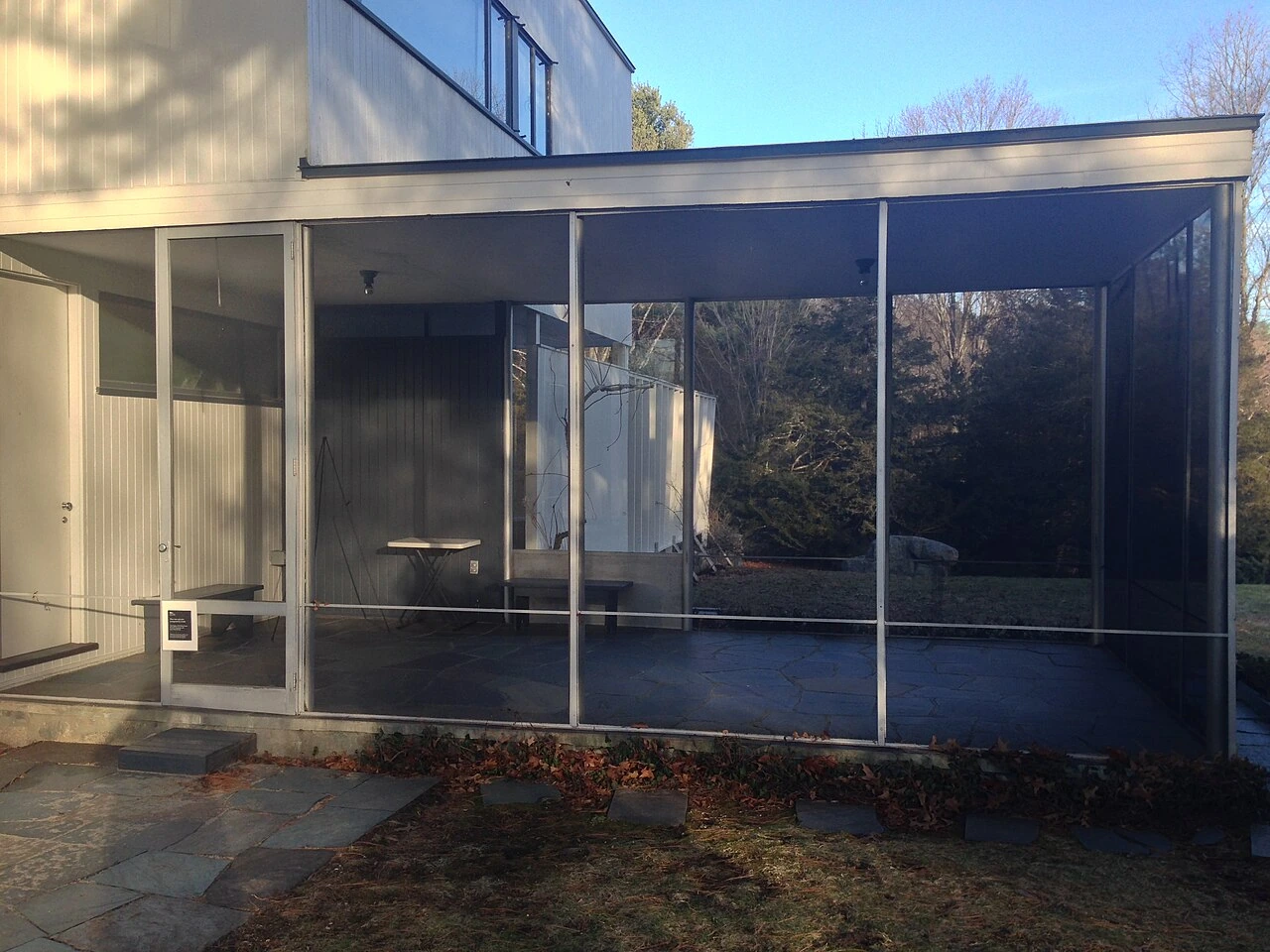
Once you add walls to a covered patio, you are in a different cost tier entirely. Enclosed patio systems range from simple screen rooms to fully insulated four-season sunrooms, and the price spread reflects that range. A basic screened-in porch or patio enclosure using aluminum framing and fiberglass screen panels typically runs $5,000-$20,000 depending on size, roof design, and whether the structure is new or an upgrade to an existing covered patio. Are patio enclosures expensive? Read more about typical enclosure costs and the factors that drive price to help you compare screen rooms, three-season rooms, and four-season sunrooms. For visual comparisons, see examples of patio enclosures. Specialty enclosure companies can quote higher for custom systems with larger glass panels, retractable screens, or premium frame finishes.
A three-season room, which uses glass or acrylic panels instead of screens and adds some weather protection but no insulation or HVAC, generally costs $15,000-$40,000 installed. A true four-season sunroom with insulated walls, double-pane low-E glass, a proper foundation, and a mini-split HVAC system for year-round use routinely runs $30,000-$100,000 or more. The foundation work alone for a four-season room often costs $5,000-$15,000 because it needs to match frost-depth requirements in colder climates.
| Enclosure Type | Typical Cost Range | Key Features | Best For |
|---|---|---|---|
| Screen room / patio screen enclosure | $5,000 – $20,000 | Aluminum frame, fiberglass screens, existing slab often reused | Bug protection, open-air feel, warm climates |
| Three-season room | $15,000 – $40,000 | Glass or acrylic panels, no HVAC, weather protection | Spring/fall use extension, moderate climates |
| Four-season sunroom | $30,000 – $100,000+ | Insulated walls, double-pane glass, HVAC required | Year-round living space, colder climates |
| Prefab/kit enclosure system | $3,000 – $15,000 (kit cost) | DIY-friendly panels, modular assembly, varies by brand | Budget-conscious homeowners, existing covered patio |
If you are evaluating specific enclosure brands and companies, the quality of the product, warranty terms, and installer credentials matter as much as the initial quote. For a direct comparison of specific manufacturers and systems, see patio enclosures vs champion for side-by-side details on product quality, warranties, and installer reputation. For background on manufacturers and warranty responsibility, see who owns patio enclosures to understand who will back the product and installation over time. Patio Enclosures is one of the larger national brands in this space, and comparing it to competitors like Champion on warranty, glass specification, and installation network is worth doing before signing any contract. Checking a company's licensing, insurance, and customer reviews in your specific region will surface problems that a national brand reputation alone will not.
Material cost breakdown: concrete, stamped concrete, pavers, and natural stone
Material choice is the single biggest lever you have on patio cost, more than size in many cases. Here is how the four main categories stack up on installed cost, lifespan, and maintenance needs.
| Material | Installed Cost Per Sq Ft | Typical Lifespan | Maintenance | Best Use Case |
|---|---|---|---|---|
| Poured concrete | $5 – $15 | 20 – 30 years | Reseal every 3-5 years; crack repair as needed | Budget-focused, functional spaces, irregular shapes |
| Stamped concrete | $8 – $28 | 25 – 30+ years | Reseal every 2-5 years; color fading over time | Decorative look without paver cost; pool decks |
| Concrete/brick pavers | $10 – $40 | 25 – 50 years | Joint sand refresh every few years; occasional releveling | Classic aesthetics, DIY-repairable, cold climates |
| Natural stone / flagstone | $15 – $45 | 30 – 100+ years | Periodic sealing; moss/weed control in joints | Premium appearance, long-term investment, unique look |
Poured concrete is the baseline. It is fast to install, takes any shape, and holds up well with basic care. Stamped concrete gives you the decorative look of pavers or stone at a lower material cost, but the surface is still one continuous slab, meaning a crack runs through the pattern rather than between units. Pavers are the most repair-friendly material because a single damaged or sunken unit can be pulled and reset without disturbing the rest of the surface. Natural stone costs the most upfront but essentially never needs replacement if it is properly set and sealed. Multiple contractor guides and regional pricing surveys cite installed ranges of ~$15–$45/ft² for natural stone patios (flagstone, bluestone, travertine) and note multi‑decade lifespans (roughly 30–100+ years) with periodic sealing and maintenance. For a homeowner planning to stay in the house long-term, the per-year cost of flagstone can actually be competitive with cheaper materials that need more frequent patching or replacement.
Factors that move the price up within each material category
- Pattern complexity: simple grid paver layouts cost less than herringbone or circular designs
- Color and finish: integral color or exposed aggregate adds $1-$4 per square foot to concrete
- Stone type: bluestone, travertine, and slate vary significantly in material cost by region
- Edge treatments: soldier-course borders, bullnose edges, and raised planters add to both material and labor
- Base depth: patio over poorly draining clay soil needs a deeper gravel base than sandy well-draining ground
- Delivery and access: tight side-yard access that prevents concrete truck or paver pallet delivery increases labor cost
Labor vs. DIY: real savings, honest risks
Labor is a large share of patio project cost. Industry planning guides commonly estimate labor at 60-70% of total hardscape project cost, though that split is closer to 42-52% for concrete slabs in high-labor markets like Los Angeles. For a $5,000 paver patio, you might be paying $2,500-$3,500 in labor alone. That is a real number worth thinking about if you are handy and have time. A DIY paver patio is genuinely achievable for a motivated homeowner with basic tools, a strong back, and a weekend to commit. A DIY poured concrete slab is harder: concrete has a tight working window, and a botched pour is expensive to fix.
The most DIY-friendly patio option is interlocking pavers on a compacted gravel and sand base. The materials are available at big-box stores, the installation process is well-documented, and mistakes are correctable because you can lift and relay pavers without destroying them. The most contractor-dependent options are poured concrete (timing and finishing skills required), natural stone in mortar (requires setting experience to avoid cracking), and anything involving structural covers, electrical work, or drainage tied into the home's systems.
DIY patio: when it makes sense and when it does not
| Project Type | DIY Realistic? | Potential Labor Savings | Key Risk |
|---|---|---|---|
| Interlocking paver patio (flat lot) | Yes, for experienced DIYers | $1,500 – $4,000 on a mid-size project | Improper base prep leads to sinking and heaving |
| Poured concrete slab | Possible but difficult | $500 – $2,000 | Timing errors cause surface defects; hard to fix |
| Stamped concrete | Not recommended | Minimal; skill-dependent | Pattern timing and color sealing require practice |
| Flagstone / natural stone | Possible for dry-set; mortar set is harder | $1,000 – $3,000 | Unstable setting or cracked mortar joints over time |
| Covered patio / pergola (kit) | Yes, for basic wood kits | $1,000 – $3,000 | Attachment to house requires permit and structural review |
| Screen enclosure | Possible with prefab kits | $1,500 – $5,000 | Flashing and weather sealing errors cause leaks |
DIY risk checklist before you pick up a shovel
- Check your local permit requirements before starting: many municipalities require permits for patios above a certain size even without a cover
- Call 811 (Dig Safe) to locate underground utilities before any excavation
- Assess drainage carefully: water that pools against your foundation or neighbor's property creates liability and structural problems
- Verify your material quantities with a 10% overage buffer: running out of a specific paver or stone batch mid-project is a common and costly mistake
- Rent proper compaction equipment: hand tamping a gravel base is rarely sufficient and leads to settling
- Understand your frost line if you are in a cold climate: shallow bases in freeze-thaw zones cause dramatic heaving
- Read warranty implications: some manufacturer warranties on pavers or slab treatments are void for DIY installations
Patio vs. deck vs. porch: which makes more financial sense?
This is the comparison most homeowners actually need to make before committing to a patio. The short version: patios cost less upfront, decks recoup more at resale, and porches give you covered outdoor living at a cost that sits between the two. Each choice has a different break-even point depending on how long you plan to stay in the home and how you value usable outdoor square footage day-to-day.
| Structure | Typical Installed Cost | Resale Recoup (CVV Estimate) | Lifespan | Maintenance Cost |
|---|---|---|---|---|
| Open concrete patio | $2,000 – $6,000 | ~46% | 20-30 years | Low ($100-$300/yr sealing) |
| Open paver patio | $4,000 – $14,000 | ~46% | 25-50 years | Low-moderate |
| Pressure-treated wood deck | $15,000 – $30,000 | ~60-68% | 15-25 years | Moderate ($300-$600/yr staining/sealing) |
| Composite deck | $20,000 – $50,000+ | ~60-70% | 25-30+ years | Low (mostly cleaning) |
| Covered porch (attached) | $15,000 – $40,000+ | Project-specific | 20-40 years | Moderate |
If resale value is your primary driver, a deck addition typically returns more at sale than a patio in most U.S. markets, according to Remodeling Magazine's Cost vs. Value data. But if you plan to stay in the home for 10 or more years, the difference in upfront cost between a $4,000 patio and a $25,000 deck is the more important number. The patio gives you outdoor space for a fraction of the investment, and the enjoyment value per dollar is often higher, even if the resale recoup percentage is lower.
Cost-driver checklist: what makes a patio more expensive than the quote suggests
Contractor quotes for patios sometimes understate the full project cost because site-specific line items get added during construction. Here are the cost drivers that most commonly inflate a patio budget beyond the initial number.
- Site grading and excavation: sloped or uneven lots require significant earthwork before any surface material goes down
- Drainage solutions: French drains, channel drains, or regrading to redirect water adds $500-$5,000 depending on scope
- Permits and inspections: required in most jurisdictions for any structure attached to the house and for large impervious surfaces
- Structural engineering: required by some municipalities for attached covered structures or for patios on slopes or near retaining walls
- Utility conflicts: running electrical conduit for lighting or a hot tub hookup through an existing slab area is expensive after the fact
- Soil conditions: expansive clay, fill soil, or high water table requires deeper base work or specialized installation methods
- Demolition of existing surface: removing an old concrete slab or decking adds $500-$2,000 before new work begins
- Delivery and access fees: difficult access for ready-mix trucks, crane-delivered materials, or pallet deliveries raises labor and logistics cost
- Material price escalation: natural stone and specialty pavers are subject to regional supply variation; lock in pricing before starting
Money-saving tips that actually work
There are a few reliable ways to keep patio costs down without sacrificing quality. First, choose a simpler pattern. A running-bond paver layout costs less in labor than a herringbone or circular design using the same material, sometimes $2-$4 per square foot less. Second, consider a freestanding cover instead of an attached one. A freestanding pergola on its own footings avoids most permit and structural engineering requirements that kick in when you attach to the house. Third, get bids in late fall or winter when contractor schedules open up and some companies offer off-season pricing. Fourth, do the demolition yourself. Pulling up an old patio surface and disposing of the debris yourself can save $500-$1,500 in contractor prep time.
For enclosed patio systems, get quotes from at least two or three companies and compare them on the same specifications: same square footage, same glass type, same frame material. Many enclosure company quotes are not apples-to-apples at first glance. Ask specifically about warranty coverage (both product and installation), whether the installer is a direct employee or subcontractor, and how warranty claims are handled in your region. These questions separate companies that stand behind their work from those that do not.
Evaluating enclosure companies: a short buyer checklist
If you are moving toward a screen room, three-season room, or full sunroom, the company and installer you choose matter as much as the product itself. Enclosure systems are only as good as the installation, and a poorly sealed or improperly flashed enclosure creates water intrusion problems that are expensive to fix after the fact.
- Verify current state contractor licensing and general liability insurance before any contract is signed
- Ask whether installation is done by direct employees or subcontractors, and confirm who backs warranty service
- Request the full written warranty document (not just a summary): confirm what is covered for product vs. installation vs. glass, and for how long
- Check reviews specifically in your metro area, not just national ratings: installation quality varies by regional crew
- Ask for references from projects completed 3-5 years ago: that is when material and installation issues tend to surface
- Confirm permit handling: who pulls the permit, and who is responsible if the project fails inspection
- Get a line-item quote, not a lump-sum price: you need to see what you are paying for materials, labor, permits, and site prep separately
Long-term ownership costs and ROI: the honest picture
A backyard patio addition nationally recoups around 46% of its cost at resale, according to Opendoor's 2026 ROI analysis drawing on Remodeling Magazine's 2025 Cost vs. Value data. That means a $6,000 patio might add around $2,760 to your home's sale price. That is not a great pure financial investment, but it is also not the right frame for evaluating a patio. Most homeowners use their patio every year for a decade or more before selling. The enjoyment and lifestyle value during ownership is real, even if it does not show up in the resale recoup percentage.
Where the math does shift in your favor: a patio is cheap to maintain relative to a deck. A concrete or paver patio requires minimal annual spending, mostly cleaning and an occasional reseal. A wood deck needs annual or biennial staining and sealing, board replacement over time, and eventually a full deck rebuild after 15-25 years. Over a 20-year ownership horizon, the lower maintenance cost of a patio can offset a meaningful portion of the resale recoup gap with decks. Natural stone, the most expensive patio material upfront, has the best long-term cost story because it essentially never needs replacement.
Next steps: planning your patio project
The most useful thing you can do right now is define your project scope before you contact any contractors. Know your approximate square footage, your material preference, whether you want a cover or enclosure, and your realistic budget. That preparation makes contractor conversations far more productive and makes it harder for quotes to be inflated with unnecessary scope. If you are on the fence between a patio and a deck, or between an open patio and an enclosed system, the cost gap is significant enough that it is worth spending an afternoon with a tape measure and a calculator before committing to either.
For homeowners leaning toward an enclosure, reading up on how different enclosure systems are constructed, what separates a screen room from a three-season room from a sunroom, and what real projects look like at each price point will sharpen your buying decisions considerably. The enclosure market has a wide range of quality levels and company reputations, and walking into those conversations informed makes a real difference in what you end up paying and getting. See our patio enclosure reviews to compare brands, warranties, and installer feedback before you buy.
FAQ
Title and meta description for the article
Title: Are Patios Expensive? Real Cost Ranges, Comparisons, and What Homeowners Should Budget Meta description: Find typical patio costs (national averages and $/ft² by material), budget examples for open/covered/enclosed patios, how patios compare to decks and porches on cost and resale, key cost drivers and permits, and a buyer checklist for patio‑enclosure companies.
Executive answer — short answer to “Are patios expensive?”
Patios are generally a moderate‑cost outdoor upgrade: basic poured concrete patios can be quite affordable, while high‑end pavers or natural stone and enclosed/covered systems push total costs much higher. Expect a national average project around $4,000 (installed), with per‑square‑foot planning ranges roughly $5–$45/ft² depending on material, plus large add‑ons for roofing, screens, HVAC and foundation work. See below for breakdowns, sample budgets and decision guidance.
What is the national average cost to build a patio? What assumptions underlie that figure?
A commonly cited national average (HomeAdvisor) for an installed patio is about $4,005 with a typical range of $2,028–$6,088. Assumptions: single‑story, level site, typical small‑to‑medium patio (100–300 ft²), no major grading or drainage, mid‑market labor and materials. Regional wage, permit and soil conditions can move costs significantly.
Per‑square‑foot planning ranges by material (installed) — quick reference
Poured concrete: $5–$15/ft² (basic slab). Stamped concrete: $8–$28/ft² (pattern/finish dependent). Concrete/brick pavers: $10–$40/ft² (interlocking systems, pattern complexity). Natural stone/flagstone: $15–$45/ft² (stone type and setting method). Source synthesis: HomeGuide, HomeAdvisor, BuildCalcHub and RSMeans‑calibrated calculators.
How do labor and materials typically split on a patio job?
Typical site‑dependent hardscape work often shows labor as the largest line: plan roughly 50–70% labor and 30–50% materials. Labor rates vary by region and crew skill (BLS median wages for concrete/masonry trades help benchmark local labor). Simpler slab jobs have lower labor share; precision paver/stonework raises labor share.
How much do covered patios and enclosed patio systems cost compared with open patios?
Covered patios (roof/attached pergola) and screened/enclosed systems add several thousand to tens of thousands. Basic covered patio roofs over an existing slab might add $3,000–$12,000; fully built enclosed rooms with windows/insulation and HVAC commonly range from $10k–$60k+ depending on materials and whether walls/windows/permited conditioned space are added. HomeAdvisor enclosure guides provide typical project ranges.
Next Article
Patio Enclosures vs Champion: Cost, Comfort, and Durability
Compare generic patio enclosures vs Champion: costs, materials, comfort, durability, installation, and a decision checkl