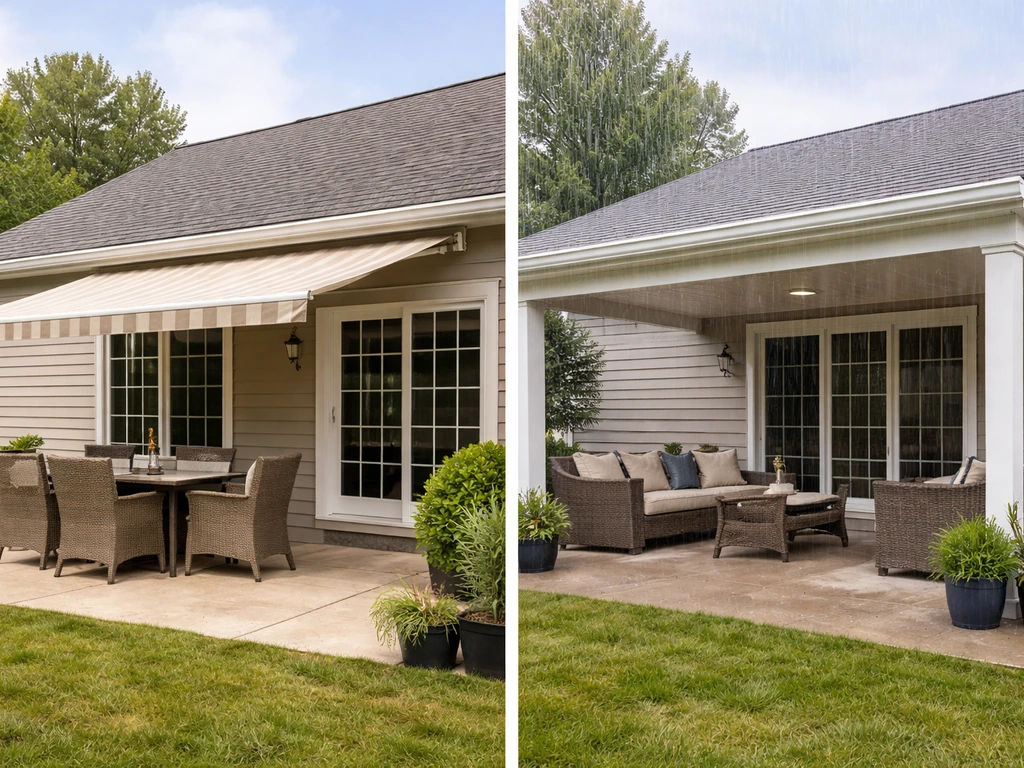
If you want real comfort under your patio cover on a hot afternoon, go with the insulated version. The foam-core panel sandwich dramatically reduces how much heat radiates down onto you compared to a bare single-layer aluminum roof, and that difference is noticeable from day one. That said, the insulated option costs roughly 30–50% more upfront, and if your patio gets mostly shade from trees or you only use it occasionally, the non-insulated cover might be all you actually need. Here's how to think through the decision for your specific situation.
Insulated vs Non Insulated Aluminum Patio Covers

Miles Hart
31 May 2026
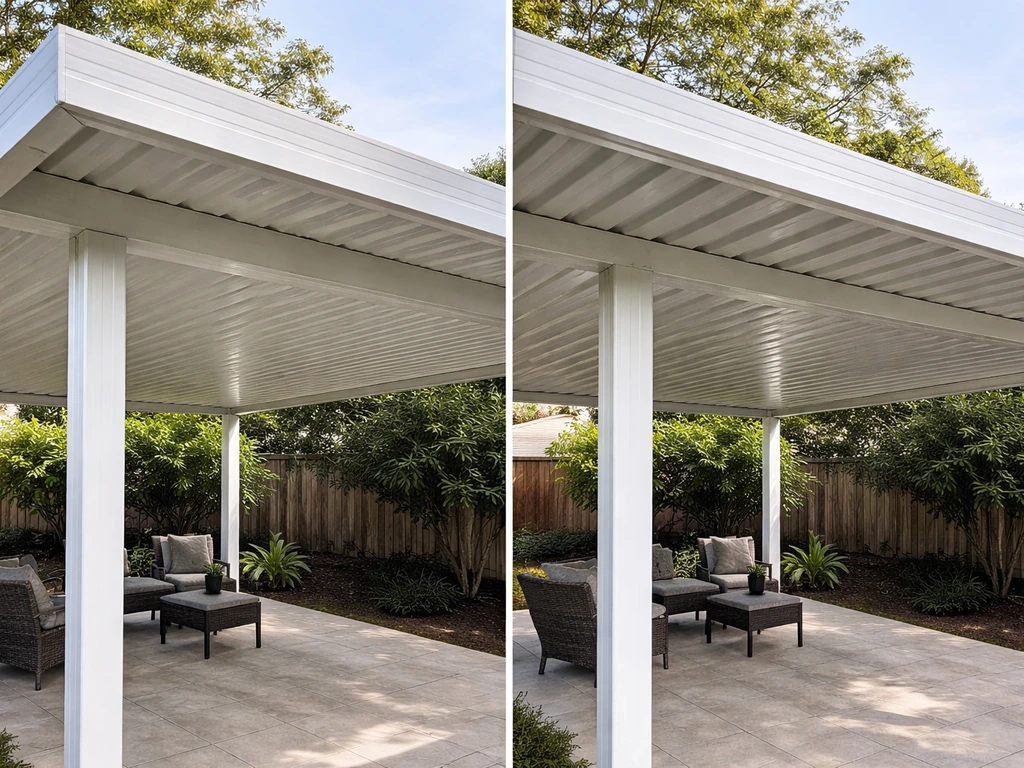
What insulated and non-insulated actually mean in real aluminum patio covers
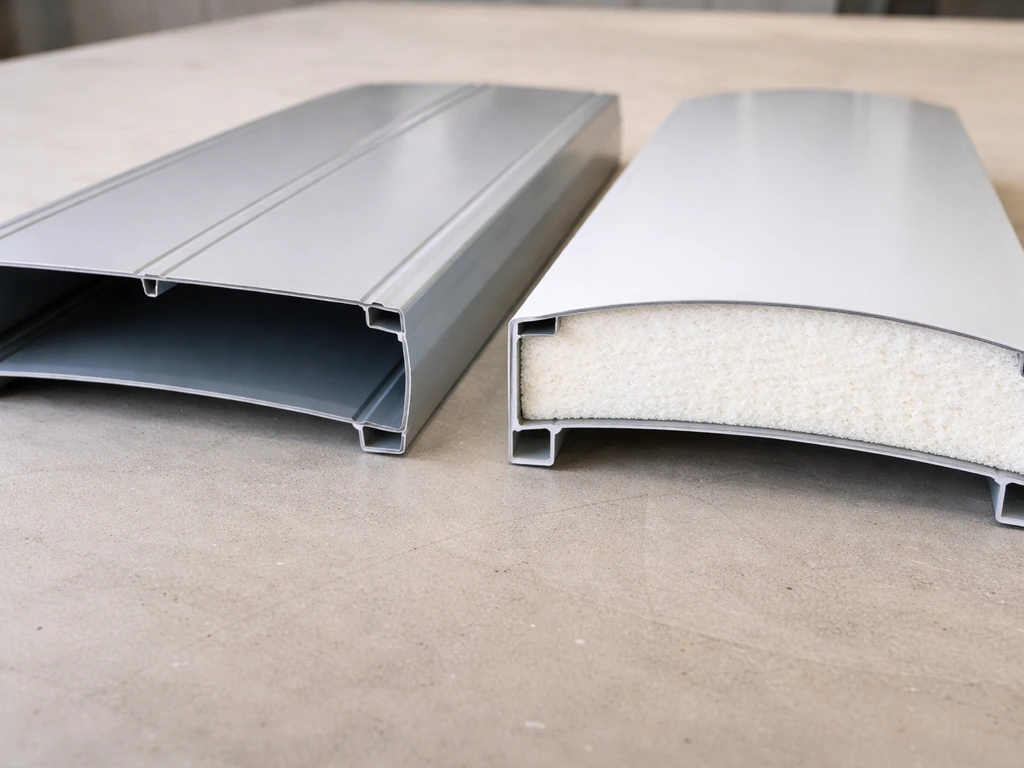
Non-insulated aluminum patio covers are a single layer of extruded or roll-formed aluminum, sometimes with a flat pan profile or a classic wood-grain finish like Alumawood's standard panels. They block sunlight well, they're durable, and they're lighter and simpler to install. But heat conducts straight through that single metal sheet, and on a hot day you can feel the radiant warmth coming off the underside of a bare aluminum roof from several feet below it.
Insulated aluminum patio covers are built as a sandwich panel: two aluminum sheets with a high-density foam core bonded between them. Alumawood's Maxx Panel, Duralum's insulated system, and similar products from other manufacturers all follow this same basic construction. Common panel thicknesses are 3 inches, 4 inches, and 6 inches, and that thickness spec directly affects the panel's thermal resistance, structural span capability, and snow or wind load rating. The foam core slows heat transfer from the exterior aluminum face down through to the interior face, which is what you're sitting under.
One thing worth clarifying: the word "insulated" in this context refers to the roof panel construction, not extra wall insulation or a fully enclosed room. Lattice-style covers, which are open frameworks with gaps, are a completely different category and don't block heat the way either solid panel type does. A quick answer to what is lattice patio cover can help you decide whether this open, airy style is the right fit for your shade and airflow goals. This comparison is specifically about solid-roof aluminum panel systems.
Comfort differences: heat, shade, and year-round usability
Both insulated and non-insulated solid aluminum covers block direct sunlight, which alone makes a significant difference. A field study in Phoenix found that shade structures reduced daytime mean radiant temperature at the occupant level by more than 3°C even without insulation, just from blocking solar gain. So a non-insulated cover will still make a hot patio much more usable than no cover at all.
The gap between the two options shows up most in the heat that builds up in the roof panel itself and then radiates back down. On a 100°F day, a single-layer aluminum panel facing the sun gets extremely hot to the touch, and that surface then acts like a radiant heater facing your patio furniture. The foam core in an insulated panel interrupts that heat transfer path, keeping the interior aluminum face significantly cooler. Manufacturer descriptions consistently emphasize this: the foam layer slows conduction, which reduces the temperature of the underside surface, which reduces the radiant load on the people underneath.
In cooler climates or milder seasons, this difference shrinks. If you're in the Pacific Northwest and your patio gets limited direct sun exposure, a non-insulated cover may feel perfectly comfortable most of the year. But in hot-sun climates like the Southwest, Southern California, Texas, or Florida, the insulated panel's thermal break pays off in a very tangible way for afternoon use between June and September. If year-round use is your goal in a hot climate, insulated is the clear choice.
Energy savings and HVAC impact: what's realistic
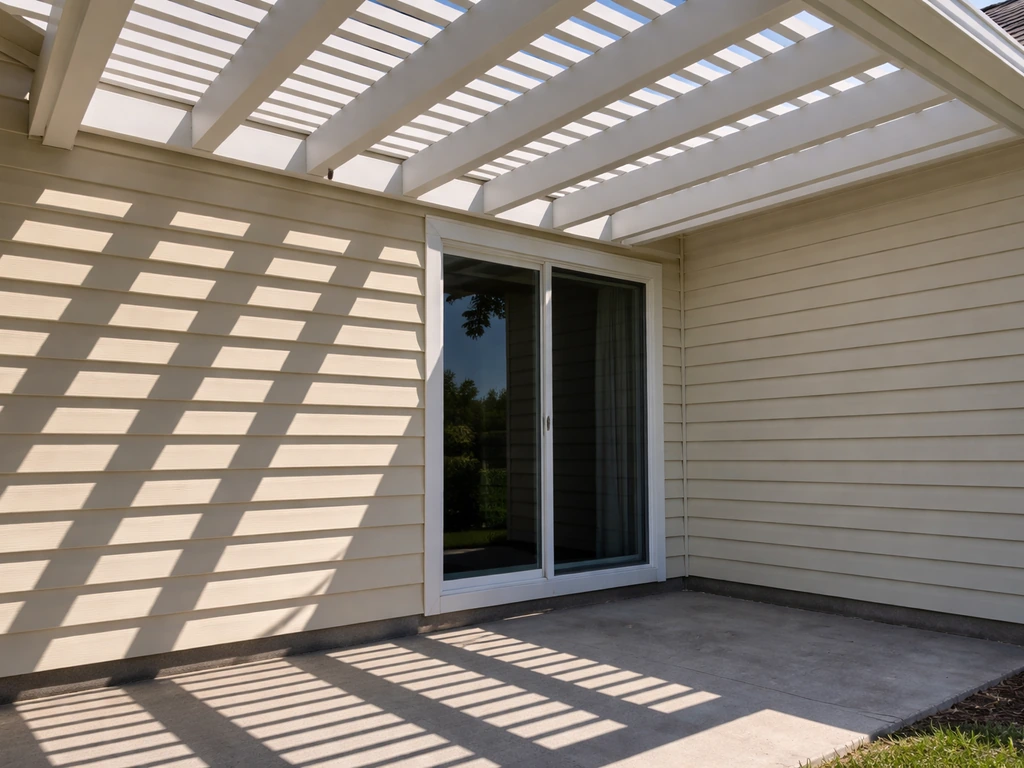
Patio covers can reduce heat gain through adjacent walls and windows, which in turn lowers the cooling load on your air conditioner, but the actual dollar savings depend heavily on your specific home layout, climate, and HVAC setup. The DOE is explicit that roof heat-mitigation benefits vary by climate and assembly, and this applies directly to patio covers. Don't expect a precise number from any installer who promises a specific annual savings figure without doing an actual energy analysis of your home.
That said, there's a real mechanism at work. When a patio cover shades a south- or west-facing wall, a sliding glass door, or a window that previously received direct afternoon sun, it reduces the rate at which heat enters your home. An insulated cover compounds this by also reducing the radiant heat it throws back toward that same wall from its underside, whereas a bare aluminum cover gets hot and can actually radiate toward the wall itself. So in situations where the patio cover sits close to a large glass door or a poorly insulated exterior wall, the insulated option has a more meaningful secondary benefit.
In colder climates, the DOE also cautions that adding a solid roof structure above a patio can actually increase heating costs slightly in winter by shading south-facing areas that would otherwise receive passive solar gain. This doesn't mean you shouldn't install a cover, but it's worth knowing that the energy equation isn't purely one-directional, especially if you're in a northern state or at higher elevation.
Rain noise, condensation, and moisture: the practical differences
Rain and hail noise is one of the most underappreciated differences between insulated and non-insulated aluminum. A single-layer aluminum roof during a heavy rainstorm is genuinely loud, the kind of loud that makes conversation difficult. The foam core in an insulated panel dampens that sound substantially. If your patio is adjacent to a living room or bedroom where the noise carries inside, or if you frequently use the patio during rain, this alone can justify the upgrade.
Condensation behavior is where things get a bit more nuanced. In humid climates or areas with large temperature swings between day and night, a cold aluminum surface can develop condensation on the underside, which then drips onto your furniture. The insulated panel, because it keeps the interior face warmer relative to the ambient temperature, is less prone to condensation forming on the underside surface. This matters most in coastal areas, the Southeast, or anywhere with humid summers.
That said, neither type of cover is immune to water intrusion if installed incorrectly. Manufacturer installation guides from both Duralum and Screen House specifically flag leak points at panel joints, wall flashings, and connections as the most critical details to get right. A poorly installed insulated cover can leak just as badly as a non-insulated one. This is one reason that DIY installation of insulated panel systems requires actual construction experience, not just weekend-project confidence.
Cost comparison: upfront, maintenance, and long-term value
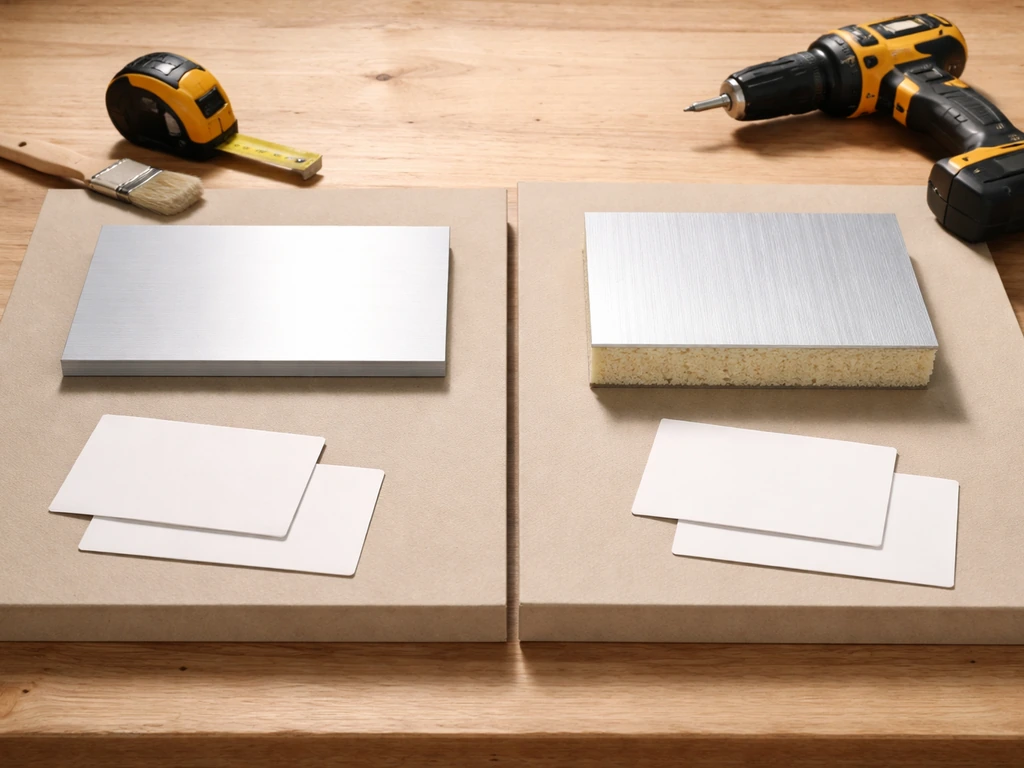
Here's how the numbers shake out based on current 2025 and 2026 cost data. Non-insulated aluminum covers sit closer to the standard patio cover market average, while insulated systems carry a meaningful premium. These figures assume professional installation for a typical residential patio in the 200–400 square foot range.
| Factor | Non-Insulated Aluminum | Insulated Aluminum |
|---|---|---|
| Typical installed cost | $4,500–$10,000 total | $8,000–$18,000 total |
| Per square foot installed | $15–$28/sq ft | $35–$55/sq ft |
| DIY kit starting cost | $1,000–$3,500 | $3,500–$7,000 |
| Rain/noise reduction | Minimal | Significant |
| Condensation resistance | Lower | Higher |
| Radiant heat reduction | Moderate (shade only) | High (shade + thermal break) |
| Maintenance requirements | Low (wash, inspect seals) | Low (wash, inspect seals, check panel joints) |
| Typical warranty | Limited lifetime finish | Limited lifetime or transferable lifetime |
| Expected lifespan | 20–30+ years | 20–30+ years |
Angi's 2025 data puts the average patio cover installation at around $8,500, with most homeowners spending $4,500–$12,000 for a standard project. Insulated systems sit at the higher end of or above that range, with a 2026 cost guide pegging insulated patio cover projects at roughly $4,000–$18,000 depending on size, panel thickness, electrical additions, and permitting. A 2026 cost guide also estimates insulated patio roof systems at about $35, $55 per square foot installed, which aligns with the premium range discussed above $4,000–$18,000. Budget an extra $500–$1,500 for permits in most jurisdictions, regardless of which system you choose.
On the maintenance side, both types are low-effort compared to wood alternatives. Aluminum doesn't rot, warp, or need painting. Maintenance for either type mostly involves washing off pollen and debris once or twice a year and inspecting the seal at the wall ledger and any panel connections. The insulated version has more panel joints to monitor, so there's slightly more to inspect, but this is minor. Long-term, the foam cores in quality sandwich panels are tested to maintain thermal resistance over multi-year periods, so you're not looking at a performance cliff after 5–7 years the way you might with a lesser-quality foam product.
On home value, a well-installed solid aluminum patio cover of either type generally adds usable outdoor square footage that buyers respond to positively. An insulated version signals higher quality and is more likely to be treated as a true outdoor room, which can support a modestly higher appraisal contribution. That said, the incremental home value difference between insulated and non-insulated specifically is difficult to quantify and probably shouldn't be your primary deciding factor.
How to choose the right option for your situation
Start with your climate and how much direct sun your patio receives. If you're in a hot, sunny climate (zones 8–10, think Phoenix, Los Angeles, Dallas, Tampa) and your patio faces west or southwest, the insulated system almost always justifies its cost premium for afternoon usability. If you're in a milder climate or your patio is already shaded by your house, trees, or a fence for most of the day, the non-insulated option may perform nearly as well at a significantly lower cost.
Think about how you actually use the space. If this is a year-round outdoor living area where you entertain, cook outside, or work from home, treat the insulated cover as the obvious baseline. If you are deciding between a California room and a covered patio, this is the kind of use-case where an insulated solid roof typically makes the space feel more like a true room treat the insulated cover as the obvious baseline. If it's primarily for occasional shade over a grill or a place to sit for 20 minutes after dinner, the non-insulated system is completely adequate. Same logic applies if your patio sits adjacent to a garage or a wall with minimal windows, where the HVAC interaction is limited.
Wind and rain patterns matter too. High-rain regions benefit from the noise dampening of an insulated panel. Coastal areas with humidity swings benefit from reduced condensation drip. Areas with occasional hail will hear a very real difference. If you're in a dry, low-humidity region with mostly moderate temperatures and light rain, these benefits diminish and the cost premium is harder to justify.
DIY vs. hiring a contractor
Non-insulated aluminum cover kits are more widely available in DIY formats, and the installation is more forgiving. If you're comfortable with basic framing, have the right tools, and can read a plan, a non-insulated kit is a realistic weekend project for one or two experienced people. Costs for DIY kits start around $1,000–$3,500 depending on size and system.
Insulated panel systems are more demanding. Screen House's installation instructions specify that their insulated cover requires 1–3 physically fit individuals with some construction experience, and estimate 8–12 hours for completion under good conditions. That's achievable, but the margin for error is smaller because panel alignment, flashing details, and connection sealing are more critical. If you've done a deck, a pergola, or basic framing work before, it's worth attempting. If your last project was assembling flat-pack furniture, hire a contractor.
When interviewing contractors for either system, ask specifically about: the panel thickness and foam density they spec (for insulated), the flashing method at the wall ledger, their approach to drainage slope, whether permits are included in the quote, and what the manufacturer warranty covers vs. what their labor warranty covers. For insulated systems, also ask about the panel load rating and whether it meets local wind or snow requirements. Alumawood and Duralum both publish warranty documentation that you can reference independently, including transferable warranty terms that can matter when you eventually sell the home.
If you're still weighing aluminum against other materials or debating whether a full patio cover is even the right structure for your project, it's worth looking at the broader comparison between cover types and enclosure options, including how aluminum solid-roof covers compare to awnings and open structures, before committing to a spec. It can also help to compare an awning vs a patio cover so you choose the right level of shade, coverage, and usability for your space awning vs patio cover.
FAQ
If I choose an insulated aluminum patio cover, will it keep the patio cool like a fully enclosed room?
No, the “insulation” difference does not mean the patio will feel like an air-conditioned room. It mainly reduces radiant heat coming from the underside and can lower surface temperatures, so you feel less heat load, especially in direct sun and during afternoon peak.
Will an insulated patio cover eliminate condensation and dripping in humid climates?
Most condensation issues come from temperature and humidity, not just whether the roof is insulated. Even with insulated panels, proper airflow under the cover and correct sealing at the ledger help prevent cold spots that can lead to drips, particularly near exterior walls and in coastal or humid climates.
Does insulated aluminum mean the patio will be quiet during heavy rain and hail?
The foam-core panels can reduce noise, but they do not make rain “silent.” If you are sensitive to sound, ask your contractor whether the project includes any additional acoustic detailing, like full flashing coverage and tight joint sealing, because leaks and gaps can increase both noise and water intrusion.
How do panel thickness differences (3, 4, 6 inches) affect insulation and installation details?
Thickness matters for both thermal performance and structural capacity. A thicker insulated panel can provide more thermal resistance, but it can also change the allowable span and the required rafter spacing, which affects cost and how the cover interfaces with your existing posts or house ledger.
What warranty language should I check for to make sure insulated panels are protected long-term?
Look for the foam product specification in the warranty documentation and submittals, not just the marketing label “insulated.” If a warranty is only “materials” but not “workmanship” or does not clearly address panel delamination, replacement coverage may be limited after installation defects.
Do I always need a permit, and does the cost depend on insulated vs non-insulated?
In most jurisdictions, you need a permit if the cover is structurally attached, exceeds certain dimensions, or changes drainage pathways. Budget for permitting, but also ask what the installer includes, since some quotes cover permit fees while others only cover paperwork preparation.
Can I DIY an insulated aluminum patio cover safely, or is it better left to professionals?
Insulated panels are more sensitive to workmanship because panel joints, alignment, and sealing details are critical. If you want to DIY, start with a non-insulated kit unless you have proven experience with exterior enclosure details like flashing, slope, and water management at penetrations.
Will an insulated patio cover change how rainwater should drain compared to a non-insulated cover?
Often, yes. If you have a nearby roof edge or can connect to an existing drainage system, installers may route runoff to gutters or directed downspouts, reducing staining and pooling. If drainage is handled poorly, you can get leaks at the wall ledger regardless of insulation.
If my patio is near a large glass door or west-facing windows, will insulated be worth it?
For near-window installations, insulated panels can reduce heat radiating back toward the glazing, but the main comfort improvement still comes from shading. If you do not have direct afternoon sun on the patio or the windows, the “extra” benefit of insulation is often smaller.
Could a solid patio cover increase heating costs in winter, and when is that risk most likely?
Sometimes, but only when the south-facing area would otherwise receive meaningful passive solar gain. In winter, a solid roof can reduce that benefit, so the trade-off is strongest in northern climates and higher elevations where winter sun matters more.
If my patio is already shaded most of the day, will non-insulated aluminum feel almost as good?
Even non-insulated covers can be comfortable if they block most direct sun, especially where shade comes from the house, trees, or fencing. The “insulated” premium is most noticeable when the roof underside sees sustained direct solar loading.
How can I compare quotes fairly between non-insulated kits and insulated systems?
Non-insulated kits are typically easier to find and may be faster to install, but you should compare more than upfront price. Ask for the same wind and snow load compliance, the same flashing and drainage approach, and the same warranty coverage on both options.
Next Article
Awnings vs Patio Covers: Which One Is Better?
Compare awnings vs patio covers for sun and rain, wind, airflow, privacy, cost, lifespan, and best home layouts.