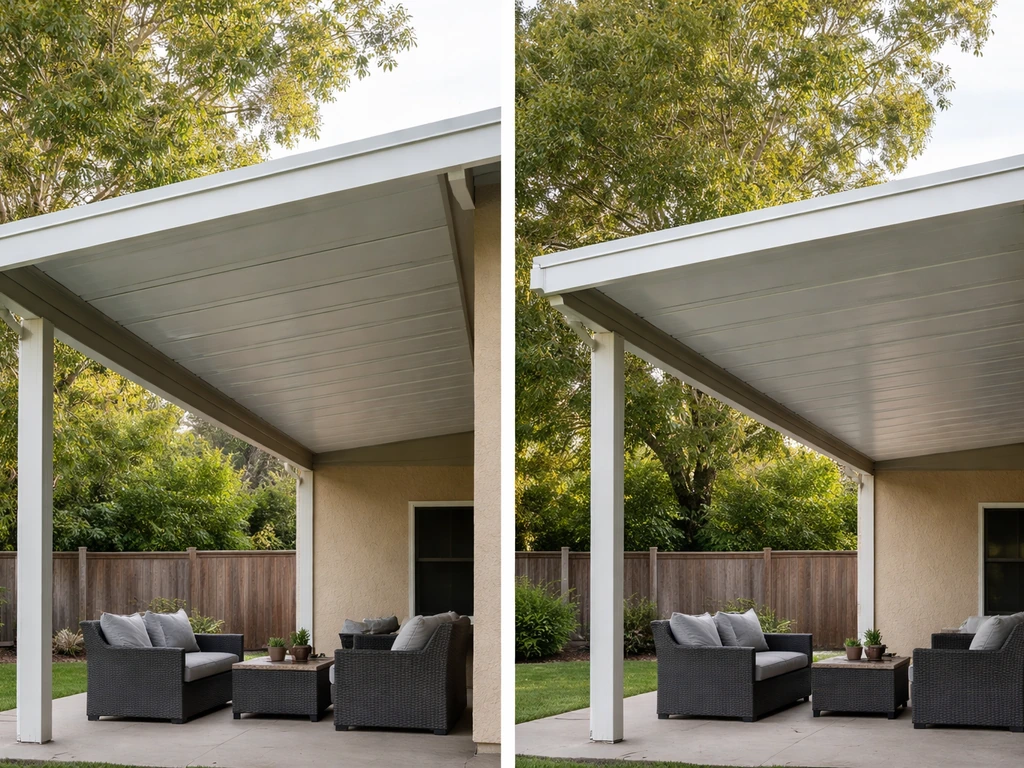
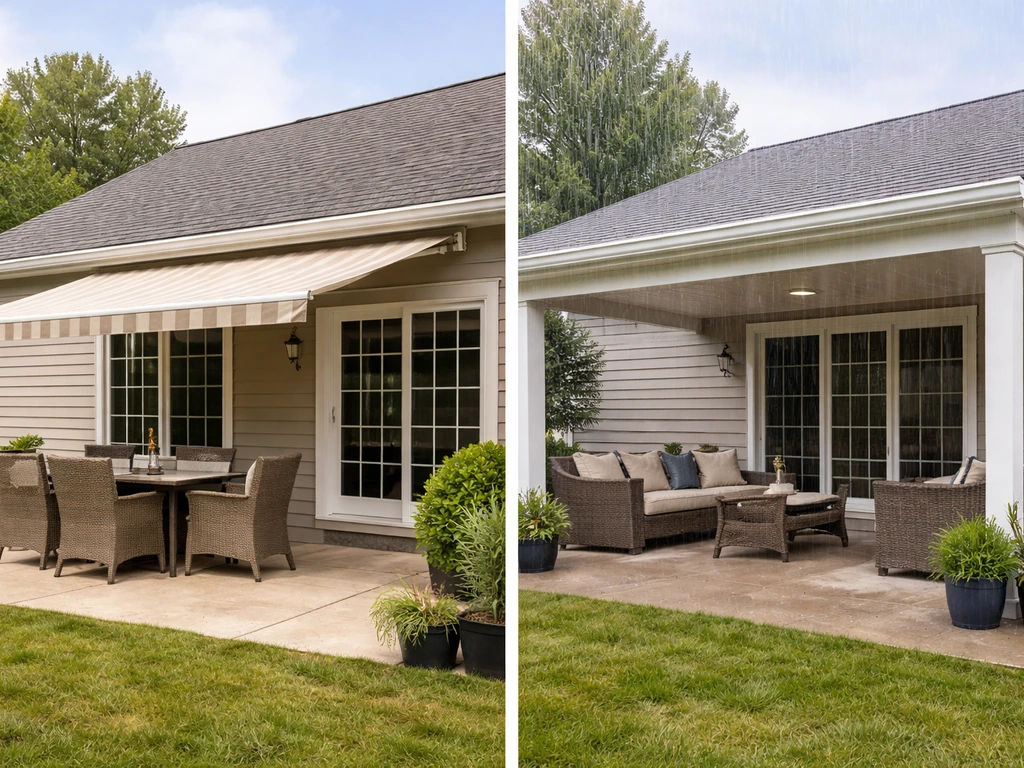
If you want flexibility and a lower upfront cost, go with a retractable awning. If you want permanent, all-weather shade and a structure that feels like a real extension of your home, a patio cover is the better investment. Both block sun and add comfort to an outdoor space, but they solve the problem in very different ways, at very different price points, and with very different long-term commitments.
Awnings vs Patio Covers: Which One Is Better?

Miles Hart
19 May 2026
What an awning actually is
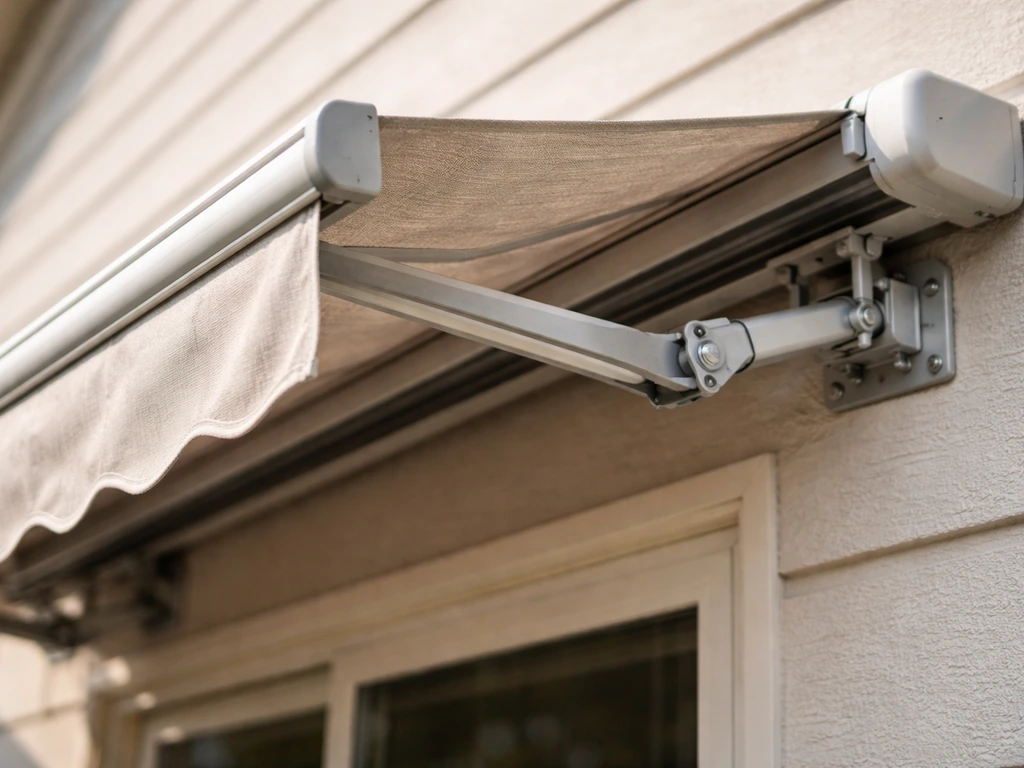
An awning is a fabric or metal canopy attached to the exterior wall of a house, designed to extend out over a patio, deck, or door to block sun and light rain. Most homeowners picture a retractable fabric awning, and that's by far the most popular residential type, but there are a few variations worth knowing.
- Retractable fabric awnings: The most common type. A fabric canopy (usually acrylic or polyester) rolls out from a cassette housing mounted to the wall. They can be manual (hand crank) or motorized. Brands like SunSetter are well known here. These fold back in when not needed, which protects the fabric and gives you sun when you want it.
- Fixed fabric awnings: Similar material but permanently extended. No retraction mechanism, lower cost, but the fabric is always exposed to weather.
- Metal awnings: Aluminum or steel panels that form a fixed sloped canopy. More durable than fabric but still attached directly to the wall like a traditional awning.
- Freestanding awnings/canopies: Supported by their own posts rather than the wall. Less common for permanent installs but used when wall mounting isn't practical.
The key thing about awnings is the mounting. They attach to the wall using brackets, either wall mount brackets or soffit mount brackets depending on where the hardware can best grab structural backing. SunSetter, for example, requires a minimum mounting height of 7 feet 6 inches from the deck or patio floor to the bottom of any roof or eave above the awning. That clearance matters when you're scoping out whether an awning will even work on your house. If your eave is too low or your wall doesn't have accessible framing at the right height, your options narrow quickly.
What a patio cover actually is
A patio cover is a permanent overhead structure, usually attached to the house on one side and supported by posts on the other, that creates a covered outdoor room. Unlike an awning, it typically has its own framing, its own footings or posts, and often integrates with the roofline of the house. It's more like a permanent architectural feature than an accessory.
- Solid patio covers: Fully enclosed roofs made from aluminum panels (often insulated), wood, or composite materials. These block rain completely and provide the best sun protection. Insulated aluminum panel systems are extremely popular because they're low maintenance and can include lighting and fan channels.
- Lattice patio covers: Open-grid wood or aluminum structures that filter light rather than block it completely. Great for airflow and a garden-like feel, but they won't stop rain.
- Pergolas with covers: A pergola (freestanding or attached) fitted with shade sails, polycarbonate panels, or retractable canopies. Bridges the gap between open and fully covered.
- Insulated vs. non-insulated aluminum covers: Solid aluminum covers come in flat or insulated panel versions. Insulated panels are noticeably cooler underneath in summer and quieter in rain, which is worth comparing if you're leaning toward aluminum.
- Wood patio covers: Traditional timber framing with a solid or louvered roof. High aesthetic appeal but more maintenance than aluminum.
Patio covers are structural additions. They need footings in most cases, they connect to the house framing, and in most jurisdictions they require a building permit. That's a meaningful difference from an awning, which is typically a hardware installation and rarely needs a permit. If you've ever wondered what the distinction is between a covered patio and a California room, a patio cover is the first step in that direction, with a California room being the fully enclosed version.
How they actually compare: protection, shade, and comfort
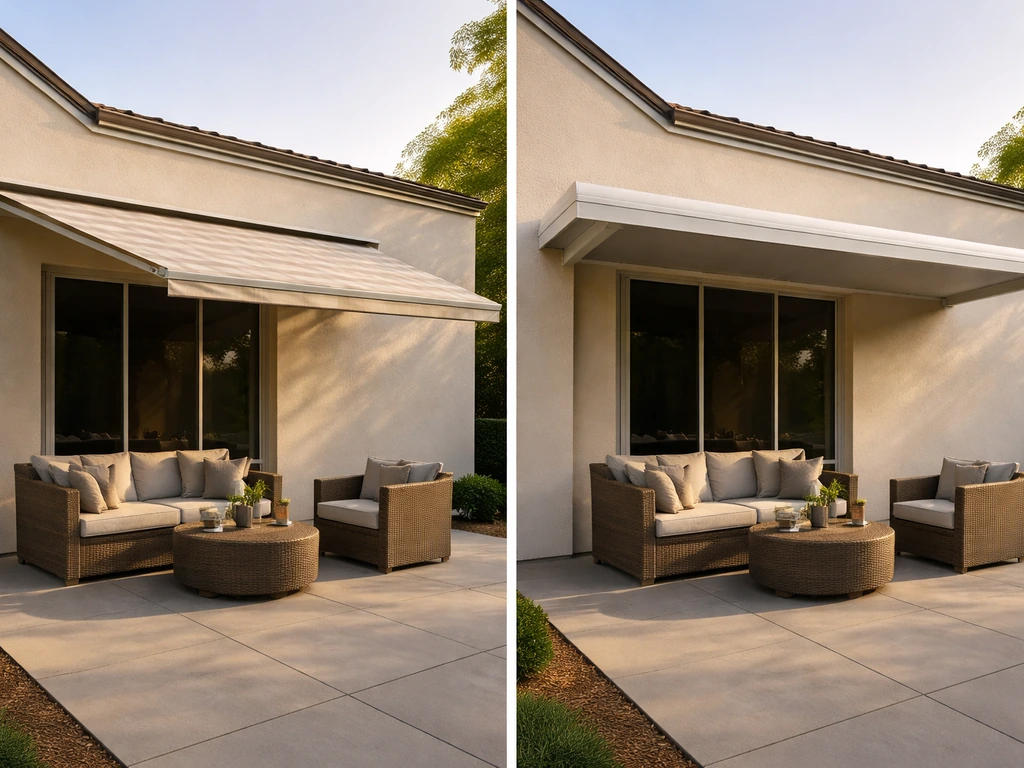
| Factor | Retractable Awning | Solid Patio Cover | Lattice Patio Cover |
|---|---|---|---|
| Sun protection | Good when extended, fully adjustable angle | Excellent, blocks 100% of sun overhead | Moderate, filters light through grid |
| Rain protection | Limited, fabric sheds light rain only | Complete with solid/insulated panels | None, open to rain |
| Wind resistance | Moderate; must retract in high winds | Excellent, engineered for wind loads | Good, open structure reduces pressure |
| Shade quality | Adjustable, sun angle dependent | Full shade all day underneath | Dappled, changes with sun angle |
| Airflow underneath | Excellent, open on all sides | Reduced, especially with solid walls | Excellent, open grid design |
| Privacy | Low, no side panels by default | Moderate (structural only) | Low |
| Permanent feel | Minimal, folds away | High, architectural feature | Medium-high |
| Year-round usability | Seasonal (fabric, cold weather limits) | Year-round in most climates | Seasonal (rain/cold exposure) |
The comfort gap between these two options is most obvious in climates with intense summer sun or regular afternoon rain. A retractable awning on a hot Texas afternoon does a solid job as long as it's extended and the sun angle is right, but the moment a storm rolls in, you're pulling it back in to protect the fabric. A solid patio cover keeps you outside through the rain, which changes how you actually use the space. That's the fundamental lifestyle difference.
Wind is the other big factor. Retractable awnings are tested for wind resistance, and manufacturers like SunSetter invest in that engineering, but the recommendation is still to retract them in strong gusts to protect the fabric and the mechanism. A well-built patio cover, on the other hand, is engineered and permitted for your local wind loads, which typically means it's built to stay in place through most storms your area sees.
What each one costs and why
Cost is where these two options diverge the most dramatically. Here's a realistic range for each, based on typical residential projects in 2025-2026.
| Option | Typical Cost Range | Main Cost Drivers |
|---|---|---|
| Manual retractable awning (DIY) | $400 – $1,200 | Width, fabric grade, hardware quality |
| Manual retractable awning (installed) | $800 – $2,500 | Above plus labor, mounting complexity |
| Motorized retractable awning (installed) | $1,500 – $5,000+ | Motor system, smart home integration, size |
| Solid aluminum patio cover (installed) | $5,000 – $20,000+ | Square footage, insulated vs. non-insulated panels, posts, permits |
| Wood patio cover (installed) | $6,000 – $25,000+ | Wood species, complexity, roofing material, labor |
| Lattice patio cover (installed) | $3,000 – $12,000 | Material (wood vs. aluminum), span, footings |
A few things drive awning costs up fast: motorization adds $500 to $1,500 or more depending on the system, and accessories like rain-runoff arches or fabric stabilizers (sometimes called DeFlappers) add to that. Width matters a lot too. A 10-foot awning and an 18-foot awning are not the same project.
Patio cover costs are mainly driven by square footage, material choice, and structural complexity. An insulated aluminum cover for a 12x16-foot patio attached to a single-story house is a different job than a wood cover with a hip roof over a 20x30-foot space. Permits and engineering fees can add $500 to $2,000 in many jurisdictions, and those are non-negotiable costs if your municipality requires them, which most do for attached structures with footings.
Maintenance, lifespan, and handling rough weather
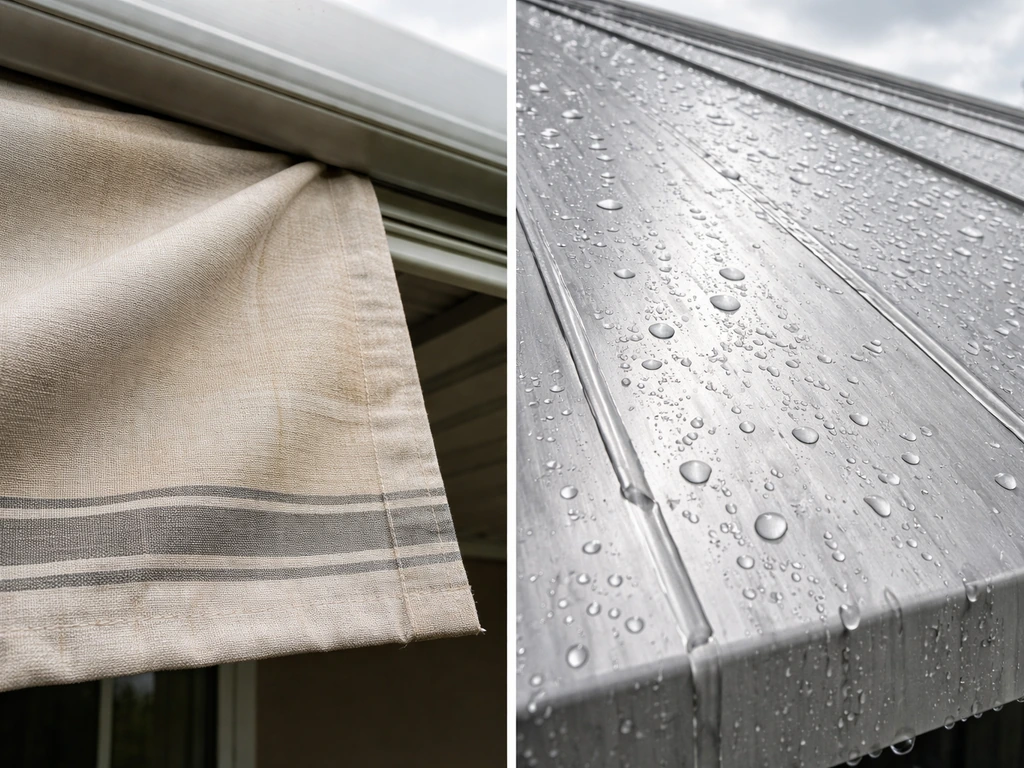
Awnings are lower maintenance in the sense that the fabric is retractable and protected when not in use, but the fabric itself does degrade over time. Most quality acrylic awning fabric (like Sunbrella-grade material) lasts 10 to 15 years before fading or showing wear. The mechanical components on retractable awnings, the spring tension mechanism, the torsion bar, and the motor if equipped, can need service or replacement in that same window. Plan on cleaning the fabric a couple of times per year with mild soap and water, and retracting it whenever sustained winds pick up.
Patio covers, especially aluminum ones, are about as close to maintenance-free as outdoor structures get. Insulated aluminum panels don't rot, don't need painting, and won't warp. That insulation can also help reduce heat buildup and dampen sound compared with non-insulated aluminum patio covers insulated aluminum panels. A quality aluminum patio cover with a powder-coated finish realistically lasts 30 to 50 years with minimal upkeep, mostly cleaning gutters or drain channels if equipped. Wood covers are a different story: they need painting or staining every 3 to 7 years depending on your climate, and you'll want to inspect them annually for rot, insect damage, and fastener corrosion.
For wind, the calculus is straightforward. Retractable awnings should be retracted in sustained winds above 20 to 25 mph to avoid damage. If you live somewhere with frequent afternoon thunderstorms or coastal winds, you'll be retracting and extending often, and you'll want a motorized system with a wind sensor to automate that. Patio covers are built to specific wind load requirements based on your local building code, which removes that concern entirely once they're installed.
How each one affects your home's value
A well-built, permitted patio cover generally adds measurable value to a home. Real estate agents and appraisers treat a quality covered outdoor living space as usable square footage in a functional sense, even if it doesn't count toward heated square footage. In warm-climate markets (Southern California, Texas, Arizona, Florida), a solid aluminum or wood patio cover can return 50 to 80 percent of its cost in home value, and in some markets more than that when it meaningfully expands outdoor living space. The key word is 'permitted.' An unpermitted structure is a liability during resale, not an asset.
Awnings are treated more like appliances than architecture. They can improve buyer perception and make a home show well, but they rarely move the appraisal needle the way a structural patio cover does. A motorized awning on a nice deck might help a buyer visualize the space, but it's not adding to the square footage calculation or the structural value of the property.
Aesthetically, both can look great if chosen well. Awnings are more flexible, you can change the fabric color or replace the whole unit without affecting the house structure. Patio covers are permanent, so the material and color choice matters more. A powder-coated aluminum cover in a color that clashes with your trim is stuck there for decades.
How to choose: the right pick for your situation
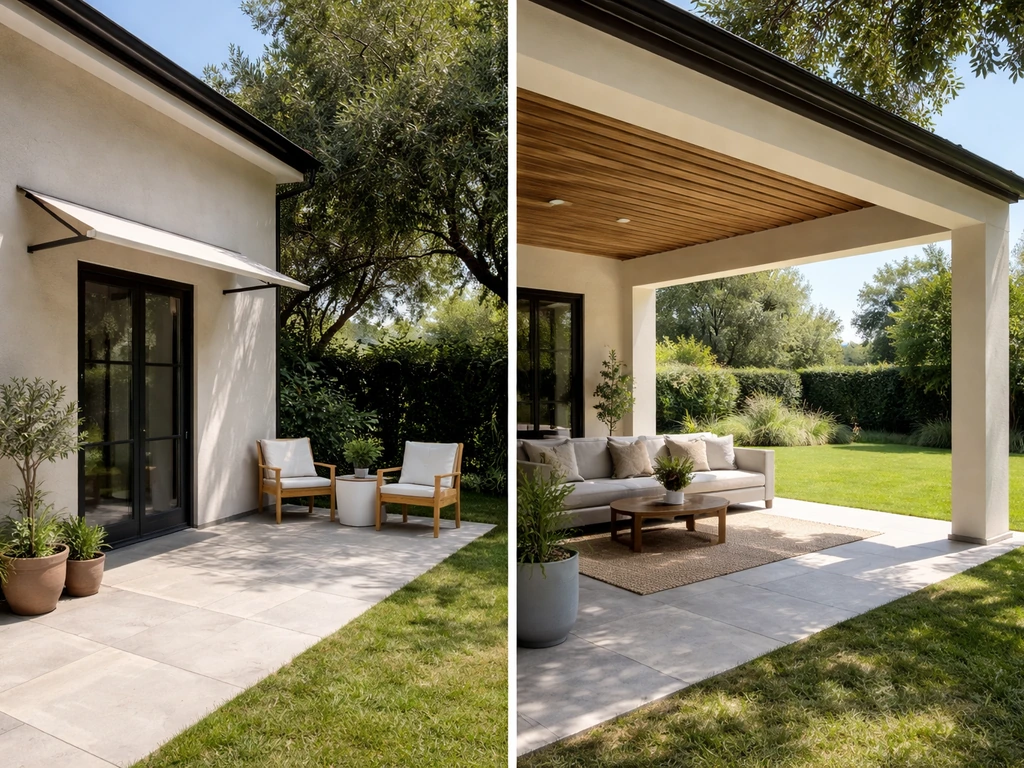
Most homeowners fit into one of a handful of scenarios. Here's a direct take on which option makes the most sense for each.
| Your situation | Best choice | Why |
|---|---|---|
| Renting or plan to move in 1-3 years | Awning | Lower cost, removable, no permit needed |
| Want to use patio year-round in a rainy climate | Solid patio cover | Rain protection is the deciding factor |
| Budget under $3,000 | Awning | Patio covers rarely come in under that installed |
| Want to extend living space and add home value | Patio cover | Structural, permitted, appraised as usable space |
| Live in a high-wind or coastal area | Patio cover or motorized awning with wind sensor | Wind management is built in vs. automated retraction |
| Prioritize airflow and natural light | Awning or lattice patio cover | Both allow breezes; lattice filters light nicely |
| HOA or neighborhood has strict aesthetics rules | Either, check HOA guidelines first | Both can trigger HOA review; covers more likely to require approval |
| Existing roof/eave clearance under 7.5 ft | Patio cover | Awning minimum clearance requirement makes it impractical |
If you're genuinely torn and the budget allows, a lot of homeowners in moderate climates end up going with a lattice patio cover or open pergola as a middle ground. It's permanent enough to add value, but it keeps the airflow and open feel that a retractable awning gives you. If you're considering a solid cover and wondering whether insulated panels are worth the upcharge, that's a comparison worth digging into separately since the temperature and noise difference is real.
Practical next steps to move forward today
Measure your space first
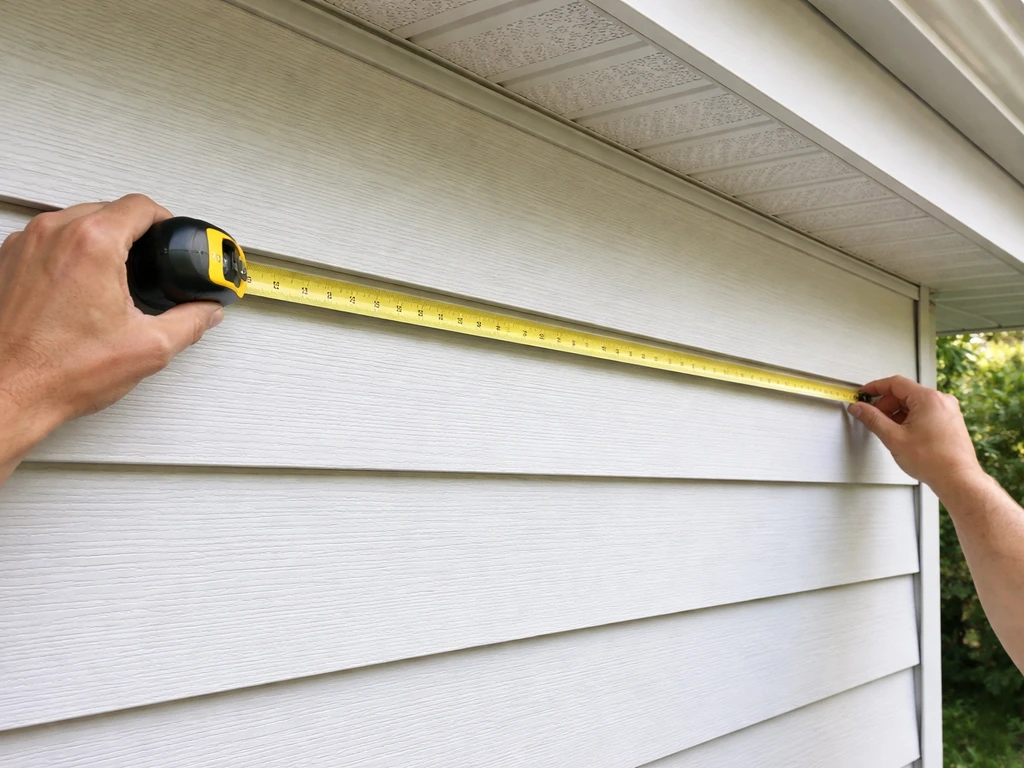
Before you call anyone, grab a tape measure. For an awning, measure the width of the wall space you want to cover and the distance you want the shade to extend (projection). Also measure from the ground up to where the bottom of your eave or soffit is. If that number is under 7 feet 6 inches, wall-mounted retractable awnings are off the table. For a patio cover, measure the full patio area length and width, note where your house wall is, and look at what's above: existing roof overhangs, second-story windows, or HVAC equipment can all affect the cover design.
Check permits before you spend a dollar on materials
Call or check online with your local building department. In most cities and counties, a patio cover attached to the house and with any footings will require a permit, and often a simple site plan or structural drawing. Freestanding structures may or may not require permits depending on size and local code. Awnings almost never require permits, but some HOAs have rules about colors, projections, or visibility from the street. If you're in an HOA, check the CC&Rs before you order anything.
DIY vs. hiring a contractor
Retractable awnings are genuinely DIY-friendly if you're comfortable drilling into masonry or locating wall studs and framing, following a detailed manual, and working on a ladder safely. Manufacturers like SunSetter sell direct-to-consumer precisely because homeowners can install them. The process involves mounting the brackets to the wall (blank" rel="noopener noreferrer">every bracket, not just some of them), leveling the cassette, and connecting the motor or crank mechanism. SunSetter’s “Rafter Adapter Bracket Installation” procedure instructs aligning the adapter brackets to the roof rafters and marking the mounting hole locations before securing blank" rel="noopener noreferrer">mounting the brackets to the wall. Budget a full day for a first-time installer.
Patio covers are a different story. A simple attached aluminum kit cover is manageable for an experienced DIYer, but it still involves setting posts, connecting to house framing, and pulling a permit in most jurisdictions. Wood covers, hip roofs, or anything requiring engineered footings should be left to a licensed contractor. If you're going the contractor route, get at least three quotes, ask specifically whether the quote includes permit fees and final inspection, and ask to see examples of permitted work they've completed in your city.
Questions to ask contractors
- Is this quote permit-ready, and does it include permit fees and inspection scheduling?
- What are the footing requirements for my soil type and local frost depth?
- What wind load rating will this structure be engineered for?
- If I choose aluminum panels, are they insulated or non-insulated, and what's the price difference?
- What is the warranty on materials and on your labor separately?
- Can I see a completed project in my area that I can visit or contact as a reference?
The single most useful thing you can do before any contractor conversation is to know your patio dimensions, your budget ceiling, and whether you want rain protection or just sun shade. Those three inputs will filter your options faster than any conversation about materials or brands.
FAQ
Can an awning be installed if my wall doesn’t have studs where the brackets need to go?
Yes, but you may need different mounting hardware. If you cannot hit framing, installers typically switch to soffit mounting (when there is suitable overhead structure) or add proper anchors that meet the manufacturer’s load requirements. Don’t “make it work” with generic anchors, because awning warranties and wind ratings often assume correct structural attachment.
What’s the practical difference between “sun shade” and “rain protection” with an awning?
Awnings are designed to block light rain and redirect some water, but they are not meant to be a full weather shelter. If you need to keep furniture and doors dry during real downpours, a patio cover usually performs better, because it provides a sealed overhead area and can incorporate drainage channels.
How do I choose retractable awning size so I actually get shade where I need it?
Measure the wall width and extension (projection), then confirm the shade line covers the specific area you use most, like the edge of your seating or the door swing. A common mistake is buying based on patio size instead of sunlight angle and where the awning will land when extended, which can leave hot spots uncovered.
Do patio covers need gutters or drain plans?
Often, yes. Many covered designs include a gutter or drain channel on the house side or integrated drainage on the structure. Without it, runoff can stain siding, create pooled water near posts, or overwhelm the deck’s drainage path. Ask your builder how water will be routed during heavy storms.
Will a patio cover trap heat under it?
It can, especially with solid non-insulated panels. Insulated aluminum and vented or lattice designs can reduce heat buildup, and airflow matters, too, if you care about afternoon comfort. If heat is your main issue, ask about using insulated panels or adding a design that allows cross-breeze.
If I’m in an HOA, do awnings ever get restricted?
Yes. Even when permits are rare, HOAs may limit fabric color, patterns, maximum projection, visibility from the street, or whether retractable units can be left extended. Check the CC&Rs and ask whether you need prior approval for the exact product model and color, not just the general category.
What’s the biggest reason patio covers get delayed during permitting?
Incomplete drawings or missing structural details. Building departments often want a site plan, attachment method to the house, and footings or post specs, especially for attached covers. Request the exact permit package your contractor will submit, and confirm the timeline for plan review in your city.
Does getting a permit guarantee my patio cover will improve resale value?
It helps, but it is not a guarantee. Appraisers and buyers still care about whether the structure is well integrated, built to match the home’s style, and properly drained. The quickest way to strengthen resale impact is to ensure it is permitted, inspected, and finished cleanly (including trim, flashing, and water management).
Can I convert an awning installation into a more permanent patio cover later?
Sometimes, but it depends on how your house attachment points were set up. Awnings mount with brackets for small loads, while patio covers require structural framing connections and often footings or engineered posts. Don’t assume the existing mounting points can be reused, especially if you plan to close in the space or add heavier roofing.
What maintenance should I plan for that most people overlook?
For awnings, clean debris from the track and check tension or motor operation annually, not just the fabric. For patio covers, inspect fasteners, flashing seams, and any drain channels for clogs. Both can suffer faster if gutters overflow toward the structure, so include runoff checks in your seasonal routine.
At what point should I skip DIY for a patio cover?
Skip DIY when the design includes engineered footings, a hip roof with complex framing, or attachment that requires precise alignment to house structure. Even “kit” covers can be risky if you cannot verify the underlying framing locations. If you are not comfortable obtaining permits and coordinating inspections, hiring a contractor usually reduces rework costs.
Next Article
Insulated vs Non-Insulated Patio Covers: Costs and Comfort
Compare insulated vs non-insulated patio covers for comfort, noise, moisture control, ventilation and real cost ranges.