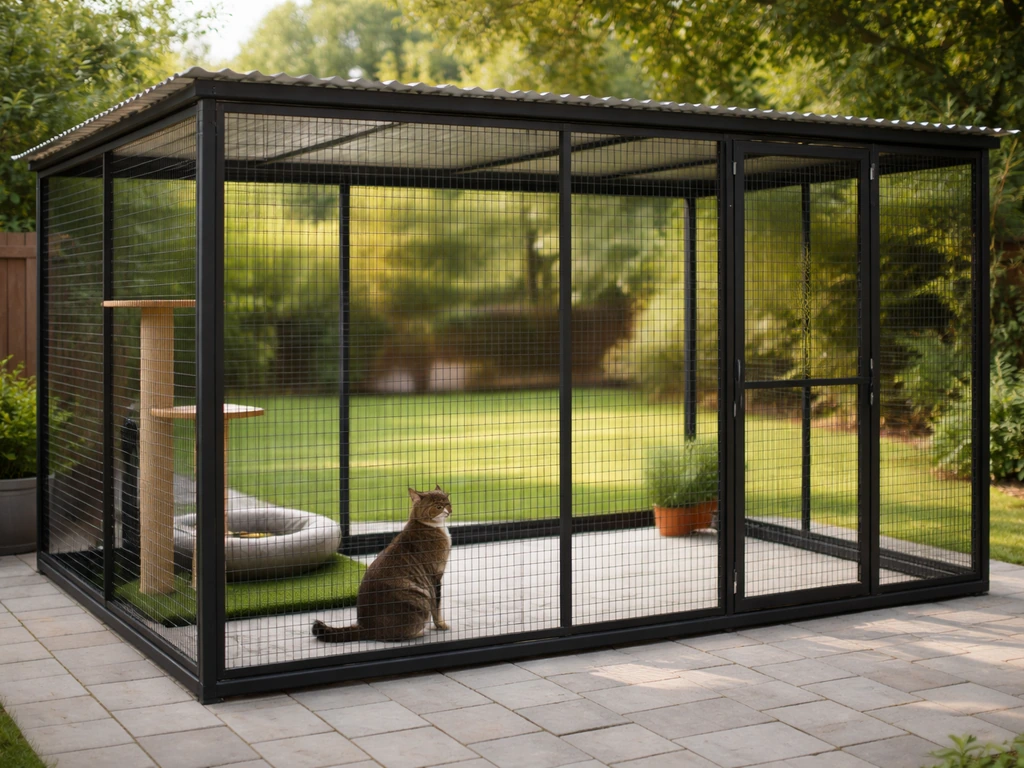
You can make your patio cat-friendly by removing hazards first, then layering in comfort and containment. That order matters. A patio full of great cat furniture but an open gate, a bag of slug bait nearby, or a toxic plant in the corner is still a dangerous space. Get the safety side right, add shade, water, shelter, and enrichment, and then pick the right level of supervision or enclosure for your situation. Most homeowners can do this in a weekend without major construction.
How to Make Your Patio Cat Friendly and Safe

Miles Hart
14 Jun 2026
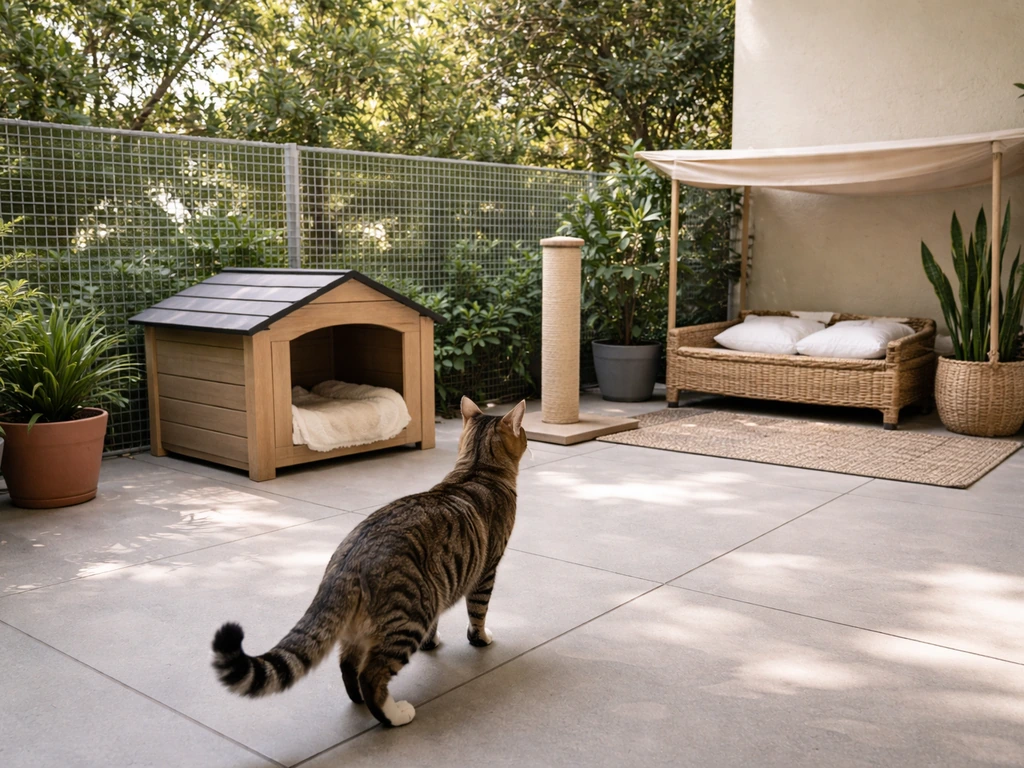
Start by assessing what you're actually working with
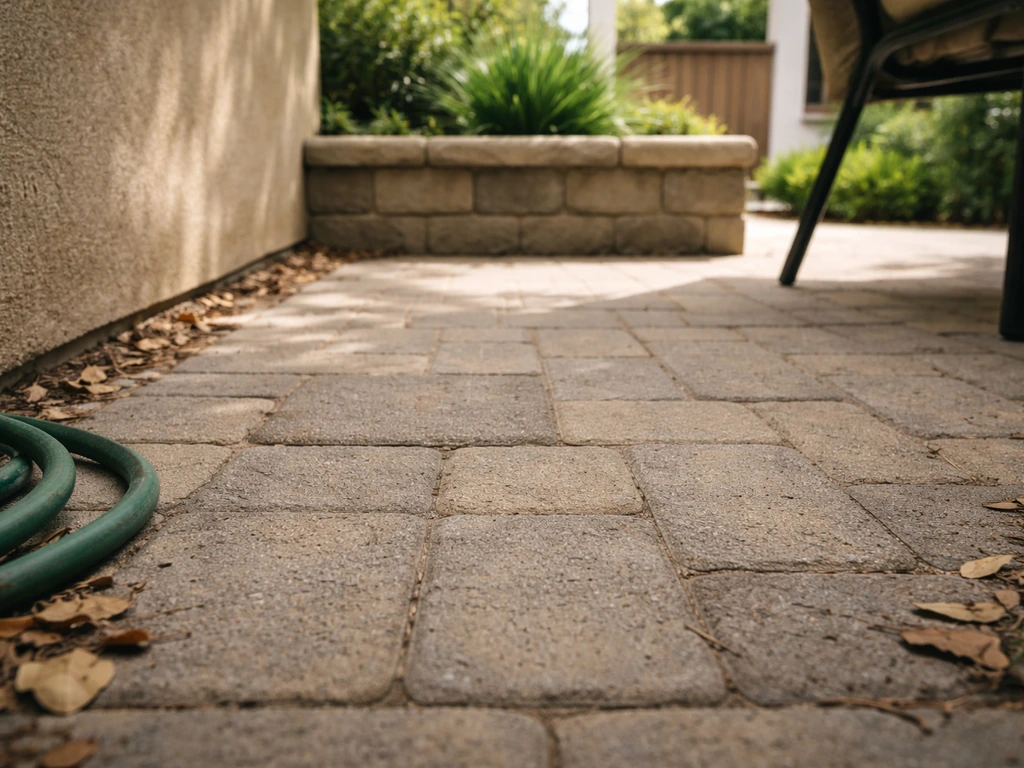
Before you buy anything or move anything, walk your patio like you're seeing it from a foot off the ground. You're looking at four things: space, surfaces, shade, and hazards. A small covered porch and a large open concrete patio have very different risk profiles and very different comfort needs.
Space matters because cats need places to retreat, not just open floor. A 6x8 covered porch can work beautifully if it has a perch, a hiding spot, and something to scratch. A sprawling open patio without any structure is actually harder to manage because there's nothing for the cat to anchor to. Measure what you have and think in zones: sun area, shade area, perch height, ground level.
Surfaces get overlooked. Concrete and composite decking absorb heat and can burn paw pads on a hot afternoon. Dark pavers are worse. Run your hand across the surface at midday before you let your cat out. If it's uncomfortable to hold your palm on it for five seconds, it's too hot. You'll need to plan shade coverage or restrict outdoor time to morning and evening hours during summer.
Shade coverage is not optional in most climates. Note where natural shade falls at different times of day and where there are none. If your patio gets full sun from 10am to 4pm, a cat sitting out there in July is a heatstroke risk, regardless of how much water you set out.
Finally, map the escape routes. Every gap under a gate, every space between fence boards, every unlocked door to the street is a risk. Cats can squeeze through surprisingly small openings. Write them all down. You'll address them specifically in the next step.
Make the space physically safe
This is the most important section in this whole guide. Outdoor access done badly shortens cats' lives. Research is clear that uncontrolled outdoor roaming is associated with significantly higher risks of injury, illness, predation, and vehicle collisions. Your patio setup needs to prevent all three categories of hazard: toxic substances, physical dangers, and escape or predator access.
Toxic plants

Check every plant on and immediately around your patio against the ASPCA's toxic plant list. Common landscaping plants that are seriously dangerous for cats include lilies (Lilium species), which can cause kidney failure even from pollen contact or drinking water from a vase with cut lilies, and sago palm (Cycas revoluta), which is highly toxic and still present in many warm-climate yards. Lily of the valley is another one that shows up in decorative pots and garden borders. The risk isn't limited to cats that eat plants. Pollen drops, plant material ages and falls, and curious cats brush against things. Remove toxic plants from the patio entirely, not just out of reach.
Chemicals and pesticides
Slug and snail bait is one of the most dangerous items in a typical backyard. Products containing metaldehyde can cause severe poisoning in cats and act fast. Iron phosphate-based baits are a safer alternative if you need to use anything at all, but even those shouldn't be left where a cat can access them. Store fertilizers, herbicides, and any garage chemicals in sealed, pet-proof containers. If neighboring gardens use pesticides or slug bait, that's a real risk for any cat that crosses into those areas, which is another argument for keeping your cat contained to your patio space rather than the whole yard.
Gaps, sharp edges, and escape routes
Go back to your escape-route map and fix every gap. Common fixes include hardware cloth or welded wire mesh to block under-fence gaps (aim for openings no larger than about half an inch square for smaller pest exclusion as well), roller barriers on top of fences, and door draft stoppers or purpose-built cat-proof gate latches. Check for sharp edges on metal furniture, exposed screws, and broken fence boards. Run your hand along the edges of anything a cat might jump onto or squeeze past.
Predators and traffic
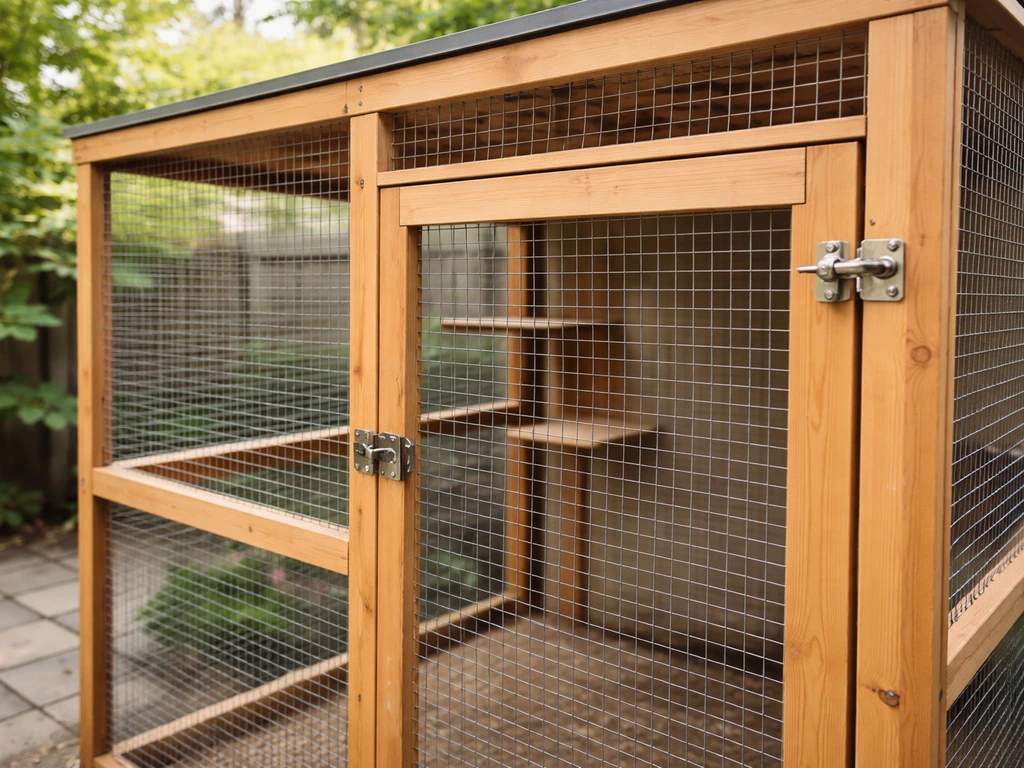
Depending on where you live, realistic predator threats include raccoons, coyotes, birds of prey, and neighborhood dogs. A fully enclosed catio handles this completely. A fenced patio without a roof cover does not. If you're in a suburban area with regular coyote or raptor sightings, an open-top enclosure is not enough. Factor your local wildlife into your containment decision. Dog-friendly patio rules often differ from cat safety needs, so it's smart to confirm local pet policies and each animal's temperament first are dogs allowed on patios.
Add the comfort layer: shelter, warmth, water, and enrichment
Once the space is safe, make it genuinely appealing. A cat that finds the patio boring or stressful won't use it well, and you'll end up with an animal that either bolts for the fence or hides under a chair. The goal is a space that meets all a cat's basic outdoor needs and gives them things to actually do.
Shelter and temperature management
Provide shelter from both cold and heat. For rain and cold, a covered porch already does a lot of the work. Add a cat bed or enclosed house in a draft-free corner. For heat, shade is the priority: shade cloth, a pergola cover, a patio umbrella, or a solid roof section all work. The CDC recommends shade and fresh water access specifically for outdoor cats in hot weather, and VCA notes that preventing patio heatstroke means avoiding peak sun hours and ensuring the cat can always move to a cooler spot. Don't lock a cat out on a sun-exposed patio in summer and assume they'll manage.
Fresh water
Always have fresh water available and place it in the shade, not in full sun. A water dish in direct afternoon sun gets warm fast and most cats won't drink warm water when it matters most. Cat fountains work well outdoors and the moving water encourages drinking. Check and refill daily.
Enrichment
Cats need things to do. On a patio, that means height (a sturdy cat tree, a wall-mounted shelf, or a purpose-built platform), something to scratch (a sisal post or a horizontal scratch pad works better outdoors than carpet-covered options that absorb moisture), and visual stimulation. A perch near the fence line or overlooking the garden gives a cat the 'window seat' experience they love. You don't need to spend a lot: a solid wooden shelf bracket at 4 feet, a weatherproof cushion, and a sisal post anchored to a fence post covers the basics.
Decide how much freedom you're actually giving them
This is where most people's plans get fuzzy. 'Cat-friendly patio' can mean supervised visits on a harness, a fully enclosed catio the cat accesses through a cat door, or a fenced yard with cat-proof fence toppers. These are very different setups with different costs, effort levels, and safety outcomes. Pick the one that matches your situation honestly. To make sure you end up with a true cat patio, follow a simple step-by-step plan from safety checks to comfort and enrichment how to build a cat patio.
| Option | Best for | Approximate cost | Safety level | Effort |
|---|---|---|---|---|
| Supervised harness/leash access | Cats new to outdoors, apartments, high-risk areas | $15-$50 for harness and leash | High when supervised, zero unsupervised | High ongoing (you must be present) |
| Cat-proof fence toppers/rollers | Homeowners with existing fenced yard | $200-$800+ depending on perimeter | Good against escape, less so against predators from above | Moderate install, low ongoing |
| Pre-built catio panel kit | Most homeowners wanting a dedicated enclosed space | $300-$2,000+ depending on size | High, including predator protection with roof | Moderate install |
| Custom built catio or enclosure | Larger spaces, specific layouts, DIY-comfortable owners | $500-$5,000+ depending on materials and size | Highest when built correctly | High upfront, low ongoing |
| Cat door to existing screened porch | Covered porches already screened | $30-$150 for cat door | Good if screening is intact and secure | Low install |
Harness and leash training
If you go the harness route, start indoors, not outside. The San Francisco SPCA recommends letting the cat wear the harness inside for several sessions before any outdoor exposure, so the equipment itself isn't associated with unfamiliar stimuli all at once. When you do go outside, keep it short, let the cat lead the pace, and use immediate positive reinforcement: as soon as they take a couple of steps forward on the leash, release tension and reward. Skipping the indoor phase is one of the most common mistakes people make. A cat that panics in a harness outdoors the first time can develop lasting aversion to the whole setup.
Catios and enclosures
A catio (essentially a screened or mesh outdoor enclosure designed for cats) is the most hands-off safe option once it's built. The cat can be outside when you're not watching, predators can't get in, and the cat can't escape. The main decisions are size, mesh specification, and attachment. Use mesh with openings no larger than about half an inch square for solid protection against small pests and escapes. Make sure all mesh is attached tightly with no gaps at joints or corners. If you're thinking about building one from scratch or attaching an enclosure to a covered porch, that's a whole separate project with its own planning considerations. If you need a detailed walkthrough for the practical steps, see how to build a cat enclosure on apartment patio for a build-focused checklist enclosure planning and construction.
Keep up with health basics for outdoor time
Any cat spending time outdoors has different health exposure than a strictly indoor cat. Before you start regular patio sessions, get a vet check if you haven't had one recently. Cornell University's College of Veterinary Medicine is clear that which vaccines make sense depends on lifestyle and risk level, so tell your vet your cat will be going outside, even in a controlled way. Cornell University College of Veterinary Medicine also emphasizes that the vaccines that make sense depend on a cat's lifestyle and exposure risk rather than a one-size-fits-all approach Feline Vaccines. They may recommend boosters for feline leukemia, rabies, or other exposure-related risks that indoor-only cats might not need.
Flea and tick prevention is non-negotiable once outdoor access begins. Even a patio with no soil or grass contact can host fleas carried by passing wildlife. Use a vet-recommended monthly prevention product and check your cat after every outdoor session, especially ears, around the collar line, and between toes. Ticks can carry serious disease and are not always visible without a careful look.
Monitor your cat every time they come inside. You're looking for cuts or scrapes, limping, changes in breathing, excessive drooling or lethargy (heat stress signs), or any unusual behavior. Outdoor injuries are often subtle at first. The CDC recommends contacting your vet if you notice any signs of illness. If you see possible heatstroke signs (panting, drooling, lethargy, stumbling), move the cat to a cool area with water immediately and contact your vet. VCA classifies this as urgent. Don't wait to see if they 'come around.'
Build trust and help your cat actually use the space
A safe, well-equipped patio doesn't mean your cat will walk out and love it on day one. Some cats do. Many don't. The introduction process matters, especially for cats that haven't been outdoors before or that are naturally cautious.
Introduce the space gradually
Start with the door open and let the cat choose to explore. Don't carry them out or push them. Sit outside yourself and let curiosity do the work. Keep first sessions short (10-15 minutes) and stay present. Bring a familiar blanket or bed out so the space smells recognizable. Gradually extend time as the cat shows comfort. Rushing this process often creates the opposite of what you want: a cat that associates the patio with stress.
Use hiding spots strategically
Hiding spots aren't a failure. They're essential. A cat that can retreat to a covered box, under a bench with a draped blanket, or into an enclosed cat house feels safe enough to eventually come out and explore. Remove hiding spots too soon and you get a cat that either flees or freezes. Keep at least one good low-profile retreat in the space permanently.
Use food and routine as anchors
Feed your cat near (or at) the patio door or in the enclosure itself during the introduction phase. Routine and food association are among the most reliable trust-building tools. If the patio is where snacks appear, it becomes a desirable place. Clicker training also works well for patio-based behaviors: you can mark and reward specific behaviors like stepping onto a perch or approaching a new object from a distance, which helps timid cats build confidence with specific features of the space.
Let the cat set the pace for new stimuli
If your cat freezes or retreats when a lawnmower starts up next door or a bird lands nearby, don't force continued exposure. Cornell's feline behavior guidance recommends gradual desensitization, not flooding. Reduce the stimulus if you can, reward calm non-reactive behavior, and let the cat build tolerance over multiple sessions.
What to avoid, and when to get professional help
The single biggest mistake is giving a cat uncontrolled outdoor access before the space is properly secured. An open gate, an unscreened gap, or an unsupervised first session in an unfenced yard can go wrong fast. Research consistently links uncontrolled outdoor access to significantly worse outcomes for cats. Even the best-intentioned 'just for a minute' situations create habits that are hard to walk back.
- Don't put a harness on a cat for the first time outdoors. Always start inside.
- Don't use metaldehyde slug bait anywhere near a cat's outdoor area.
- Don't leave toxic plants on or adjacent to the patio, even in pots out of easy reach.
- Don't assume a standard fence will contain a cat. Cats climb and jump. Standard fences need toppers or full enclosures.
- Don't leave a cat unattended on an open patio in peak summer heat without shade and water.
- Don't rush the introduction to the outdoor space. Stress during early sessions sets a negative association that takes much longer to undo.
- Don't ignore persistent hiding, refusal to eat, or aggression when brought near the patio door. These are signals, not stubbornness.
If your cat shows extreme fear responses (sustained hiding, aggression, panic, or refusal to engage with the space after several gentle attempts), that's a behavior issue worth getting professional input on. The Humane Society of Missouri specifically notes that extreme fears and aggression warrant a behavioral consultation, not just more exposure attempts. A certified cat behaviorist can assess whether outdoor access is appropriate at all and design a desensitization plan tailored to your cat.
On the construction and legal side: if you're planning a larger enclosed structure attached to your home, check local building codes before you build. Some municipalities require permits for permanent structures even if they're lightweight mesh. Homeowners association rules sometimes restrict visible enclosures on patios or decks. A quick call to your local planning office before you start a catio build saves a lot of headaches. If you're renting, get written permission before installing anything structural. If you want to think through those build decisions in more depth, the specifics of enclosure planning and construction are worth exploring separately.
Finally, keep your vet's number and the ASPCA Animal Poison Control Center number (888-426-4435) accessible. If your cat gets into a toxic plant or chemical on the patio, act immediately. Don't wait for symptoms to develop before making the call.
FAQ
How can I tell if my patio surface is safe when I cannot feel the heat easily (for example, I'm unsure if it's “too hot” for paws)?
Do a timed palm test at the hottest time of day, and also observe from a cat-height perspective. If possible, place an object with a similar surface temperature to a cat’s paw (a flat piece of metal or the bottom of a thermometer) for about 5 seconds on the spot, then remove it and compare discomfort for you. If you cannot comfortably hold your palm on it for about 5 seconds, restrict access to mornings or add shade coverage over that exact area.
What size gaps should I look for when I’m blocking escape routes and under-fence spaces?
Treat any opening under about 0.5 inch (roughly half an inch square) as a potential route for smaller cats and young cats, and inspect corners, gate bottoms, and fence seams. Cats often test gaps by squeezing, so check not only visible holes but also spaces created when doors swing, latches sit unevenly, or panels bow.
Can I use a patio cat-friendly setup if my cat is an indoor-only “novice” who is never used to noises and people?
Yes, but prioritize a low-pressure start. Keep the first sessions short (10 to 15 minutes), allow retreat options immediately, and avoid adding multiple new elements at once (like harness plus new furniture). If your cat does not explore after several calm sessions, switch to gradual desensitization with rewards from the doorway, and consider a behavior consultation rather than forcing more outdoor time.
Are there any plants that are “safe unless eaten,” or do I need to remove everything questionable even if my cat never chews?
Remove anything on the toxic list even if your cat seems unlikely to eat it. Pollen, fallen plant material, and contact with leaves can still be risky in some species, and cats may sample plants in brief moments you do not witness. If you want a safer approach, replace with cat-safe plants and keep all planters within screened or enclosed areas.
What should I do if the patio is adjacent to a neighbor’s garden where slug bait or pesticides might be used?
Assume those chemicals can be a risk if your cat can access shared edges, cross into neighboring paths, or contact tracked residues. The safest practical strategy is to keep your cat contained to your patio area with full gap prevention and consider adding a physical barrier (like mesh or a bottom seal) along the shared boundary. If you share fence lines, talk to neighbors about using pet-safer methods.
If I use a harness, how do I prevent my cat from learning to panic or associate the harness with fear outdoors?
Use a phased approach and keep sessions predictable. Practice indoors first with short sessions, then move outdoors gradually in a calm location with minimal distractions. Reward immediately when your cat takes steps forward and release tension, do not pull them to “keep going,” and stop the session before panic escalates. A common mistake is skipping the indoor harness sessions, which can create lasting avoidance.
How often should I check my cat for fleas and ticks if they only visit the patio?
Check after every outdoor session, even if there is no grass or soil contact. Focus on ears, around the collar line, and between toes, and part fur carefully because small ticks can be easy to miss. Use vet-recommended monthly prevention consistently, and treat the cat, not just the environment, because fleas can be carried in by other animals.
What are the best “early” signs of heat stress on a patio cat, and when is it urgent?
Early warning signs include increased panting, drooling, unusual lethargy, stumbling, or acting disoriented. If you see heatstroke-like signs, move the cat to a cool, shaded area immediately, offer water, and contact your vet right away rather than waiting for improvement. Keep a plan ready before summer starts, including a place you can move the cat quickly.
If my cat hides during outdoor introductions, should I give them more time outside or adjust the setup?
Do not interpret hiding as failure. Keep at least one reliable retreat spot available and reduce pressure. If your cat is still hiding after multiple short sessions, adjust variables like stimulus intensity (noise, movement, passersby), session length, or where you place food and water. Overexposure can turn the patio into a stressful site, making future visits harder.
Do I need a cat-proof gate, or is supervision enough for a patio that is mostly enclosed?
Supervision helps, but it is not the same as prevention. A properly secured entrance still matters because cats can slip through at the moment the gate is opened, and “just a minute” gaps are where escape routes start. If your patio is not fully enclosed, use a cat-proof latch or door mechanism and verify that the cat cannot exploit open moments.
When should I check local building codes or HOA rules, and what kinds of permissions often apply?
Check before you install any permanent or semi-permanent enclosure, especially if it is attached to your home, changes the appearance of a deck, or adds a roof structure. Many areas require permits for structural modifications even when the build is mesh-based, and HOAs can limit visible enclosures on patios. If you rent, request written approval for anything structural or that modifies access points.
Next Article
How to Enclose a Patio for Cats: Design and Build Guide
Step-by-step guide to enclose a patio for cats with safe fencing, sizing, materials, DIY vs contractor, costs, permits.