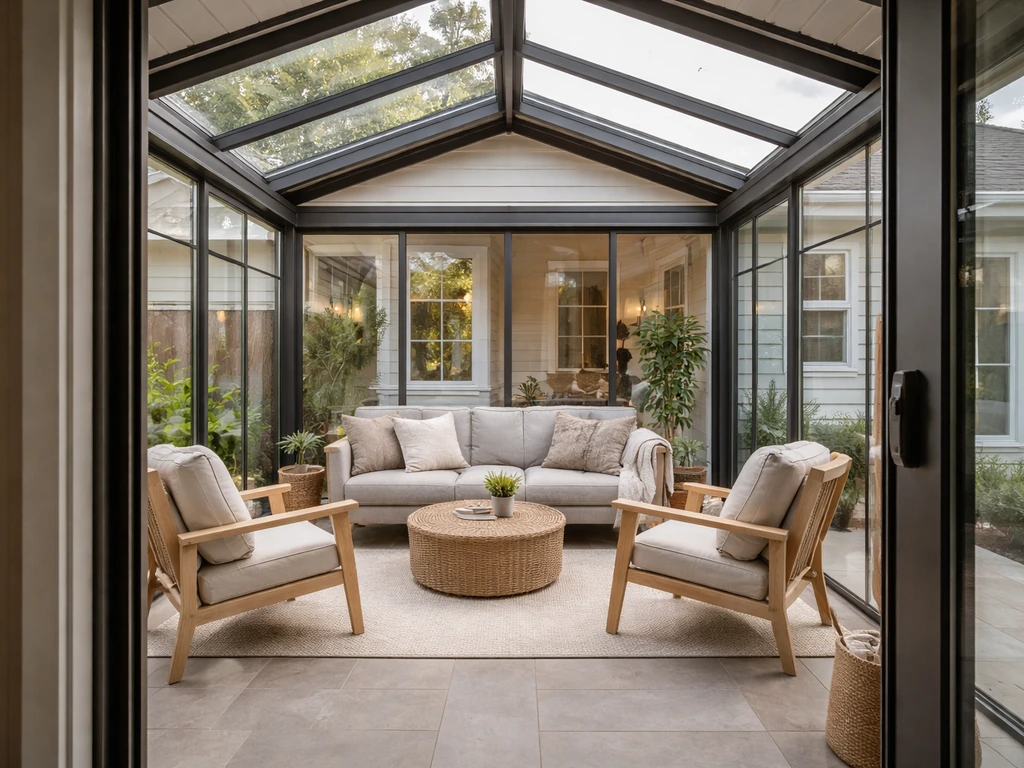
Yes, you can build a conservatory on an existing patio, but the patio itself almost never acts as the foundation. What sits under those slabs matters far more than the slabs themselves. In most cases you'll need to strip back some or all of the existing surface, pour concrete footings or a reinforced base, and anchor the conservatory frame properly before a single pane of glass goes up. Do that groundwork right and a patio site is perfectly viable. Skip it and you risk differential settlement, cracked frames, and a structure that fails building control.
Can you build a conservatory on a patio? UK guide

Miles Hart
19 Jun 2026
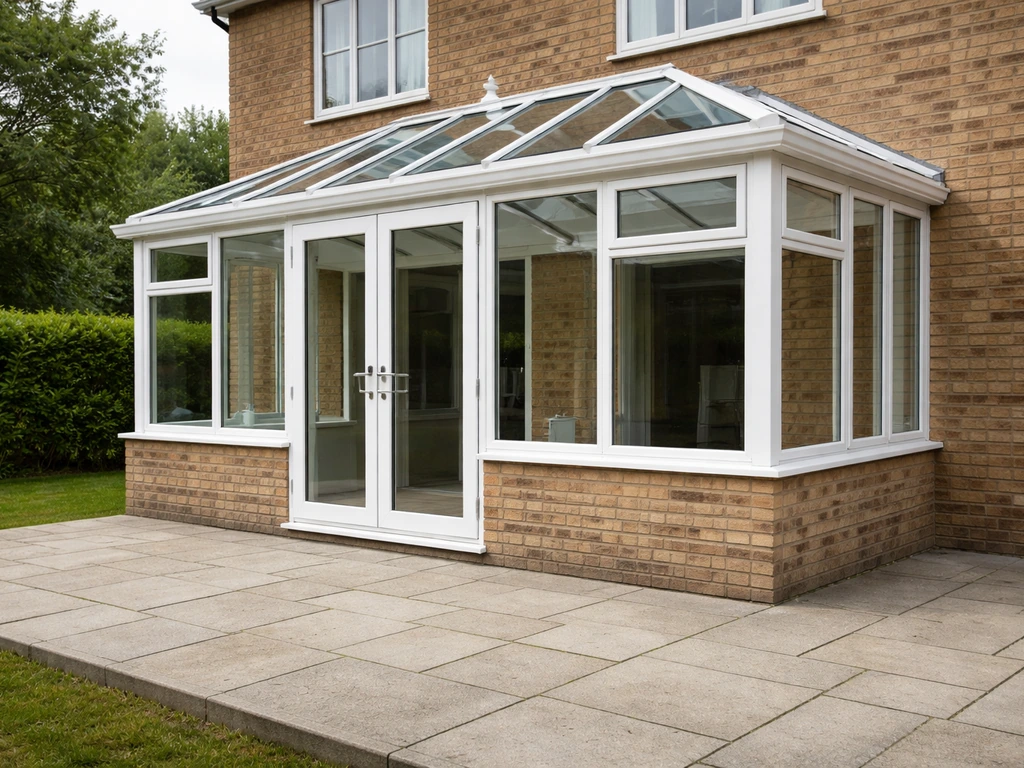
Can your patio actually support a conservatory?
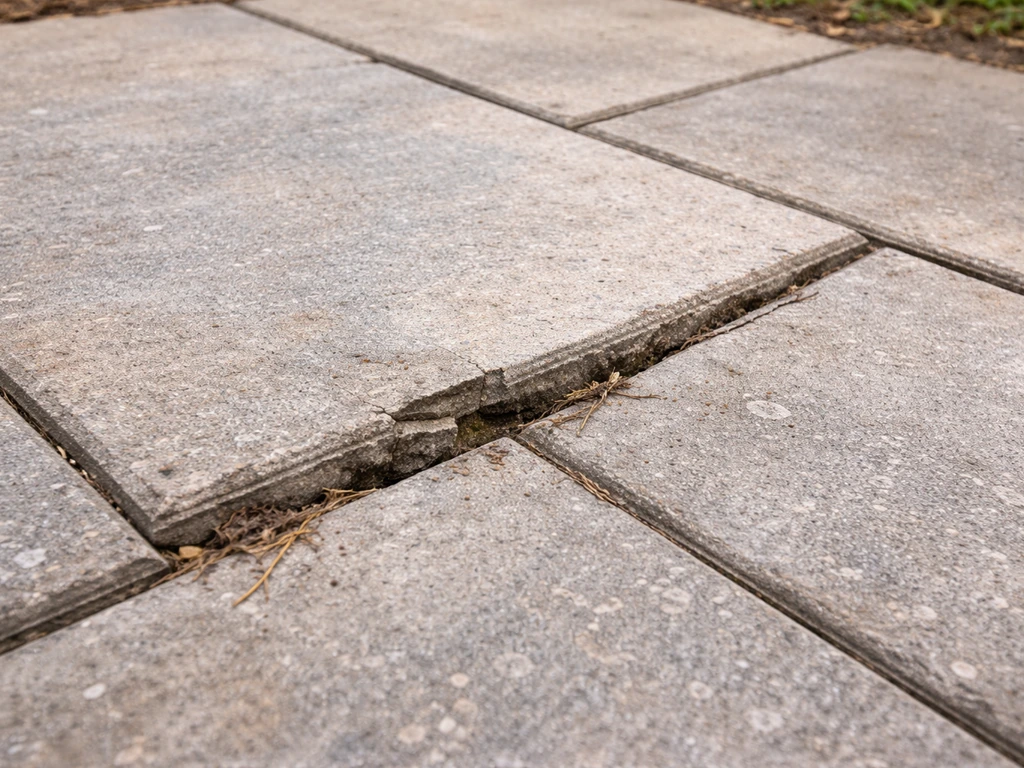
The honest answer is: maybe, but you need to find out before you buy anything. A standard domestic patio is a surface, not a foundation. Whether it's poured concrete, laid slabs, block paving, or even decking, it was designed to take foot traffic and garden furniture, not a glazed structure weighing several tonnes and permanently attached to your house. The key questions are what sits under the surface, how deep any existing concrete goes, what the ground conditions are like, and whether there are drainage runs or inspection chambers hidden underneath.
The structural risk planners and surveyors flag most often is differential settlement, where different parts of the base move at different rates. This is especially common where one side of the conservatory ties into the house foundations (which go deep) while the other side sits on shallow patio screed (which doesn't). The result is cracking in the frame, failed seals, and water ingress. Avoiding it means matching your foundation depth and type to the ground conditions and, ideally, tying into or mirroring the depth of your house's existing foundations.
The type of ground under your patio also changes what kind of foundations you need. Stable, sandy soil can often take a strip or trench-fill foundation. Clay-heavy ground moves seasonally and typically demands deeper concrete or even a raft foundation to distribute the load. If there are mature trees nearby, root activity can make clay movement even worse. A structural engineer or experienced conservatory installer will assess all of this during a site survey, which is why getting that survey done early is so important.
Decking is a special case. If your patio is a timber deck, you almost certainly can't build directly on it. Decking is lightweight, flexible, and not load-bearing in the way a conservatory demands. You would need to remove it and assess the ground beneath before any base work begins.
Which types of conservatory work best on a patio site?
Not every conservatory style is equally practical on an existing patio. The structure's weight, roof design, and how it connects to the house all affect what base work you'll need and how much disruption to expect. Here's how the main options compare.
| Conservatory Type | Typical Weight / Load | Base Requirement | Patio Compatibility |
|---|---|---|---|
| Lean-to (flat/mono pitch) | Lightest | Strip or pad footings usually sufficient | Best — simplest base, low roof load |
| Victorian / Edwardian (polycarbonate roof) | Medium | Strip or trench-fill foundations | Good — standard approach, well understood |
| Victorian / Edwardian (glass roof) | Heavier | Trench-fill or deeper strip foundations | Good with correct base prep |
| Orangery / solid roof | Heaviest | Trench-fill, raft, or engineered pad foundations; steel portal frame may be needed | Possible but most disruptive to existing patio |
| Modular / prefab system (steel base frame) | Light to medium | Concrete pads at anchor points | Very compatible — minimal patio disruption |
A lean-to conservatory is generally the easiest to fit onto a patio site. It has one roof slope, connects along a single wall, and its load is relatively simple to manage with strip footings. If your patio is already at the right level and the ground underneath is stable, a lean-to often requires the least base remediation.
Modular steel-frame systems are worth knowing about if you want to disturb the existing patio as little as possible. These use a perimeter steel base frame supported on concrete pads at key load points rather than a continuous foundation. Suppliers like Durabase have built systems specifically around this approach. The pads are dug at intervals, poured in situ, and the steel frame bolts onto them. It's faster and less destructive than full excavation, though it still requires professional assessment of pad sizes and spacing.
Orangeries and solid-roof designs sit at the other end of the scale. The heavier roof loads, often combined with brick or block dwarf walls, mean you're likely looking at deeper trench-fill foundations and possibly a steel portal frame bolted into a load-bearing concrete pad in the cavity wall. These builds are entirely feasible on a patio site, but expect more groundwork, more disruption, and a higher base-work cost.
Planning permission and building regulations: what you actually need
Planning permission
For most homes in England and Wales, adding a conservatory falls under permitted development, meaning you don't need to submit a planning application provided the design stays within specific limits. The key conditions include: the conservatory must not extend beyond the rear wall of the original house by more than 4 metres (detached) or 3 metres (semi-detached or terraced); it must not be higher than 4 metres; it must not cover more than half the original garden area; and the roof ridge must not be higher than the eaves of the existing roof. These limits apply to single-storey rear extensions, which is how conservatories are classified.
Permitted development rights can be removed or restricted in certain situations. If your home is in a conservation area, an Area of Outstanding Natural Beauty, a National Park, or is a listed building, the rules are tighter and you will almost certainly need planning permission regardless of size. Some modern housing estates also have Article 4 Directions that remove standard permitted development rights, so it's worth checking with your local planning authority before assuming you're exempt. The Planning Portal's conservatory guidance is a good first stop, and a quick call to your council's planning department costs nothing.
One thing that catches people out when building on a patio: if you raise the floor level to match your indoor floor (which is common when moving from a lower patio to an internal threshold), that change in height can affect how planning rules measure the structure. It's a minor but real consideration, particularly on sloping sites.
Building regulations
Planning permission and building regulations are two completely separate things, and this is where a lot of homeowners get confused. A conservatory can be exempt from building regulations if it meets a specific set of conditions: it must be built at ground level, have a floor area of less than 30m², be separated from the house by external-quality doors and windows (so it's thermally separated from the heated house), and have a translucent or transparent roof. If your conservatory meets all of those criteria, you generally don't need building regulations approval for the conservatory itself.
However, that exemption is narrower than it sounds in practice. The moment you remove the separating wall or doors between the conservatory and the house, open it up to the main heating system, or create a new structural opening, building regulations kick in. As the Welsh Government guidance makes clear, structural openings between the conservatory and house always require building regulations approval regardless of whether the conservatory itself is exempt.
Even on an exempt conservatory, certain elements are still regulated. Safety glazing under Approved Document K (protection from collision) means any glass in critical locations (doors, low-level panels, side panels near doors) must be toughened or laminated to British Standards. Drainage design falls under Approved Document H, so your rainwater runoff plan needs to connect properly to the existing surface water or sewer system. If the conservatory is not thermally separated, thermal performance requirements under Part L come into play. And overheating, which is a genuine problem with heavily glazed structures, is addressed under Approved Document O for newer builds.
For glazing installation specifically, if you use a contractor registered with a Competent Person Scheme like FENSA or CERTASS, they can self-certify their work and issue a Building Regulations Compliance Certificate without requiring a separate building control inspection. This matters practically because it affects whether you need to notify your local council at all for the glazing element. If you go with an unregistered installer or do it yourself, you'll need to notify building control and arrange inspections.
The application process itself is straightforward. You submit a Building Notice to your local Building Control Body (or use a private approved inspector), and under most routes you can start work two days after submission. For larger or more complex projects, a Full Plans application gives you approved drawings before you start, which reduces the risk of having to redo work. Retrospective regularisation is also available if work has already been done, but it's more expensive and stressful than getting approval upfront.
What it's actually going to cost
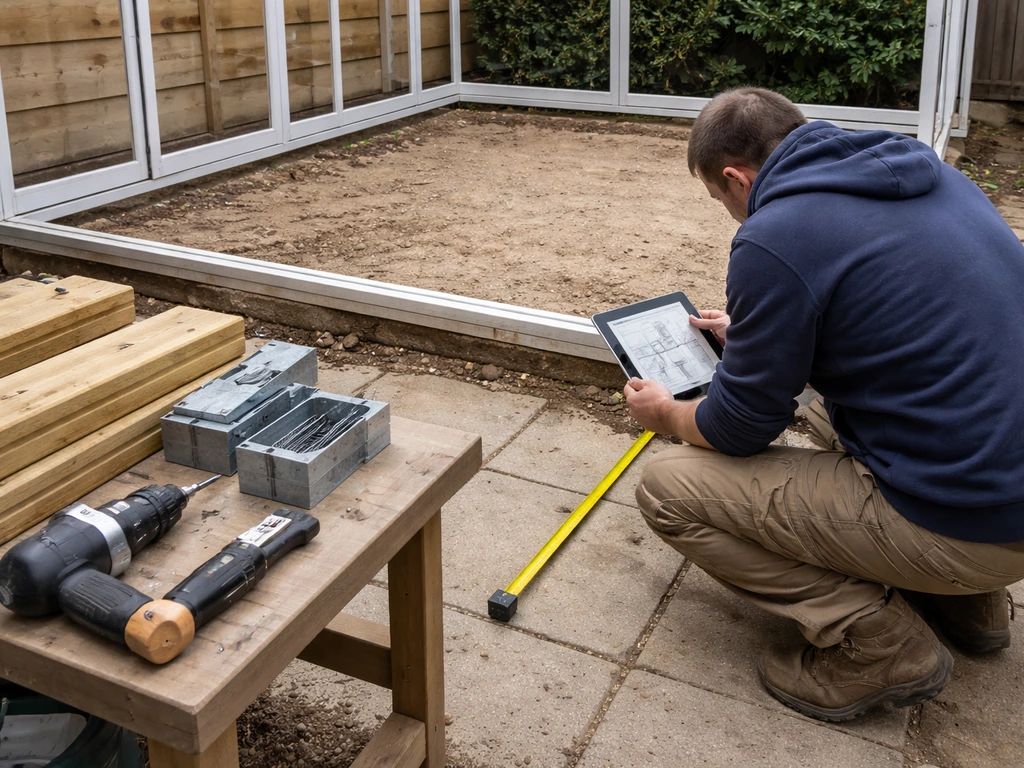
Conservatory costs are usually quoted for the frame, glazing, and roof only, and that's where homeowners building on a patio get a shock. The base work, foundation preparation, and any patio remediation are almost always priced separately, and they can add a significant chunk to the total. Here's how the budget typically breaks down.
The conservatory structure itself
A supplied-and-fitted lean-to conservatory typically starts at around £8,000 to £15,000 for a basic polycarbonate roof version on a modest footprint (roughly 10 to 15m²). A Victorian or Edwardian style with a polycarbonate roof runs £10,000 to £20,000 at a similar size. Step up to a glass roof and you're looking at £15,000 to £30,000 depending on size and specification. An orangery or solid/tiled roof structure starts at roughly £25,000 and rises well above £40,000 for larger builds with higher-spec glazing and finishes. These are 2026 supply-and-fit ballparks for England; regional variation is significant, with London and the South East running 15 to 25 percent higher than the Midlands and North.
Base works and foundation costs
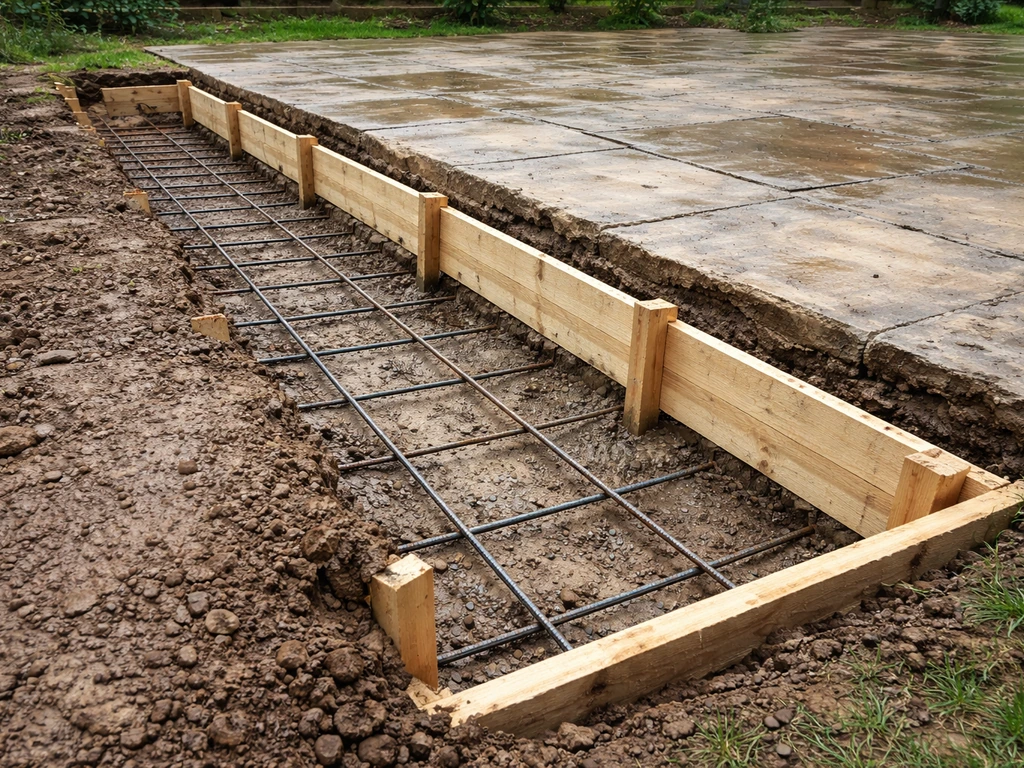
This is the budget line that catches people out. If your patio needs to be partially or fully excavated and refounded, expect to spend between £1,500 and £5,000 on base works alone for a typical domestic conservatory. Strip foundations for a small lean-to might come in at the lower end. A trench-fill foundation for a larger Victorian or Edwardian, especially on clay, can hit the upper end or beyond. If you need a raft foundation or a steel portal frame system with engineered pads, costs can go higher still. Get this priced separately and explicitly before agreeing to any overall quote.
Additional costs to budget for
- Structural survey or engineer's assessment: £300 to £600 if needed for ground conditions or unusual loads
- Planning application fee (if required): currently £206 in England for a householder application
- Building control fees: typically £200 to £500 depending on local authority and project size
- Electrical work (lighting, sockets, heating): £500 to £2,000 depending on scope; must be done by a Part P registered electrician
- Drainage connection or runoff management: £300 to £1,500 depending on how far the run is and whether new connections are needed
- Internal finishes (flooring, plastering, decorating): £500 to £3,000 depending on how you want to finish the space
- Blinds, ventilation upgrades, or solar-control film: £500 to £2,500 depending on specification
A realistic total budget for a mid-range Victorian-style conservatory with glass roof, proper base works, electrical fit-out, and drainage on an existing patio site is somewhere between £25,000 and £45,000 installed. A basic lean-to on a straightforward patio with polycarbonate roof and minimal base work can be done for £12,000 to £18,000. These aren't worst-case numbers, but they're honest ones.
DIY vs hiring a contractor: where the line really is
There's a reasonable amount you can do yourself on a conservatory project, but the foundations, structural frame, and glazing are not in that category. Here's where the line sits.
What homeowners can realistically tackle
- Clearing and demolishing the existing patio surface (lifting slabs, breaking up non-structural concrete, clearing debris)
- Preliminary groundwork like marking out and rough excavation to depth (though a contractor should confirm levels and soil conditions before any concrete is poured)
- Making good around the perimeter after installation (pointing, external rendering, tidying)
- Internal finishing work: laying floor tiles or laminate over the finished conservatory floor, painting, decorating
- Fitting blinds, shelving, or furniture
- Basic landscaping around the new structure
What should always be professionally installed
- Foundation design and pour: getting the depth, mix, and reinforcement wrong here causes settlement and structural failure
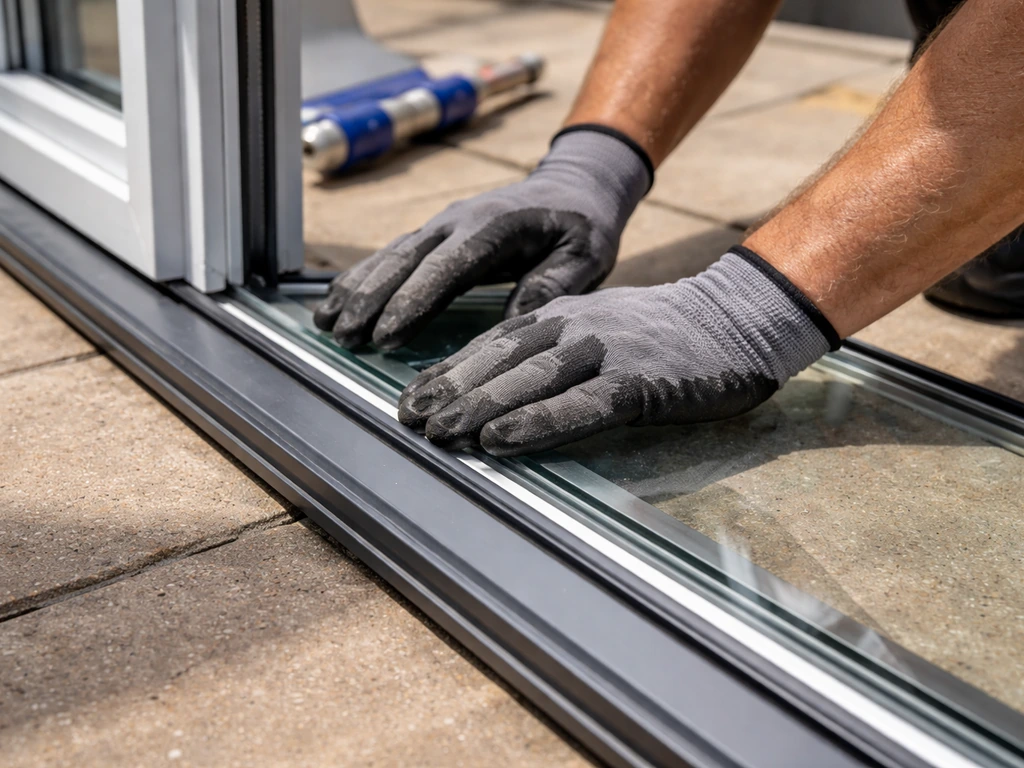
- The conservatory frame and glazing system: most systems are engineered products requiring correct torque settings, weatherproofing, and structural connections to the house wall
- Safety glazing installation: toughened and laminated glass in critical locations must meet Building Regulations; incorrect fitting voids compliance
- Waterproofing and damp-proofing at the wall interface: the join between conservatory and house is the most common source of water ingress if not flashed and sealed correctly
- All electrical work: any fixed wiring, sockets, lighting circuits, or underfloor heating must be installed and certified by a Part P registered electrician
- Drainage connections to the sewer or surface water system: this requires correct fall, the right materials, and often building control sign-off
A common mistake is thinking that because conservatory kits are sold as DIY-friendly, the whole project is a DIY job. Some modular systems genuinely are designed for confident self-builders, but they still assume correct foundation and base work, and the glazing installation almost always needs a CPS-registered installer if you want to self-certify compliance without council inspections. If you use an unregistered installer or do the glazing yourself, you'll need building control to inspect and sign off, which adds time and sometimes requires remedial work.
Design decisions that really matter on a patio site
Overheating and ventilation
Overheating is the single biggest comfort complaint from conservatory owners, and it's particularly relevant on a patio site because patios are often south or west facing (the positions chosen for maximum sun). A glazed roof on a sunny day can turn a conservatory into an unusable space by mid-morning in summer. The solution is layered: you need opening roof vents (either manual or electric) to allow hot air to escape, opening side windows or doors for cross-ventilation, and ideally solar-control glazing in the roof rather than standard clear glass. Approved Document O now formally requires overheating risk to be assessed for new dwellings, and while conservatories in a thermally separated configuration are often exempt, designing as if overheating matters will make the space actually liveable.
Condensation and damp
Condensation is the winter equivalent of the overheating problem. Cold glazing surfaces meet warm, moist air and water forms on windows, frames, and the roof structure. On a patio site, the existing concrete or slabs can also wick moisture upward if the damp-proof course isn't correctly detailed at the base of the conservatory walls. Double or triple glazing reduces cold surface temperatures and therefore condensation risk. Trickle vents in window frames provide background ventilation even when everything is closed. Approved Document F covers ventilation requirements, and even on an exempt conservatory it's good practice to follow its principles for air change rates.
Drainage and water runoff
Adding a conservatory roof to a patio dramatically changes where rainwater goes. Instead of dispersing across the patio surface, it concentrates in a gutter and needs a downpipe connected to the proper drainage system. Under Part H of the Building Regulations, conservatory rainwater must drain to the surface water sewer or soakaway, not to the foul sewer. If your existing patio drains toward the house (a common mistake in original patio construction), you may need to re-grade or install a drainage channel at the conservatory perimeter before the build begins. Sort this out at the design stage; retrofitting drainage after a conservatory is installed is expensive and disruptive.
Orientation and floor levels
South-facing conservatories get the most sun but need the most overheating management. North-facing ones stay cool but can feel gloomy and cold in winter. East and west-facing orientations offer a middle ground. There's no universally right answer, but orientation should actively inform your glazing and ventilation specification rather than being an afterthought.
Floor level is a practical issue on patio sites. Most patios sit slightly below the internal floor level of the house, partly for drainage. You'll need to decide whether to build the conservatory floor up to match the internal level (easier for access and movement between rooms, better aesthetically) or accept a small step. You’ll need to decide whether to build the conservatory floor up to match the internal level or accept a small step. Building the floor up means more base work but typically a better result. A step down into the conservatory also creates a trip hazard and can complicate drainage design.
What to do next: a practical checklist

If you've read this far and want to move forward, here's exactly what to do in order. Don't skip the early steps to get to quotes faster; the groundwork you do upfront saves money and prevents nasty surprises later.
- Measure your patio accurately: overall dimensions, distance from house wall, any changes in level across the area, and distance to any boundaries or neighbouring structures.
- Check your permitted development allowances: use the Planning Portal's permitted development guide for conservatories and check whether your property has any restrictions (conservation area, listed building, Article 4 Direction). Call your local planning department if you're unsure.
- Locate drainage runs and inspection chambers: before any digging starts, get a drainage plan if you have one, or hire a drain survey company (CCTV surveys cost around £100 to £250) to confirm where existing runs are. A hidden drain under your patio can stop a project in its tracks if it's discovered mid-excavation.
- Assess the ground: dig a trial hole in one or two places on the patio to see what's underneath the surface layer. How thick is the existing concrete? What soil type is below? Is there fill material? This gives any surveyor or installer a head start.
- Get a structural or technical survey if needed: if the ground conditions look complex, the patio is unusually high or low, or you're planning a heavier structure like an orangery, spend the £300 to £600 on an engineer's assessment before committing to a design.
- Compile at least three detailed quotes: ask each installer to separate the base-work cost from the conservatory structure and glazing cost, and ask explicitly how they plan to found the structure, how they'll handle drainage, and whether they're FENSA or CERTASS registered for the glazing.
- Confirm building regulations route: decide whether you'll use a Building Notice (simpler, can start quickly) or Full Plans application (more upfront but reduces risk of rework). Submit your notice or application before work starts.
- Plan the project sequence: a typical conservatory on a patio, once surveys and permissions are in place, takes four to eight weeks from groundwork start to finished installation. Base work and foundations take one to two weeks; frame and glazing installation takes three to seven days for most sizes; finishing work adds one to two weeks. Add two to four weeks lead time for a bespoke conservatory to be manufactured.
If you're weighing up whether a conservatory is the right structure for your patio at all, it's worth considering how it compares to simply enclosing the patio as a room with a solid roof, or building a sunroom addition on the existing concrete base. If you are specifically asking, can you build a sunroom on an existing concrete patio, the answer follows the same base-work rules: confirm stability, drainage, and foundation depth before glazing goes in. The structural and planning considerations overlap significantly, and the choice often comes down to how much glazing you want, your budget, and how fully integrated with the house you want the new space to feel. Whatever route you take, the patio-to-structure interface is where the technical work happens, and it deserves the most attention before any money is committed.
FAQ
What should I check under my patio before agreeing to a conservatory quote?
Yes, but you should treat “patio is the base” as a red flag. A typical patio slab or paving bed is designed for pedestrian loads and weathering, not a permanently attached glazed structure. Before anyone quotes, ask for a site-specific assessment of the foundation depth below the patio and whether new concrete pads, strip footings, or a reinforced base are needed at the conservatory load points.
How much will I need to remove or break up my existing patio?
Expect at least some disruption, and plan for it in the schedule. Even when only pads or a perimeter base are required (for example, modular steel-frame approaches), installers often need to remove sections of patio to expose stable bearing, then dig, pour, and reinstate finishes to achieve correct fall and edge detailing.
Can you build a conservatory on top of a timber deck patio?
Decking is the special case where you usually cannot keep it. Timber decking is flexible and not a load-bearing substrate in the way conservatory frames require, so you’ll typically need removal, then a survey and base work for the ground beneath before the frame is installed.
Does building up the patio/conservatory floor affect planning permission in the UK?
If you raise the conservatory floor, planning measurements can shift, even when the overall extension seems “about the same.” If the patio height or sub-base means the finished floor is higher than expected, the ridge and eaves height comparisons against the house become more sensitive, particularly on sloping plots. Get the final finished levels in writing before you rely on permitted development limits.
When does an exempt conservatory stop being exempt?
You generally need to confirm whether your conservatory will be treated as thermally separated from the house. If you keep external doors and windows between them, you may qualify for a narrower building-regulations exemption for the conservatory itself, but opening the separation or creating a new structural opening typically triggers building regulations for the works involved.
If my conservatory is exempt, do I still need building regulations sign-off for glazing and drainage?
Yes. Even when the conservatory can be exempt from building regulations as a whole, elements like glazing safety in critical locations and rainwater drainage design are still regulated. Ask your installer to show how they will meet safety glazing requirements and where the downpipe connects, and confirm the surface water route before any frame is fixed.
What’s the most common drainage mistake when building on a patio?
Don’t wait. The drainage path often needs grading changes or a perimeter channel so roof runoff discharges to the correct system (surface water). If your patio currently drains toward the house, the conservatory perimeter can worsen the problem, and retrofitting after installation is usually more disruptive than solving it at design stage.
Are lean-to conservatories always the lowest risk on a patio site?
Lean-to designs are often easier, but “easy” still depends on how the conservatory ties into the house and what depth the house foundations reach compared to the patio area. The highest risk comes from differential settlement, so ask how the proposed base depth and footing type will be matched across the whole footprint, not just at the patio side.
Is a modular steel-frame system a safe way to avoid disturbing my patio?
Steel-frame perimeter-pad systems can reduce excavation, but they still rely on correct pad sizing, spacing, and bearing on competent ground. You should ask for engineered drawings that show pad positions relative to your patio layout and confirm whether pads will penetrate or undermine existing base material.
Why do solid-roof conservatories on patios usually cost more than glass-roof versions?
Yes, but it changes where regulations and costs land. With a solid roof and heavier structure, you should assume deeper foundations and potentially a steel portal frame or engineered pad strategy. If you’re budgeting, ask for a separate “base and structure” line item rather than only a total conservatory price.
Can I DIY the conservatory build on a patio, or do I need a pro for certain stages?
For self-builders, the big practical edge case is glazing and compliance. If you want to avoid local building control inspection for glazing, use a Competent Person Scheme registered installer. If you plan to do glazing yourself or use an unregistered installer, expect to notify building control and arrange inspections, which can also affect programme and lead times.
What should I do if my patio-facing conservatory will be south or west-facing?
A reputable installer should propose a ventilation and glazing package that matches your orientation and your local conditions. If you have a south or west-facing patio, insist on measures like opening roof vents, cross-ventilation options, and consideration of solar-control glazing, because overheating can make even a well-built conservatory uncomfortable quickly.
Next Article
How to Enclose a Patio Into a Room: Step-by-Step Guide
Step-by-step patio enclosure guide to create a 3-season or year-round room, with materials, costs, permits, and build pl