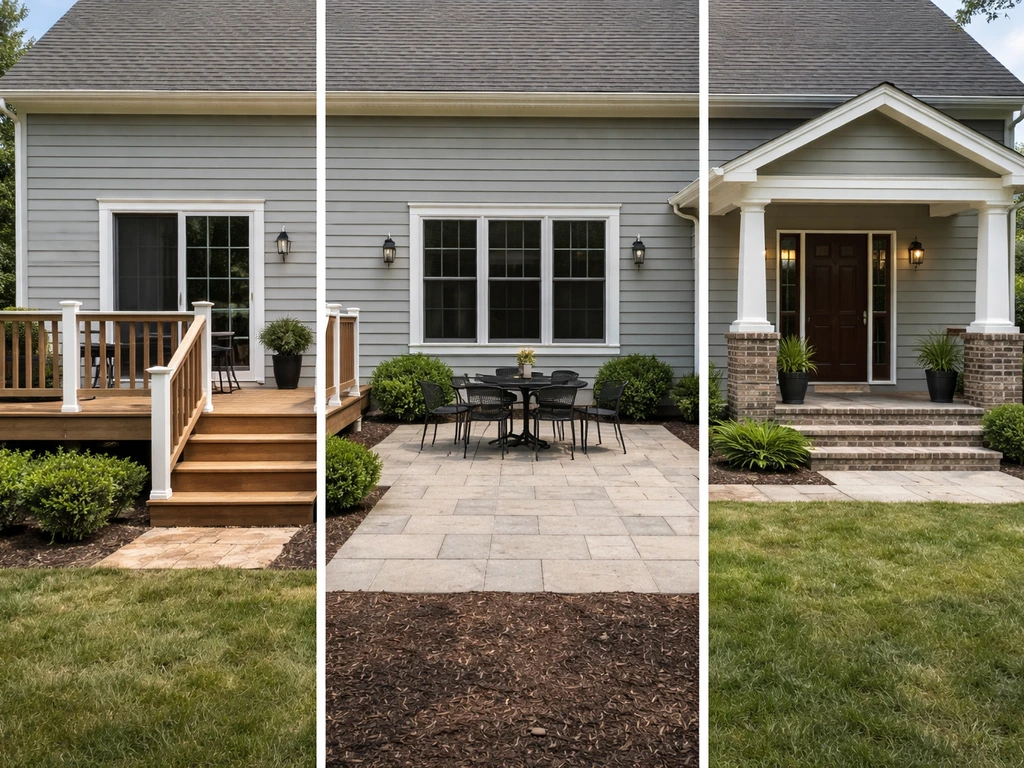
A lanai is a covered, often screened outdoor living space attached to your house, while a patio is typically an open, ground-level paved area with no roof overhead. That single difference, whether there's a roof and walls above you, is what separates them in practical terms. A porch sits somewhere in between: attached to the house, sometimes with a roof, but rarely fully enclosed unless you add screens. A quick way to choose is to compare patio vs porch in terms of roof coverage, attachment to the house, and how enclosed the space feels. A veranda is essentially a wide, roofed porch that wraps around part or all of the house. If you're trying to decide which one to build or whether what you already have deserves an upgrade, the choice mostly comes down to your climate, how you want to use the space, and what your permit office will approve.
Lanai vs Patio: Key Differences, Costs, and How to Choose

Lanai vs patio vs porch vs veranda: what actually makes them different
The terminology gets messy fast, partly because real estate listings use the words interchangeably and partly because the same structure can be called different things depending on where you live. Here's how to cut through that confusion.
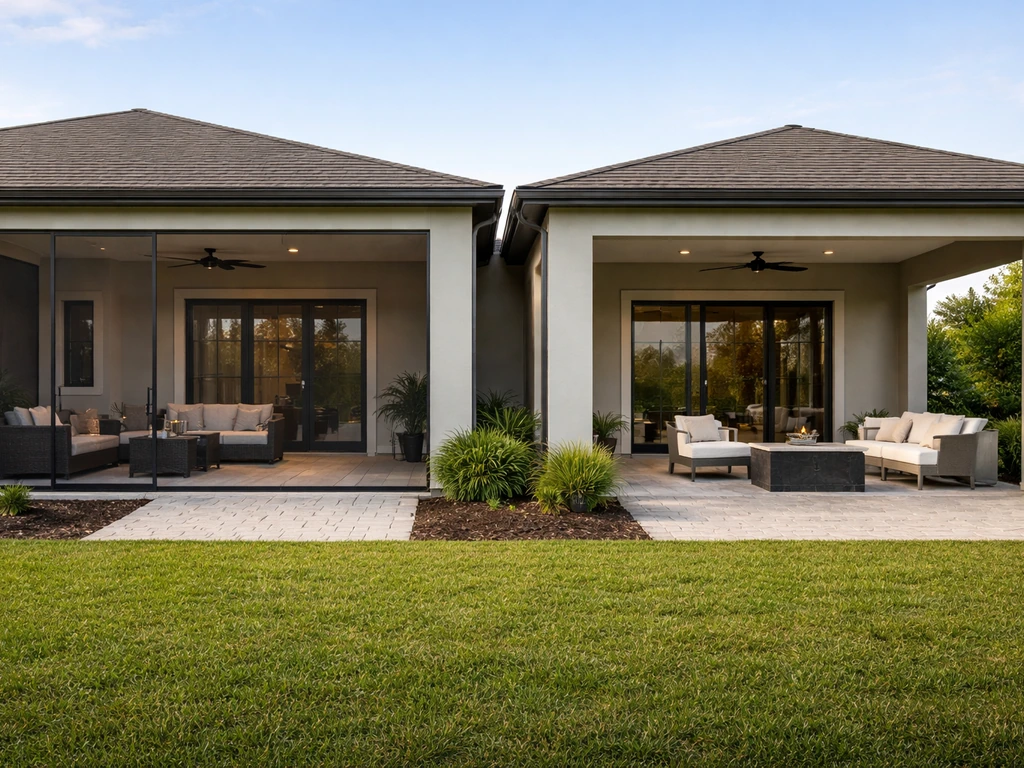
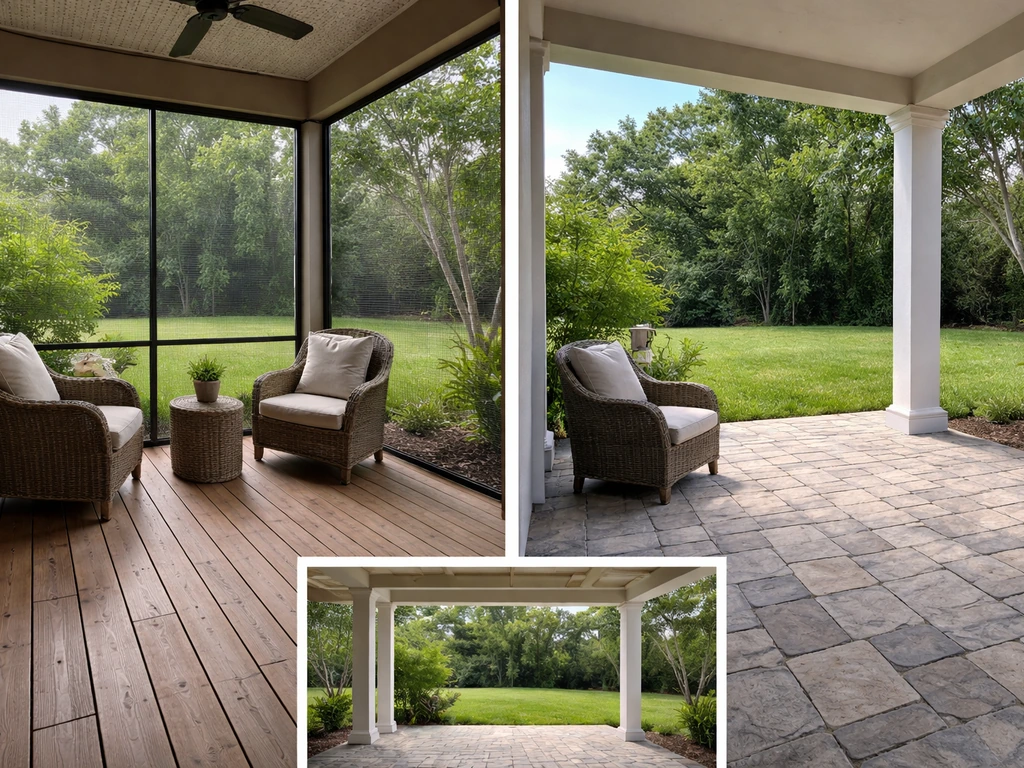
A lanai originates from Hawaiian architecture and is understood as a roofed, open-sided veranda or patio attached to the house. In modern usage, especially in Florida and other warm-weather states, it almost always means a covered outdoor living area, frequently screened in. You furnish it like an indoor room: sofa, dining table, ceiling fan, maybe a TV. It's a room that happens to be outside.
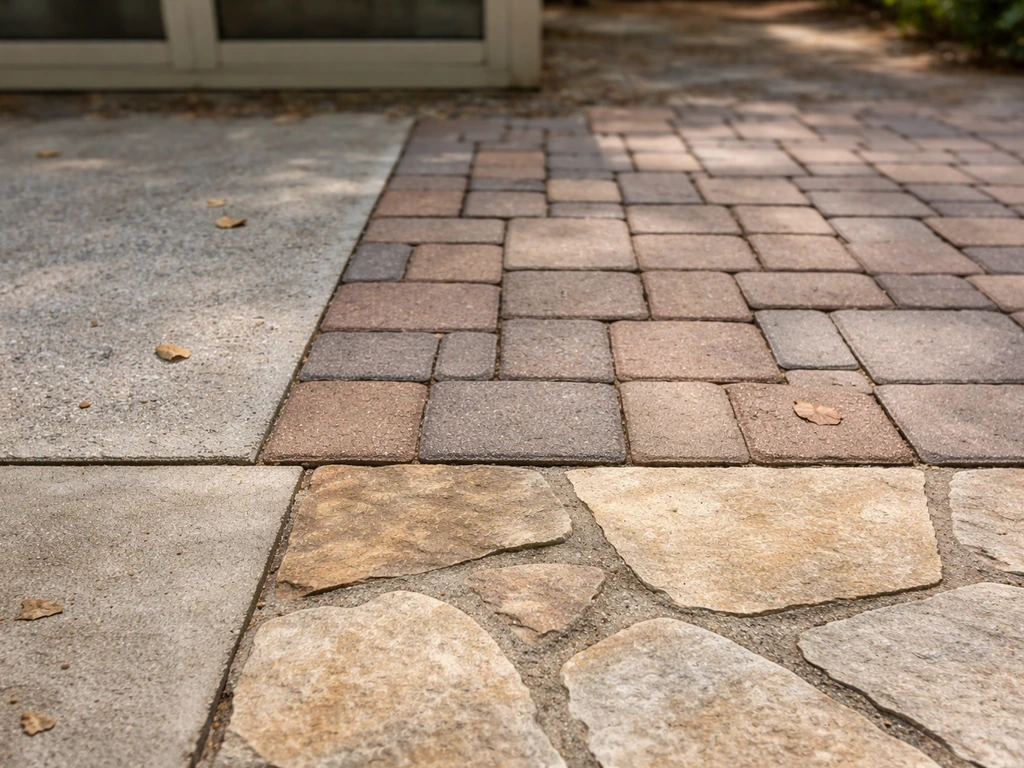
A patio is ground-level and paved, typically with concrete, pavers, brick, or stone. It has no roof unless you add a pergola or separate cover later. Because it's open to the sky, it's exposed to sun, rain, and insects. A patio is the most affordable entry point into outdoor living, and it works beautifully in mild climates or for people who simply want an outdoor dining or grilling area.
A porch is attached to the house and usually shares the roofline or has its own smaller roof. It can be open-railed, screened, or partially enclosed. Front porches lean decorative and social; back porches lean functional and casual. Add screens to a porch and it starts behaving like a lanai. The Florida Building Code even lists lanai and porch as synonyms under the veranda umbrella, which tells you how much overlap exists in official documentation.
A veranda is a wide, roofed gallery that wraps around the exterior of a house. It's more architectural in feel than a basic porch and is more common in older homes or styles that lean Victorian, Colonial, or tropical. In parts of Florida, the words veranda, lanai, terrace, and porch are treated as interchangeable in building codes. If you're also trying to sort out where a terrace or balcony fits into this picture, the short version is that terraces are typically at ground level and unroofed (often in an urban or hillside context), while balconies project from an upper floor. A balcony usually means a projecting deck or platform from an upper floor, so it differs from a ground-level patio in both access and exposure.
| Structure | Typically Covered? | Typically Screened? | Floor Level | Attached to House? | Best Climate Fit |
|---|---|---|---|---|---|
| Lanai | Yes | Often yes | Ground level | Yes | Warm, humid, buggy |
| Patio | No (open sky) | No | Ground level | Adjacent to house | Mild, dry, sunny |
| Porch | Usually yes | Sometimes | Ground or raised 1–3 steps | Yes | Most climates |
| Veranda | Yes | Rarely | Ground or raised 1–3 steps | Yes, wraps house | Warm, traditional homes |
Which one actually fits your home and how you live
Before you get attached to a specific name, think about three things: your climate, how you'll use the space, and what your house's footprint allows. These factors will narrow your choices faster than any terminology guide.
If bugs, heat, or rain are your main enemies
A lanai or screened porch is what you want. Florida, the Gulf Coast, the Southeast, and Hawaii all share this problem: summer evenings are nearly unusable outdoors without some barrier against insects and afternoon storms. A fully screened lanai lets you sit outside at 8 p.m. in July with a drink in your hand. An open patio in that same climate becomes a mosquito buffet. The roof also handles the pop-up rain showers that come through without warning. If you've been in Florida and watched someone scramble from a patio into the house every time clouds rolled in, you understand why the lanai is the default there.
If you mostly want outdoor dining and grilling in a mild climate
A well-built patio is often all you need, and it's the most budget-friendly place to start. Concrete, pavers, or natural stone give you a durable surface that's easy to clean, and you can add a pergola or shade sail later if you want partial coverage. A patio works especially well in the Southwest, the Pacific Northwest during summer, or anywhere you're not fighting serious humidity or insects. If you want a porch feel but live somewhere that doesn't demand screens, an open porch or veranda-style addition gives you architectural character plus shade without the enclosure cost.
If entertaining, privacy, or year-round comfort is the goal
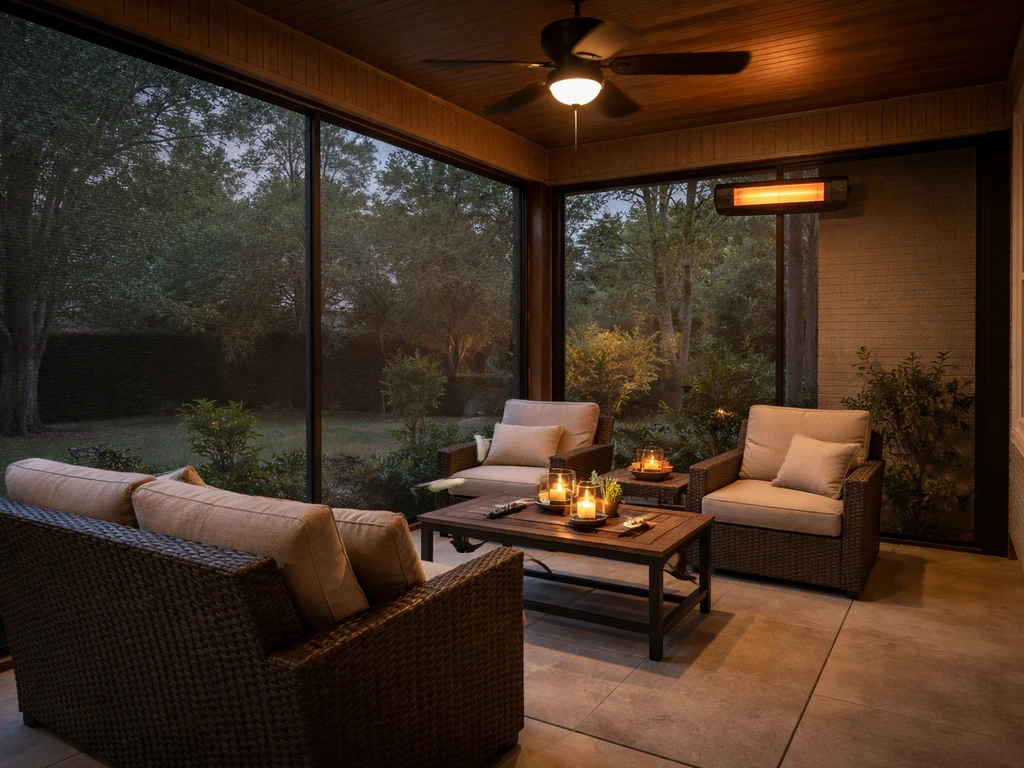
A covered and screened structure, whether you call it a lanai, screened porch, or screen room, gives you the most flexibility across seasons. You can run a ceiling fan or a heater, hang outdoor curtains for privacy, and leave furniture out year-round without worrying about it soaking in a rainstorm. Homeowners who entertain regularly tend to get the most use out of this setup because guests stay longer when they're not swatting mosquitoes or scrambling for shade. If accessibility matters, all of these structures can be built at grade (ground level with a small ramp), which is easier to achieve with a patio or ground-level lanai than with an elevated deck or porch with steps.
Design details that actually matter: roofing, screening, openness, and floor level
The practical differences between these structures come down to four design variables. Understanding them helps you talk to contractors more precisely and know what you're paying for.
Roofing
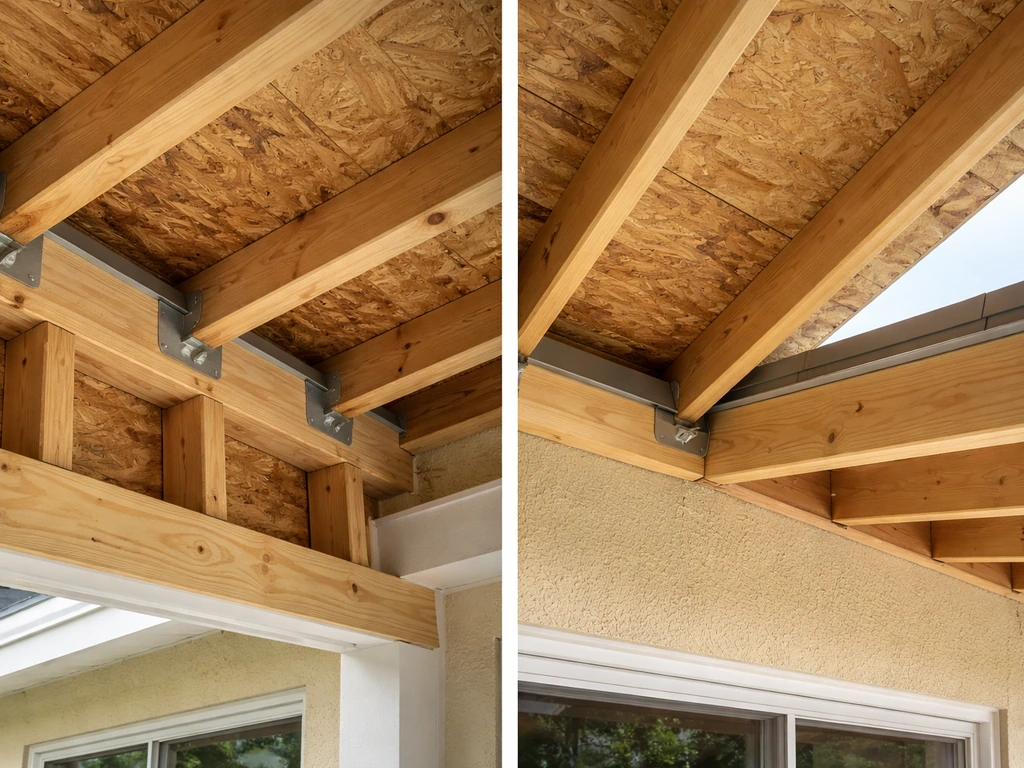
A lanai and a porch have a roof, either tied into the existing roofline or built as a separate shed or gable structure. This is the single biggest cost and complexity driver. Roofed additions require structural support, often involve flashing the connection to the house to prevent leaks, and almost always need a building permit. A patio has no roof, so the cost and complication drop significantly. If you want a covered patio short of building a full room addition, a freestanding pergola or attached shade structure is a middle-ground option, but it won't give you the rain protection of a solid roof.
Screening
Screens are the defining feature of a lanai in most people's minds. A screen enclosure uses aluminum framing with fiberglass or aluminum screen mesh to enclose the sides and sometimes the ceiling of the space. You can add screens to an existing covered patio or porch for a fraction of what it costs to build new. Screening in an existing structure typically runs $3,200 to $5,800 according to Forbes Home, while building a screened porch from scratch averages around $32,400. If you already have a covered patio slab and a roof overhead, adding screens is the most cost-effective way to get a lanai-like experience.
Openness and enclosure level
There's a spectrum from fully open (patio) to partially covered (open porch or veranda) to screened (lanai or screened porch) to fully enclosed with windows or glass (sunroom or four-season room). Each step up in enclosure adds cost, comfort, and sometimes assessed value, but it also adds building complexity and permit requirements. A screened structure is more forgiving from a code standpoint than a glazed room because screens don't count as habitable space in most jurisdictions. A sunroom or glass enclosure typically triggers more extensive building review.
Floor level
Patios are at grade by definition. Lanais are typically also at grade or just a single step down, which makes them easy to access and furniture-friendly. Porches and verandas may be raised one to three steps depending on the house's foundation height. If you're designing for aging in place or wheelchair accessibility, a ground-level patio or lanai is the most straightforward option. Raised structures need ramp planning and sometimes railings, which add cost and design constraints.
Cost comparison and what you're really paying for
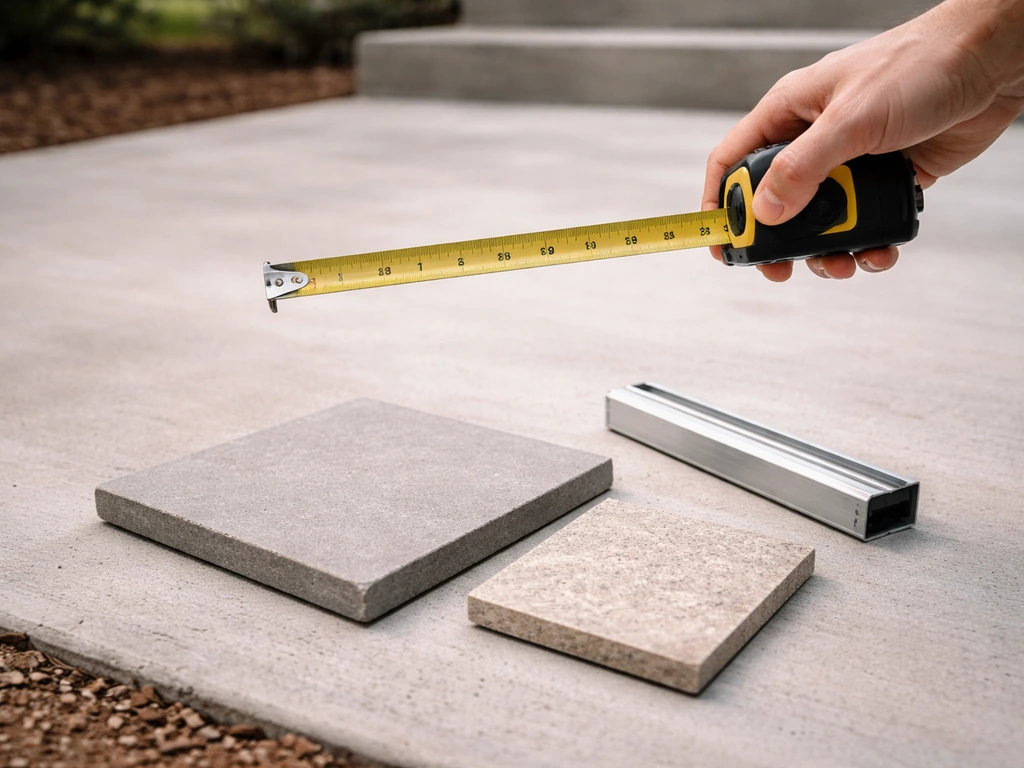
Here's where the differences get concrete. Budget ranges vary significantly based on materials, size, whether you already have a slab, and how much roofing or framing is involved.
| Structure Type | Typical Cost Range (per sq ft) | Main Cost Drivers | Rough ROI Range |
|---|---|---|---|
| Open patio (concrete) | $6–$12 installed | Finish type, sub-base prep, size | Up to ~80% |
| Open patio (pavers/brick/stone) | $5–$35 installed | Material choice, pattern complexity, edging | Up to ~80% |
| Screened porch (new construction) | $40–$120 per sq ft | Roof framing, screen system, flooring, electrical | 70%–80% |
| Adding screens to existing covered patio | $3,200–$5,800 total | Linear footage of screens, door count, frame material | Varies |
| Lanai (full covered + screened build) | $50–$120+ per sq ft | Roof tie-in, concrete slab, screen enclosure, fans/lighting | 70%–80% |
A plain concrete patio is the most affordable starting point at $6 to $12 per square foot for a broom-finish slab, or up to $35 per square foot if you want premium natural stone pavers. Those numbers come from actual 2026 installer pricing and reflect material plus labor. A paver patio at that upper range can look stunning, but the cost is getting close to a basic screened addition if your lot is small.
A screened porch or lanai built from scratch runs $40 to $120 per square foot depending on the roof type, screen framing, finish level, and whether electrical work (fans, lighting, outlets) is included. Electrical additions are a meaningful cost driver that often gets underestimated. A 200-square-foot screened lanai at $60 per square foot is $12,000 before any premium finishes or ceiling fans, and that assumes you already have a concrete slab. If you need to pour a slab and tie into the roof, you're easily looking at $20,000 to $35,000 for a well-built project.
On the value side, NAR reports decks and patios can return up to 80% of their cost at resale. Screened-in porches and lanais fall in a similar range, roughly 70% to 80% ROI, though that varies by climate. In Florida or the Gulf Coast, a screened lanai is often expected by buyers, which means skipping one can actually hurt your sale more than adding one helps it. In a dry Western market, an open patio might recoup just as well with far less investment.
What you can DIY, what needs a permit, and when to call a pro
This is where a lot of homeowners either waste money or get into trouble. The general rule is: the more structure and roof involved, the more likely you need a permit and a contractor.
DIY feasibility by project type
A paver patio is the most accessible DIY project in this category. The sequence, excavation, compacted gravel base, sand bedding, setting pavers, and final compaction, is well documented and doesn't require specialized tools beyond a plate compactor (which you can rent). Oregon State University Extension and Lowe's both publish step-by-step guides for this exact process. The main risk is skipping or rushing the base prep, which leads to settling and uneven pavers within a year or two. Do the base work right and a DIY paver patio can last decades. A poured concrete patio is harder to DIY because mixing, forming, and finishing concrete at quality levels that look good is a real skill, but hiring out just the pour and doing your own prep can split the savings.
Screening in an existing covered porch is the next tier up for capable DIYers. If you already have a roofed slab or deck, adding aluminum screen framing and fiberglass screen mesh is a manageable weekend project with the right tools. Forbes Home explicitly notes this is DIY-adjacent work where the savings come from eliminating labor costs. You're still buying materials, cutting channels, and fastening screen correctly so it doesn't sag, but it's not structural work.
Building a lanai or screened porch from scratch, meaning framing, a new roof structure, and a screen enclosure, is a contractor-level project for most homeowners. Roofed additions must be engineered to local wind load requirements, which in coastal and hurricane-prone areas means specific framing details, fastener schedules, and sometimes stamped engineer drawings. Getting that wrong isn't just a code violation; it's a safety issue.
Permitting: what triggers review and what doesn't
A ground-level paver patio with no roof typically doesn't require a permit in most jurisdictions, though you should confirm your local rules. The moment you add a roof, whether over a porch, lanai, or patio cover, permits almost always kick in. The City of Raleigh, for example, requires elevation drawings and plan review for screened porches and covered decks. Tampa defines residential screen enclosures as a specific permit category. Nashville's permit office reviews front porch additions for setback compliance as a standard step. The lesson: assume any roofed or enclosed addition needs a permit and plan accordingly.
Setbacks are the most common permit surprise. Your city or county has rules about how close a structure can be to your property line, and those rules often apply differently to open vs. roofed vs. enclosed structures. A covered screened lanai is treated more like a room addition than a patio in many codes, which means tighter setback requirements. Pull your property survey and check your zoning code (or ask your permit office) before you finalize the design or sign a contractor agreement.
Practical next steps to make a decision today
- Measure your available space: note the distance from the back of your house to your property line. This tells you the maximum footprint before setback rules matter.
- Check your local permit office website (or call them): ask specifically whether a covered patio or screened porch addition requires a permit, and whether you're in a wind-speed zone that requires engineering drawings.
- Assess what you already have: an existing concrete slab with a roof overhead is halfway to a lanai already. Adding screens is far cheaper than starting from scratch.
- Get two to three contractor quotes that specify the structure type, materials, roof connection method, and whether permit fees and engineering are included in the bid.
- Ask your HOA (if applicable) whether screened enclosures or covered additions need architectural review approval before you permit or build.
- Decide your non-negotiables: if bug protection and rain shelter are deal-breakers, budget for a screened lanai or porch. If you mainly want a clean surface for furniture and a grill, start with a paver patio and decide later whether to cover it.
The comparison between a lanai and a patio is ultimately a question of how much weather protection and enclosure you want, and how much you're willing to spend to get it. An open patio is the low-cost, flexible starting point. If you're trying to decide between terrace vs patio, the main tradeoff is how much roof or shade coverage you want an open patio. A covered, screened lanai is the all-weather outdoor room that gets used 365 days a year in the right climate. If you're still weighing whether a porch or deck fits better than either of those options, those decisions follow the same logic: roofed or open, attached or freestanding, and how your local permit office classifies the structure. A deck can be a good option too, but it usually sits higher than a patio and is more exposed than a screened porch or lanai a porch or deck.
FAQ
I have an existing covered patio or porch, what’s the most cost-effective way to make it feel like a lanai?
If you already have a covered structure, your cheapest “lanai upgrade” is usually adding screens (and, if needed, an insect door). Focus on the existing roof and slab condition first, then verify the roof framing can handle screen wind loads and that gutters or roof drainage won’t dump water directly into your walking paths.
Will a screened lanai be comfortable year-round, or can it still feel too hot or too cold?
A screened space can still be too hot or too cold if it is not shaded. Ask contractors to show the planned roof overhang size, ceiling height, ceiling fan placement, and whether you will need solar-control film or curtains to manage heat gain and glare during midday.
What drainage and slope issues should I check before choosing between a patio and a lanai?
Poured concrete can crack, and those cracks often telegraph through pavers or become a drainage problem if slopes are incorrect. When planning drainage, request a simple grading plan that keeps runoff moving away from the house and toward a drain, and confirm the roof downspouts are routed so water does not sheet across the addition.
Do I need a permit to add screens to an existing patio or porch?
Yes, but timing matters. In many jurisdictions, patios at grade are treated differently from roofed additions, and screens sometimes fall into their own permit category. Before you buy materials, ask your permit office whether “screening in” a covered patio requires plans, and whether inspections are triggered at roof attachment, framing, or only at final enclosure.
How do screens and roof coverage impact ventilation if I want to grill or entertain late outdoors?
Screens affect airflow. If you plan grilling, ask how the design handles smoke and heat, and whether you need an openable panel or a specific doorway location. For humidity-prone areas, consider a larger ceiling overhang and operable louver vents (or plan for dehumidification if the space will be used late evenings).
What common material mistake causes patios to look good initially but fail early (settling, heaving, or weeds)?
For patio flooring, the biggest long-term differentiator is not the surface material, it’s preparation quality and joint management. For pavers, confirm the base is compacted to spec and the sand or polymeric jointing material is appropriate for your climate; for concrete, confirm the finish and curing schedule to reduce peeling or scaling.
Will a screened lanai or patio definitely raise my home’s resale value?
Don’t assume “ROI” is guaranteed. Expect higher resale impact when the enclosure matches local buyer expectations, but if your lot or neighborhood already favors open patios, an expensive screened room may not recoup fully. Ask for local comps that sold with similar outdoor amenities, and compare cost versus likely demand rather than relying only on broad percentage ranges.
Which option is usually best for accessibility, a patio, a ground-level lanai, or a raised porch?
If you need wheelchair access or aging-in-place design, prioritize grade access and avoid thresholds. Ask about the maximum allowable rise at doors, whether the slab will be flush with interior flooring, and whether a railing is required at any step you cannot eliminate.
In storm-prone areas, what installation details matter most for keeping a lanai dry?
Wind-driven rain is a key edge case. A roofed, screened lanai handles summer storms better, but you still need to verify corner detailing, screen alignment, and that the roof connection flashing is done correctly to prevent water intrusion. If you live in hurricane or coastal zones, request the engineer or contractor’s wind-load documentation.
What should I consider if I want shade more than insect protection, and I might add screens later?
If your main goal is shade, a roofed patio cover or pergola may deliver 80 percent of the benefit without the enclosure cost. You’ll still need to manage sun exposure for comfort, so ask about operable shade (louvered roof, retractable awnings) and whether you can add screens later without ripping out the cover.
Is a pergola-covered patio a halfway option between a patio and a lanai?
Keep your expectations realistic about “fully covered.” A patio with a pergola often still has open sides and limited rain protection, so plan for a design that can close at least one wind direction (for example, partial screens or privacy panels) if storms are common. Also confirm the pergola’s post spacing so it does not block the grilling or dining layout you want.
Deck vs Patio vs Porch: How to Choose for Your Home
Deck, patio, or porch choice guide: differences, costs, maintenance, permits, climate durability, and a decision checkli