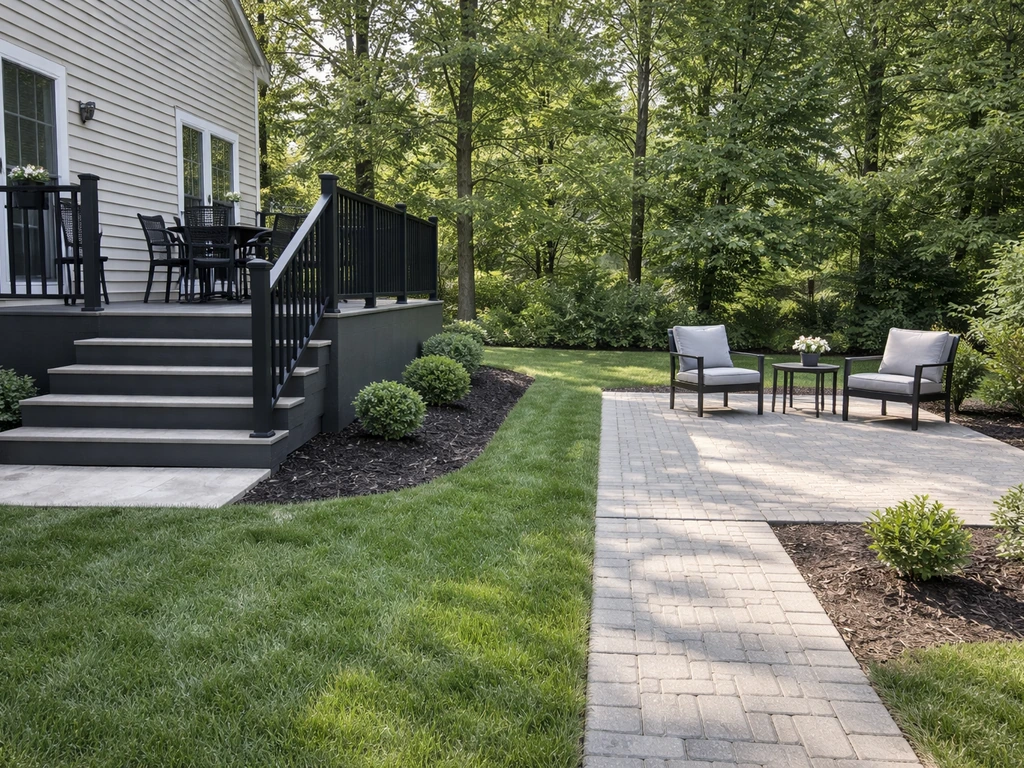
If a standard wood deck or plain concrete patio isn't working for your yard, you have more options than most people realize. If you're comparing options like a carbone riviera deck versus a patio, focus on maintenance, drainage, and how much privacy and shade you need carbone riviera deck vs patio. The best alternatives to a traditional patio or deck include covered patio structures, screened enclosures, pergolas with shade systems, paver or natural stone patios, gravel and decomposed granite surfaces, raised outdoor platforms, and full outdoor rooms with roofing. Which one fits you depends on four things: your budget, how much maintenance you're willing to do, what you actually want the space for, and what your yard's drainage and grade look like.
Patio Deck Alternatives: Best Replacement Options for Your Yard

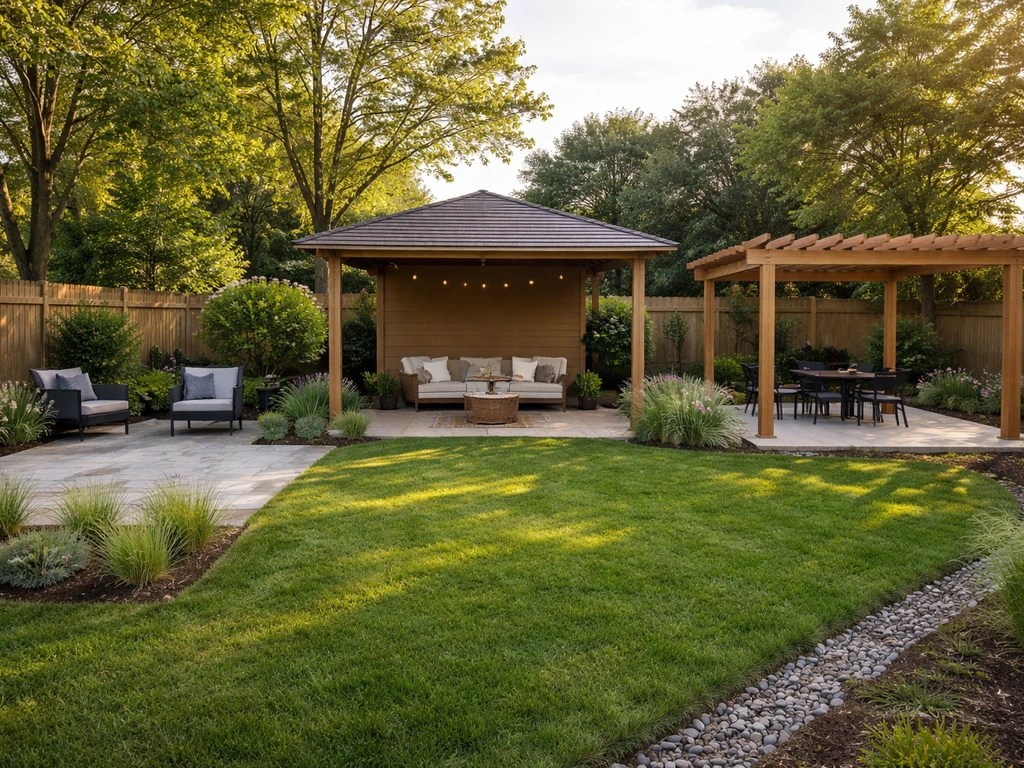
Why homeowners want out of the standard patio or deck
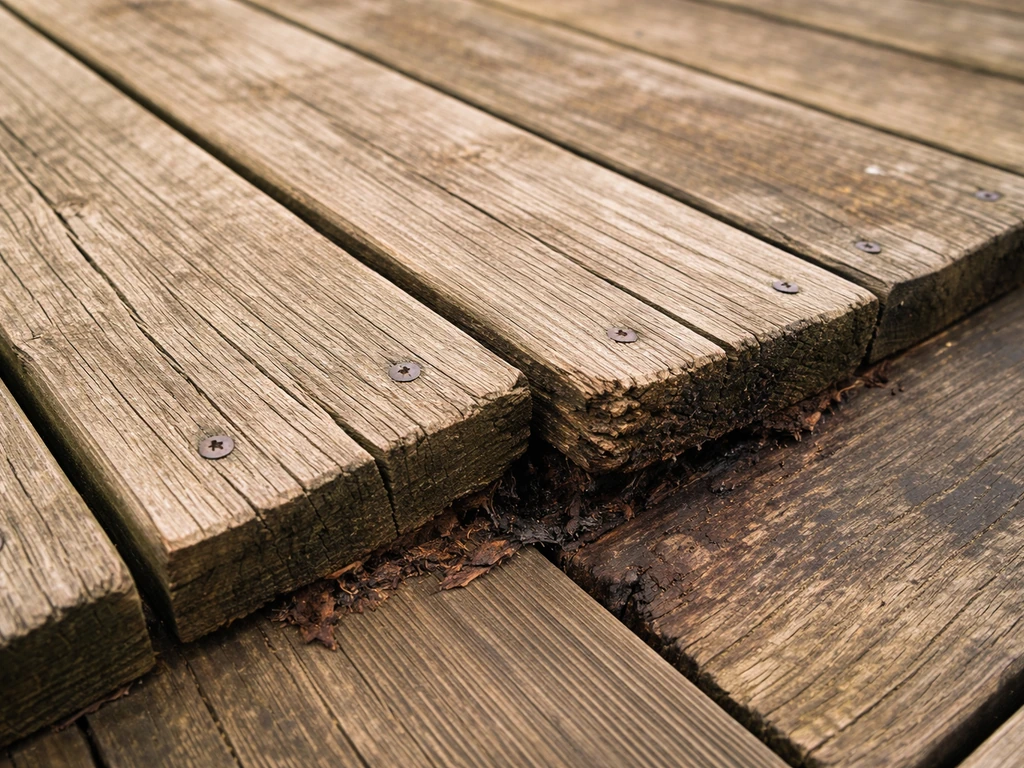
The most common reason people start shopping for alternatives is maintenance fatigue. A pressure-treated wood deck looks great for the first couple of years, then the rot, warping, splitting, and rusted fasteners start showing up. Water damage is the leading cause of deck failures, and it's not always obvious until structural components like the ledger board or joists are already compromised. Annual sealing, board replacement, and hardware inspections are just the reality of wood, and a lot of homeowners reach a point where they don't want to deal with it anymore.
Beyond maintenance, there are real functional reasons to look for something different. A flat concrete patio in a low-lying yard turns into a puddle after every rain. A deck 3 feet off the ground with no privacy screening feels exposed. A basic patio offers zero shade, which in most of the country makes it unusable for six months a year. And for some homeowners, the goal has shifted from 'outdoor surface' to 'outdoor room,' which requires a completely different kind of structure.
- Rot, warping, and ongoing maintenance costs with wood decks
- Poor drainage on concrete patios and flat slabs
- No shade or weather protection on open surfaces
- Lack of privacy in high-density neighborhoods
- Uneven or sloped yards that make standard platforms difficult to build
- HOA restrictions on traditional decks or elevated structures
- Budget constraints: full decks with composite materials can run $15,000 to $35,000+
- Wanting an enclosed or semi-enclosed space for year-round use
Patio vs deck vs other outdoor structures: how they actually differ
These terms get used interchangeably in home improvement content, but they describe meaningfully different things. A deck is an elevated wooden or composite platform attached to the house, typically requiring structural footings and ledger attachment. A patio is a ground-level hardscape surface, usually concrete, pavers, brick, or stone, with no structural attachment to the house. Everything else (pergolas, covered patios, screened rooms, outdoor kitchens) is a variation that combines surface + structure + overhead elements in different ways.
| Structure Type | Elevation | Roof/Cover | Weather Protection | Drainage | Typical Cost Range |
|---|---|---|---|---|---|
| Wood/composite deck | Elevated (1–4+ ft) | None (open) | None | Gaps between boards | $15,000–$35,000+ |
| Concrete patio | Ground level | None (open) | None | Depends on slope/grading | $3,000–$10,000 |
| Paver patio | Ground level | None (open) | None | Permeable options available | $5,000–$18,000 |
| Pergola + shade system | Ground or elevated | Partial (lattice/louver) | Partial sun/light rain | N/A (open sides) | $6,000–$20,000 |
| Covered patio/porch | Ground level | Full roof | Rain, partial sun | Graded concrete/pavers | $10,000–$30,000 |
| Screened/3-season room | Ground level | Full roof + screens | Rain, bugs, some wind | Concrete slab with drain | $15,000–$35,000 |
| Outdoor room/pavilion | Ground level | Full roof, partial walls | Rain, wind, some cold | Concrete or pavers | $20,000–$60,000+ |
| Gravel/DG surface | Ground level | None | None | Excellent natural drainage | $1,500–$5,000 |
The functional gap between an open deck and a screened enclosure is enormous. One gives you a surface to stand on; the other gives you a usable room. If you're replacing a rotting wood deck for purely cost reasons, a paver patio is a reasonable swap. If you want year-round use in a humid or buggy climate, you're looking at a screened or fully covered structure. Knowing which category you actually need narrows the decision considerably.
The best alternatives based on what you actually need
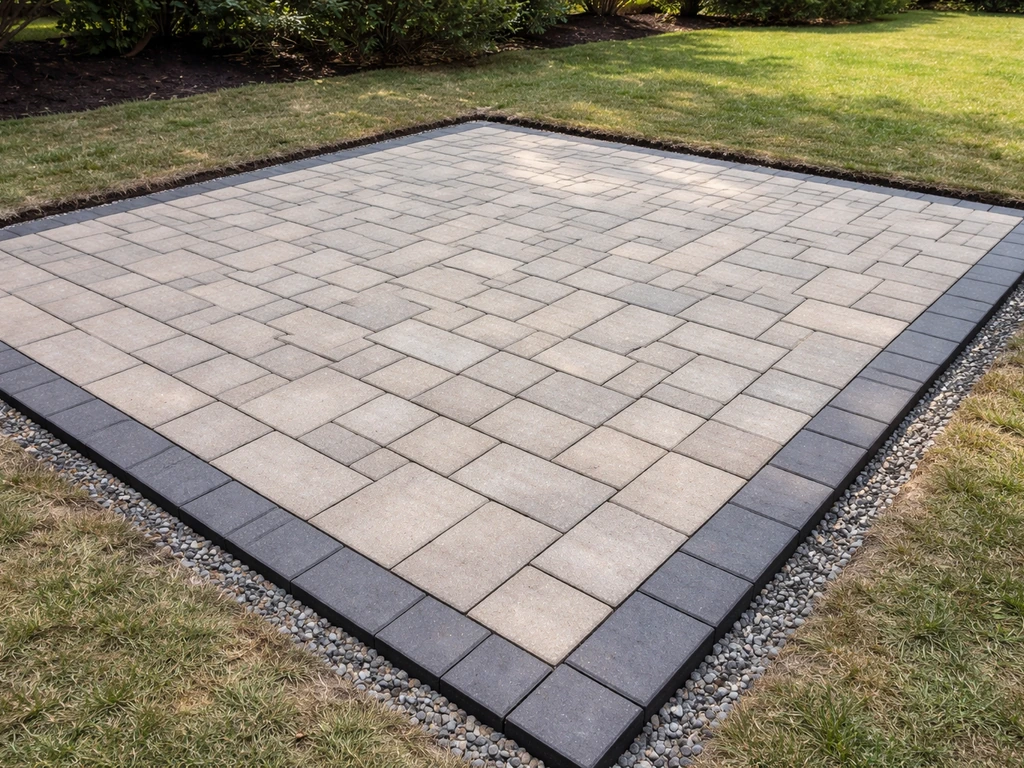
You want low maintenance above everything else
Go with a paver patio or a concrete patio with a sealed surface. NAHB’s Remodeler Awards judging criteria also frames outdoor remodeling decisions around durability and low-maintenance considerations that support aging-in-place needs. Concrete is the lowest-maintenance hardscape you can build: sweep it, hose it down, reseal every few years. Pavers are slightly more work but offer better drainage, natural aesthetics, and easy repair (you can swap out a cracked paver without demo'ing the whole surface). Avoid gravel if you have dogs or kids who track it inside. Decomposed granite compacts well and drains beautifully but does need occasional top-up. All three options eliminate the rot, warping, and splintering problems that plague wood decks entirely.
You want privacy
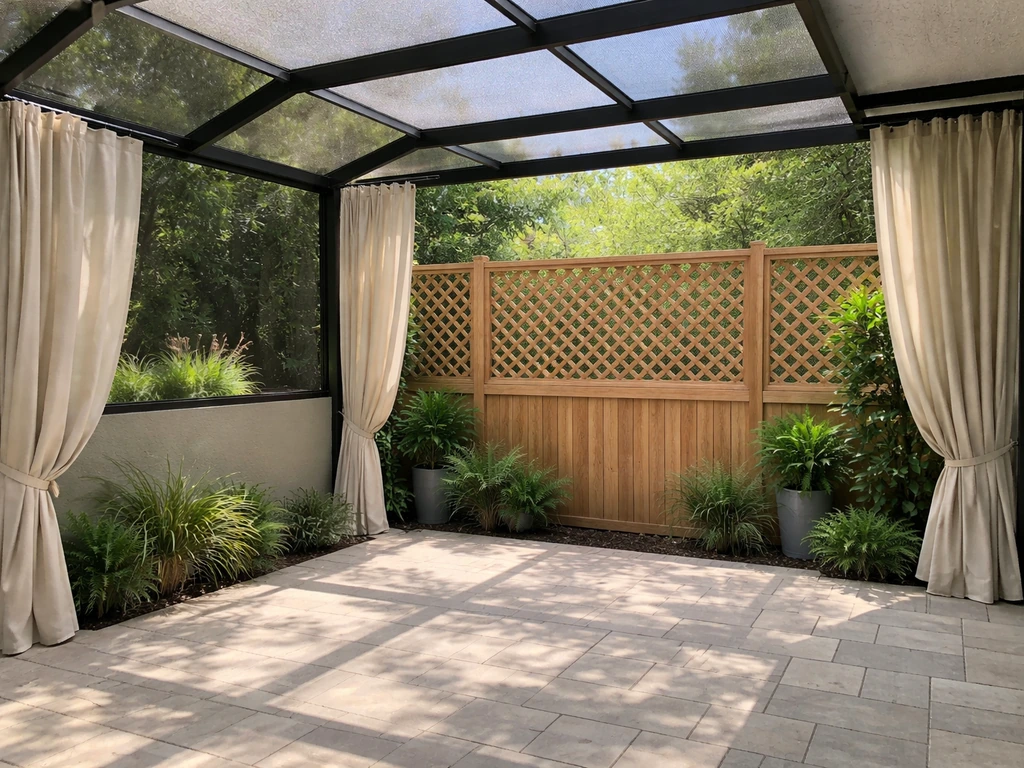
Screened enclosures and covered patios with privacy lattice or partial wall panels are your best options here. A basic pergola does nothing for privacy unless you add curtains, shade sails, or planted screens. A three-season screened room solves privacy and bugs simultaneously and can feel like a real room addition rather than an outdoor afterthought. If budget is tighter, a covered patio with a solid roof and a privacy fence or trellis wall on one or two sides is a practical middle ground in the $12,000 to $22,000 range. Screened porch systems from manufacturers like EZE Breeze or Eze-Breeze retrofit panels are worth looking at if you already have a covered patio structure you want to enclose.
You want durability for the long haul
Poured concrete and natural stone pavers last 25 to 50+ years with minimal intervention. A well-built covered masonry patio with a proper concrete roof can outlast the house itself. Aluminum pergola and patio cover systems (not wood, not vinyl) are the most durable prefab options, with most manufacturers offering 20-plus year warranties against rust and corrosion. If you go the screened enclosure route, aluminum-framed systems outperform wood frames significantly in humid climates because they don't rot and they hold their geometry over time. Composite decking is worth considering if you prefer a raised platform but want to eliminate the wood maintenance problem specifically. If you're weighing composite decking versus a patio style in the UK, focus on how each option handles moisture, maintenance, and year-round usability.
You're working with a tight budget
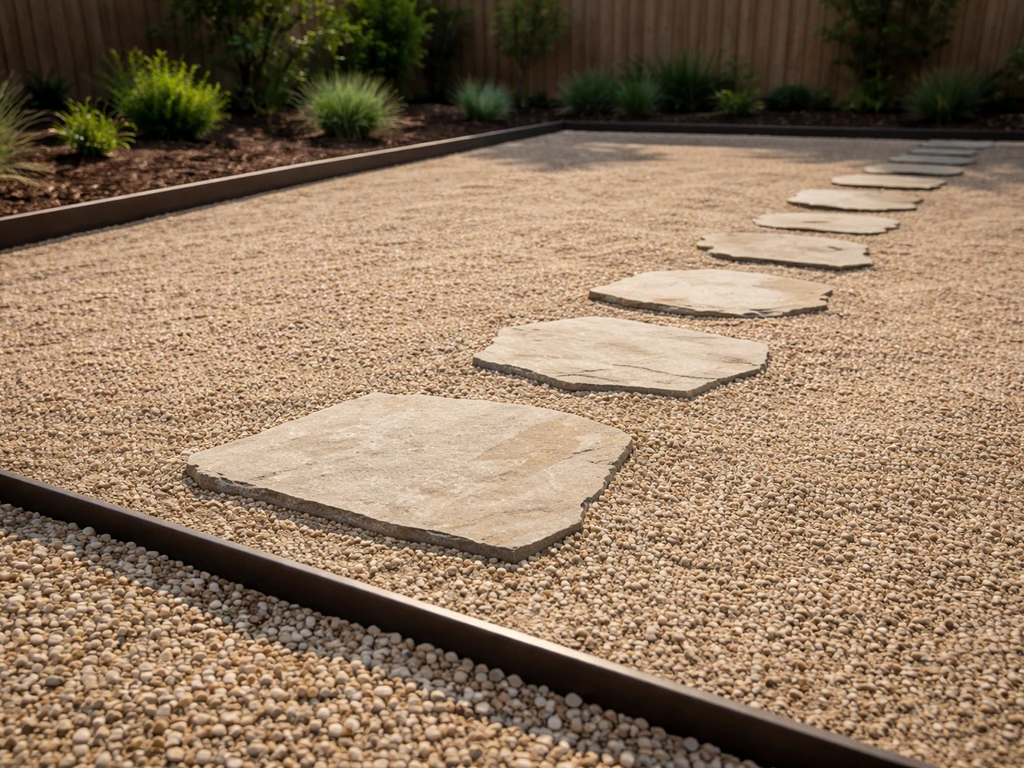
Gravel or decomposed granite is the lowest cost outdoor surface you can put in, sometimes as low as $1,500 to $3,000 for a basic patio area if you do some of the labor yourself. Stamped concrete is a mid-range option that delivers a high-end look for $8 to $18 per square foot, typically less than natural stone or premium pavers. If you want an overhead structure on a small budget, a freestanding wood pergola kit from a home center runs $1,500 to $5,000 in materials, though it won't give you rain protection. For covered structures on a budget, a basic lean-to patio cover attached to the house using aluminum panels is often the most cost-effective way to get a roof over your outdoor space, sometimes completable for under $8,000 installed.
You have kids, pets, or entertain regularly
A flat, sealed, ground-level patio is the most functional for families. Pavers and concrete handle heavy furniture, BBQ grills, and foot traffic without issue. Screened enclosures are excellent for families with young children or pets because they contain the space while keeping insects out. For entertaining specifically, a covered patio with a built-in outdoor kitchen area performs far better than an open deck because you can use it in light rain and the cooking zone isn't exposed to weather. Outdoor kitchens do add significant cost (typically $5,000 to $15,000+ for the kitchen build-out on top of the patio structure), but for frequent hosts they're among the best returns on outdoor renovation dollars.
You have a sloped or uneven yard
This is actually one of the strongest cases for a raised deck or an elevated outdoor platform, because grading a sloped yard for a ground-level patio is expensive. But if you're trying to avoid a deck specifically, a stepped paver patio with retaining walls can handle moderate slopes well. Terraced paver designs with 2 to 3 tiers create usable surfaces on grades that would otherwise require significant earthwork. For steeper slopes, a cantilever or post-and-beam pavilion can be the most practical solution since it spans the grade change without requiring full excavation.
What things actually cost: materials, labor, and upkeep
Cost data for outdoor structures varies a lot by region, but here are realistic installed price ranges based on typical projects. These include basic site prep, grading, and standard labor, but not unusually complex site conditions, major drainage work, or premium finishes.
| Option | Installed Cost (per sq ft) | Typical Project Total | Annual Maintenance Est. |
|---|---|---|---|
| Poured concrete patio | $6–$12 | $3,000–$10,000 | $100–$300 (sealing) |
| Stamped concrete | $12–$22 | $6,000–$18,000 | $150–$400 |
| Concrete pavers | $15–$30 | $7,500–$20,000 | $100–$250 |
| Natural stone pavers | $20–$40 | $10,000–$28,000 | $150–$350 |
| Gravel/decomposed granite | $3–$8 | $1,500–$5,000 | $100–$200 (top-up) |
| Wood pergola | $25–$50 (structure) | $5,000–$15,000 | $300–$600 (stain/seal) |
| Aluminum pergola/patio cover | $30–$60 (structure) | $8,000–$20,000 | $50–$150 |
| Screened enclosure/3-season room | $50–$100 | $15,000–$35,000 | $200–$500 |
| Covered patio (solid roof) | $40–$80 | $12,000–$30,000 | $150–$400 |
| Full outdoor pavilion | $80–$150+ | $25,000–$70,000+ | $300–$800 |
Site prep is the cost variable most people underestimate. If your yard needs significant grading, drainage tile, or a gravel base layer, add $1,500 to $5,000 before the actual surface or structure goes in. Footings for freestanding structures (pergolas, pavilions) typically run $500 to $2,000 depending on how many posts and your local frost depth requirements. For screened rooms and covered patios, a proper concrete slab with slight drainage slope is essential; skimping on the slab is the number one reason screened enclosures develop water intrusion problems later.
Ongoing maintenance costs are where wood structures consistently underperform. A wood pergola or deck needs staining or sealing every 1 to 3 years at $300 to $600 per application. Aluminum and composite alternatives have near-zero annual maintenance, which matters a lot over a 10 to 15 year horizon. A wood pergola that costs $8,000 installed and requires $5,000 in maintenance over 12 years is a more expensive solution than a $12,000 aluminum pergola with $600 in total maintenance over the same period.
DIY vs hiring a pro: a realistic breakdown
The honest answer is that some of these projects are genuinely DIY-friendly and some are not. Concrete flatwork, screened enclosures, and anything requiring permits and structural footings are usually better left to professionals unless you have real construction experience. Gravel patios, basic paver patios, and pergola kit assembly are all reasonable weekend projects for a motivated homeowner with the right tools.
| Project | DIY Realistic? | Skill Level | What to Watch For |
|---|---|---|---|
| Gravel/DG patio | Yes | Beginner | Edging, compaction, weed barrier quality |
| Basic paver patio (small) | Yes | Intermediate | Proper base compaction, drainage slope, cutting pavers |
| Large paver patio | Stretch | Advanced | Base depth, drainage planning, pattern complexity |
| Concrete patio | No (most cases) | Pro recommended | Proper mix, pour timing, expansion joints |
| Pergola kit (freestanding) | Yes | Intermediate | Post footings, level/square, hardware quality |
| Custom wood pergola | Intermediate | Advanced | Structural sizing, footing depth, ledger attachment |
| Aluminum patio cover | Sometimes | Intermediate | Roof pitch, flashing at house wall, fastener spacing |
| Screened enclosure | No (most cases) | Pro recommended | Frame squareness, screen tension, drainage slab |
| Three-season room | No | Pro required | Permits, structural attachment, glazing/insulation |
One thing worth calling out: even if you're capable of DIY, pulling permits for a structural project and having it inspected protects you at resale. Buyers and their inspectors will ask about unpermitted structures, and an unpermitted screened room or covered patio can become a significant problem when selling. If you DIY a project that requires a permit in your jurisdiction, pull the permit anyway and schedule the inspections.
Permits, zoning, and HOA rules you need to know before you build
This is the section most homeowners skip until it's too late. Outdoor structures that are attached to the house, have a roof, exceed a certain square footage, or are taller than 8 to 10 feet almost always require a building permit. Rules vary significantly by municipality, but a good rule of thumb is: if it has a roof, footings, or attaches to the house, assume a permit is needed and verify before starting.
- Setback requirements: most jurisdictions require outdoor structures to sit 5 to 15 feet from property lines; check your local zoning code before placing footings
- Lot coverage limits: many residential zones cap total impervious surface (concrete, pavers, roofed structures) at 30 to 40 percent of lot area; adding a large patio or covered room can push you over
- Height restrictions: freestanding pergolas and pavilions are sometimes restricted to 12 or 15 feet in residential zones
- HOA architectural review: most HOAs require submission of materials, colors, and dimensions before any outdoor structure is built; violations can result in mandatory removal
- Drainage requirements: some municipalities require drainage plans for hardscape over a certain size, particularly if you're adding impervious surface near a property line or waterway
- Electrical and plumbing: any outdoor kitchen, hot tub hookup, or lighting circuit requires a separate electrical permit and licensed electrician in most areas
HOA rules deserve special attention because they're independent of local building codes and often stricter. Some HOAs prohibit elevated decks entirely, restrict the materials you can use, or require that structures match the home's exterior color palette. Get written approval from your HOA architectural committee before you spend money on design or materials. It's also worth checking whether your HOA has changed its rules recently, since many updated their outdoor structure policies post-2020 when home renovation activity surged.
If you're adding any hardscape to a yard with drainage issues, don't just grade the surface and hope for the best. French drains or channel drains at the perimeter of a patio are a $500 to $2,000 addition that prevents water from pooling against your foundation or backing up into the structure. It's almost always worth it.
What actually adds home value and what doesn't
Outdoor renovations consistently rank among the higher ROI home improvements, but the returns vary considerably by structure type and market. A basic patio or deck addition typically returns 60 to 80 percent of its cost at resale in most markets, meaning a $15,000 patio might add $9,000 to $12,000 in perceived value. But that number moves based on your neighborhood: in a market where buyers expect outdoor living space, a well-built covered patio can differentiate your home significantly.
The structures with the best track records for adding perceived value are covered patios with quality finishes, screened porches (especially in the Southeast and Mid-Atlantic where bugs are a real issue), and outdoor kitchens in higher-end markets. If you're exploring covered patio alternatives, focus on finishes and airflow so you get reliable year-round comfort without constant upkeep. Basic pergolas without covers are generally seen as a lifestyle addition rather than a structural value-add; buyers often discount them because they're exposed to weather and associated with future maintenance. An unmaintained wood deck or pergola can actually hurt a home's sale price by signaling deferred maintenance.
The structures with the worst ROI tend to be highly personalized or overbuilt for the neighborhood. A $60,000 outdoor pavilion with a fireplace, full kitchen, and audio system in a neighborhood where homes sell for $350,000 is unlikely to return its cost. Match the scale of the project to your market. Ground-level covered patios with quality pavers and a solid roof perform reliably well across most markets because they're functional, low-maintenance, and widely appealing to buyers.
One thing to keep in mind: screened enclosures and three-season rooms occupy an interesting middle ground between outdoor space and living area. Some buyers count them as bonus living square footage; others see them as a maintenance liability. In hot, humid climates they're consistently valued; in colder northern climates, the ROI is less predictable because the usable season is shorter.
How to actually decide: a checklist and your next steps
Before you call a contractor or buy materials, work through these questions. Your answers will narrow the field from twelve options to two or three, which makes the actual decision much easier.
- Measure your available space: total square footage, distance to property lines, and any grade change across the area you plan to use
- Identify your primary goal: surface only, shade/sun protection, bug/weather protection, privacy, year-round use, or outdoor room
- Set a realistic budget with a 15 to 20 percent contingency (unexpected drainage or grading issues are common)
- Check your municipality's permit requirements for the structure type you're considering before finalizing a design
- Review your HOA rules, if applicable, and identify what requires written approval
- Decide honestly on your maintenance tolerance: how many hours per year are you willing to spend on upkeep?
- Assess your site's drainage: does water pool in this area after rain? If yes, budget for drainage before the surface goes in
- Get at least three contractor quotes with itemized breakdowns for materials, site prep, labor, and permits
- Ask each contractor specifically about footing requirements, drainage plans, and what warranty they provide on their work
- Decide where the DIY line is for you: most homeowners can handle paver installation for small areas; almost nobody should DIY a poured concrete patio or screened enclosure without experience
If you're still deciding between a patio-only approach and something with a roof or enclosure, the single most useful question to ask yourself is: what keeps me from using my current outdoor space? If the answer is sun and heat, a pergola with a louvered roof system or a solid covered patio solves it. If the answer is bugs and rain, a screened or three-season enclosure is the right direction. If the answer is just that the surface is deteriorating, a paver patio replacement is probably all you need.
This site covers the full range of these decisions in more detail, including head-to-head comparisons of covered patio alternatives and what to know about alternatives to patio or decking more broadly. If your situation involves an existing structure you're trying to upgrade rather than replace from scratch, the considerations around materials, enclosure systems, and covered alternatives deserve their own deep dive before you commit to a direction.
FAQ
Do I need a permit for a screened enclosure or covered patio if I am not changing the footprint?
Start by checking how your local code defines “accessory structure” and whether it includes attached roofs, enclosed spaces, or anything supported by footings. Even if the work is small, rooflines and screen systems often trigger permits. A practical step is to ask the contractor for a scope list (footings, slab changes, roof additions, electrical, and fastening method), then confirm which items require permits before construction begins.
How can I prevent water intrusion if I build over an existing patio slab?
A roof or screen system still needs a drainage plan, even if the slab is new. Ask your builder how runoff will be directed (for example, through a slight slab slope to drains, gutters for the roof, and splash protection at discharge points). Without that, you can still get water infiltration at slab edges and staining or mold behind lattice or partial walls.
What should I inspect before replacing a rotting attached deck with another patio deck alternative?
If you are replacing a failing deck, confirm whether the ledger board and flashing details are part of the existing house system. Many failures come from compromised flashing, improper spacing, or rot that extends beyond what you can see after removal. Have a pro inspect the rim joist and house band area for soft wood, then plan to repair, seal, and properly flash before installing any new surface or cover.
What construction details should I ask about for paver vs sealed concrete patios to avoid future problems?
For pavers, request a detail on base depth, edge restraints, and polymeric sand (if used). For concrete, ask about the seal type, cure time, and whether expansion joints will be installed and aligned with your yard’s movement. These specifics matter because most premature problems (lifting, cracking, weeds, uneven settlement) are caused by base and joints, not the surface material itself.
Which patio deck alternatives work best if I have dogs or small kids?
Budget for wildlife and pets behavior. Gravel often becomes a tracked mess, decomposed granite can shed fine particles, and open paver patios can leave gaps that pets exploit. If you want an animal-friendly surface, consider sealed concrete or well-set pavers with tight joints, and plan for a contained perimeter that discourages digging near edges.
If I live in a humid climate, what should I look for in screened enclosures so they stay dry and usable?
For humid or rainy regions, prioritize ventilation paths and corrosion-resistant frames. Ask whether the screening system has airflow on multiple sides (not just one), and choose aluminum-framed components over wood to reduce frame warping and ongoing maintenance. Also confirm the roof overhang and how water will be captured, routed, and kept away from door thresholds.
How do I choose between a pergola, partial privacy walls, and a full enclosure for real privacy?
If you want to avoid the look and cost of a full room, define your “privacy line” before choosing materials. Privacy lattice and partial wall panels help, but they may not block wind-driven visibility from second-story views or nearby windows. A helpful decision aid is to map sightlines from bedrooms and neighbor property lines, then select solid panels where you need true screening and lighter screening where you mainly need shade.
What is the simplest way to compare total cost over time for wood, composite, and aluminum patio deck alternatives?
Don’t base the decision on surface cost alone. Ask for an itemized 10-year maintenance estimate including sealing frequency, cleaning supplies, hardware inspections, and expected board or component replacements. This makes comparisons fair, for example between wood, composite, and aluminum systems, because maintenance timing and labor rates differ widely.
Can I add electrical like outlets or lighting when installing a covered patio or screened porch?
Yes, but you need to plan for electrical safety and weather protection. Outdoor lighting, fans, and kitchens often require dedicated circuits, GFCI protection, and weather-rated wiring methods. Before you start, ask what permits and inspections apply to electrical and whether the plan includes conduit routing that will not be exposed where doors and screens move.
Which patio deck alternatives are realistic DIY projects, and where do most DIY attempts fail?
If you are DIY-capable, choose projects with clear assembly steps and minimal structural engineering. Pergola kit assembly is often manageable, while anything involving new slab work, structural footings, or attachment changes near the house is usually where problems start. A good rule of thumb is to be honest about whether you can pass a rough inspection for alignment, levelness, and load paths, not just whether you can install parts.
Carbone Riviera Deck vs Patio: Costs, Durability, Choice
Carbone Riviera deck vs patio: cost, durability, maintenance, DIY vs pro, and how to choose for your yard