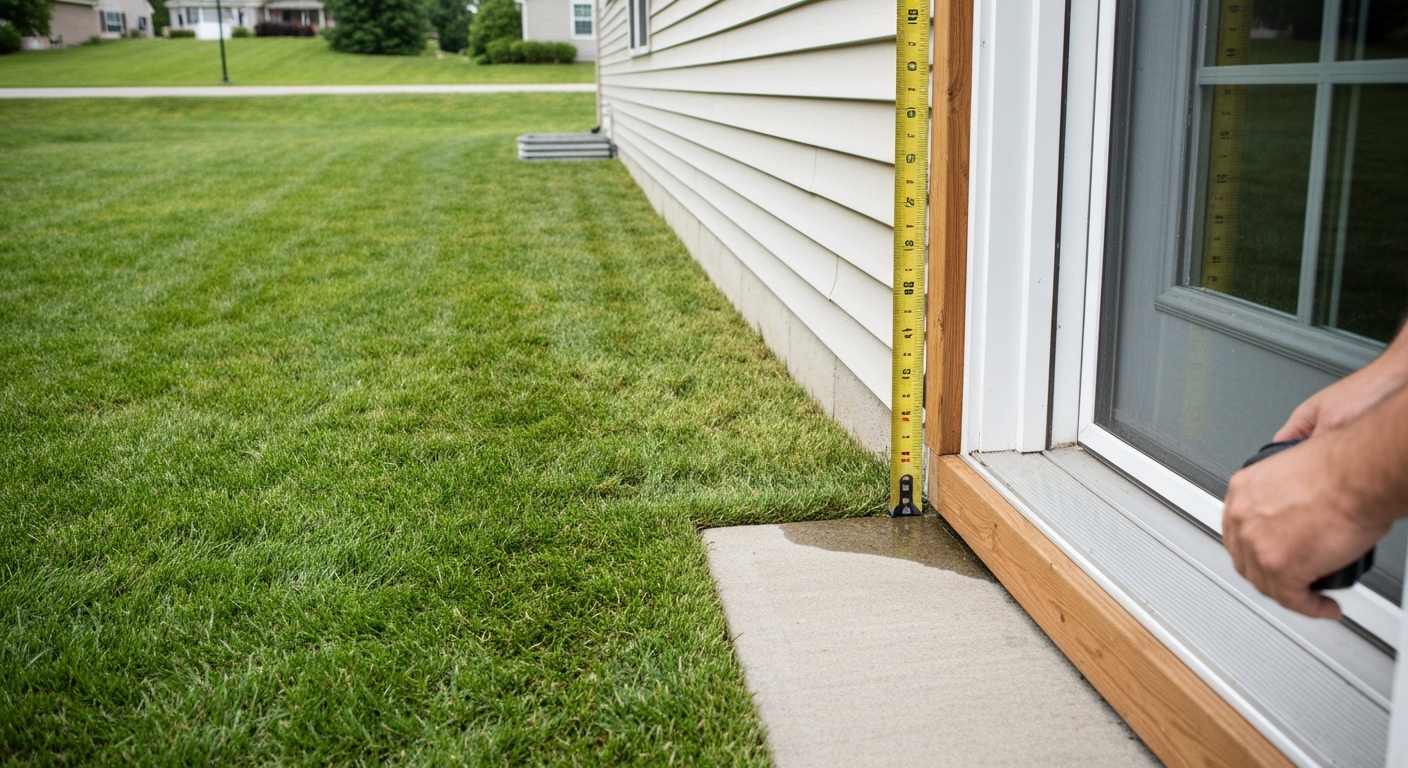
Most patio rooms cost between $22,000 and $75,000 fully installed, with a typical per-square-foot range of $80 to $450 depending on how enclosed, insulated, and finished the space is. A basic three-season room with glass or screen walls runs roughly $75 to $250 per square foot, while a fully conditioned, four-season room with insulated glazing and HVAC lands closer to $220 to $450 per square foot. A 200-square-foot room at mid-range specs will usually come in around $40,000 to $60,000 all-in, including foundation prep, glazing, electrical, and basic finishes. If you want a quick ballpark for an EP Henry patio, use the same cost-per-square-foot approach, then adjust for site prep, base material, and any edging or drainage needs how much does an ep henry patio cost.
How Much Do Patio Rooms Cost? 2026 Pricing Guide

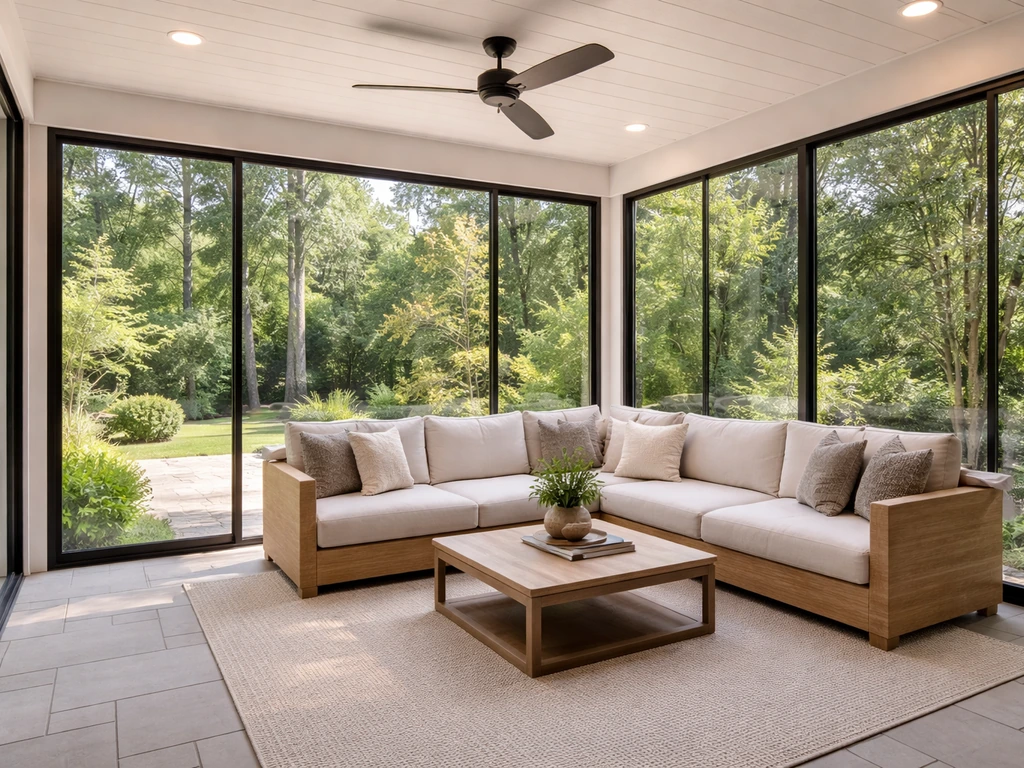
What a patio room actually is (and what it isn't)
A patio room is an enclosed outdoor living space that uses large glass walls or panels to maximize natural light while protecting you from weather. It sits somewhere between a screened porch and a full indoor addition. Most people use "patio room," "sunroom," and "four-season room" interchangeably, though there are real differences worth knowing before you start collecting quotes. And if you want a quick sense of overall pricing before quotes, compare it against how much is a patio enclosure sunroom based on the enclosure tier, glazing, and HVAC plan patio room.
The International Residential Code actually categorizes these spaces by how thermally isolated they are. At the low end, you have a Category I enclosure with insect screening or thin plastic film walls. Move up the scale and you get to Category III, which has enclosed walls and qualifies as a proper sunroom. The category affects what building specs are required, how permits are evaluated, and ultimately what you pay. A contractor quoting a "patio room" might be picturing a glorified screen porch while you're imagining heated glass walls. That disconnect is one of the most common reasons people end up confused by wildly different quotes.
Here's how patio rooms compare to adjacent structures. A screened porch uses lightweight screen panels and is designed for insect protection, not temperature control. It's significantly cheaper, typically $25 to $60 per square foot. A three-season room goes further with glass panels and some weather resistance but no insulation or HVAC. A four-season patio room is fully insulated with high-performance glazing (usually double-pane Low-E with argon gas fill) and a heating and cooling system. A sunroom addition built off the house foundation is essentially a conditioned room addition with lots of glass. These distinctions matter because they map directly to price tiers.
Typical cost ranges and price per square foot
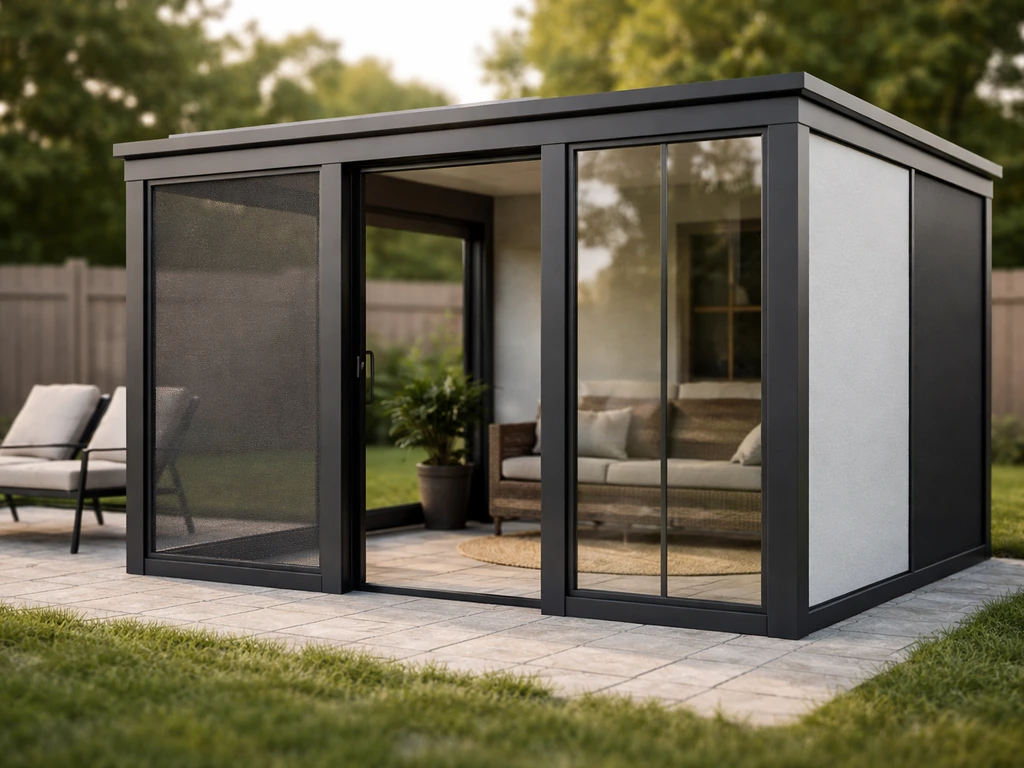
The numbers below represent professionally installed projects in 2025 to 2026, including materials and labor but before major site-specific surprises like unusual foundation conditions or panel upgrades.
| Patio Room Type | Per Square Foot | Typical Total (150–200 sq ft) |
|---|---|---|
| Screen enclosure / basic patio cover | $25–$60/sq ft | $5,000–$12,000 |
| Three-season room (glass panels, no HVAC) | $75–$150/sq ft | $15,000–$30,000 |
| Four-season patio room (insulated, with HVAC) | $150–$300/sq ft | $30,000–$60,000 |
| High-end / fully conditioned sunroom addition | $300–$450/sq ft | $60,000–$90,000+ |
The industry-wide average sits around $150 per square foot, which typically buys a mid-grade three-season or entry-level four-season room. Smaller rooms don't cost proportionally less because mobilization, permit fees, and fixed structural costs don't scale down with square footage the way materials do.
What actually drives the cost up or down
Size
Bigger rooms cost more in total but often less per square foot because overhead costs spread across more area. A 120-square-foot room typically runs $18,000 to $36,000. A 300-square-foot room can run $45,000 to $90,000 or more depending on specs. If you're on the fence between 160 and 200 square feet, the 200-square-foot version might not cost as much more as you expect. For a patio extension, expect pricing to track the same big drivers as a patio room, especially size, glazing type, and whether you’re adding HVAC.
Roof type
Roofing is one of the biggest variables. A standard solid insulated roof panel (often called a studio or flat-pan roof) is the most affordable and most common choice. A glass or polycarbonate roof adds natural light from above but costs significantly more and can create heat gain issues in warm climates. A cathedral or gable roof that matches the house roofline looks more like a true addition and adds the most cost, often $8,000 to $15,000 more than a flat panel roof on the same footprint.
Walls and glazing
Glazing is usually the line item with the most variation between quotes. Single-pane glass is cheaper upfront but performs poorly in temperature extremes. Double-pane windows with low-emissivity (Low-E) coating and argon gas fill are the standard for any real four-season room. They reduce heat transfer, limit condensation, and are required by most energy codes for heated or cooled spaces. Triple-pane exists and performs even better in cold climates but adds cost. When comparing quotes, always confirm what glazing spec each contractor is using because a quote with single-pane glass looks cheaper but leaves you with a room you can't use half the year.
Insulation
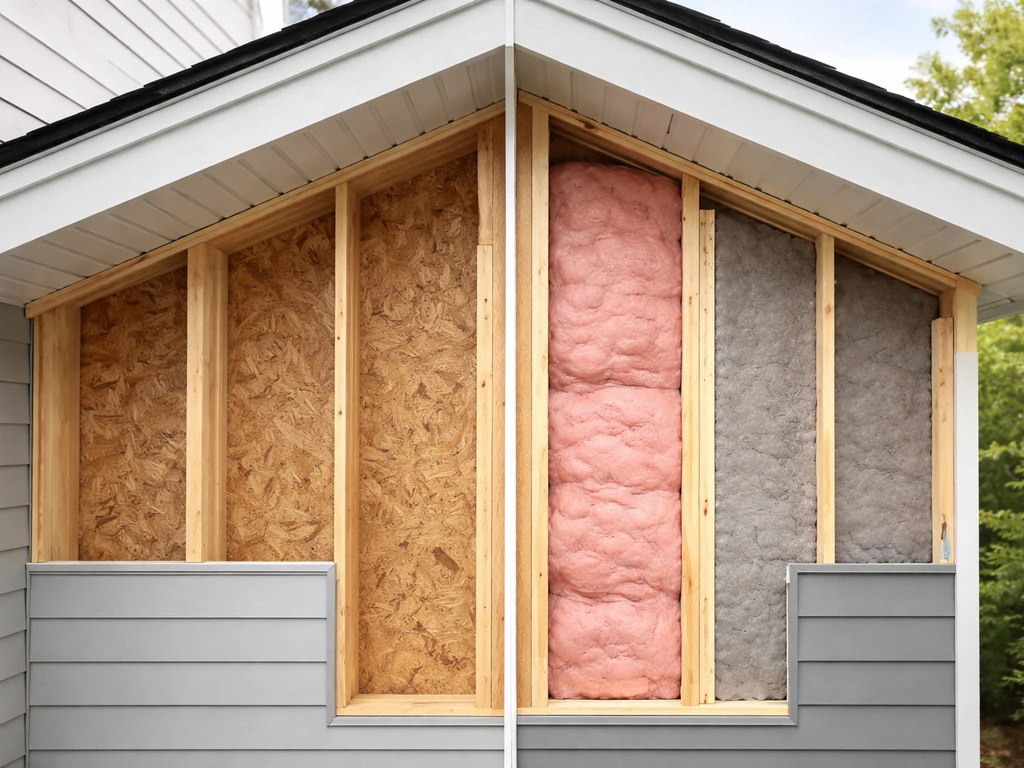
A three-season room typically has minimal or no wall/roof insulation. That's fine if you only plan to use it in mild weather. Upgrading to insulated panels and a thermal-break wall system (where the aluminum framing doesn't conduct cold directly from outside to inside) adds $5,000 to $15,000 to a typical project but makes the room actually comfortable in winter. If you want a room you'll use year-round, budget for proper insulation from the start. Retrofitting insulation later is awkward and expensive.
Finishes
Interior and exterior finishes have a wide price range. Painted drywall, basic trim, and a simple floor is one thing. Shiplap, tile, premium window treatments, and custom cabinetry is another. Most baseline quotes don't include interior finishes beyond framing and drywall, so ask contractors explicitly what's included.
Site prep, permits, and the professional requirements you can't skip
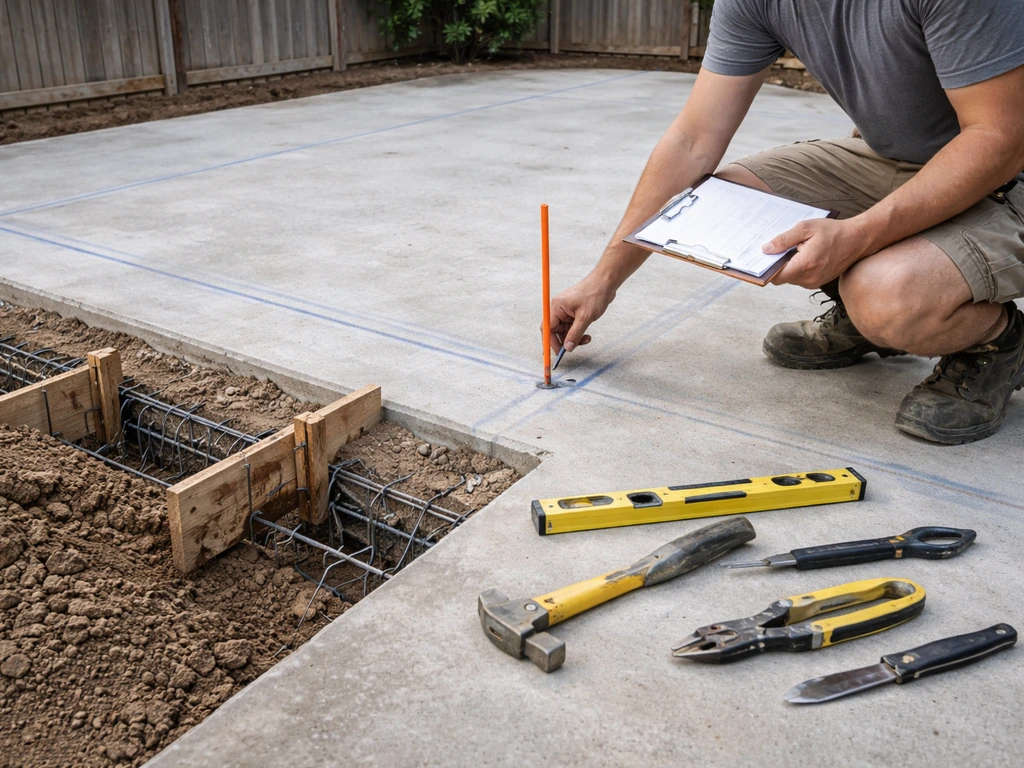
Almost every jurisdiction requires a building permit for a patio room or sunroom addition, regardless of whether it's attached to the house or sits on an existing slab. Cities like Minnetrista and Brooklyn Park explicitly require permits for both new sunrooms and conversions of three-season rooms to conditioned space. Garland, Texas requires permits even for basic patio covers. This is not an area to cut corners. An unpermitted room addition can create serious problems when you sell the home.
Permit costs vary a lot by location and project scope. Budget $500 to $2,500 for typical residential permit fees, though some jurisdictions base fees on project valuation, which can push costs higher for expensive builds. If your addition changes a porch into habitable/conditioned space, many building departments require you to meet current energy codes for walls, glazing U-factors, and insulation values.
Foundation and site prep is often underestimated. If you're building on an existing concrete patio slab, the prep cost is lower but the contractor still needs to verify the slab is level, in good condition, and properly anchored for the new structure. If there's no existing slab, you're looking at $3,000 to $8,000 for a new poured concrete pad depending on size and soil conditions. Some patio room systems use perimeter footings or helical piers instead, which can cost more but may be required by local code depending on frost depth and soil bearing capacity.
Setback requirements are another site issue that can limit your design or require variances. Most municipalities require a minimum distance from property lines (often 5 to 10 feet on the sides, 20 to 30 feet at the rear). If your existing patio is close to a setback line, you may need to shrink the room or go through a variance process, which adds both time and cost.
Add-ons that change the total price significantly
HVAC
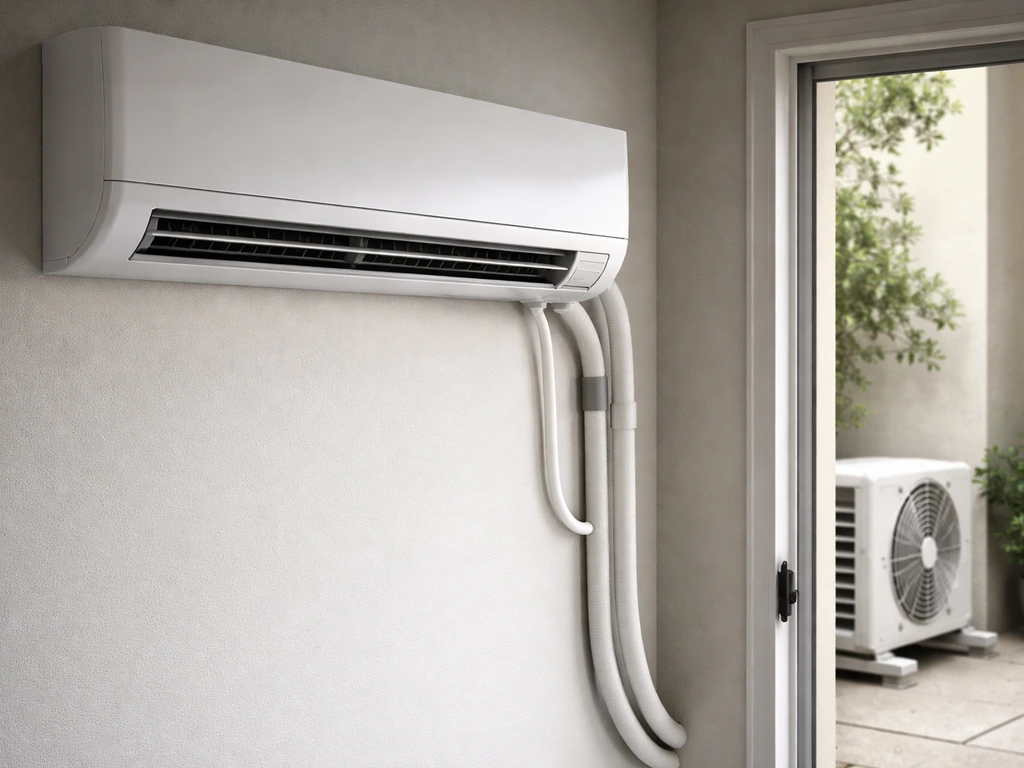
For most patio rooms, a ductless mini-split heat pump is the most practical heating and cooling solution because it doesn't require new ductwork. A single-zone mini-split installed typically runs $3,000 to $8,000 depending on capacity and brand. Multi-zone systems cost more. Extending central HVAC from the house is possible but usually requires duct modifications and can cost $5,000 to $15,000 or more. Electric baseboard heat is cheaper to install but more expensive to run. All in, HVAC adds $2,300 to $20,500 to a patio room project depending on the approach.
Electrical
Any conditioned patio room needs a dedicated electrical circuit (or more likely several). Expect $1,500 to $4,000 for basic electrical rough-in, outlets, and lighting in a typical-sized room. GFCI-protected outlets are required near any potential moisture exposure. If your current electrical panel is already near capacity, a panel upgrade can add $4,000 to $8,000 to the project. Local permit fees for electrical work are sometimes charged per outlet or circuit, so the total permit cost grows with electrical scope.
Flooring
If your patio room sits on an existing concrete slab, you have a lot of flooring options. Sealed concrete or basic tile is $2 to $8 per square foot installed. Luxury vinyl plank runs $4 to $10 per square foot. Porcelain tile on a properly prepped slab is $8 to $20 per square foot installed. Many contractor quotes for patio rooms don't include flooring as a line item, so confirm this when you're comparing quotes.
Lighting and plumbing
Recessed lighting, ceiling fans, and exterior-rated light fixtures are common additions. Budget $500 to $2,500 for lighting depending on complexity. Plumbing is less common in patio rooms but not unusual if you're adding a wet bar or outdoor sink. Running a plumbing line from the house adds $1,500 to $5,000 depending on distance and accessibility.
How to budget: low, mid, and high scenarios
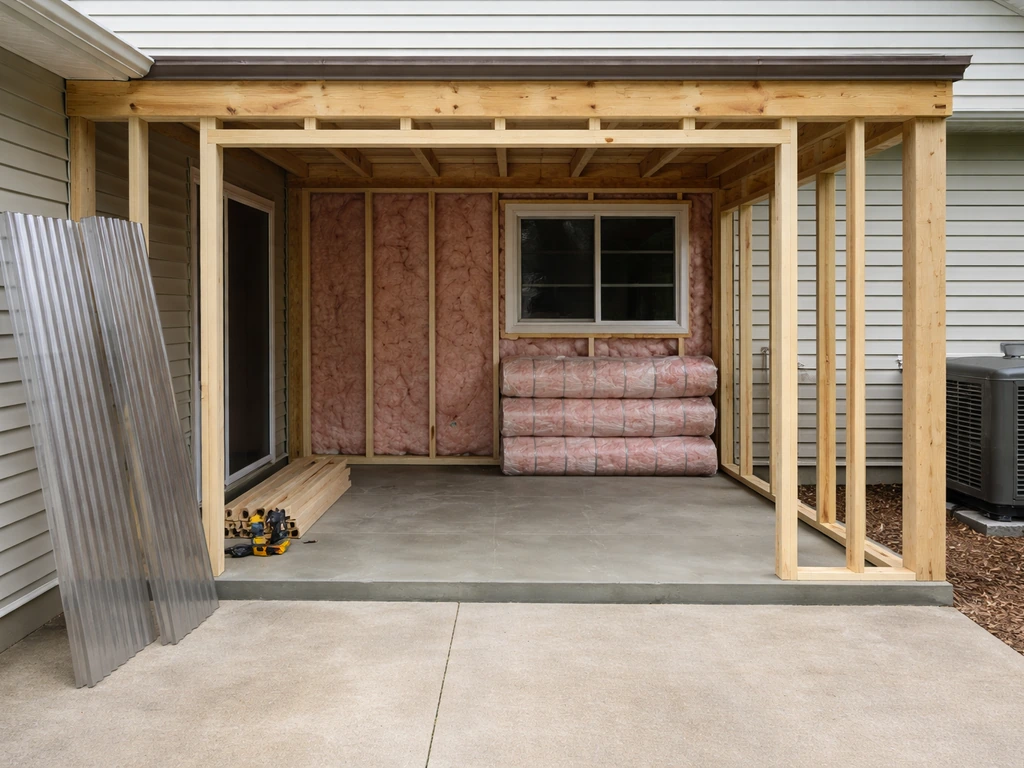
The three scenarios below are based on a 180-square-foot patio room attached to a single-family home with an existing concrete patio slab in reasonable condition. They're meant to give you realistic anchor points, not exact quotes.
| Budget Level | Specs | Estimated Total |
|---|---|---|
| Low ($18,000–$30,000) | Three-season room, single or basic double-pane glass panels, insulated solid roof, no HVAC, basic electrical (2–3 circuits), no flooring upgrade, standard permits | $18,000–$30,000 |
| Mid ($35,000–$55,000) | Four-season room, Low-E double-pane glazing, insulated roof and walls, single-zone mini-split, upgraded electrical (4–5 circuits, lighting), basic tile or LVP flooring, permits + minor site prep | $35,000–$55,000 |
| High ($60,000–$90,000+) | Fully conditioned sunroom addition, triple-pane or premium Low-E glass, insulated panel walls with thermal break framing, cathedral or glass roof, multi-zone HVAC, full interior finish (drywall, trim, tile), upgraded electrical panel, permits + engineering | $60,000–$90,000+ |
One thing that catches people off guard: the gap between the low and mid scenarios is mostly about glazing and HVAC. You can have a beautiful, well-built three-season room for $25,000 and still find it unusable on cold November days.
In an r/homeowners thread, a homeowner describes a 3-season room as an all-window exterior with low-E double insulated glass and a knee-wall build, illustrating how glazing choices can affect both comfort expectations and cost low-E double insulated glass knee-wall 3-season room. If year-round use is the goal, budget for the mid or high tier from the start rather than planning to add HVAC later.
Retrofitting a mini-split after the room is built is doable but costs more and looks messier than integrating it into the original build.
How to get accurate quotes and compare them fairly
Get at least three quotes, and give each contractor the same written project description. The biggest source of quote confusion isn't contractor markup, it's contractors quoting fundamentally different projects. One person prices a basic screen room, another prices an insulated glass room with HVAC, and the homeowner thinks one is ripping them off when really they're not even describing the same structure.
Before contacting contractors, write down the following details to share with everyone you contact:
- Approximate square footage and location (attached to house, which wall/direction)
- Whether you want three-season or four-season/year-round use
- Existing slab condition (if any) or whether new foundation is needed
- Desired roof type (solid panel, glass, or to match house roofline)
- Glazing preference (basic glass vs double-pane Low-E vs higher performance)
- HVAC requirement (none, mini-split, or connected to existing HVAC)
- Electrical needs (basic outlets only vs lighting vs ceiling fans)
- Interior finish expectations (raw or finished walls, flooring included or not)
- Any known permit or zoning constraints (HOA, setback issues, etc.)
When quotes come back, ask each contractor to break the price into line items: foundation/site prep, framing, glazing and windows, roof, HVAC, electrical, finishes, and permits. Homeowners who've compared sunroom quotes consistently find that the biggest price differences show up in glazing specs and whether HVAC is included at all, not in labor rates. A quote that looks $10,000 cheaper might just be using inferior single-pane panels or skipping the heating system entirely.
Ask each contractor specifically what glazing category they're designing to and what U-factor the windows or panels carry. The AAMA/NSA sunroom standards define performance categories that tie directly to thermal performance requirements. A contractor familiar with these standards is more likely to deliver a room that performs as expected and passes inspection. If a contractor can't tell you the U-factor of the glazing they're quoting, that's worth flagging.
Also ask who pulls the permits. A legitimate contractor will handle permits themselves and include permit costs in the quote. If a contractor suggests you pull the permits as the homeowner to "save money," be cautious. It sometimes shifts liability onto you in ways that are difficult to undo.
Finally, ask for references on completed projects specifically similar to what you're building, not just general remodel work. A contractor who's built 50 screen porches isn't the same as one who's built 50 conditioned four-season rooms. The structural tie-ins, insulation detailing, and glazing installation are genuinely different skill sets.
If you're also comparing whether to enclose an existing patio with screens rather than build a full patio room, that's a meaningfully different price point and use case. Similarly, if you're exploring a fully attached sunroom addition or a patio enclosure conversion, the cost drivers and permit requirements shift in ways that are worth understanding separately before you commit to a direction.
FAQ
Why do patio room quotes vary so much even when the square footage is similar?
It usually should not. Quotes for patio rooms often assume a specific level of glazing, insulation, and HVAC. If one contractor includes Low-E double-pane glazing and a mini-split while another lists single-pane glass and no heat, the “per-square-foot” comparison becomes misleading. Ask for the glazing type and whether HVAC is included before judging whether one quote is overpriced.
What parts of the project are commonly missing from the cost in a patio room quote?
Most contractors price the room plus “use-ready” elements, but many do not include premium interior finishes or flooring. Confirm line items for flooring (installed), interior trim level, ceiling type, and whether basic drywall and paint are included. If flooring is excluded, the cost can swing by several thousand dollars on a typical 150 to 220 square foot room.
Is a three-season patio room cheaper to build, but cheaper to maintain or use year-round?
A “three-season” room can be surprisingly uncomfortable, especially with colder nights and wind exposure. If you want predictable use from about late fall through early spring, budget for insulated glazing (usually double-pane Low-E with argon) plus thermal-break framing and a heat source from day one. Retrofitting insulation later often costs more than doing it during build.
Can the mini-split HVAC cost change based on where the patio room is located?
Yes, it can. Mini-split systems require an outdoor unit location, and the indoor heads need placement that matches the room layout and insulation strategy. If the room is positioned to one side of the patio or the outdoor condenser cannot be located within an allowed line set length, HVAC costs and design may change.
Do patio rooms cost proportionally less per square foot when the room is smaller?
It often changes, but not in a simple “smaller is always cheaper” way. Fixed costs like permits, mobilization, framing details, and foundation verification can make small rooms relatively expensive per square foot. Use a bid that breaks out foundation/site prep and glazing, not just the total per-square-foot figure.
If I convert a three-season room to a four-season patio room later, will I need to meet current energy codes again?
It can, depending on local rules and how your contractor applies the work. Some jurisdictions require energy code compliance upgrades when you change an area into habitable or conditioned space, which may include minimum U-factor glazing and insulation levels. Ask your contractor whether the permit is treating it as a conditioned addition, and what code pathway they plan to use.
What happens if my existing patio slab is not in “good condition” for the patio room?
Be careful with existing slabs. If the slab is uneven, cracked, or not properly anchored for the new structure, you may pay for leveling, repair, or different foundation detailing. Ask the contractor to confirm slab condition checks and describe what they will do if the slab does not meet their requirements.
How do setback rules usually affect the final size and cost of a patio room?
Yes. Setbacks can force design changes that increase cost, for example reducing room depth, moving doors, or adjusting roof pitch. If a variance is required, expect added time and potential engineering or survey costs. Ask whether a survey is needed and whether the design currently complies with side and rear setbacks.
Is it ever reasonable for the homeowner to pull the permits to save money?
No, not always. Some patio rooms qualify under a permit category that triggers specific inspection points, but the contractor should still handle the permit process for most legitimate builds. If a contractor suggests you pull permits to lower cost, ask for written proof of who is responsible for code compliance and inspections.
What should I ask about condensation and comfort, beyond just the window type?
If you want to avoid condensation issues and draftiness, you should verify the U-factor and the glazing package, including whether the windows are properly sealed to the framing. Ask also about ventilation for the room’s ceiling and whether the HVAC design includes any humidity control strategy, especially if you plan to use the room daily in shoulder seasons.
How much does the type of roof (flat panel vs gable vs glass) affect the total patio room cost?
Ask for the exact roof system scope. A flat insulated panel roof is often cheaper and simpler, while a cathedral or gable roof that matches the home usually adds cost and may change drainage and flashing details. If a contractor offers a “similar” roof, request a comparison of materials, roof pitch, and the included flashing and waterproofing.
Can patio room “total cost” estimates exclude interior finishes like tile, cabinets, and paint?
Try to budget for the finish level that matches your intended use. Baseline quotes may include framing and drywall only, while premium outcomes add tile, upgraded trim, custom cabinetry, and higher-end window treatments. If you’re budgeting on “installed cost,” insist on a finishes allowance or a clearly defined scope list for flooring, paint, and trim.
What should I look for in contractor references to make sure they can deliver a true four-season patio room?
Look for contractors who can show similar conditioned four-season projects, including insulation detailing at the thermal break and documented glazing installation specs. If their reference work is mainly screen porches, it does not demonstrate expertise in air sealing, insulation detailing, and HVAC integration required for comfort and inspection.
Grass Is Higher Than Patio: Causes, Fixes & Deck vs Patio
Grass higher than patio? Causes, slope checks, repair options, lower lawn, raise patio, or build a deck, with costs & DIY