Porcelain tile is the single best all-around flooring for an enclosed patio. It handles moisture, temperature swings, and heavy use better than almost anything else, and it's the material I'd recommend if you can only pick one. That said, luxury vinyl plank (LVP) made for wet areas is a close second for anyone who wants warmth underfoot and a simpler DIY install. The right answer for your specific space depends on your climate, subfloor condition, budget, and how the space is used, so let's work through all of it.
Best Flooring for Enclosed Patio: Top Options, Costs, and Tips

Miles Hart
3 Jul 2026
How an enclosed patio behaves differently than an open one
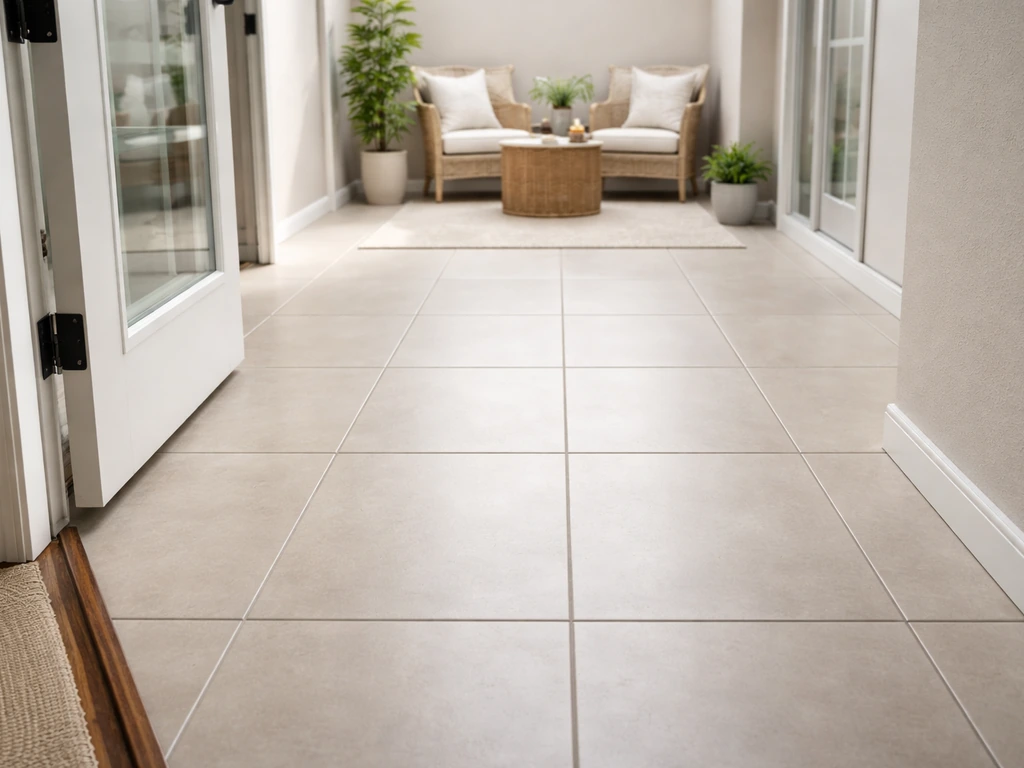
An open patio dries fast. Rain hits it, sun hits it, wind moves across it, and moisture evaporates quickly. An enclosed patio, whether it's a screened-in room, a three-season space, or a fully closed patio room with windows and a roof, is a completely different environment. Moisture comes in from multiple directions: vapor diffuses up through a concrete slab, humidity drifts in from outside through screens or gaps, and condensation can form on cool surfaces when warm humid air contacts them. Because air movement is restricted, that moisture has nowhere to go quickly.
This matters a lot for flooring because slow drying is the root cause of most flooring failures in these spaces. A material that works fine in a living room can cup, warp, delaminate, or grow mold when it sits in a space that traps humidity and cycles through temperature changes seasonally.
Building science research confirms that limited drying ability combined with high interior humidity dramatically increases the risk of interstitial condensation and microbial growth, which is exactly what happens inside a poorly chosen floor assembly on a damp concrete slab. In cold climates, the risk shifts to condensation forming inside the assembly during heating season when interior surfaces cool down. In hot-humid climates, the concern is persistent high humidity without enough dehumidification to keep things dry.
The other factor that sets enclosed patios apart is temperature cycling. Three-season rooms can swing 40 to 60 degrees Fahrenheit between summer and winter, sometimes even between day and night. Flooring materials expand and contract with those swings, and anything that doesn't accommodate that movement will crack, buckle, or pop joints over time. That's why flooring choices that work perfectly in a climate-controlled interior sometimes fail badly in an enclosed patio.
The top flooring options for enclosed patios
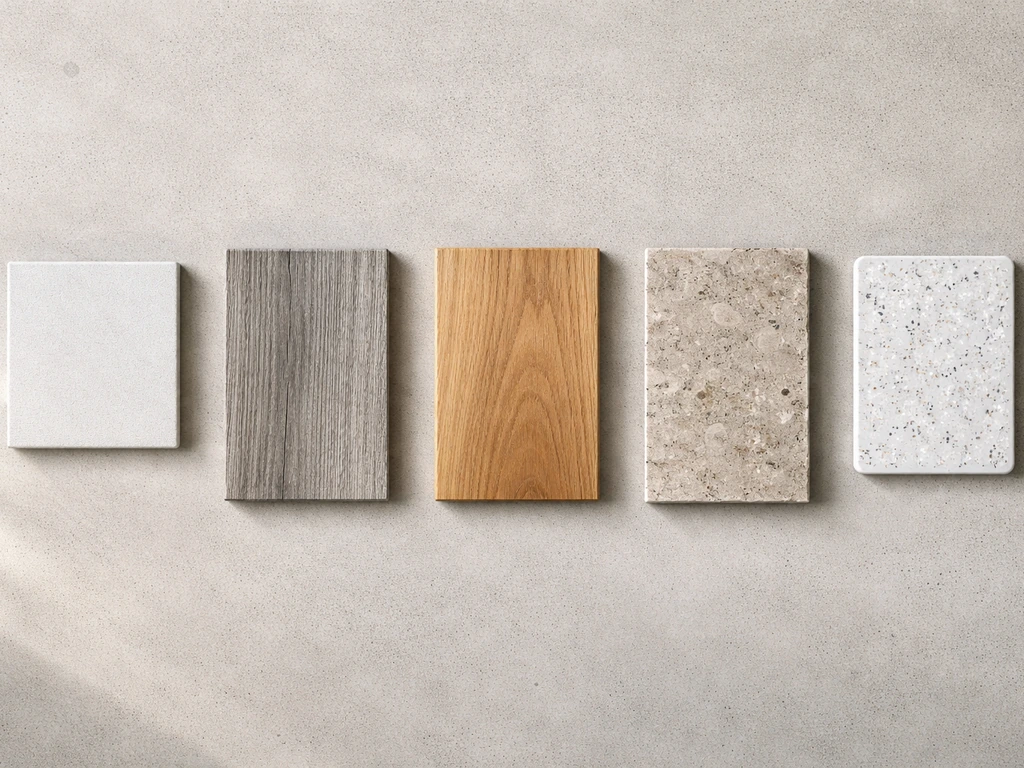
Here are the materials worth seriously considering, along with what each one does well and where it falls short.
Porcelain tile
Porcelain tile is the gold standard for enclosed patios, especially those with concrete slabs. Under ANSI A137. 1, porcelain is defined as tile with water absorption of 0. 5% or less (tested per ASTM C373), which makes it essentially impervious to moisture.
It doesn't swell, warp, or delaminate. It handles freeze/thaw cycles when installed with the right freeze/thaw rated thin-set mortar and proper movement joints. Laticrete’s LATICRETE 254 Platinum datasheet includes freeze/thaw cycle tensile adhesive strength testing to validate exterior-capable performance under cycling conditions [freeze/thaw cycles](https://cdn-global. laticrete.
com/-/media/project/laticrete-international/north-america/product-documents/product-data-sheets/ds-677. pdf? hash=962164FBACB4985B59B46F29345162A2&rev=5753c1d92da447c2adb9f1517713f0ee&sn_lang=zh-cn). It's also UV stable, easy to clean, and available in countless styles including wood-look and stone-look formats that soften the aesthetic.
The downsides are real though: it's cold underfoot without radiant heat, harder on joints if you're standing for hours, can be slippery when wet if you pick the wrong finish, and the install is more involved than floating floor systems.
Luxury vinyl plank and tile (LVP/LVT)
Exterior-rated or wet-area LVP is the most popular DIY-friendly option. It's warmer and softer underfoot than tile, installs as a floating click-lock system over most subfloors, and quality products are 100% waterproof through the core. The catch is that not all LVP is the same: you want a product rated for high humidity or outdoor-adjacent use, with a wear layer of at least 12 mil for a patio that sees regular foot traffic.
Most LVP manufacturers require concrete moisture emissions to stay within specific limits, often tested per ASTM F2170 (in-situ RH probes) or ASTM F1869 (calcium chloride), so a very damp slab may need mitigation work before install. LVP also requires a flat subfloor within 1/8 inch over 6 feet; uneven concrete can cause click-lock joints to fail or edges to ridge over time.
Engineered hardwood (in the right conditions)
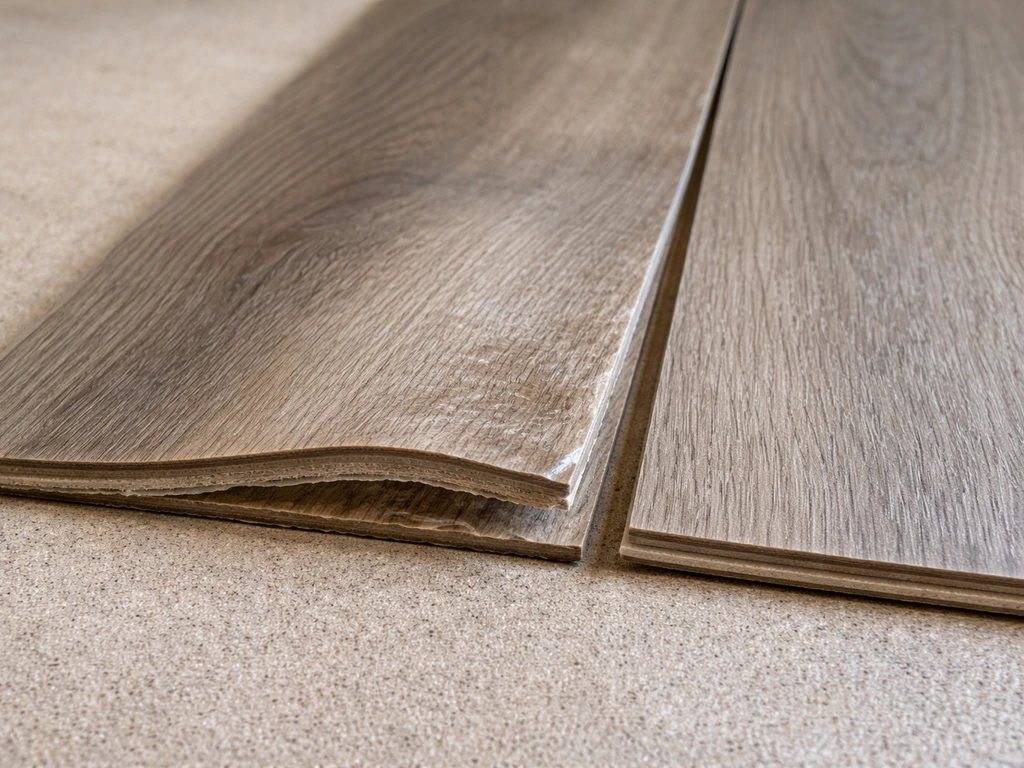
Engineered hardwood can work in an enclosed patio that stays climate-controlled and maintains relatively stable humidity year-round, but it's not a good fit for a three-season room or a space with significant moisture swings. The real wood veneer on top will still react to humidity, and even engineered products specify concrete moisture testing per ASTM F1869 or ASTM F2170 before installation. If you go this route, choose a product explicitly rated for high-humidity or below-grade use, use an appropriate moisture barrier, and understand that it may not hold up as well as tile or LVP in a space with seasonal temperature swings. It's best suited to fully enclosed, heated and cooled patio rooms.
Laminate (not recommended for most enclosed patios)
Standard laminate flooring is generally not a good fit for enclosed patios. Major manufacturers like Pergo explicitly state their products are intended for climate-controlled indoor use within specific relative humidity and temperature ranges, and the product is not designed for outdoor-adjacent or seasonally unconditioned spaces. Laminate has a wood-fiber core that swells when exposed to moisture, and even water-resistant laminate will fail in a condensing or seasonally humid environment. If cost is the main driver, quality LVP is a better choice at a similar or lower price point with much better moisture performance.
Natural stone
Natural stone like slate, travertine, or bluestone can look stunning in an enclosed patio and performs well in the right conditions. The challenge is that stone varies widely in porosity. Dense slate or quartzite handles moisture well; travertine and some limestones are quite porous and will stain, pit, or absorb water unless they're sealed regularly. For enclosed patios, choose stone with low water absorption, apply a penetrating sealer at installation, and plan to reseal every one to three years. Installation requirements are similar to porcelain tile, including the same movement joint and moisture mitigation principles. It's a premium option that adds real visual appeal but requires more upkeep than tile.
Epoxy and concrete coatings
If your enclosed patio has an existing concrete slab in decent condition, an epoxy or polyurea coating system is worth considering. A properly installed coating seals the slab, is easy to clean, and can handle moisture vapor when applied over a moisture vapor barrier primer. The cost for professional installation typically runs $3 to $12 per square foot, with surface prep being the biggest cost driver. DIY epoxy kits exist but tend to underperform relative to professionally ground and coated systems, especially in high-moisture conditions where surface profile and moisture vapor control matter most. Coatings work best in garage-style enclosed patios and contemporary spaces; they're not ideal if you want a warmer or more finished look.
Outdoor-rated carpet systems
Outdoor carpet is comfortable and inexpensive, but it's the option I'd use most cautiously. Even outdoor-rated carpet traps moisture underneath it, dries slowly, and creates conditions that can support mold growth on the slab below, especially in humid climates. If you want soft underfoot feel, it's more suitable for fully screened spaces in dry climates where airflow is better, or as an area rug over another flooring rather than a direct glue-down system.
If you're considering a screened patio specifically, those spaces share similar flooring concerns and the same moisture cautions apply. If you're wondering why screened-in patios are such a big deal in Florida, it comes down to managing humidity and moisture so flooring does not fail screened patio.
What to look for when shopping: moisture and weather specs
These are the specs and ratings that actually matter when you're comparing products:
- Water absorption rating: For tile, look for porcelain (≤0.5% absorption per ANSI A137.1/ASTM C373). For stone, ask for the porosity rating and choose low-porosity options. For LVP, look for '100% waterproof core' language and check whether the warranty covers high-humidity subfloor conditions.
- Freeze/thaw suitability: If your enclosed patio is unheated in winter or in a cold climate, tile and thin-set mortar must both be rated for freeze/thaw cycles. Look for products tested through 25+ freeze/thaw cycles per applicable ANSI/ISO test methods.
- Slip resistance: For tile, look for DCOF (Dynamic Coefficient of Friction) ratings. Wet-area tile should meet a DCOF of 0.42 or higher per ANSI A137.1 recommendations. Matte and textured finishes perform better than polished surfaces. ASTM C1028 is another commonly referenced slip test standard.
- UV stability: Materials near windows or with sun exposure need UV-stable finishes. Most porcelain and quality LVP handle UV well; some carpets and certain wood products will fade.
- Moisture vapor emission limits: For LVP and engineered wood, check the manufacturer's installation guide for concrete moisture limits, often expressed as lbs per 1,000 sq ft per 24 hours (ASTM F1869) or percent RH (ASTM F2170). These thresholds determine whether your slab needs mitigation before install.
- Expansion gap requirements: Any floating floor on an enclosed patio needs expansion gaps at perimeters. Temperature-cycling spaces may need larger gaps than interior rooms. Check manufacturer specs before cutting to walls.
- Subfloor compatibility: Not all products install over all subfloor types. Some LVP floats over concrete; some requires adhesive. Engineered wood may have method restrictions on certain substrates.
Comfort, slip resistance, and temperature underfoot
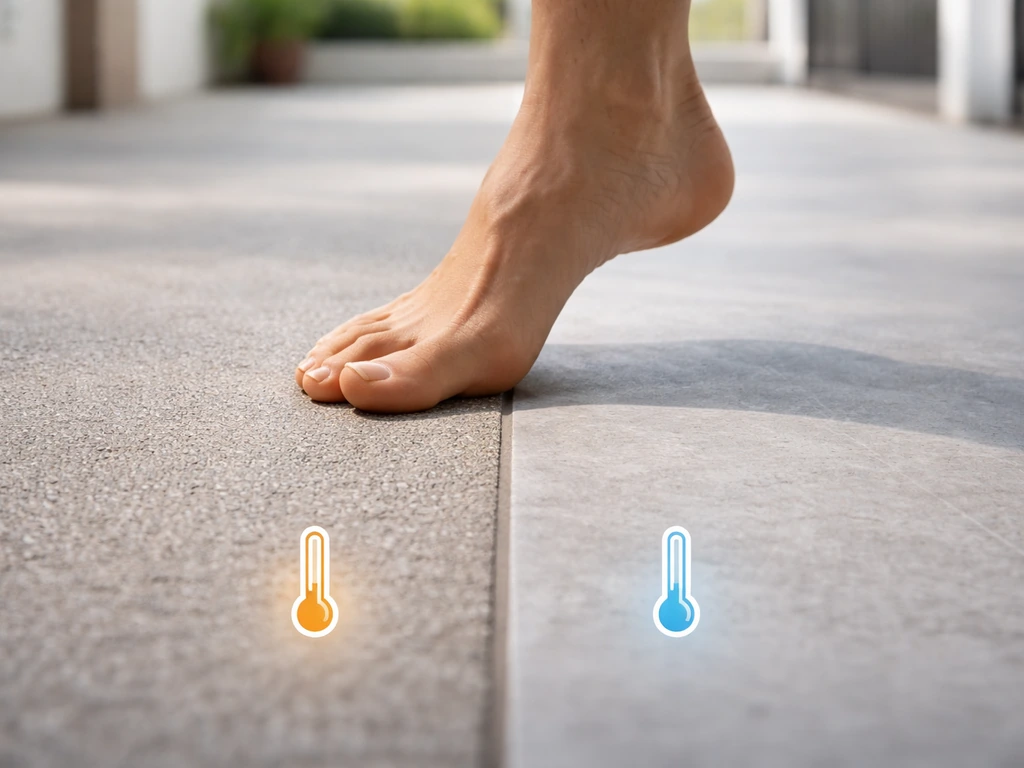
Comfort is often underrated when people pick enclosed patio flooring. These spaces tend to get used for morning coffee, barefoot summer evenings, and kids playing, so how a floor feels matters as much as how it looks.
| Material | Barefoot Feel | Standing Warmth | Slip Resistance (Wet) | Sound/Noise |
|---|---|---|---|---|
| Porcelain tile | Hard, smooth | Cold without radiant heat | Good (matte/textured), poor (polished) | Clicks and echoes |
| LVP/LVT | Medium, slight give | Warmer than tile | Good to very good | Quieter with underlayment |
| Engineered hardwood | Warm, wood feel | Warm | Moderate (can be slippery) | Quiet |
| Natural stone | Hard, cool | Very cold | Varies by finish and stone type | Similar to tile |
| Epoxy coating | Hard, smooth | Cold | Good with anti-slip additive | Echoes in open spaces |
| Outdoor carpet | Soft, comfortable | Warm | Very good | Excellent sound absorption |
If you're in a climate where the enclosed patio gets cold in winter, tile and stone will feel brutal underfoot without in-floor radiant heat or area rugs. LVP is noticeably more comfortable in those conditions. If the space gets hot in summer, stone and tile stay cooler, which can actually be a plus in southern climates. For families with young kids or elderly household members, slip resistance in wet conditions should be a top priority: go with a matte or textured tile finish, or choose LVP with a textured surface layer.
DIY vs. hiring a pro: what the install actually involves
Subfloor prep is the most important step
Almost every flooring failure I've seen in an enclosed patio traces back to inadequate subfloor prep, not material choice. Before you pick a floor, you need to know what you're working with. For concrete slabs, that means testing for moisture vapor emissions (ASTM F1869 or ASTM F2170), checking for flatness, addressing any cracks, and deciding whether a moisture vapor barrier or mitigation coating is needed. If your slab has readings above the manufacturer's moisture limit, you'll need a moisture vapor barrier system before the floor goes down. Products like epoxy moisture vapor control coatings can handle high-emission slabs and enable same-day installation in some cases. Without this step, warranties are voided and failures are common.
Waterproofing and drainage considerations
For tile over concrete in condensing or potentially wet conditions, a waterproofing membrane under the tile adds meaningful protection and is worth the extra cost. These systems, often sheet membranes or liquid-applied coatings, act as vapor retarders and decouple the tile from slab movement. Some raised-channel subfloor systems go a step further by creating a small air gap (around 1/4 inch) between the slab and the floor assembly to allow moisture to evaporate rather than accumulate. For LVP and engineered wood, a vapor barrier sheet or primer coat is the standard approach, but make sure whatever product you use actually satisfies the moisture testing requirements in the flooring warranty since some generic vapor barriers don't meet ASTM F2170 or F1869 thresholds.
Movement joints for tile
If you're tiling an enclosed patio, movement joints are not optional. The TCNA EJ171 guideline calls for movement joints every 8 to 12 feet in exterior and temperature-cycling tile applications, and an enclosed patio that swings seasonally qualifies. These joints accommodate expansion and contraction so the tile doesn't crack or pop the bond. Skipping them is the most common DIY tiling mistake in these spaces.
When to DIY vs. hire a pro
- DIY-friendly: Floating LVP/LVT click-lock installation over a flat, dry concrete slab is well within reach for a confident DIYer. The main requirements are a flat subfloor (within 1/8 inch over 6 feet), proper moisture testing, and leaving expansion gaps at perimeters.
- DIY with caution: Tile installation is manageable for experienced DIYers, but the subfloor prep, movement joint planning, thin-set selection, and grout sealing all have real learning curves. Small mistakes (wrong thin-set for freeze/thaw, skipped movement joints) lead to failures a year or two down the road.
- Hire a pro: Any project involving significant moisture mitigation work (moisture vapor barrier coatings, waterproofing membranes, slab grinding), large or complex tile layouts, or a subfloor with cracks or unevenness is worth hiring a tile setter or flooring contractor. The prep work is where most of the technical risk lives.
- Epoxy coatings: The surface profile grinding and moisture vapor barrier primer steps almost always require professional-grade equipment. DIY kits can work for low-moisture garage slabs but tend to underperform in enclosed patios with real moisture exposure.
Cost comparison by material
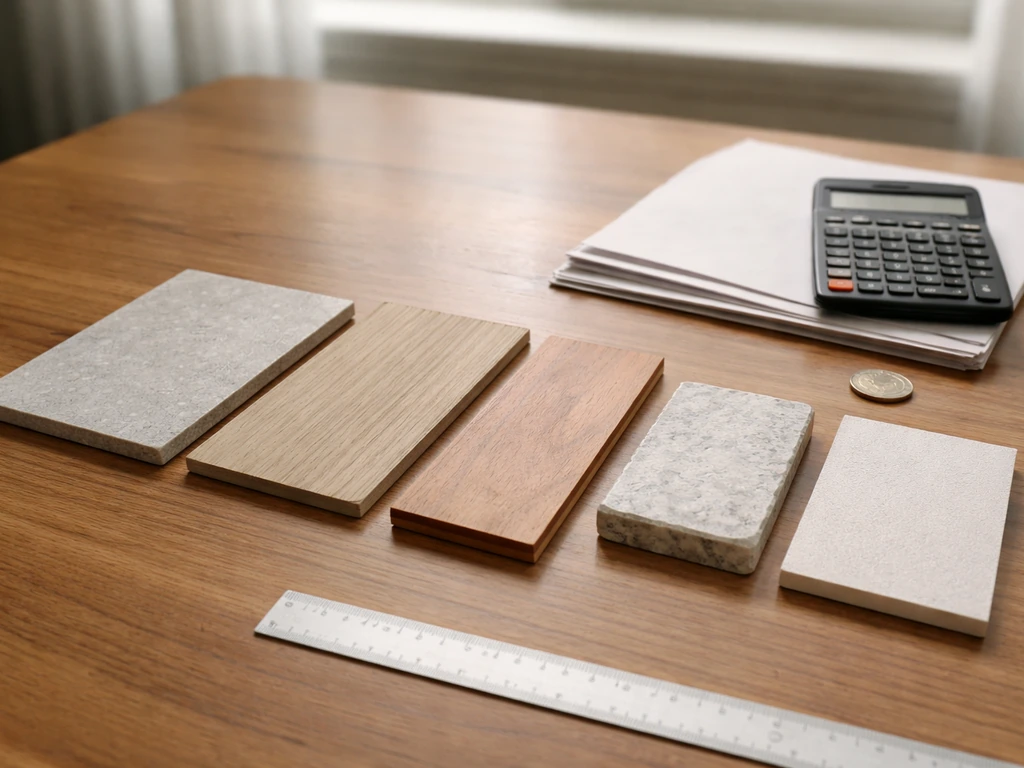
| Material | Material Cost (per sq ft) | Installed Cost (per sq ft) | Expected Lifespan | Maintenance Level |
|---|---|---|---|---|
| Porcelain tile | $1–$8 | $7–$20 (incl. prep/setting materials) | 30–50+ years | Low (seal grout annually) |
| LVP/LVT | $2–$7 | $4–$11 | 15–25 years | Very low |
| Engineered hardwood | $4–$12 | $8–$18 | 20–30 years | Moderate (recoat every 5–10 yrs) |
| Natural stone | $5–$20+ | $10–$30+ | 25–50+ years | Moderate (reseal every 1–3 yrs) |
| Epoxy/polyurea coating | $1–$3 (materials only) | $3–$12 (professional install) | 5–15 years | Low to moderate (recoat as needed) |
| Outdoor carpet | $0.50–$3 | $2–$6 | 5–10 years | Low (but replace sooner in humid climates) |
The biggest variable in any of these estimates is subfloor prep. A slab that needs grinding, crack repair, or moisture vapor barrier coating can add $2 to $5 per square foot to your project before any flooring goes down. Get your slab assessed before finalizing a budget. For LVP, total project cost on a typical 1,000 sq ft space can run $4,000 to $10,000 depending on product quality and how much prep work is involved. Epoxy systems are at the lower end of material cost but professional installation and surface prep can push the total closer to the mid-range of tile installs.
The best choice for your specific situation
By climate
- Hot-humid climates (Florida, Gulf Coast, Southeast): Porcelain tile is the strongest choice because it handles chronic humidity, resists mold, and stays cool. LVP with a solid moisture barrier works well too. Avoid carpet glued directly to slab.
- Cold climates (Midwest, Northeast, Mountain West): If the space is unheated in winter, use freeze/thaw rated porcelain with appropriate thin-set and movement joints. LVP can work in a three-season room but check the manufacturer's temperature range. Avoid anything with a wood core in unheated spaces.
- Dry climates (Southwest, high desert): More flexibility here. LVP, tile, and even stone all perform well. Moisture is less of a concern, but UV exposure from windows and temperature cycling still apply.
- Mixed/temperate climates: LVP is often the sweet spot for cost, comfort, and ease. Tile is still the longest-lasting option.
By budget
- Under $5/sq ft installed: Epoxy coating over existing concrete, or basic outdoor carpet. Neither is ideal long-term, but both are functional for a low-cost refresh.
- $5–$10/sq ft installed: Mid-grade LVP is the best value option in this range, with good moisture performance and DIY-friendly install.
- $10–$20/sq ft installed: Porcelain tile or engineered hardwood. Tile offers better long-term durability; engineered wood is warmer and works better in fully conditioned spaces.
- Over $20/sq ft: Premium large-format porcelain, natural stone, or high-end engineered wood. Expect more from aesthetics and longevity, but maintenance requirements go up for stone.
Kids, pets, and heavy use
For families with kids and pets, LVP with a heavy wear layer (20 mil or more) or textured matte porcelain tile are the two best choices. Both clean easily, handle scratches and spills, and offer decent slip resistance. Avoid polished stone and polished tile finishes if wet feet and four-legged traffic are regular. Carpet is the most comfortable but the hardest to keep clean and dry with pets in a humid space.
By subfloor type
- Concrete slab (most common): All options work over concrete with proper prep. Test moisture before committing to LVP or engineered wood. Tile is the most forgiving of concrete conditions once moisture mitigation is in place.
- Wood frame subfloor (elevated patio or addition over a crawl space): LVP and engineered wood work well here. Tile requires a stiff, deflection-free subfloor (often 1-1/4 inch plywood or cement board over plywood); skip tile over bouncy or undersized joists without reinforcement.
- Existing old tile or concrete coating: LVP can often float over existing smooth, flat tile. Tile-over-tile can work if the existing tile is fully bonded and flat. Epoxy coatings generally need bare, profiled concrete.
Your next steps
Start by figuring out what kind of space you actually have. A fully climate-controlled patio room behaves more like an interior room and opens up more material options. A three-season room or screened space has more moisture and temperature variability and narrows your list toward tile and quality LVP. If you're deciding between a screened porch vs patio flooring, focus on moisture and temperature swings, since those drive material choice screened space. Once you know the space type, test your slab for moisture if it's concrete, check the flatness, and get at least one flooring contractor to look at it before buying materials. The prep work defines what's possible and what things actually cost.
If you want the short version: start with porcelain tile if you want a floor that lasts 30-plus years with minimal maintenance. Start with LVP if you want a warmer, quieter, more DIY-friendly install at a lower upfront cost. Either one, done right over a properly prepped subfloor, will serve an enclosed patio well for years.
FAQ
Is moisture testing really required for an enclosed patio flooring project?
No, even for enclosed patios. Before installing any floor over a concrete slab, run a moisture emission test (ASTM F1869 or ASTM F2170) and compare results to the specific product’s warranty limits, then plan the matching mitigation (primer, vapor barrier, or coating) if you exceed those thresholds.
What causes LVP joints to separate or edges to “ridge” on enclosed patios?
Most LVP click-lock failures come from unevenness or edge movement, not the planks themselves. Keep the slab flat to within 1/8 inch over 6 feet, use the recommended underlayment if the brand allows it, and leave expansion gaps around the perimeter for temperature cycling.
Which flooring is safest when the patio gets wet (rain, condensation, or tracked-in water)?
Use a finish that improves wet-foot traction. For porcelain tile, choose matte or textured surfaces rather than polished, and verify the tile’s slip resistance rating or confirm it’s appropriate for wet areas. For LVP, pick a textured wear layer designed for exterior-adjacent use and avoid overly smooth surfaces.
Can you install porcelain or stone tile on a slab without a waterproofing membrane?
Yes, but only if you control water behavior. Install a waterproofing membrane under the tile (sheet or liquid-applied) and include proper movement joints, then avoid groutless systems that cannot accommodate movement. If your patio sees significant condensation, pay extra attention to the underlayment and slab mitigation plan rather than relying on grout.
How do movement joints prevent tile cracking on enclosed patios?
If you want tile that looks good and stays intact through seasonal swings, don’t skip movement joints. For temperature-cycling enclosed patios, follow TCNA EJ171 guidance, place joints every 8 to 12 feet, and keep them aligned through grout so cracking has a controlled place to occur.
Why do some people regret choosing polished stone or polished tile for enclosed patios?
Polished tile and many polished stones can be slippery when wet, especially outdoors where water film is common. If you have kids or pets and wet conditions, choose matte textures or engineered surfaces, and consider area rugs in high-traffic zones for added traction.
Are epoxy or polyurea coatings a good alternative to tile or LVP on an enclosed patio?
Usually, but match the system. Coatings can work well when applied over a properly prepped slab with a moisture vapor barrier primer when needed, and when the coating’s specs match your slab emissions. Also plan for surface profile and crack repairs, because coating performance is mostly determined during prep.
What’s the biggest mistake people make with vapor barriers on enclosed patios?
You’ll get the best results by matching the underlayment and vapor strategy to the flooring warranty. Some generic vapor barriers or “one-size-fits-all” membranes can violate warranty conditions. Always use the moisture product and installation method the manufacturer specifies, especially for LVP and engineered wood over concrete.
Can engineered hardwood survive a three-season enclosed patio?
Yes, but only if the patio stays truly stable. Engineered hardwood can work in fully climate-controlled rooms with steady humidity, but it’s a poor choice for three-season spaces. If you choose it anyway, select a product explicitly rated for high-humidity installation, use correct moisture testing, and expect less longevity than tile or wet-rated LVP.
Is outdoor carpet acceptable for an enclosed patio?
Outdoor carpet often fails because it holds moisture against the slab and dries slowly, increasing mold risk in humid climates. If you want softness, consider using rugs over a non-absorbing surface (like tile or LVP) and keep any carpet fully removable to improve drying.
Why do enclosed patio flooring quotes vary so much from contractor to contractor?
Budgeting gets much more accurate if you estimate subfloor prep first. Plan for grinding, crack repair, flatness correction, and potential moisture mitigation, because these steps can add $2 to $5 per square foot before flooring. Get the slab tested and evaluated before choosing the “cheapest” material.
What should I prioritize if I have kids, pets, and frequent spills?
Put slip resistance and maintenance ahead of looks for the first choice. If kids and pets are common, prioritize textured matte porcelain or high-wear, wet-area rated LVP (20 mil or more wear layer). Avoid polished finishes and carpets that trap moisture underfoot in humid spaces.
How does floor comfort change between tile, LVP, and stone in hot vs cold climates?
Roughly speaking, cold-season comfort favors LVP, while hot-season heat is less of an issue for tile and stone because they stay cooler. For winter comfort without radiant heat, LVP and area rugs are the easiest fix, and if you pick tile or stone in cold climates, expect to add rugs or consider in-floor heating for barefoot comfort.
Next Article
Grass Is Higher Than Patio: Causes, Fixes & Deck vs Patio
Grass higher than patio? Causes, slope checks, repair options, lower lawn, raise patio, or build a deck, with costs & DIY