Yes, patio awnings are worth it for most homeowners, but with some real caveats. If your patio gets direct sun for more than a few hours a day, a quality awning will make it genuinely usable during peak summer heat, reduce glare into your home, and can cut cooling energy use by around 15% during the April-September stretch according to Department of Energy research. The catch is that cheaper retractable models wear out in five to seven years, some homes aren't structurally ideal for mounting one, and if your yard gets regular strong winds, you'll spend more time retracting the thing than enjoying it. Whether it's worth it for you specifically comes down to your orientation, your climate, what you're willing to spend, and how the alternative options stack up.
Are Patio Awnings Worth It? Benefits, Costs, and Checklist

What a patio awning actually does for you
People tend to think of awnings as shade devices, and they are, but that's only part of the picture. There are three distinct jobs an awning can do, and not every awning does all three equally well.
Sun and heat blocking
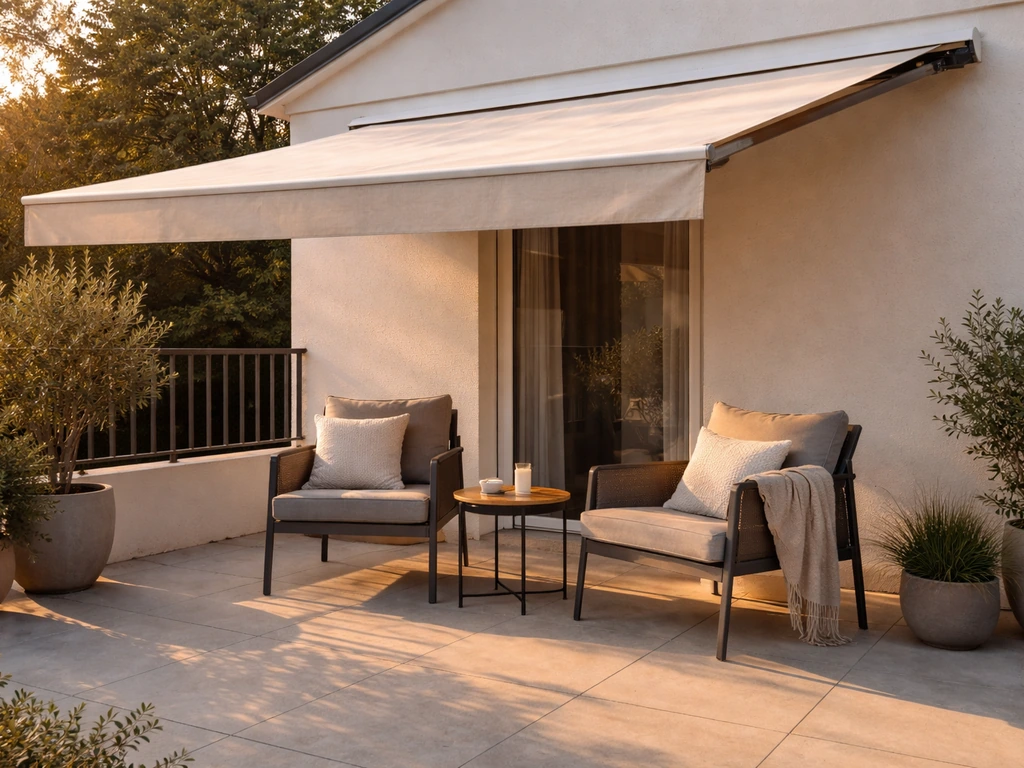
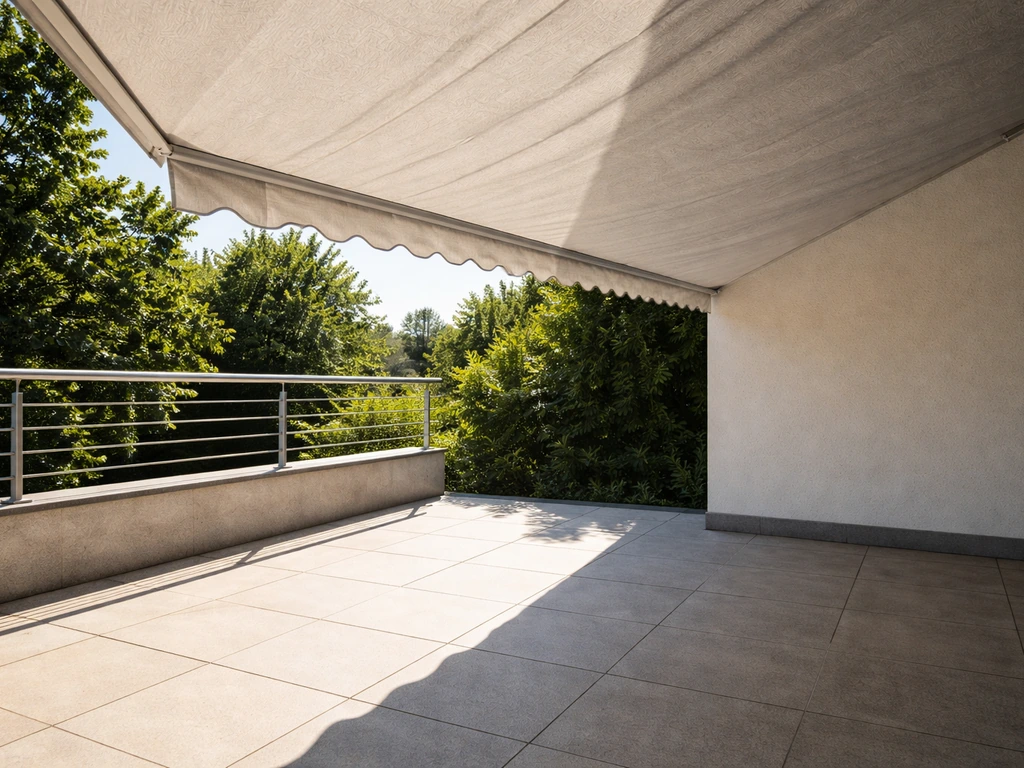
This is where awnings genuinely shine. A properly sized awning blocks direct solar radiation from hitting your patio surface and, critically, from hitting the glass doors and windows behind it. That second part matters more than people realize. Exterior shading like an awning is significantly more effective at keeping heat out of your home than interior blinds or curtains because it stops radiant heat before it ever passes through the glass. DOE-funded research using field studies at PNNL lab homes confirmed that exterior fabric shades substantially decrease cooling energy loads, though the flip side is that in colder climates, you lose some passive solar heat gain in winter if you leave fixed shading up year-round.
Light rain and weather protection
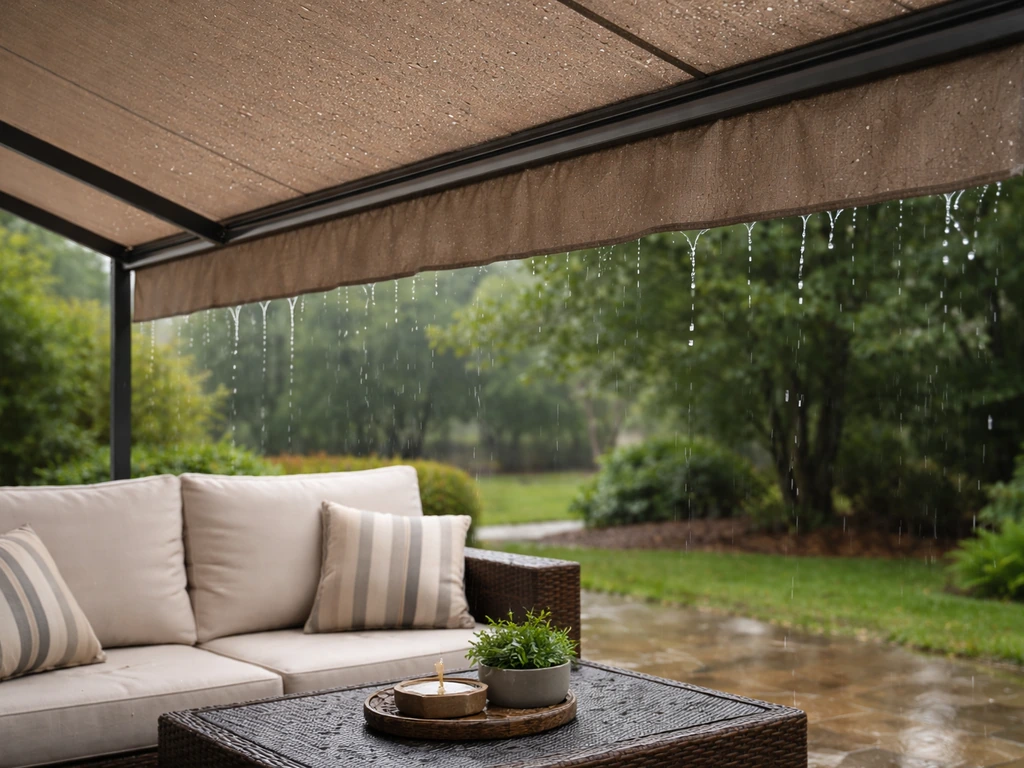
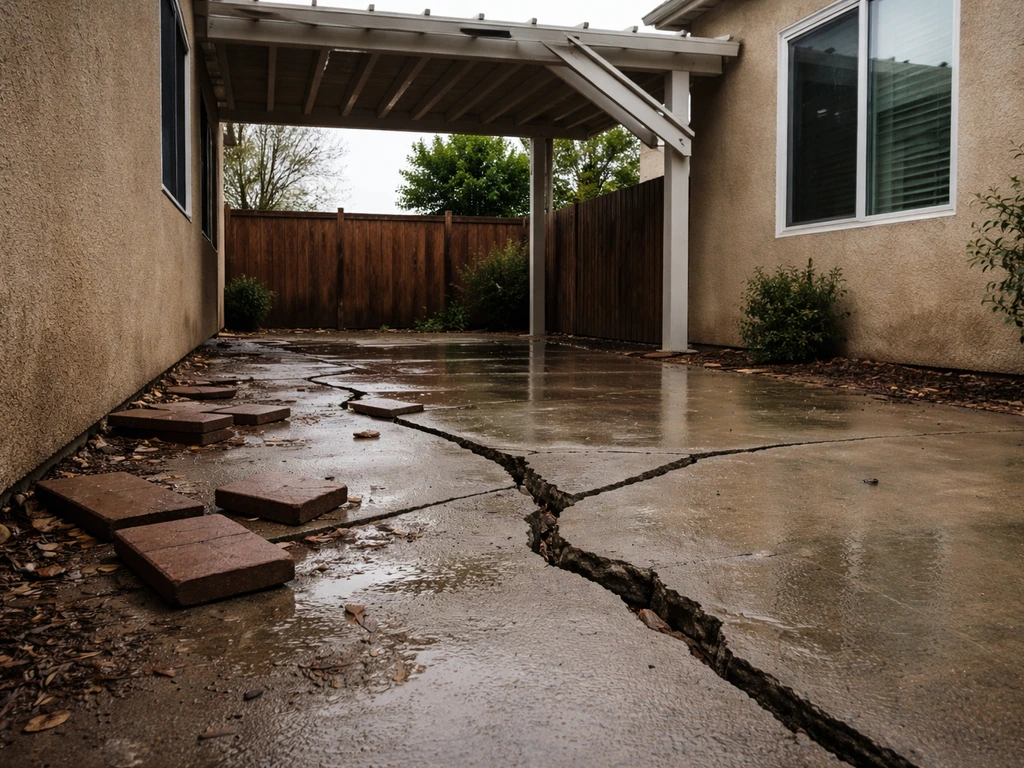
A standard fabric awning will handle light to moderate rain and keep your patio furniture dry during a passing shower. It won't protect against driving rain at an angle or sustained heavy downpours, and it definitely can't stay extended in high winds without risking damage. If you’re dealing with patio damage after a storm, it’s important to confirm whether homeowners insurance cover patio damage and whether the loss would be considered sudden and accidental. For serious all-weather coverage, you're looking at a different product category, like a solid aluminum or polycarbonate patio cover, or a full roof extension. If light rain protection is your primary goal, an awning is a reasonable option, but know its limits upfront.
Privacy
Awnings provide very little side privacy. They extend outward and provide overhead coverage, but neighbors to the side can still see your patio completely. If privacy is a top concern, screens, pergola curtains, or a screened enclosure will do far more for you. An awning is not a substitute for privacy fencing or a screened-in structure.
What you'll actually spend: upfront costs, maintenance, and lifespan
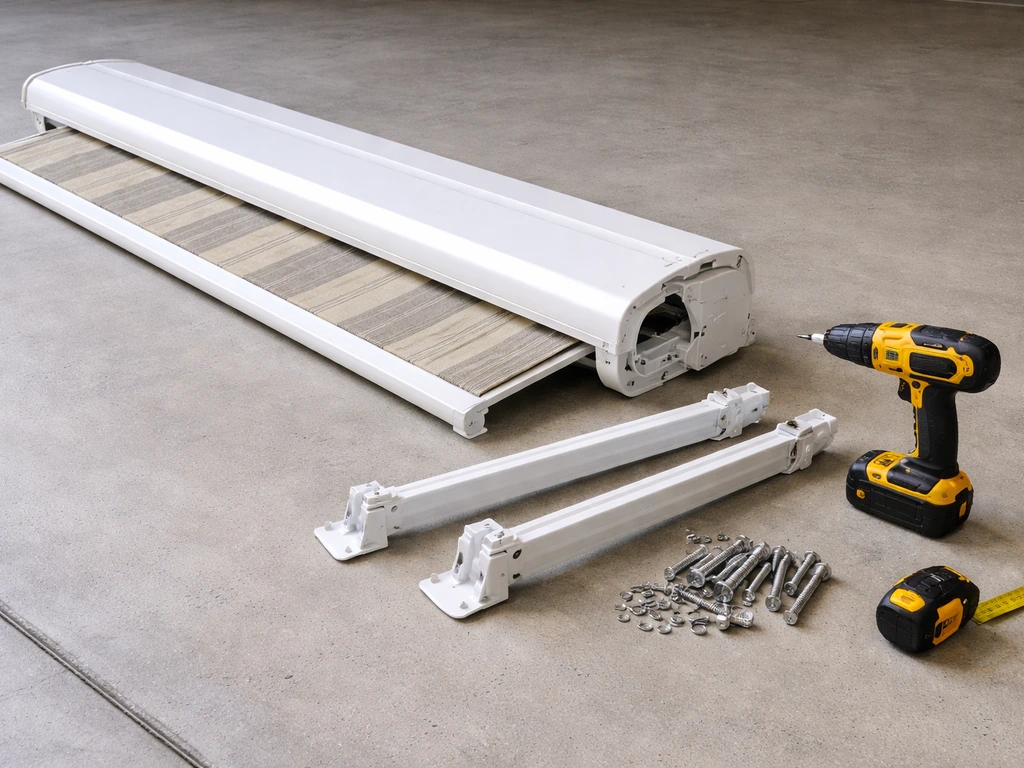
Awning costs vary widely based on size, type, and whether you're hiring an installer. Here's a realistic breakdown of what you're looking at in 2026.
| Awning Type | Typical Cost Range (Installed) | Expected Lifespan | Main Maintenance Needs |
|---|---|---|---|
| Basic retractable (manual) | $700–$1,500 | 5–8 years | Fabric cleaning, lubricate mechanism annually |
| Mid-range retractable (motorized) | $1,500–$3,500 | 8–12 years | Motor inspection, fabric care, sensor checks |
| High-end motorized with wind/sun sensors | $3,500–$6,000+ | 12–20 years | Annual servicing, fabric replacement at ~10 yrs |
| Fixed/stationary fabric awning | $400–$1,200 | 5–10 years | Cleaning, re-tensioning, eventual fabric replacement |
| Fixed aluminum or metal awning | $800–$2,500 | 20–30+ years | Minimal: occasional cleaning, check fasteners |
The big hidden cost people miss is fabric replacement. On a retractable awning, the frame often outlasts the fabric by years. Replacing the fabric on a 12-foot retractable runs $300–$800 depending on the material. Acrylic fabrics like Sunbrella-grade materials hold up the best and resist fading and mildew, while cheaper polyester blends can look rough after three to four seasons of UV exposure. If you're buying a budget awning with a low-quality fabric, factor in that replacement cost early.
Installation typically adds $200–$600 to the cost, more if your mounting surface requires special hardware, wall anchors into brick or stucco, or if an electrician is needed for a motorized model. Don't skip professional installation on motorized units or any awning over 12 feet wide. Improper mounting is the number one reason awnings fail structurally, and it can also cause damage to your home's fascia or siding.
Energy savings, comfort, and how much more you'll actually use your patio
The energy savings case for awnings is real, but it's climate-dependent. A DOE/OSTI technical study modeled residential buildings with operable awnings kept closed during April through September and found annual HVAC energy consumption dropped by 15% compared to a similar building without shading. For a prototype home of about 2,377 square feet, that translated to savings of up to 1,034 kWh per year. At an average US electricity rate of about $0.17 per kWh in 2026, that's roughly $175 per year, which means a $2,000 mid-range awning could pay for itself in energy savings in around 11 to 12 years, not counting the comfort value.
In hot climates like the Southwest or Southeast, those numbers look better. In mild climates like the Pacific Northwest or New England, the savings are smaller because you're not running AC as aggressively. Lawrence Berkeley National Laboratory also flags an important trade-off: exterior shading that stays up in winter will reduce passive solar heat gain, which can increase heating costs. LBNL also reports that blank" rel="noopener noreferrer">automated shading systems paired with lighting controls can deliver measured energy savings while helping manage glare and daylight, rather than focusing on awnings alone. Lawrence Berkeley National Laboratory notes that blank" rel="noopener noreferrer">exterior shading can substantially decrease cooling energy, but realized savings depend heavily on climate and seasonality and can increase heating energy. Retractable awnings solve this problem neatly because you roll them up October through March and capture winter sun.
Beyond the energy math, the comfort gain is harder to quantify but often more meaningful to homeowners day to day. A south- or west-facing patio without shade can hit surface temperatures 30 to 50 degrees Fahrenheit above air temperature in direct sun. Shade drops that dramatically and makes afternoon hours on the patio genuinely pleasant instead of unbearable. For families who barbecue, eat outside, or let kids play on the patio, that translates into hours of additional usable outdoor time per week from May through September.
Does an awning actually help your home's value?
This is where expectations need to be realistic. Awnings are generally considered a personal property enhancement rather than a permanent structural improvement, which means most appraisers won't assign them significant dollar value in a formal appraisal. A fabric retractable awning won't show up as a line item that raises your home's appraised value the way a finished deck or a new roof might.
That said, curb appeal is real and affects buyer perception. A well-maintained, attractive motorized awning on a clean patio can make the outdoor space feel finished and livable, which matters during showings. A faded, torn, or dated awning does the opposite and can actually be a negative. If you're planning to sell within two or three years, a cheap awning probably doesn't pencil out as an investment. If you're staying put, the value case is really about your own comfort and usability rather than resale. If you are deciding whether enclosing a patio adds value, it helps to compare how appraisers typically treat covered structures versus temporary shade products like awnings value case.
More substantial covered outdoor structures, like pergolas with roofing, full patio covers, or screened enclosures, tend to add more meaningful value and square footage perception than fabric awnings. If value impact is your primary motivation, those alternatives are worth a closer look.
When an awning is a great fit (and when it's not)
Awnings make the most sense in specific situations. Here's an honest breakdown of when they're the right call and when you should keep looking.
Good fits for a patio awning
- South- or west-facing patios that get direct afternoon sun for three or more hours daily
- Homes in hot climates (Southwest, Southeast, mid-Atlantic) where cooling costs are substantial
- Patios directly adjacent to the home with a solid fascia or wall for proper mounting
- Homeowners who want a flexible solution they can retract in winter or during storms
- Patios where budget doesn't support a full pergola or roof extension but shade is still needed
- Rental properties or situations where a less permanent solution is preferable
When an awning probably isn't the right choice
- High-wind areas (coastal, mountain, or open plains locations where sustained winds regularly exceed 20–25 mph)
- Patios with no solid structural wall or fascia for proper mounting, such as freestanding decks far from the house
- Patios facing north or east where direct sun exposure is minimal and the value case is weak
- Very deep patios where even a large awning won't cover the full area meaningfully
- Homeowners primarily seeking privacy rather than shade
- Climates with frequent hail, heavy snow loads, or ice storms that would require constant retraction and increase wear
The alternatives worth comparing
Before committing to an awning, it's worth knowing how it stacks up against the other common options in the same category. Each solves the shade and coverage problem differently.
| Option | Cost Range | Weather Protection | Permanence | Value Impact | Best For |
|---|---|---|---|---|---|
| Retractable fabric awning | $1,500–$6,000 installed | Shade + light rain | Removable | Low | Flexible shade on a budget |
| Fixed aluminum patio cover | $3,000–$10,000 installed | Full rain + shade | Permanent | Moderate | Year-round coverage, low maintenance |
| Pergola (open) | $4,000–$15,000 installed | Shade only (partial) | Permanent | Moderate–High | Aesthetic appeal, partial shade |
| Pergola with louvered roof | $8,000–$25,000 installed | Adjustable rain + shade | Permanent | High | Premium outdoor living rooms |
| Shade sail / canopy | $200–$1,000 DIY | Shade only | Temporary | None | Budget shade, freestanding areas |
| Screened enclosure | $6,000–$20,000+ | Rain + bugs + some shade | Permanent | Moderate–High | Bug-heavy climates, privacy needs |
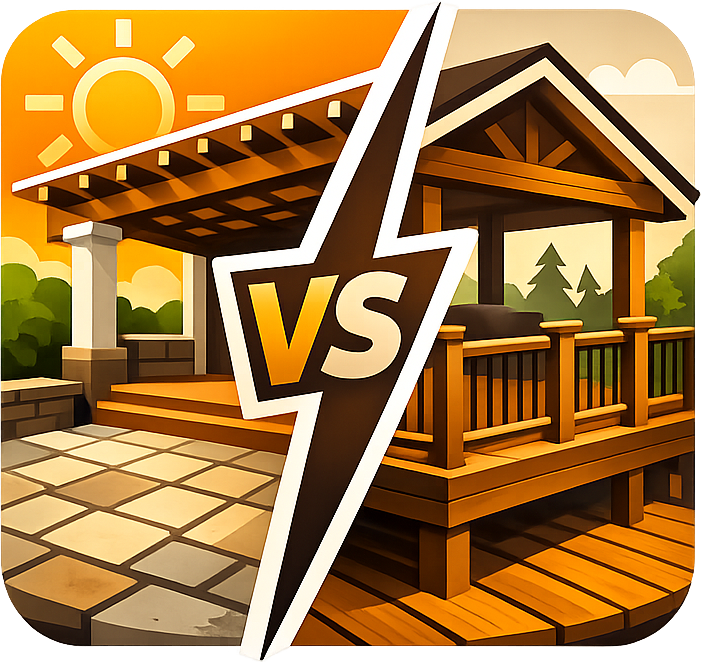
Pergolas deserve a special mention here because they're the most common upgrade homeowners consider alongside or instead of awnings. An open pergola provides filtered shade and a strong aesthetic, but doesn't actually stop rain. A louvered pergola with motorized roof panels does both, and adds significant perceived value to the outdoor space, though at two to four times the cost of a quality awning. If your budget stretches to $8,000 or more and you want a true outdoor room, a louvered pergola is probably a better long-term investment than a premium awning.
Shade sails are worth considering if you have a freestanding patio area that can't mount an awning to the house. They're inexpensive and surprisingly effective at blocking UV, but they're not structural, they pool water in heavy rain, and they need to come down in wind. They're a seasonal solution, not a year-round one.
Screened enclosures and full patio enclosures solve a different set of problems. If you're in a buggy climate or want true weather protection and privacy, those options are in a different category entirely. They also tend to add more measurable value to a home than fabric awnings do.
DIY vs professional install, and what to look for in a quality awning
Should you install it yourself?
Manual retractable awnings up to about 10 feet wide are genuinely DIY-friendly if you're comfortable working at height and using a drill. The main challenge is finding the structural mounting points and using the right anchors for your wall type. Brick and stucco require masonry anchors and a hammer drill. Mounting into wood fascia requires hitting a structural rafter, not just the fascia board itself, which is a common mistake that leads to failures. If you're not sure what you're mounting into, hire a pro.
Motorized awnings should almost always be professionally installed. Wiring a motor to a switch or smart home system requires at minimum a basic electrical connection, and larger motorized units are heavy enough (50 to 100+ pounds) that a two-person installation with the right equipment is genuinely safer. Improper electrical work on a motorized awning can also void the warranty.
What to look for in specs and quality
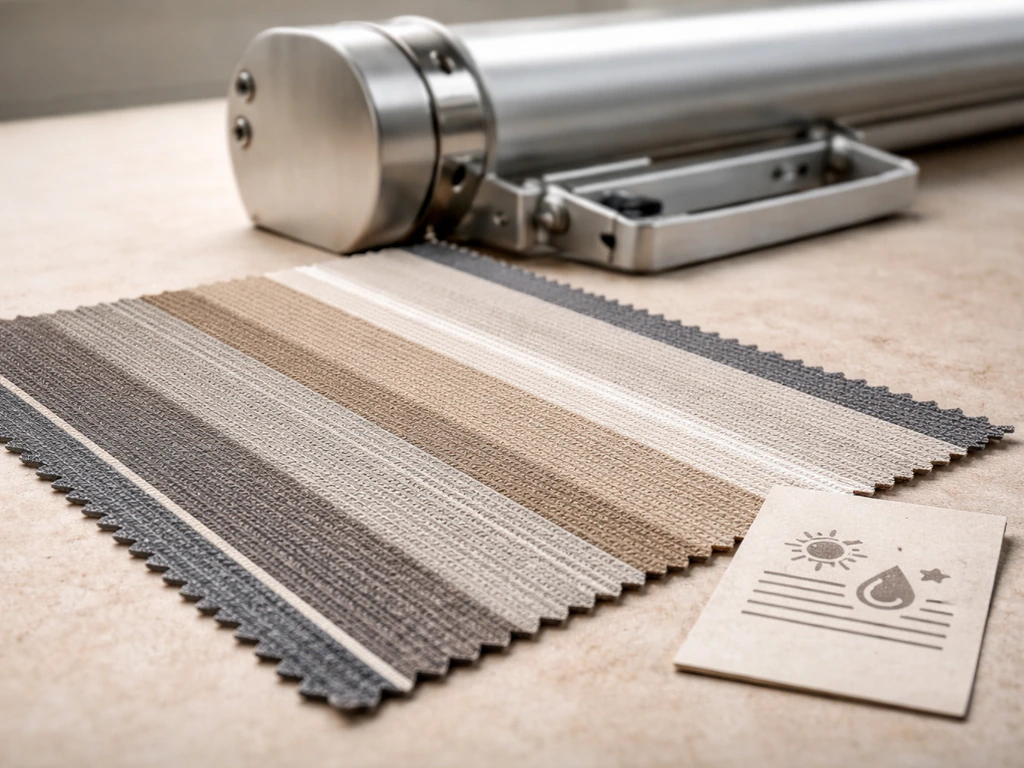
- Fabric grade: look for solution-dyed acrylic (Sunbrella and similar) rather than polyester or coated fabrics. Solution-dyed acrylic resists UV fading and mildew for 10+ years.
- Frame material: powder-coated aluminum frames outperform galvanized steel in coastal or humid climates. Avoid bare steel or thin-gauge aluminum on budget models.
- Wind rating: look for a Beaufort scale rating of at least Force 3–4 (12–18 mph) for basic models; Force 5 (19–24 mph) or better for motorized units in exposed areas.
- Projection depth: measure your patio depth before buying. Most residential awnings project 8 to 14 feet; you want coverage over at least your seating area plus a few feet of buffer.
- Wind and sun sensors: on motorized models, auto-retract sensors are worth the extra $200–$400. They protect the awning from storm damage and remove the need for manual retraction.
- Warranty: quality manufacturers offer 5+ year warranties on frames and 3+ years on fabric. Short warranties (1–2 years) are a red flag on higher-priced models.
- Mounting hardware: ask specifically whether the included hardware is rated for your wall type. Cheaper kits often include generic lag bolts that aren't appropriate for all surfaces.
The practical verdict and your decision checklist
For most homeowners with a south- or west-facing patio and a solid wall to mount to, a quality retractable awning is absolutely worth the investment. The combination of real comfort gains, reduced cooling costs, and additional usable outdoor hours during summer adds up quickly. The key is buying quality: a mid-range motorized awning with acrylic fabric and auto-retract sensors at $2,500–$4,000 installed will outperform and outlast two or three budget awnings over the same period.
If your budget is tight, a manual retractable or fixed awning in the $700–$1,500 range still provides real shade value, just be honest about the shorter lifespan and discipline required to retract it before storms. If your budget is flexible and you want something more permanent and higher-value, a louvered pergola or solid patio cover is worth the extra investment and will do more for your home's long-term appeal. A solid patio cover is often considered the more durable option if your main goal is long-term outdoor usability and curb appeal, but the cost is higher than an awning.
- Check your patio orientation: south- and west-facing patios get the most benefit. North-facing patios rarely need shading.
- Assess your wind exposure: if you regularly see gusts above 20 mph, prioritize a model with a high wind rating and auto-retract sensors.
- Inspect your mounting surface: confirm you have solid structural members to anchor into before buying. Get a pro to assess if you're unsure.
- Measure your projection needs: how deep is your patio seating area? Make sure the awning extends far enough to actually shade where you sit.
- Set a realistic budget including installation: add $300–$600 for professional install on top of the product price.
- Choose acrylic fabric over polyester: the upfront cost difference is small, the lifespan difference is significant.
- Decide on motorized vs manual: motorized is worth it for awnings over 10 feet wide or for anyone who won't consistently remember to retract manually.
- Compare one or two alternatives: get a quote for a basic aluminum patio cover or pergola alongside your awning quote before committing, especially if your budget is above $3,000.
FAQ
How do I know if an awning will actually fit my patio without blocking doors or walkways?
Start by measuring the patio depth from the wall to the farthest point you want covered, then add clearance for door swing and railings. Awnings also need space to retract without hitting gutters, downspouts, or ceiling lights, so confirm at both fully extended and fully retracted positions (including any wall-mounted trim).
Are patio awnings worth it in cold climates where I want winter sun?
They can be worth it, but you usually want retractable designs or seasonal control. Fixed shading can reduce winter passive solar heat gain, so plan to roll up from fall through early spring and only deploy during peak cooling months if you care about heating costs.
Do awnings help with privacy at all, or will neighbors still see everything?
Most fabric awnings provide overhead shade, but side views are largely unblocked. If privacy matters, plan on an add-on such as exterior screens, mesh privacy panels, or curtains designed for pergola-style framing, otherwise your patio will still be visible from the sides.
Can I leave a retractable awning out during storms or should I retract it every time?
Avoid leaving it extended during high wind or heavy rain. Even with auto-retract, strong gusts can damage fabric edges or pull hardware if the system is misconfigured or if power wiring is poor. In windy areas, treat wind sensors as helpful safety, not an excuse to ignore storm conditions.
What’s the biggest reason awnings fail over time?
Improper mounting and wrong anchor selection is the most common structural failure point. For brick, stucco, or masonry, the anchor type and embedment matter, and for wood fascia you generally need to hit structural members like rafters rather than attaching only to trim boards.
Is motorized really better, or is manual good enough?
Motorized is usually worth it if you regularly need to adjust the awning for changing sun or if retracting is inconvenient due to height or location. If you can safely retract before storms and you prefer lower upfront cost, manual can be a practical choice, but you should still prioritize quality fabric and reliable hardware.
Will a patio awning reduce my cooling bills in a way that matters to most homeowners?
It can, but the savings are tied to how much direct sun reaches your windows and how much you run AC. If you shade south or west glass during the April-to-September cooling season, the impact is more likely to be noticeable, while homes in milder climates may see comfort gains more than large dollar savings.
How often do I need to replace the fabric, and what affects lifespan?
Fabric replacement is the hidden recurring cost, budget models can look worn in about three to four seasons under UV. Material choice matters, acrylic tends to resist fading and mildew better than cheaper polyester blends, and regular cleaning reduces premature deterioration.
Does homeowners insurance typically cover damage to patio awnings?
Coverage depends on whether the damage is considered a sudden, accidental event and on your specific policy terms. Wind and storm damage may be covered, but there can be exclusions for wear and tear, improper maintenance, or gradual deterioration, so check your policy details rather than assuming coverage automatically.
Do patio awnings increase home value for resale, or are they mostly personal comfort?
They’re usually treated as a personal enhancement rather than a major appraisal-driven improvement. You may get more buyer interest and a better first impression if the awning looks clean and modern, but don’t count on a large appraisal lift, especially if you plan to sell soon after installing a budget unit.
Should I choose an awning or a pergola if I also want some rain protection?
If you need meaningful rain blocking, a louvered pergola with motorized panels generally outperforms fabric awnings, though it costs more. A standard awning is better for light to moderate showers and quick furniture protection, not for sustained or angled driving rain.
What’s a practical checklist for deciding if “are patio awnings worth it” applies to me?
Confirm direct sun exposure on your patio and the windows behind it, check mounting feasibility on a solid wall with correct anchors, evaluate wind conditions, and estimate both initial cost and fabric replacement. Then compare alternatives like shade sails (if you cannot mount) or solid covers/pergolas (if you want stronger weather and privacy) based on your top priority, comfort, weatherproofing, or resale appeal.
Does Homeowners Insurance Cover Patio Damage? What to Know
Get a clear yes/no on patio damage coverage, which causes qualify, what exclusions apply, and how to file a claim fast.