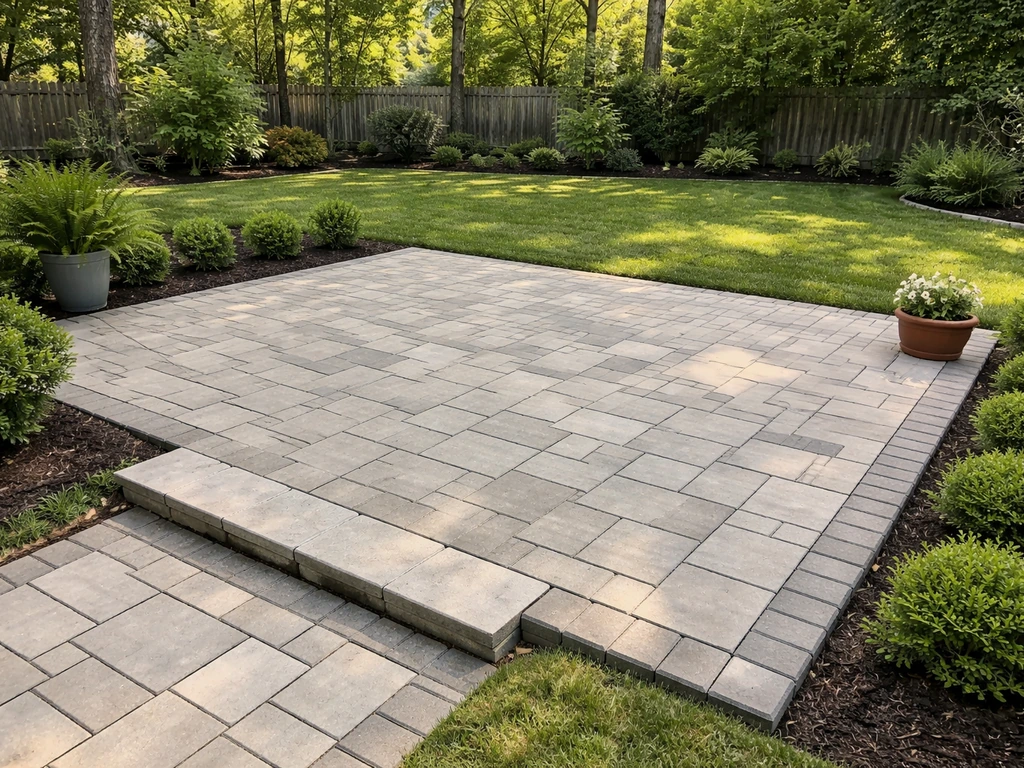
The right person to build your covered patio depends almost entirely on what kind of cover you want. If you're wondering whether Home Depot offers patio installation or professional help, it's worth checking their specific services in your area before you call contractors does home depot do patios. For a straightforward pergola kit, a handyman or deck contractor can handle it. For a solid roof attached to your house, you need a licensed general contractor or a dedicated outdoor structure builder who pulls permits, handles the ledger attachment, and manages roofing. For a retractable awning system, a patio cover specialty company is usually the best fit. The mistake most homeowners make is calling the wrong trade first, then losing weeks when that person can't finish the job.
Who Builds Covered Patios: Contractor Types, Costs, and How to Choose

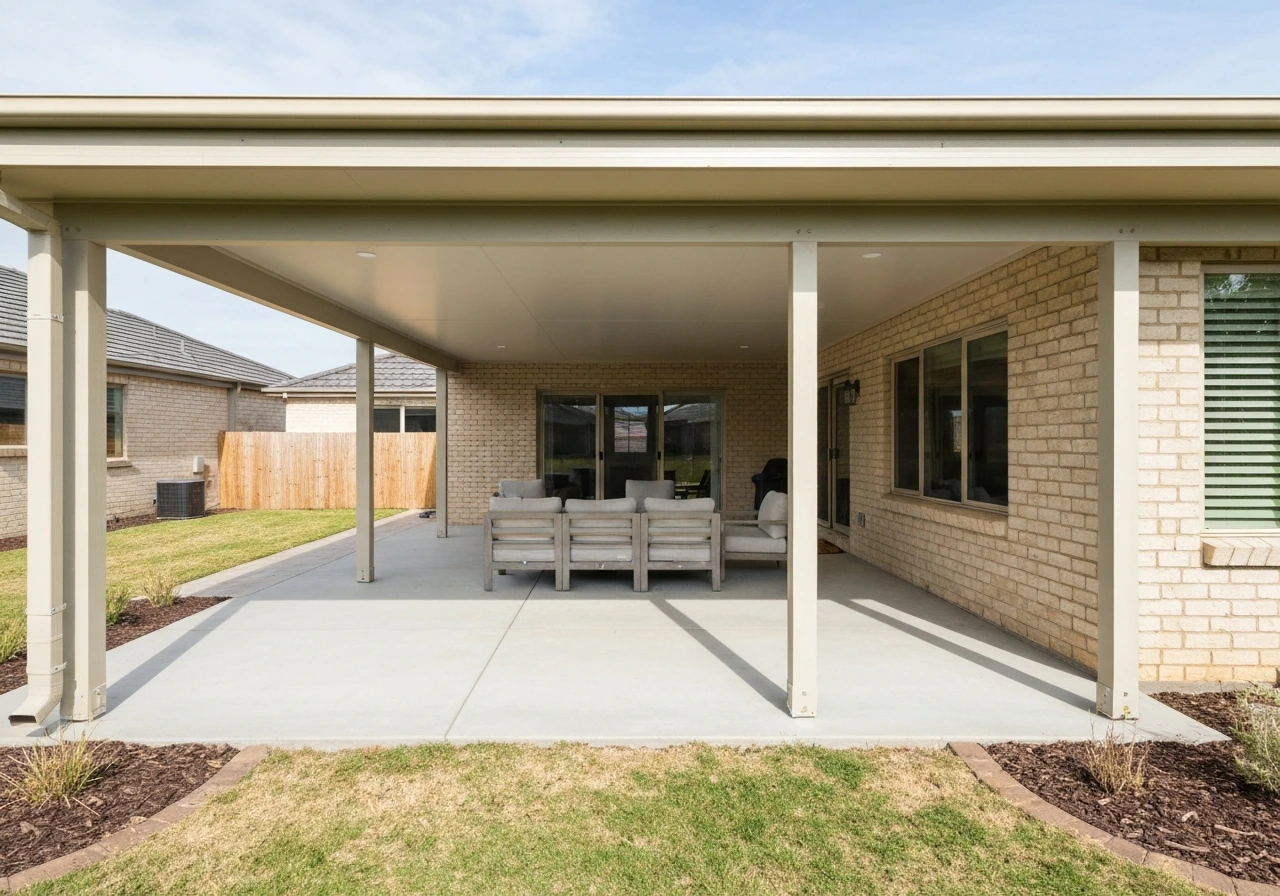
The main builder types who install covered patios
There are five types of contractors who build covered patios, and they don't all offer the same thing. Knowing the difference saves you time when you're making calls.
General contractors
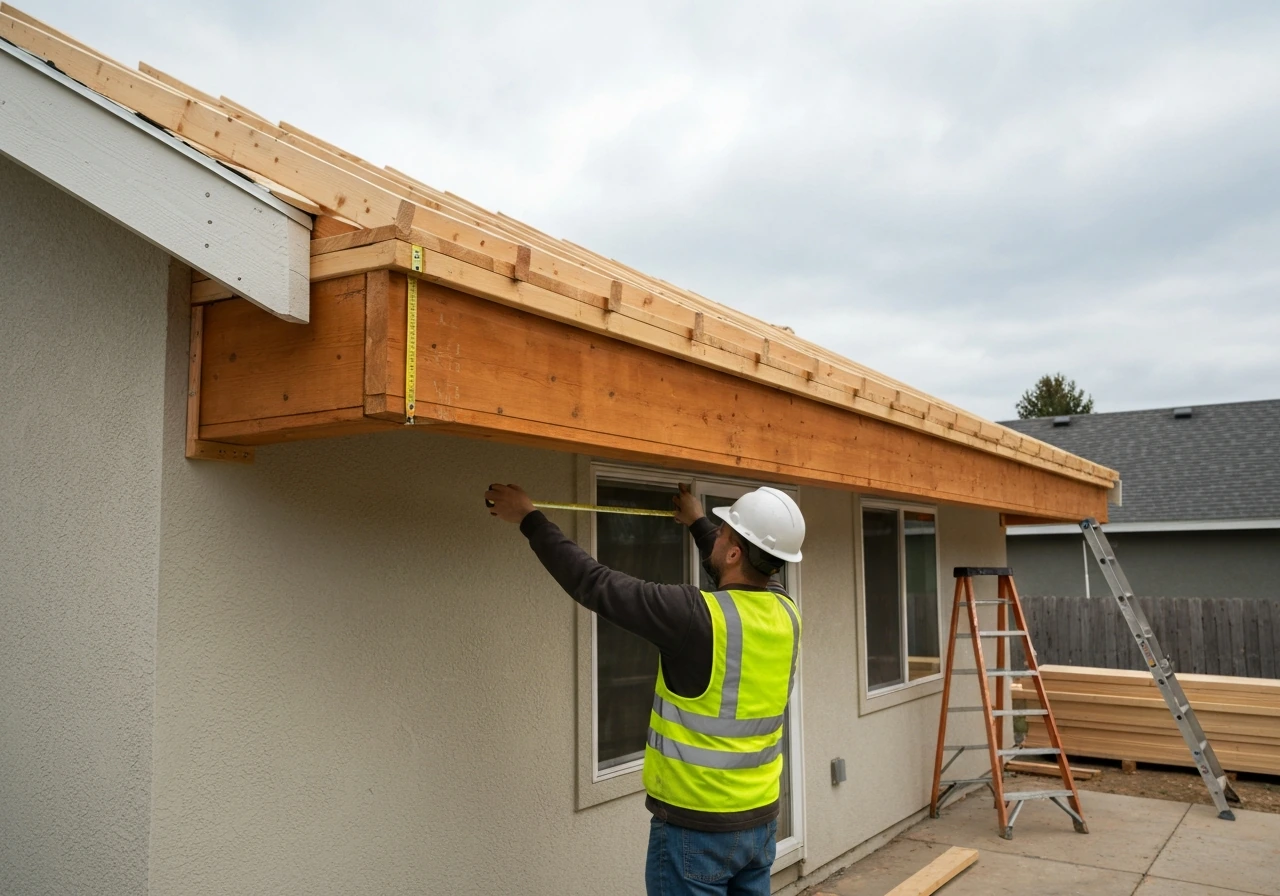
A licensed general contractor (GC) is the most capable option for complex attached covers, especially when the project involves tying into the home's roofline, adding a ceiling, running electrical, or modifying drainage. GCs coordinate subcontractors (concrete, framing, roofing, electrical) and own the permit process. They're the right call when you want a solid roof that matches your house, when the project is over 400 square feet, or when the design requires engineering. The trade-off: they're usually the most expensive and often have longer lead times.
Deck and patio builders
Dedicated deck and patio contractors are often the sweet spot for most covered patio projects. They specialize in outdoor structures, pull permits regularly, understand footing and ledger requirements, and often have preferred roofing materials they work with (wood framing with shingles, corrugated metal, polycarbonate panels). They're typically more affordable than GCs and faster to mobilize. Many also handle the concrete slab if you need one poured. Their limitation: complex electrical, HVAC, or full outdoor kitchen builds may need subcontractors they don't always manage in-house.
Patio cover and outdoor structure specialists
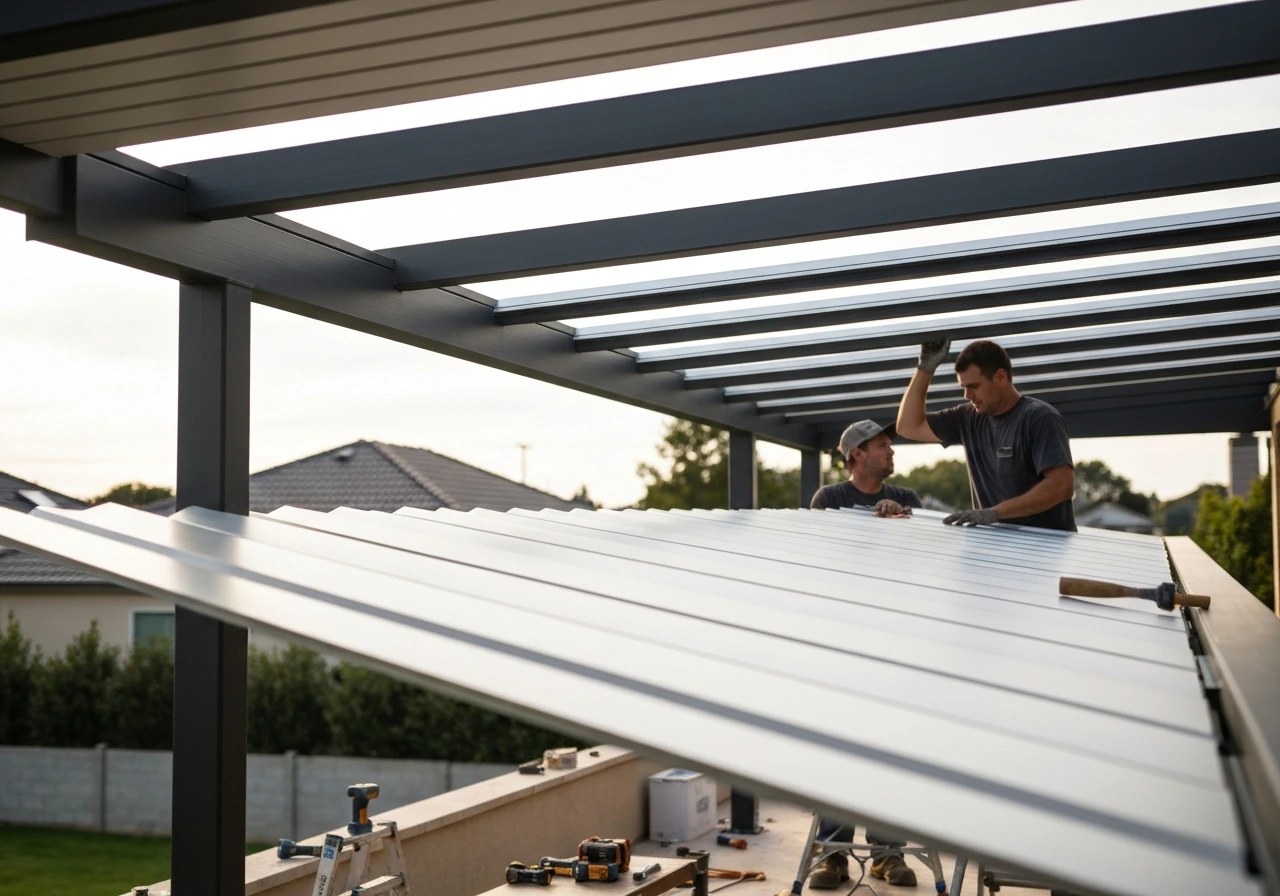
These companies focus exclusively on patio covers, pergolas, and screen enclosures. They sell and install specific product systems, like aluminum louvered roofs, vinyl pergola kits, or motorized awning systems. If you've seen a sleek aluminum pergola with adjustable louvers and integrated gutters, that likely came from one of these specialists. They know their product systems inside and out, often offer warranties tied to the manufacturer, and can quote fast. The limitation: they're system-specific, so if you want custom framing or a cover that matches your exact roofline, they may not be the right fit.
Awning and retractable cover installers
For retractable fabric awnings or motorized shade systems, awning companies are the go-to. These installs are faster (often one day), don't typically require permits in most jurisdictions, and cost significantly less than structural covers. They're a practical solution for renters or homeowners who want temporary shade without a permanent structure. What you give up: durability in wind and rain, and the feel of a real covered room.
Concrete and masonry contractors
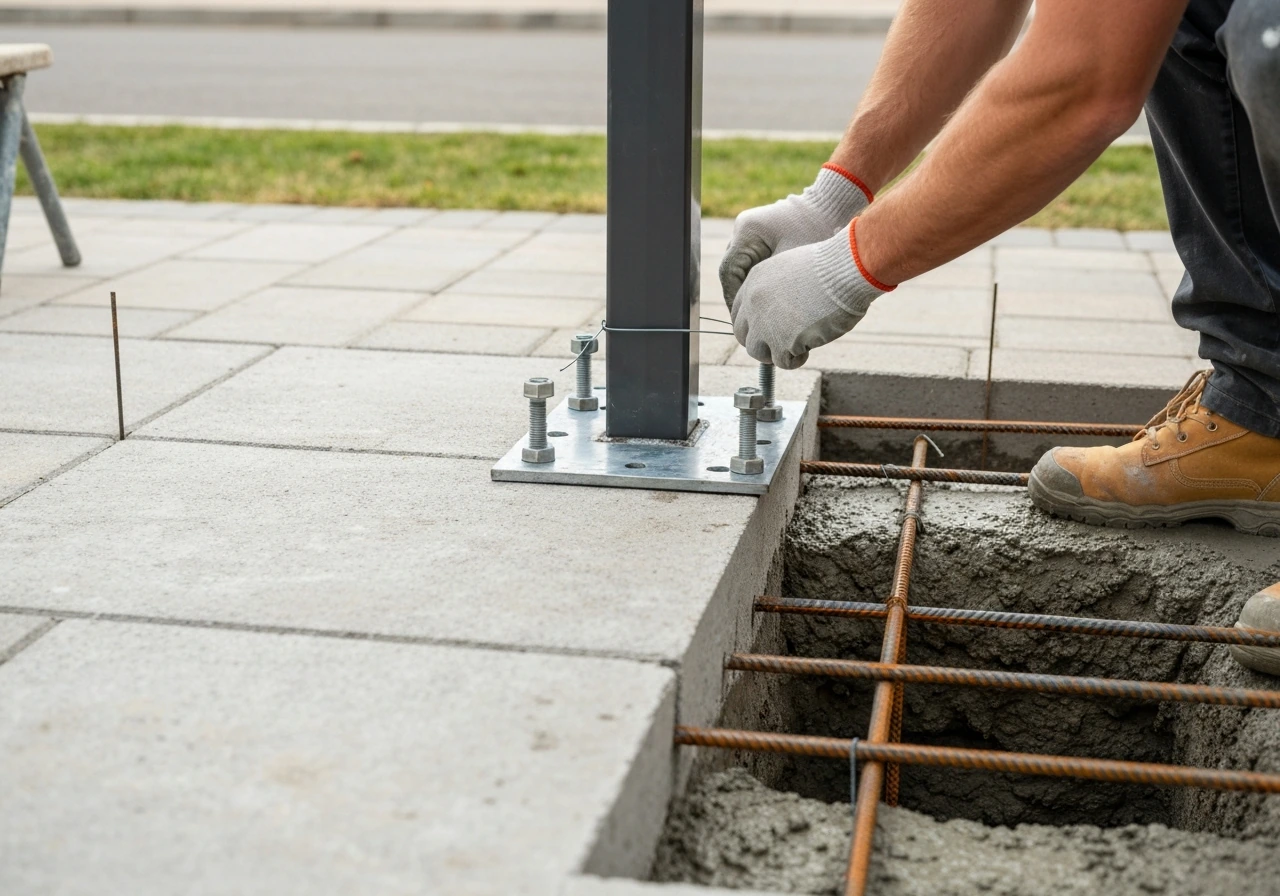
If your project involves a new concrete slab, stamped concrete, or stone/brick columns supporting the cover, you may need a concrete or masonry contractor as part of the team, either as a subcontractor to one of the above or as a standalone hire for just the slab portion. Some patio builders include concrete work; others sub it out. Ask upfront.
What each builder type actually handles
Not every contractor covers every part of a covered patio project. Here's a practical breakdown of what each type typically includes in their scope of work.
| Scope Item | General Contractor | Deck/Patio Builder | Cover Specialist | Awning Installer | Concrete/Mason |
|---|---|---|---|---|---|
| Permit pulling | Yes | Usually | Sometimes | Rarely needed | No |
| Concrete slab / footings | Yes (subbed) | Often included | Footings only | No | Yes |
| Structural framing | Yes | Yes | Product system only | No | Columns only |
| Ledger attachment to house | Yes | Yes | Sometimes | No | No |
| Roofing (shingles, metal, poly) | Yes (subbed) | Yes | Product-specific | No | No |
| Electrical / ceiling fans / GFCI | Yes (subbed) | Sometimes | Limited | No | No |
| Gutters / drainage | Yes (subbed) | Sometimes | Some systems | No | No |
| Screens / enclosure walls | Yes (subbed) | Sometimes | Often | No | No |
| Design / drawings | Yes | Basic plans | Product drawings | No | No |
One important distinction: the patio surface (slab, pavers, decking) and the cover (roof structure, pergola, awning) are separate scopes of work. Some contractors handle both; many handle only one. When you're getting quotes, confirm which part of the project is included.
Cost and timeline by cover style
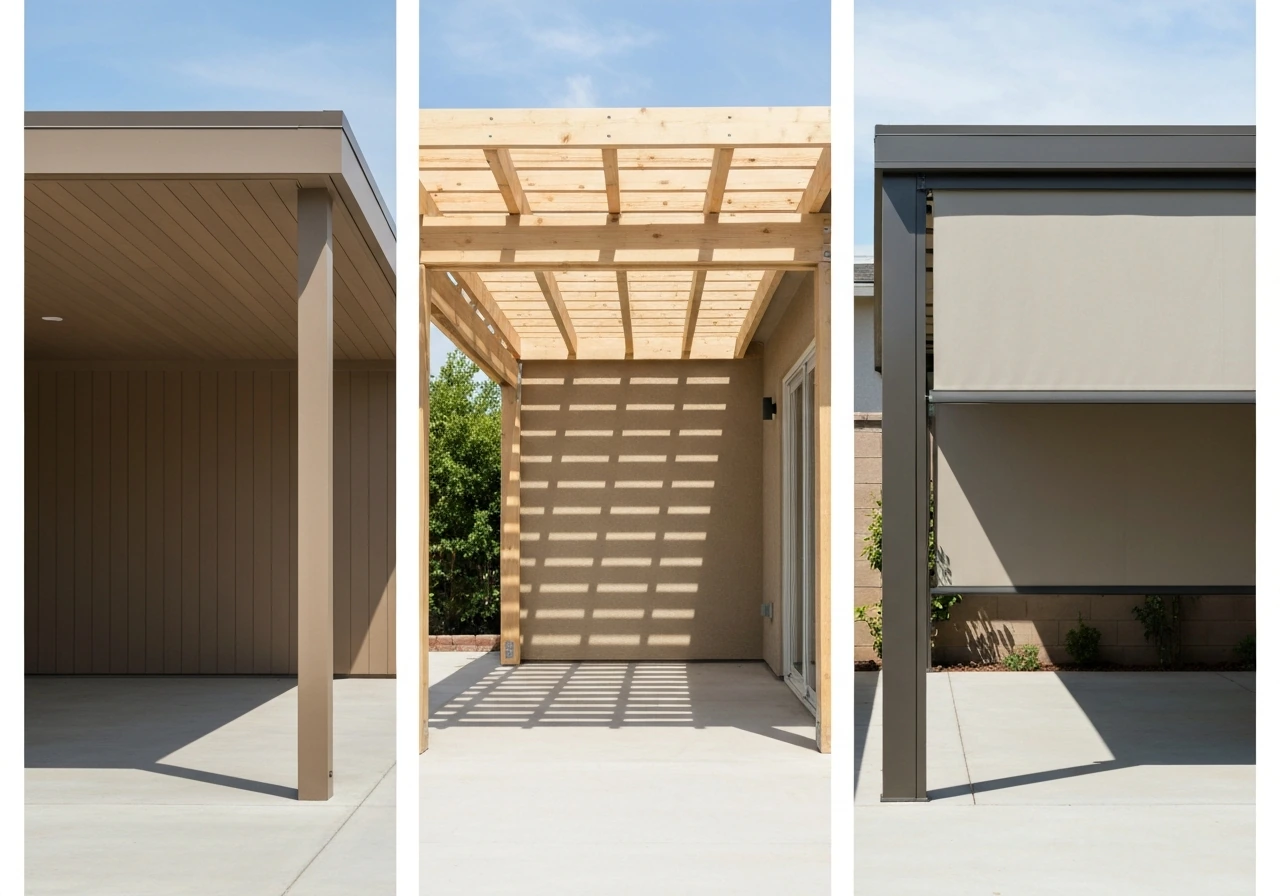
What you spend and how long it takes depends more on the type of cover than the contractor type. Here's a realistic comparison across the most common covered patio styles, based on typical project sizes of 200 to 400 square feet.
| Cover Style | Typical Cost Range | Timeline | Permit Usually Required? | Best Builder Type |
|---|---|---|---|---|
| Solid attached roof (shingles/metal, framed) | $8,000 – $30,000+ | 3 – 8 weeks | Yes | GC or deck/patio builder |
| Freestanding wood or aluminum pergola | $3,000 – $12,000 | 1 – 3 weeks | Often yes | Deck builder or cover specialist |
| Louvered aluminum roof system | $10,000 – $25,000 | 1 – 2 weeks | Sometimes | Cover specialist |
| Polycarbonate panel roof | $4,000 – $14,000 | 1 – 3 weeks | Often yes | Deck builder or cover specialist |
| Retractable fabric awning | $1,500 – $5,000 | 1 – 2 days | Rarely | Awning installer |
| Screen enclosure with roof | $8,000 – $20,000 | 2 – 5 weeks | Yes | Enclosure specialist or GC |
These ranges vary significantly by region, material quality, and site complexity. A simple pergola in a flat backyard will land at the low end. An attached solid roof with electrical, ceiling fans, and gutters in a permit-heavy metro area will hit the high end or beyond. Always get at least three quotes before committing to a number.
Permits: what actually gets required
Most structural patio covers require a building permit, and if you add electrical, that's a separate permit in most jurisdictions. Cities like Douglas County, Phoenix, and San Diego all require plan submittals that include a site plan showing setbacks and lot coverage, a roof framing plan with member sizes, species, spacing, footing locations, and (for attached covers) a ledger attachment detail showing how the cover ties to the house. San Diego's guidance also calls for elevations, cross-sections, connection details, and in some cases structural calculations. Phoenix's guidelines specify plot plans showing setbacks and roof framing layouts including wall locations. Some jurisdictions offer limited exemptions for small structures, for example San Diego notes that certain patio covers under 300 square feet of projected roof area may qualify for a permit exemption, but that varies by city and zone, so check locally before assuming you're exempt.
Electrical is a separate permit trigger in most cities. Las Vegas's building safety documentation, for example, explicitly states an electrical permit is required when electrical work is planned on a patio cover, and plan content must include a floor plan showing receptacle and lighting outlets, with GFCI required for all receptacles. If your contractor tells you they can add a ceiling fan and a couple of outlets without pulling an electrical permit, that's a red flag.
DIY vs hiring: when it actually makes sense to self-install
Some covered patio installs are genuinely DIY-friendly. Others will cost you more in mistakes than just hiring out. Here's an honest breakdown.
Reasonable DIY projects
- Freestanding pergola kits (wood or aluminum) on an existing slab, with no ledger attachment to the house
- Retractable awning systems with simple wall-mount brackets
- Shade sail installations using existing posts or walls
- Polycarbonate panel roofs on pre-built freestanding frames, where your jurisdiction allows it without a permit for small structures
If you're comfortable with basic carpentry, have a flat, prepped patio surface, and your local jurisdiction allows it without a permit, a freestanding pergola kit is a manageable weekend project for most homeowners. Many systems come with detailed instructions and require only basic tools.
When you should hire it out
- Any cover attached to the house structure (ledger attachment requires proper flashing, lag sizing, and often structural review)
- Projects that require permits and inspections (submitting permit documents yourself is possible but tricky if you've never done it)
- Anything involving new footings poured in the ground (footing depth and diameter are code-specific)
- Any electrical work, ceiling fans, or outlets (code requires permits and licensed electricians in most jurisdictions)
- Solid roofs that need to match your existing roofline or tie into gutters and drainage
The attached-vs-freestanding distinction is probably the single most important factor in the DIY decision. Attaching a cover to your house involves a ledger, flashing to prevent water intrusion, and in many cases structural calculations to verify your wall framing can handle the load. Getting that wrong causes leaks, rot, and liability issues. Hire it out.
How to choose and vet the right contractor
The hiring process for a covered patio isn't complicated, but there are a few specific things that matter more here than in other home improvement projects.
Credentials to verify before you sign anything
- State contractor's license: check your state licensing board's website directly, not just the contractor's word. License status, class, and any disciplinary history are all public.
- General liability insurance: ask for a certificate of insurance, not just a statement that they're insured. The certificate names you and shows coverage limits.
- Workers' compensation: if they have employees on site and something goes wrong, you don't want to be liable. Ask for the WC certificate too.
- Portfolio of completed covered patio projects: ask specifically for photos or references from similar builds, not just decks or general remodels.
- Permit-pulling history: ask if they pull permits themselves and whether they've done covered patio permits in your city specifically. Some jurisdictions have quirks that an experienced local contractor will already know.
Red flags to watch for
- Offering to skip the permit to save you time or money
- Asking for more than 30-40% upfront before work begins
- No written contract or vague scope of work
- Can't provide references from covered patio projects specifically
- Unlicensed or license doesn't match the scope (e.g., a roofing license only for a project that involves structural framing)
Questions to ask and documents to request
When you're sitting down with a contractor for a quote, these are the questions that actually matter for a covered patio project specifically.
- Will you pull the building permit, and is that included in your quote?
- Does this project require an electrical permit, and will you coordinate that?
- Who handles the footing design and ledger attachment detail if this is attached to the house?
- Do you carry general liability and workers' comp? Can you send me certificates before we start?
- Can you show me photos or put me in touch with homeowners from similar covered patio projects you've completed in the last two years?
- What's included in the warranty, and is it your warranty or the manufacturer's?
- What does your payment schedule look like, and what's the final payment tied to?
- How do you handle drainage and gutters from the cover?
- What's the realistic timeline from permit submittal to project completion?
On documentation, you want to see: a written contract with a defined scope of work and materials specified by brand/grade, a payment schedule tied to project milestones (not just dates), proof of licensing and insurance, and a copy of the permit once it's pulled. If a contractor resists providing any of these, that tells you something.
Your step-by-step plan to find the right builder today
Here's what to actually do right now, in order, so you're not spinning your wheels. If you’re looking for who can build a patio near me, start by matching your project type to the right builder so you get a quote that fits.
- Measure your space and define what you actually want. Write down the approximate square footage, whether you want the cover attached to the house or freestanding, what roofing style (solid roof, pergola, louvered system, awning), and whether you want electrical (fans, lights, outlets). This takes 20 minutes and makes every quote conversation faster and more accurate.
- Check your local permit requirements before you call anyone. Search '[your city] residential patio cover permit' or call your city's building department. Find out if permits are required for your size and cover type, and what the submittal documents need to include. This prevents you from getting advice from contractors who don't know your jurisdiction.
- Decide which contractor type fits your project. Solid attached roof with electrical: GC or experienced deck/patio builder. Pergola or louvered aluminum system: cover specialist or deck builder. Retractable awning: awning company. This narrows your search list.
- Get 3 to 5 quotes, not 1 or 2. Search for licensed contractors on your state's licensing board website, Angi, Houzz, or ask neighbors who've had similar work done. For each, confirm they pull permits and have covered patio experience specifically.
- Verify licenses and insurance before you meet. Check each contractor's license on your state board's site and ask for insurance certificates upfront. Eliminate anyone who pushes back on either.
- Compare quotes on scope, not just price. Make sure each quote covers the same items: permits, footings, framing, roofing material, ledger (if attached), drainage, and electrical if needed. A $4,000 spread between two quotes might mean one includes permits and the other doesn't.
- Review the contract carefully before signing. Confirm the scope is written out, materials are specified, the payment schedule is milestone-based, and you'll receive a copy of the permit once pulled. Don't pay more than 30-40% upfront.
If you're still deciding whether a covered patio is the right project, it's worth knowing that patio covers are just one part of the broader covered outdoor structure decision. If you're wondering whether you can go through does Lowe's build patios for installation, check what services they offer in your area and whether they subcontract the build. Depending on your goals, you might also be comparing options like full porch enclosures or deck covers, which involve different contractor types and permit paths. But if a covered patio is what you want, the plan above will get you from idea to contractor in a week or less.
FAQ
Can a handyman build a covered patio, or should I always hire a contractor?
A handyman can be appropriate for freestanding pergola kits and clearly simple structures, but they should be licensed and insured for the specific work in your jurisdiction. If the cover is attached to your house, involves a ledger, roof flashing, or any electrical, a handyman is often the wrong first call because the permit and waterproofing details are high-risk.
Who should I hire if I want a covered patio with lights, ceiling fans, and outlets?
Choose a patio contractor who regularly installs electrical, or hire a contractor for the structure and an electrician for the wiring. In many cities, electrical is a separate permit, so ask who will pull it and confirm the contractor will provide the rough-in and outlet plan details that the electrical permit requires.
Do I need a permit for an awning or retractable shade, and who handles it?
Many jurisdictions treat retractable awnings as less regulated than structural roof covers, but exemptions vary by city, size, and whether the system is wall-mounted. Ask your installer whether they pull any permits and what documentation they provide, especially if you live in an HOA or a wind-prone area.
If my patio cover is over 400 square feet, does that automatically mean I need a general contractor?
Not always, but larger or more complex attached covers often require engineering, more trade coordination, and detailed permit submittals. If the design includes custom roof tie-in, significant drainage changes, or complex electrical, a licensed general contractor is the safer bet for managing the full process.
How do I tell whether the contractor quote includes the patio surface or only the cover?
Ask for a line-item scope that separates the patio surface (slab, pavers, decking) from the cover (roof structure, pergola framing, awning system). Confirm whether concrete forming and flatwork are included, whether leveling and grading are part of the job, and what materials brands or grades are specified.
What should I check in a patio contract before signing?
Look for a written scope that names the cover type and material specifics by brand and grade, a milestone-based payment schedule, and proof of current licensing and insurance. Also require the permit handling plan in writing, and verify whether change orders are priced per hour, per material, or as a fixed add-on.
If the contractor says they can attach the cover without modifying the house, is that a red flag?
It can be. Attached covers typically require ledger attachment and flashing to manage water. If they avoid those details, you may be heading toward leaks or concealed framing issues, and you should request the ledger and connection details included in the plan submittals.
Who should I hire if I only need a concrete slab, stamped concrete, or masonry columns?
You can hire a concrete or masonry contractor for the foundation portion and coordinate with your patio builder, or use a builder that includes concrete in their scope. Ask specifically whether the slab includes rebar, thickness, slope/drainage, and how long the contractor schedules curing time before installing the cover.
What’s the quickest way to find out if my project type matches the contractor I’m calling?
Before you book a site visit, ask three direct questions: what cover types they regularly install (solid roof vs pergola vs awning), whether they handle permits for that exact type, and whether they can provide examples of similar projects with the same attachment method (freestanding vs attached). Their answers usually reveal fit within minutes.
What if my city offers a small-structure permit exemption, can I skip permits?
Don’t assume exemptions apply to you. Exemptions often depend on projected roof area, setback rules, and local definitions, even when the structure seems small. Ask the contractor to confirm the exemption applicability for your address and zone, and get that confirmation documented.
Are patio fans, heaters, or outdoor-rated wiring treated differently than standard interior installs?
Yes. Outdoor-rated fixtures, proper grounding, and weatherproof connections matter, and that can affect electrical permit requirements and inspection details. Ask whether the contractor/electrician specifies outdoor-rated components and whether they plan for service access and code-required GFCI protection where outlets are installed.
How can I avoid delays if my contractor says they need materials that have long lead times?
Ask up front for the lead time for the exact cover system components (roof panels, posts, brackets, motors for retractable systems) and whether substitutes are allowed. Also confirm how changes are handled if the manufacturer updates parts, and whether the payment schedule releases funds only after critical components are on hand.
Does Home Depot Do Patios? Install, Build, and Costs
Find out if Home Depot installs or builds patios, what’s included, typical costs, and how to verify service by location.