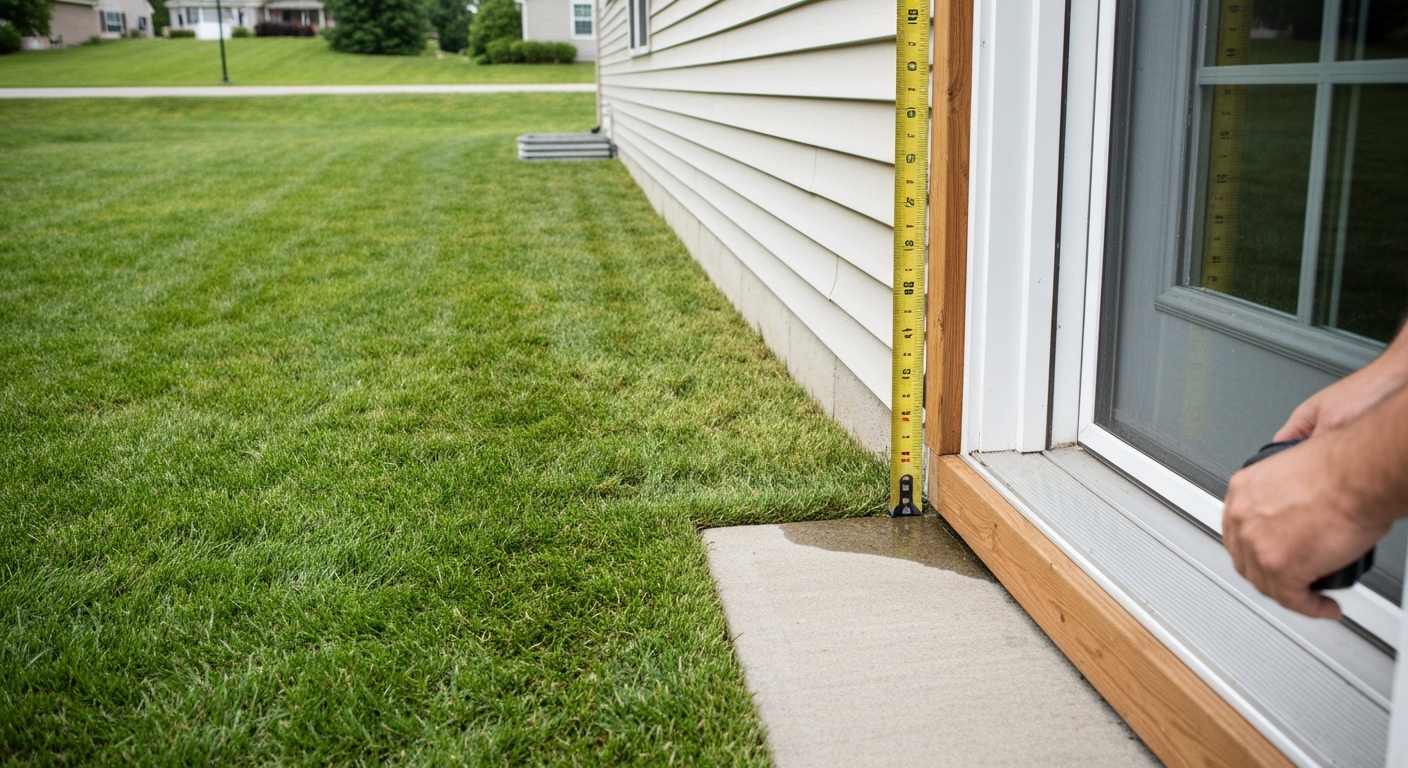
Yes, building a patio on top of a garage is absolutely feasible for many homes, but it requires a real structural assessment first. The garage roof must be able to handle a minimum 40 psf live load plus the dead load of whatever surface you're installing, the existing framing often needs upgrades, and you'll need a proper waterproofing system underneath your walking surface or you'll be dealing with leaks into the garage within a few years. If your garage has a flat or low-slope roof and sits directly below a usable outdoor space (think detached garage next to a second-floor living area, or an attached garage beside a bedroom), you're in a solid position to explore this seriously.
Garage With Patio on Top: Build, Cost, Loads, and Codes Guide

Miles Hart
13 May 2026
What a garage-top patio actually is (and what it isn't)
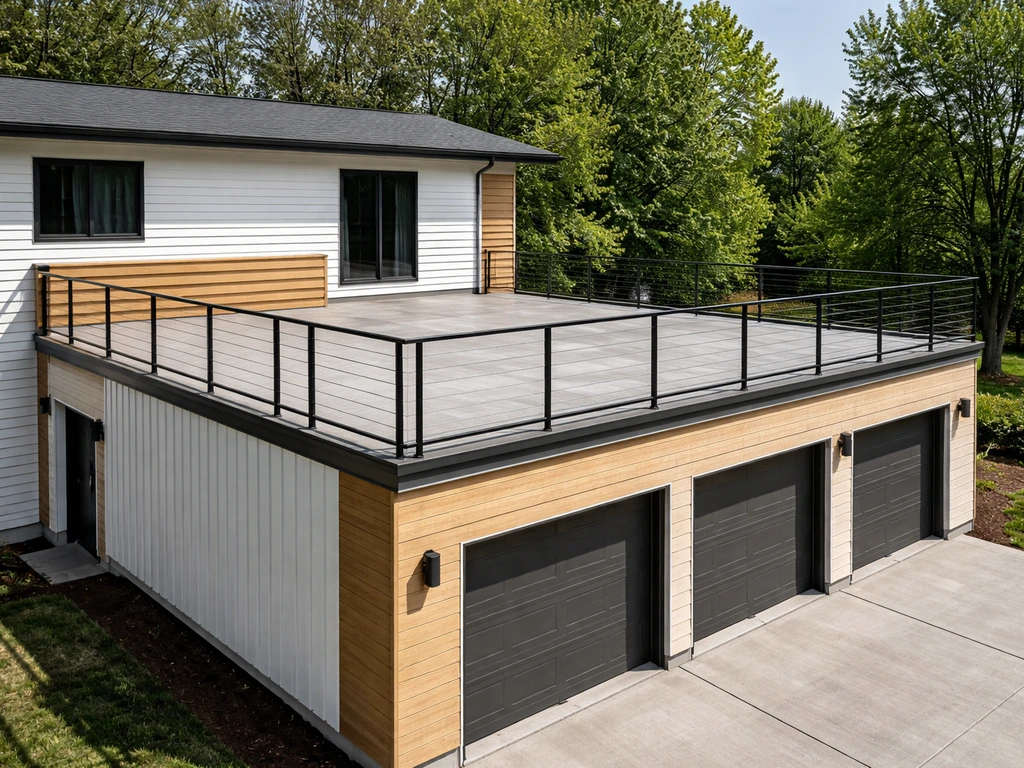
A garage-top patio is an outdoor walking surface built directly on top of a garage roof structure. The garage roof doubles as the structural floor of the patio. It's functionally similar to a rooftop deck or a second-floor patio, but the defining feature is that the livable space below is a garage, which introduces specific concerns around waterproofing, fire separation, and structural loading that you wouldn't face with a ground-level patio.
It's worth being clear about what this isn't. A balcony projects outward from the house and hangs over open air, supported by the house framing or cantilevered beams. A freestanding patio is built on grade. A carport-top patio has a similar concept but typically involves a lighter, open structure below rather than a full enclosed garage. A carport with patio on top uses the same general concept, but with a lighter support structure under the patio surface carport-top patio. A garage-top patio is specifically a fully supported deck or patio surface sitting on top of an enclosed structure, which means the roof system below has to be both structurally sound and completely watertight.
The practical reason homeowners pursue this is almost always space. If you have a detached garage in the backyard, the roof represents a flat, raised outdoor area that's otherwise wasted. Attached garages next to second-floor rooms are another common scenario where a garage-top patio creates an outdoor extension of the living space. Both are legitimate project types, though the details of access, drainage, and code compliance will differ.
Feasibility check: structure, spacing, access, and drainage
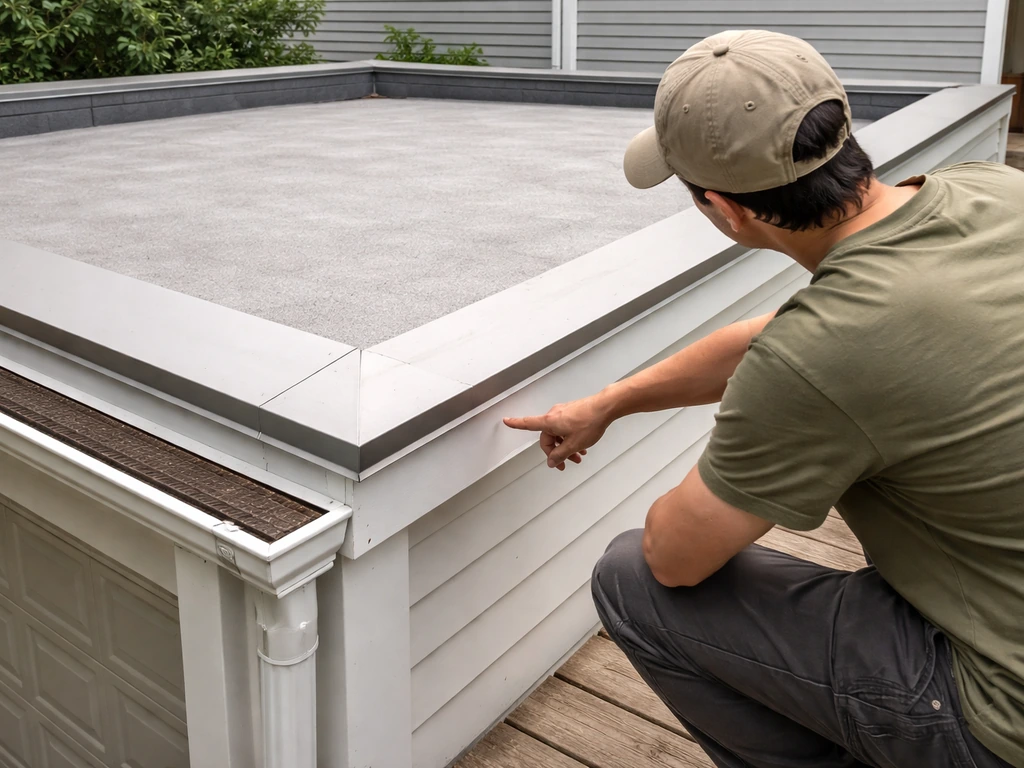
Before you spend any money on design or permits, do a quick site assessment. Four things tell you whether this project is realistic for your home:
Roof structure type
This is the make-or-break item. Garages built with engineered trusses are almost never candidates without major structural work. Trusses are designed to carry roof load only, and adding a live load of people and furniture on top would require replacing or supplementing the entire framing system. Garages with stick-framed flat or low-slope roofs (built with standard lumber joists) are much more workable, because the framing can often be evaluated and upgraded to carry patio loads. A structural engineer will check joist sizing, span, and bearing conditions. If your garage has a peaked truss roof, the conversation typically ends there unless you're planning a full rebuild.
Roof slope and drainage direction
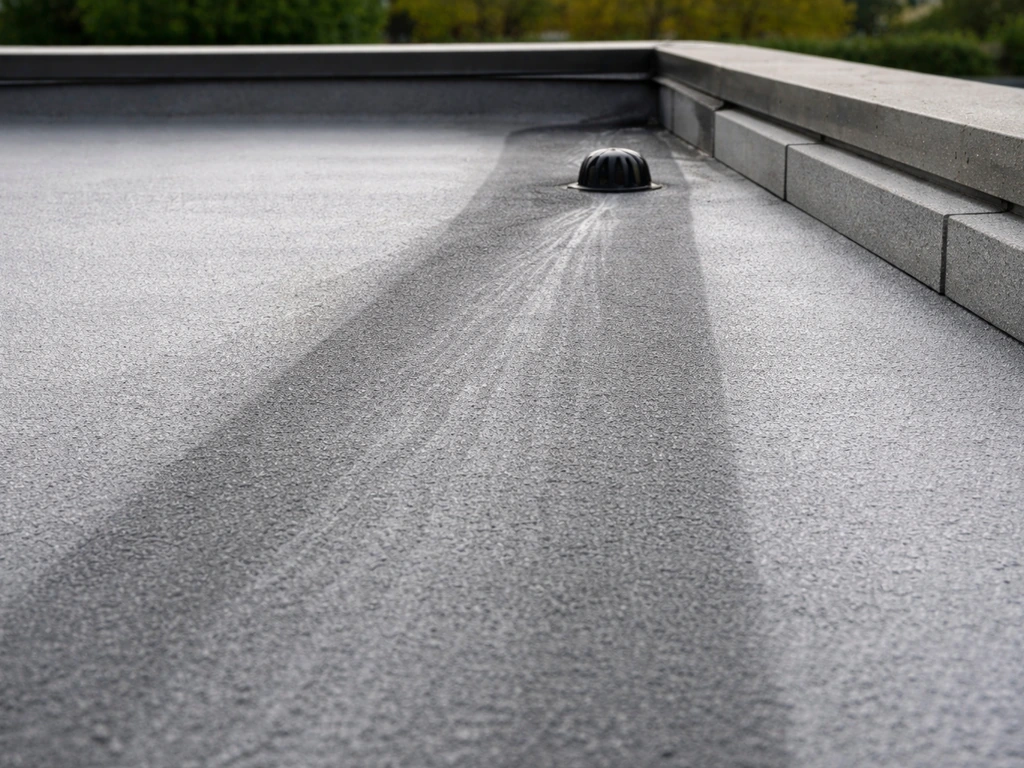
A garage-top patio works best on a flat or very low-slope surface. The waterproofing system needs a minimum slope of 1/4 inch per foot toward a drain or the roof edge to prevent standing water. If your garage roof currently drains toward the house or toward a neighboring property, that drainage path has to be addressed in the design. You may also need to consider whether there should be a gap between the patio and the house so water can be managed correctly at that interface gap between patio and house. This sometimes means building in a slight slope with a self-leveling underlayment or tapering the deck system, which adds cost but is non-negotiable for long-term performance.
Access and headroom
How do you get up there? Stairs are the standard answer, but they need space and they need to meet code. A stair run typically requires at least 36 to 42 inches of clear width and a landing at the top, which affects how much of the roof area you actually have available for the patio itself. If the garage-top patio is adjacent to a second-floor door, that's ideal. If not, you're adding an exterior stair structure that has its own permit requirements and cost. Interior access through the garage ceiling is technically possible but rarely code-compliant as a primary egress.
Privacy and neighbors
A raised patio on a garage gives you a new vantage point, which sounds great until you realize you're looking directly into a neighbor's yard or bedroom window. Check sightlines before committing to the design. A well-placed privacy screen or pergola can solve this, but it adds to the structural load and cost calculation.
Structural and safety essentials: loads, railings, and protection
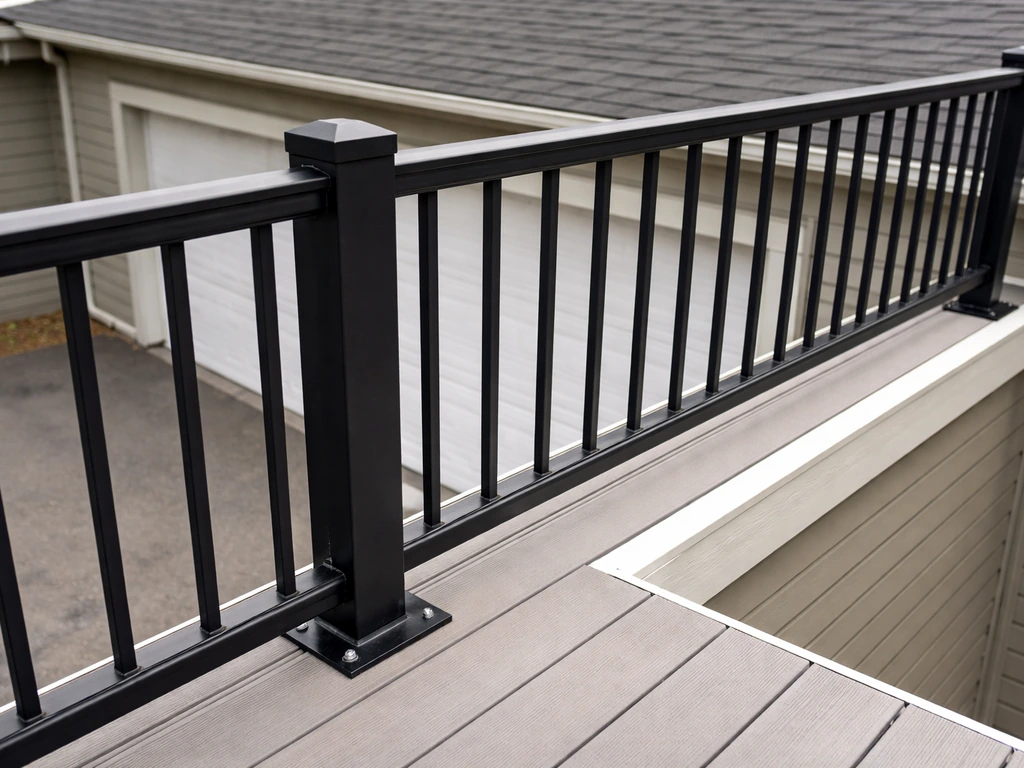
The IRC residential deck design standard treats decks as needing a minimum 40 psf live load (people, furniture, gatherings) plus a 10 psf dead load for the structure and surface materials themselves.
JLC Online’s 2021 deck code highlights also discusses how IRC deck live-load provisions (such as a 40 psf residential concept) are tied to deck design tables, including expanded coverage in newer IRC editions the IRC residential deck design standard treats decks as needing a minimum 40 psf live load. That 50 psf combined load is the baseline your garage framing needs to carry.
In snow regions, ground snow load also factors in and can push design loads significantly higher depending on where you live. A structural engineer uses beam and joist span tables, specifically something like IRC Table R507. 5(1) for beam sizing at 40 psf live load, to verify whether existing framing works or needs upgrading.
Railings are required any time your walking surface is more than 30 inches above the grade below. For a garage-top patio, you're almost certainly above that threshold, which means guards are not optional. The IRC sets a minimum guard height of 36 inches for residential applications, though many local jurisdictions require 42 inches, so check your local code before designing. Openings in the railing infill must pass the "4-inch sphere" rule: no opening large enough for a 4-inch diameter sphere to pass through, which rules out standard horizontal rail spacing in most configurations.
Fire separation is another consideration specific to garages. Because a garage is classified as a hazardous occupancy (vehicles, fuel, combustibles), the ceiling of an attached garage typically must maintain a fire-rated separation from living spaces above. If your patio is above an attached garage and you're creating access from interior living space, your building department will likely scrutinize the floor/ceiling assembly for fire separation compliance. This doesn't usually kill the project, but it can require specific materials or details in the framing and ceiling assembly.
Material and system choices that prevent leaks
This is where garage-top patios succeed or fail over the long term. The waterproofing system under your walking surface is the most critical decision you'll make on this project. Get it wrong and you're pulling up your patio in five years to fix a leaking garage ceiling.
Waterproofing membrane systems
For a deck over occupied space, IBC Section 1507.1 requires an approved waterproofing system. The practical options for residential work fall into a few categories: liquid-applied membranes, torch-down modified bitumen, and EPDM or TPO sheet membranes. For walking decks specifically, you need a traffic-bearing membrane, meaning it can handle foot traffic without cracking or delaminating. Products with formal ICC-ES evaluation reports, like those evaluated under ESR-3672, are what you want to bring to a permit application because the inspector knows exactly what system is approved and under what conditions. These systems are typically applied over plywood sheathing and must maintain that 1/4 inch per foot drainage slope.
Flashing and transitions
Every waterproofing expert will tell you the same thing: the membrane itself rarely fails. Leaks happen at transitions, where the membrane meets a wall, a post base, a drain, or a door threshold. Membrane turn-up height at walls (typically a minimum of 8 inches above the finished deck surface), proper integration with through-wall flashing, and waterproof post bases are the details that separate a 20-year deck from a 5-year problem. If a contractor's proposal doesn't specifically call out flashing details and membrane terminations, ask about them directly.
Deck flooring options over the membrane
Once the membrane is down and inspected, your flooring choice sits on top of it. The most common options are composite decking on sleepers (pressure-treated or composite sleepers laid directly on the membrane), porcelain or concrete pavers on pedestals, and poured concrete with a decorative finish. Each has trade-offs:
| Flooring Type | Weight (approx. psf) | Maintenance | Cost Range | Best For |
|---|---|---|---|---|
| Composite decking on sleepers | 3–5 psf | Low | $20–$40/sq ft installed | Lighter structures, residential look |
| Porcelain pavers on pedestals | 12–18 psf | Very low | $25–$50/sq ft installed | Modern look, easy membrane access |
| Poured concrete (stamped/finished) | 30–40 psf | Medium | $15–$30/sq ft installed | Durable, integral to structure |
| Natural wood decking on sleepers | 3–5 psf | High | $20–$35/sq ft installed | Traditional look, requires more upkeep |
Paver systems on pedestals have a practical advantage that's often overlooked: they let you lift individual pavers to inspect and repair the membrane underneath without tearing up the whole deck. For a long-term maintenance perspective, this is worth paying attention to.
Permits, code basics, and when you need a structural engineer
A garage-top patio almost always requires a building permit. It involves structural work, changes to an exterior surface, new railings, and possibly electrical (lighting, outlets) or drainage modifications. Trying to skip the permit creates real problems when you sell the house, and it leaves you with zero protection if the structure fails or causes a leak.
You'll need a structural engineer any time you're modifying or relying on an existing structure that wasn't originally designed for the new load. For most garage-top patio projects, that means getting a letter or stamped drawings from an engineer confirming the existing framing is adequate, or specifying what upgrades are needed. Some jurisdictions will accept contractor-prepared drawings for simple projects, but if there's any framing modification involved, stamped engineering drawings protect you and satisfy the permit reviewer much faster. The cost of a structural engineer consultation typically runs $500 to $1,500 depending on your area and the complexity of the work, which is inexpensive insurance given the total project cost.
Building codes for elevated patios and decks also tie into the broader rules around drainage slope and waterproofing inspection. Some inspectors will want to see the membrane installed and inspected before flooring goes down, so plan your construction sequence to allow for intermediate inspections. This is similar to the considerations that come up with any elevated patio, whether it's a second-floor deck or an elevated covered porch, where drainage direction and membrane integration are critical checkpoints.
Cost breakdown and realistic DIY vs contractor scope
Garage-top patio costs vary widely based on size, structural condition, and finish choices. A basic install on a structurally sound garage with a simple waterproofing membrane and composite decking might start around $30 to $60 per square foot. Frey Roofing and Lumber notes that simple garage-top deck scenarios may start around $30, $60 per square foot, while more complex installs can exceed $150 per square foot might start around $30 to $60 per square foot. Projects that require structural framing upgrades, premium waterproofing systems, drainage work, stairs, and premium finishes can reach $100 to $150 per square foot or more. For a 400 square foot garage roof, that's a realistic range of $12,000 to $60,000 depending on scope.
Labor typically accounts for 30 to 40 percent of the total project cost. That proportion is higher on waterproofing-intensive work because the membrane application requires skill and quality control that directly affects long-term performance.
What you can realistically DIY
If you have construction experience, some parts of this project are accessible as DIY work: framing a stair, installing composite decking or pavers over an already-waterproofed surface, building the railing system, and finishing work like lighting or planters. The waterproofing membrane itself is where most experienced builders recommend hiring a professional. A properly installed traffic-bearing membrane requires careful prep, specific primer applications, and correct detailing at all transitions. One missed turn-up or improperly integrated drain can mean a failed deck in a few years. The savings on DIY membrane work rarely justify the risk.
Typical cost line items

- Structural engineer consultation and drawings: $500–$1,500
- Permit fees: $200–$1,500 depending on municipality and project size
- Framing upgrades (if needed): $2,000–$8,000
- Waterproofing membrane system (professionally installed): $8–$20 per square foot
- Deck flooring and sleepers or pavers: $15–$50 per square foot depending on material
- Railing/guard system: $150–$400 per linear foot installed
- Stairs (exterior, wood or metal): $1,500–$5,000 per stair run
- Drainage modifications: $500–$3,000
Maintenance, durability, and home value
A properly built garage-top patio with a quality waterproofing membrane should last 15 to 25 years before the membrane needs replacement, assuming the deck is maintained and inspected every few years. The surface flooring (composite or pavers) typically outlasts the membrane, so the biggest maintenance cost in the long run is membrane re-application, not the visible surface.
Annual maintenance should include: clearing debris from drains, checking caulking and sealant at wall transitions and post bases, inspecting railing connections for corrosion or loosening, and looking for any signs of moisture intrusion in the garage ceiling below. Catching a small membrane failure early can mean a $500 repair. Missing it for two or three seasons typically means a much larger remediation job.
For home value, a well-built garage-top patio adds usable outdoor square footage, which buyers respond to positively, especially in urban or suburban markets where yard space is limited. If you're also deciding how close your patio should go to the house, pay attention to drainage and waterproofing so water doesn't get forced behind siding or foundations should patio go right up to house. It also adds visual interest to the property.
The caveat is that permits and documentation matter here: a permitted, engineered patio is an asset that shows up cleanly in a home inspection. An unpermitted one is a liability that buyers and their inspectors will flag, and you may be required to bring it into compliance before closing.
Your next-step checklist before getting quotes
If you're ready to move this from idea to project, here's a concrete sequence to follow: For Yolanda, that means starting with a quick feasibility and structure review before choosing materials and planning the build yolanda is building a patio in her backyard.
- Document your garage: measure the roof footprint, note whether you have trusses or stick-framed joists, photograph the current roof surface, and measure the height from grade to rooftop.
- Check local zoning: call or check online for setback requirements (some jurisdictions restrict elevated decks near property lines), height limits, and any HOA rules if applicable.
- Hire a structural engineer for a feasibility consultation before any contractor conversations. Bring your measurements and photos. Ask specifically whether existing framing can carry 40 psf live load plus dead load, and what upgrades would be needed if not.
- Request the engineer's written summary or preliminary drawings, even an informal letter, so contractors are quoting the same scope.
- Contact your local building department to confirm permit requirements, whether engineer-stamped drawings are required, and what inspections will be needed (especially for the waterproofing membrane before flooring goes down).
- Get at least three contractor quotes. Ask each one to specify the waterproofing system by product name and ICC-ES evaluation report number, the membrane turn-up height at walls, how drains are integrated, and the warranty terms.
- Ask about the stair design and access point as a separate line item so you understand the cost of access independently from the patio surface itself.
- Review all quotes against your engineer's drawings to confirm each contractor is actually building what the engineer specified, not a cheaper substitute.
The homeowners who get this project right are the ones who invest in the structural and waterproofing details upfront rather than trying to cut costs there. The deck surface you can upgrade later. The membrane and the framing, once buried under flooring and railings, are much harder to fix after the fact. Get those right first, and a garage-top patio can be one of the best uses of underutilized space on your property.
FAQ
Can I add a garage with patio on top to an existing garage without rebuilding the roof framing?
Sometimes, but only if a structural engineer confirms the existing joists, bearings, and connections can carry deck live load (typically at least the 40 psf live load for decks plus dead load) and any added point loads from stairs, rail posts, and drains. If the roof uses engineered trusses, retrofits usually require replacing or supplementing the system rather than simple reinforcement.
What floor system is easiest to maintain over a waterproof membrane on a garage-top patio?
Paver systems on pedestals are often the easiest to maintain because you can lift individual units to inspect and repair the membrane underneath. Composite decking on sleepers also works well, but access to specific membrane areas is harder if you need to troubleshoot a hidden leak.
How do I choose where the deck drains, if my garage roof currently drains toward the house or a neighboring property?
You typically need a new drainage strategy that keeps runoff from entering the building or crossing property lines. A common approach is routing to roof drains or leaders that discharge to an approved location, while designing the deck slope toward those outlets so water cannot pond at the patio-to-wall and patio-to-house interfaces.
Do I really need waterproofing under the entire walking surface, or is partial coverage okay?
For deck-over-occupied-space applications, you should plan for full coverage with a traffic-bearing membrane system. Partial waterproofing increases the risk that a transition or missed area becomes the leak path, and garage ceilings below are usually unforgiving when water finds even small openings.
How should I handle the gap between the patio and the house to prevent leaks?
Most projects need a managed interface where water cannot be forced behind siding, into windows, or along concealed cavities. Builders often include a small controlled detailing zone (and sometimes a slope built into the deck build-up) plus compatible flashing and membrane turn-ups so water is directed outward or to designed drainage points.
What railing details commonly fail inspections on garage-top patios?
Two frequent issues are using openings that allow passage of the 4-inch sphere and using guard heights that do not match local requirements (often 36 inches minimum, with 42 inches common locally). Also verify that railing post bases are designed so they do not compromise the waterproofing, especially around penetrations.
Can I access the patio from inside the house or is an exterior stair always required?
Exterior stairs are usually the clearest compliance path, but interior access can be possible depending on layout and local code for egress. The key is whether the arrangement satisfies egress rules for the garage and adjacent spaces, and whether any interior stair would alter required fire separation.
Do I need to worry about fire separation if the patio is above an attached garage?
Yes, attached garages have special code treatment because they are hazardous occupancies. If the patio is above the garage and there is any interior access from living space, inspectors may require a fire-rated floor or ceiling assembly details, so plan for fire-stopping and the correct rated construction, not just structural adequacy.
Is it okay to wait to install the waterproofing inspection until after the decking or pavers are in place?
Usually no. Many jurisdictions prefer to inspect the membrane after it is installed and before the flooring or pedestal system covers it. Build your construction sequence so the membrane gets approved first, then proceed to deck surfacing, to avoid rework if corrections are required.
What maintenance actions are most likely to prevent expensive leaks on a garage-top patio?
Prioritize keeping drains clear (debris is the most common trigger for ponding), re-checking sealants at wall turn-ups and post bases, and inspecting for early signs of moisture in the garage ceiling below. Catching a small transition problem early is far cheaper than replacing flooring and reworking a failed membrane area later.
How can I reduce cost without risking the membrane system?
Savings are typically possible in the deck surface, not the waterproofing. For example, you can choose a simpler railing layout, a less complex paver pattern, or a straightforward composite decking scheme, while keeping the same high-quality membrane, correct slope, and detailed transitions at drains and walls.
Will an unpermitted garage-top patio be a problem when selling?
Yes. Buyers and inspectors often flag unpermitted deck structures, and you may have to bring the work into compliance before or during closing. Having stamped engineering and permit documentation helps the patio pass inspection as a legitimate structural alteration, and it reduces uncertainty around leaks and safety.
Next Article
Grass Is Higher Than Patio: Causes, Fixes & Deck vs Patio
Grass higher than patio? Causes, slope checks, repair options, lower lawn, raise patio, or build a deck, with costs & DIY