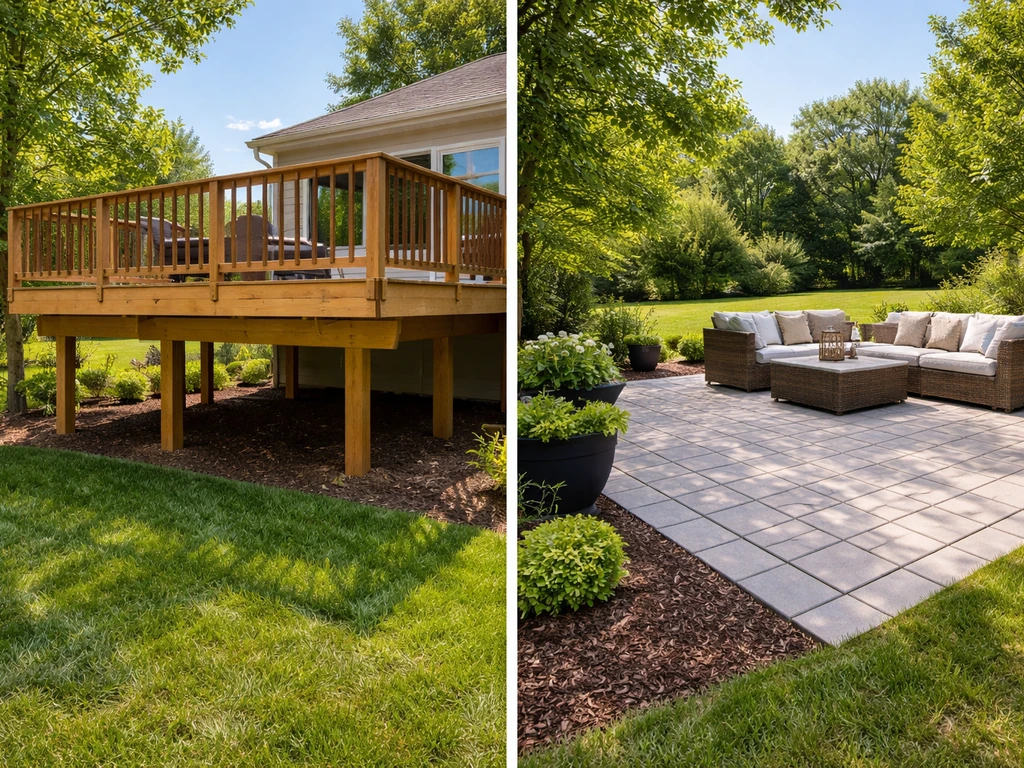
A deck is a raised platform built from wood or composite boards, typically attached to your house and supported by posts set into concrete footings. A patio is a ground-level (or near-ground-level) surface made from concrete, pavers, flagstone, or brick, sitting directly on a prepared base. Both give you outdoor living space, but they serve different yards, budgets, and lifestyles. If your yard is flat and well-drained, a patio almost always costs less and involves fewer permits. If your yard slopes, or you want the feel of an elevated outdoor room that flows from your back door, a deck is usually the better fit. Everything else depends on your specific situation.
Deck vs Patio: Costs, Maintenance, and Which Fits You

Miles Hart
29 Apr 2026
What actually makes them different
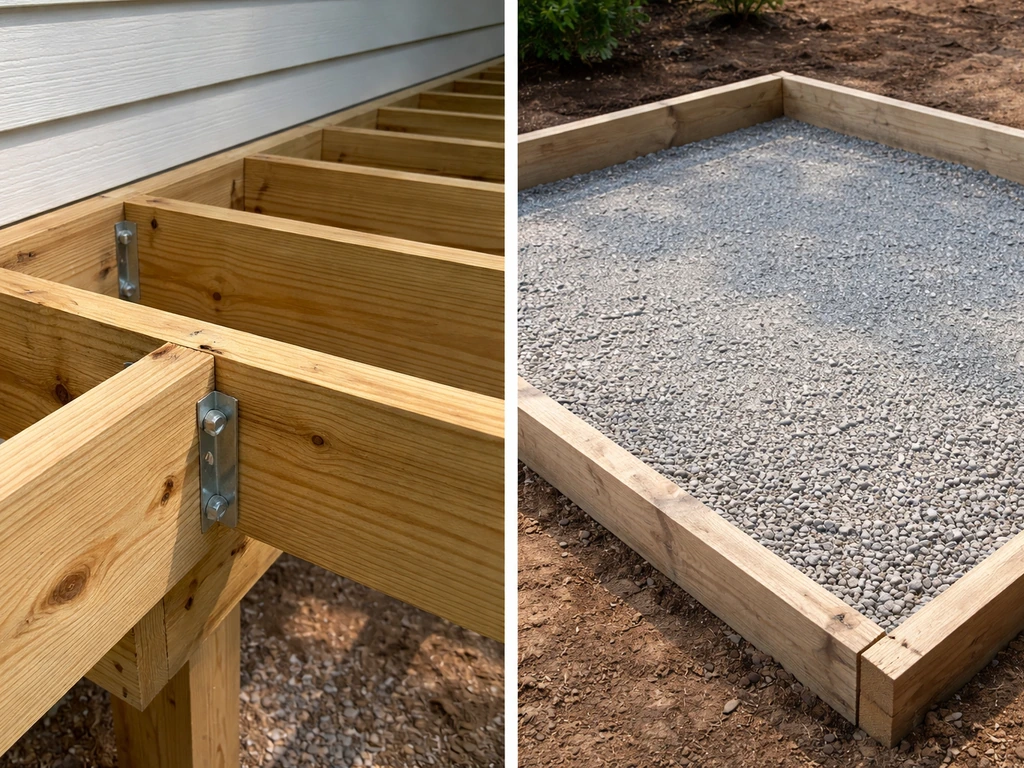
The structural difference is the biggest thing to understand. A deck is engineered to be elevated: it relies on a ledger board bolted to your house, joists spanning between beams, and posts sitting on concrete footings dug below the frost line. When a deck surface is more than 30 inches above grade, building codes (based on the IRC) require guardrails at least 36 inches tall, and some jurisdictions require 42 inches.
For decks more than 30 inches above grade, the International Building Code requires guardrails at least 36 inches tall, and some jurisdictions require 42 inches guardrails at least 36 inches tall, with some jurisdictions requiring 42 inches.
Decks. com notes that the IRC requires a minimum 36-inch guard height measured from the deck surface to the top of the guard, and it also references the 30-inch above-grade threshold for when guardrails are needed.
That structure adds cost, but it also lets you build over slopes, uneven terrain, or even above a basement walkout without any grading work.
A patio skips all of that. It sits on a prepared base: typically a few inches of compacted gravel, then about an inch of bedding sand, then the surface material. The whole system drains by gravity, which is why proper slope matters so much. Home Depot's installation guidance calls for a drop of roughly 1/4 inch per foot away from the house so water doesn't pool against your foundation. No posts, no footings, no ledger board. That simplicity is a real advantage on a flat lot with good drainage. On a sloped yard, though, a ground-level patio quickly requires significant grading, retaining walls, or both, and the cost advantage disappears.
Cost comparison: materials, labor, and permits
Decks cost more to build, full stop. A pressure-treated wood deck runs about $40 per square foot installed on average, which puts a modest 200-square-foot deck around $8,000. Composite decking changes the calculus: material and installation typically runs $10 to $14 per square foot for the decking boards alone, but once you add the framing, posts, footings, and railings, total project costs climb well above the board-only price. The structural components are the same regardless of whether you choose wood or composite on top.
Patios are generally cheaper to install, especially for straightforward layouts. Poured concrete runs $5 to $15 per square foot installed. Brick and concrete pavers come in at $10 to $17 per square foot. Flagstone is more expensive: $15 to $32 per square foot dry-laid, and up to around $45 per square foot when set in concrete. A 280-square-foot paver patio averages around $3,400 in many markets. These numbers can shift significantly based on your region, site prep requirements, and how complicated the layout is.
| Option | Typical Installed Cost (per sq ft) | Notes |
|---|---|---|
| Pressure-treated wood deck | ~$40 | Full project average; varies by height and complexity |
| Composite deck (boards only) | $10–$14 | Full project cost is higher once framing and railings are added |
| Poured concrete patio | $5–$15 | Lower end for basic slab; higher for stamped or colored |
| Paver patio (brick/concrete) | $10–$17 | Mid-range; widely available materials |
| Flagstone patio (dry-laid) | $15–$32 | Higher for concrete-set installation (~$45/sq ft) |
Permits and HOA: don't skip this step
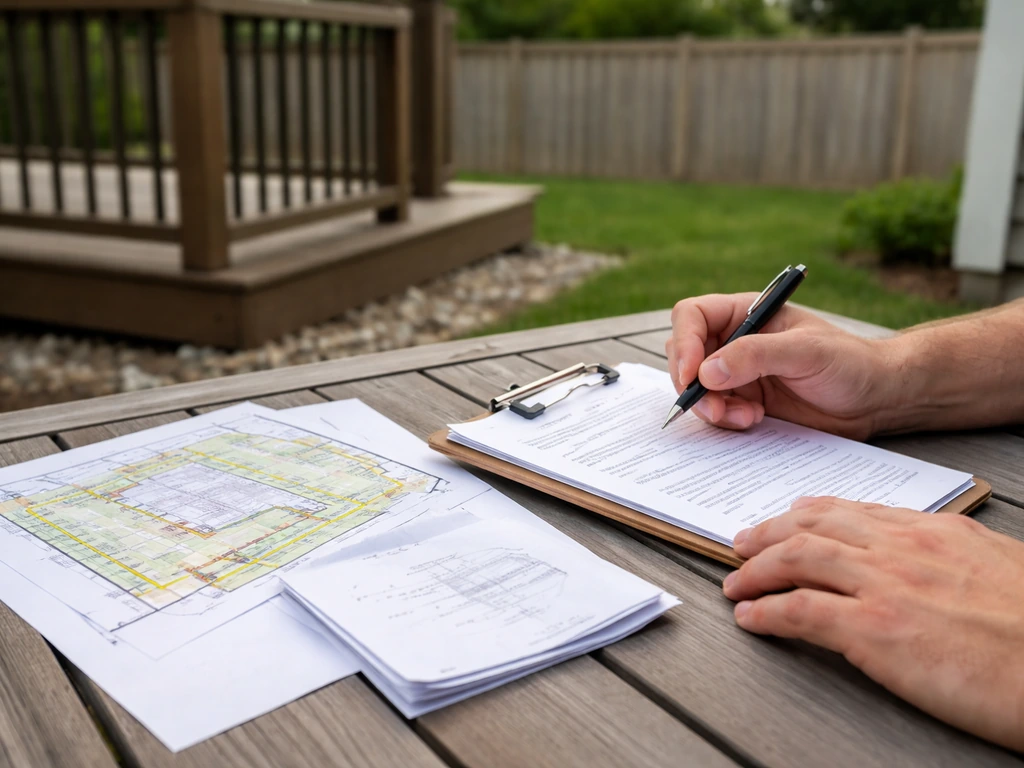
Decks almost always require a building permit. Height above grade, attachment to the house, and total square footage all trigger review. Portland's permit rules, for example, distinguish between patios/porch covers under 200 square feet that stay at least 3 feet from a property line (sometimes exempt) versus attached decks that typically require permits regardless of size. A Colorado jurisdiction's 2018 IRC guide treats uncovered decks and porches as a separate permit category with specific inspection requirements. The point is: rules vary by city and state, so check with your local building department before you dig a single post hole.
HOA rules add another layer. Some HOAs restrict what materials, colors, or furniture are allowed on decks and patios, or require architectural review before any exterior project. Review your CC&Rs before finalizing any design. The cost of an unapproved project can include forced removal, which is the most expensive outcome possible.
Design, comfort, and how they actually feel to use
Decks tend to feel more like an outdoor room. When they're built level with your interior floor and accessed through sliding or French doors, the transition from inside to outside is seamless. You can add pergolas, built-in benches, or shade sails more easily because you have a structural frame to attach things to. The elevation also gives you a better sightline over the yard, which matters if you're watching kids or dogs.
Patios feel more grounded and often more connected to the landscape. A well-designed paver patio with a fire pit area and some surrounding planting can feel much more intentional and integrated than a plain deck. Ground-level access makes them better for mobility, easier for furniture to sit stably, and simpler for guests who aren't comfortable with stairs. A patio also stays cooler in summer if you choose light-colored pavers or flagstone, while a dark composite or pressure-treated deck can get uncomfortably hot in direct sun.
Neither structure inherently offers weather protection on its own. If you want shade or rain coverage, you need to add a pergola, shade sail, awning, or full roof structure on top of either one. That said, a deck attached to the house at door level is usually easier to cover with a roof extension than a patio sitting away from the house. If year-round usability is a priority for you, the platform itself is just the starting point.
Maintenance and how long each one lasts
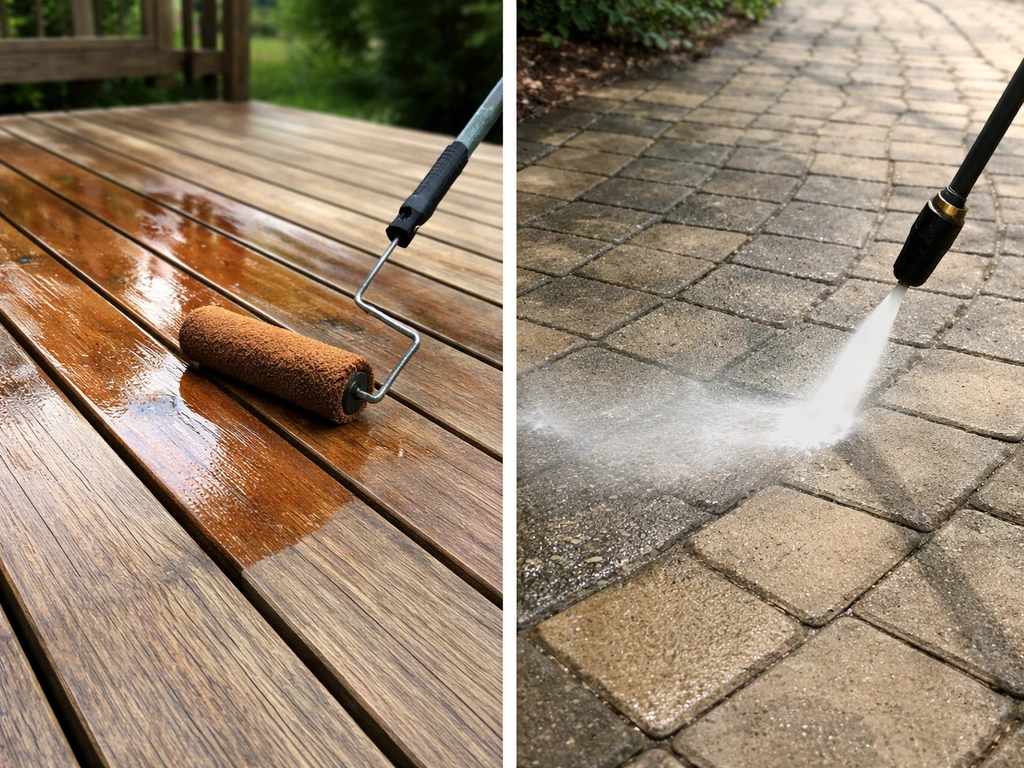
Wood decks need the most ongoing attention. Staining or sealing is recommended about once a year after cleaning and allowing the surface to fully dry. Skip it for a few years and you'll see cracking, graying, and eventually rot in the boards. With consistent maintenance, a wood deck structure can last 15 to 40 or more years, though the decking boards themselves usually need replacement before the framing does. Composite and PVC decking cuts out the staining entirely: cleaning is the primary maintenance task, typically with a deck cleaner and a soft brush, following the manufacturer's instructions. Composite decks can realistically last 25 to 30-plus years with minimal care.
Patios have their own maintenance issues, but they're generally less time-intensive than wood decks. Concrete pavers can develop weeds in the joints if the joint sand breaks down, so periodic re-sanding and sealing helps. You may also see efflorescence, which is a white chalky residue that appears when water moves through the material and carries salts to the surface. It's mostly cosmetic and can be removed, but it shows up on unsealed pavers in wet climates. The bigger durability concern for patios is freeze-thaw cycles. In cold climates like Colorado, poor base prep and drainage cause patios to heave and crack over time. A properly engineered base with adequate drainage is what separates a 5-year patio from a 25-year one.
How each one affects your home's value
Both decks and patios can add resale value, but the numbers tell an interesting story. Remodeling Magazine's Cost vs. Value data shows a wood deck addition returning around 83% of its cost at resale in 2024. Some sources, including Realtor.
com, have cited returns as high as 95% depending on the year and market. Composite deck ROI tends to run a bit lower percentage-wise because the upfront cost is higher. Patio ROI data is less consistently tracked in the same reports, but a well-built paver or concrete patio is generally seen by buyers as an asset, especially when it adds clearly defined outdoor living space. If you’re weighing ROI, you may also wonder is a deck or patio better for resale in your market and with your home’s setup.
If you want a quick way to think about deck vs patio home value, focus on ROI for the specific material and how clearly the project fits your lot and layout.
The real value driver isn't deck versus patio: it's whether the outdoor space is functional, well-maintained, and appropriate for the neighborhood. An oversized deck on a small lot can feel awkward to buyers. A cracked, weedy patio hurts more than it helps. If resale is a major factor in your decision, the cost-versus-value topic is worth digging into more deeply alongside questions about which option is better for resale in your specific market.
If you are comparing deck vs patio resale value, focus on ROI expectations in your local market and the condition of the finished structure when you list. If you want to compare which option is better for resale in your area, focus on buyer appeal, maintenance, and local cost-versus-value trends.
DIY versus hiring a contractor
A patio is genuinely more DIY-friendly than a deck. The prep work (excavating 2 to 4 inches, laying and compacting a gravel base, screeding a 1-inch sand bed, and setting pavers) is physically demanding but doesn't require specialized tools or structural engineering knowledge. Many homeowners successfully build their own paver patios on weekends. Concrete is less forgiving for DIYers because timing and finishing matter a lot, but it's still doable with the right help.
Decks are harder to DIY successfully, especially attached decks. The ledger board connection to the house is critical: a poorly flashed ledger is one of the most common causes of deck failure and rot. Footings need to be below the frost line, sized correctly, and inspected. Structural calculations for beam spans and joist sizing have to meet code. That said, a motivated, detail-oriented DIYer who gets the permit, studies the plans, and is willing to have inspections done can absolutely build a deck. If you're unsure, hire a contractor for the structural framing and footings, then handle the decking boards and railing yourself to save money.
Where to start today
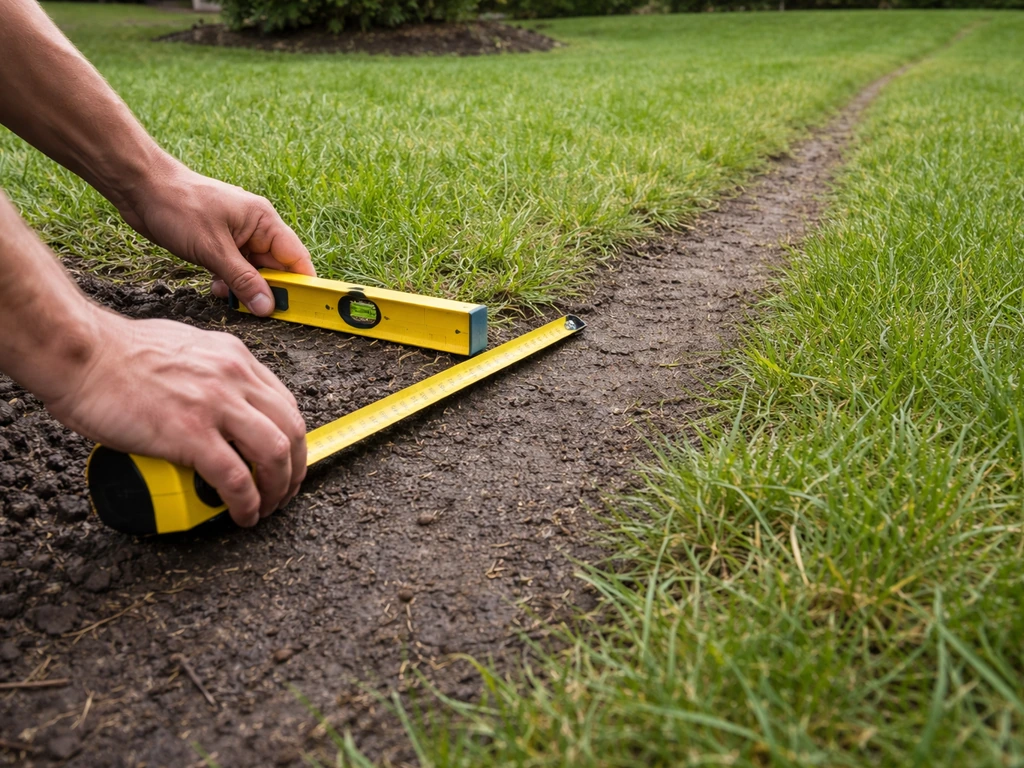
- Walk your yard and assess the grade. Does it slope away from the house, toward it, or is it flat? Slope favors a deck. Flat and well-drained favors a patio.
- Check drainage. After a heavy rain, where does water go? If it pools near your back door, a patio will make that worse unless you engineer proper grading first.
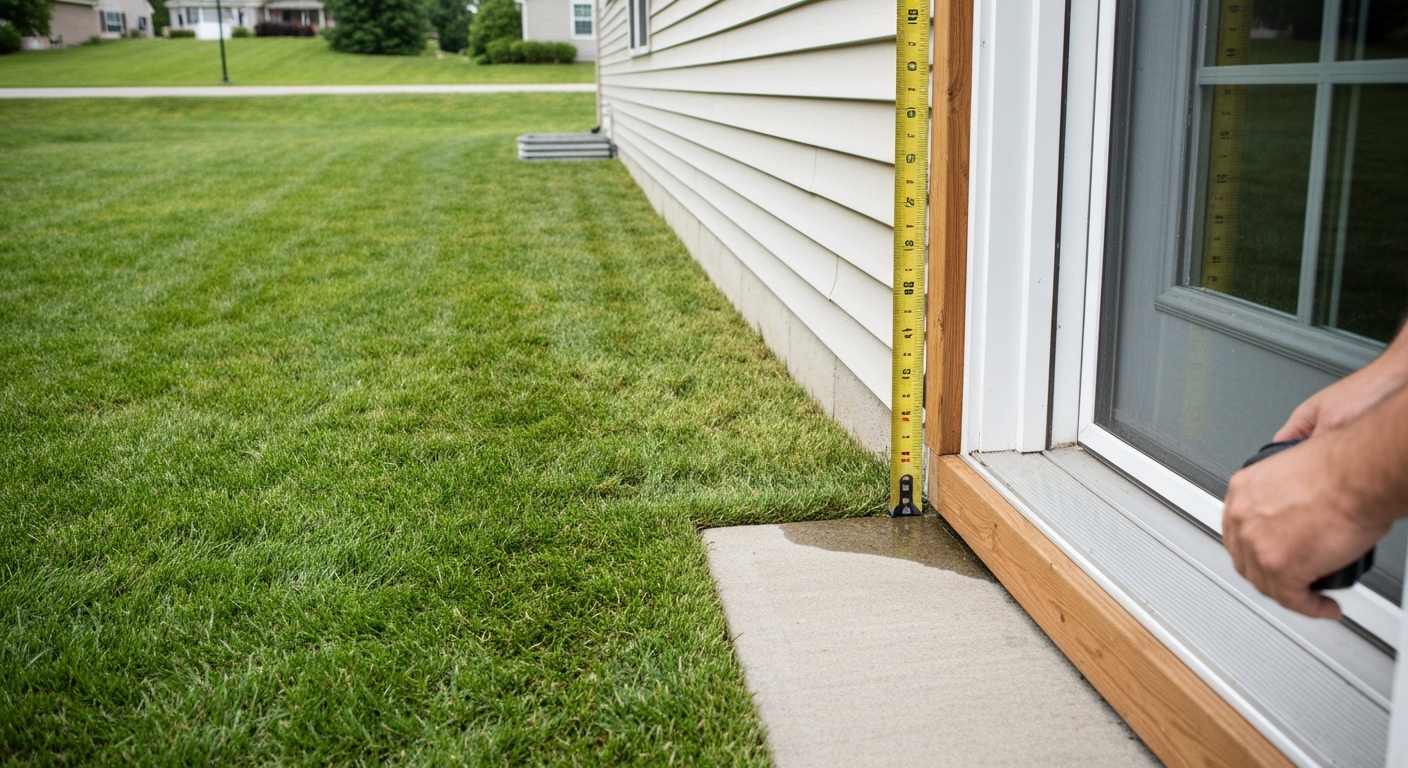
- Measure your intended footprint. Even a rough sketch with dimensions helps you get accurate quotes and understand permit thresholds in your area.
- Call or visit your local building department website and ask specifically what triggers a permit for decks and patios in your jurisdiction.
- Review your HOA documents if applicable, specifically the sections on exterior modifications and outdoor structures.
- Get at least two contractor quotes if you're leaning toward a deck, and ask them to break out labor, materials, and permit fees separately so you can compare accurately.
Which one is right for your situation
There's no universal answer, but most homeowners fall into recognizable scenarios. Here's a practical decision framework: If you want a quick recommendation, focus on your yard conditions, cost tolerance, and how you plan to use the space a practical decision framework.
| Your Situation | Better Choice | Why |
|---|---|---|
| Flat yard, tight budget | Patio | Lower material and labor cost; fewer permit requirements; concrete or pavers are cost-effective |
| Sloped or uneven yard | Deck | Avoids expensive grading and retaining walls; posts and footings handle elevation changes |
| Cold climate with freeze-thaw cycles | Deck (or well-engineered patio) | Patios fail in frost climates without proper base; a deck on footings is unaffected by ground movement |
| Low maintenance is a priority | Composite deck or paver patio | Composite needs cleaning only; pavers need re-sanding but no annual staining |
| Accessibility matters (kids, elderly, mobility) | Patio | No stairs required; stable, flat surface; easier furniture placement |
| Entertaining large groups outdoors | Either, sized generously | A 400+ sq ft deck or patio both work; deck adds elevation and views, patio integrates with yard |
| Resale is a major concern | Wood deck | Consistently tracked in Cost vs. Value reports with strong ROI in most markets |
| DIY build planned | Paver patio | Most accessible DIY project; no structural engineering, no permits in many jurisdictions for smaller sizes |
The decision often comes down to terrain and budget first, then maintenance preference and how you actually plan to use the space. A $3,500 paver patio on a flat lot that you use every day beats a $12,000 deck you never quite finish. Equally, a well-built deck that handles your sloped backyard and adds a real outdoor room to your home is worth every dollar of the premium over a patio that would have required $5,000 in grading to even work. Start with your site, then match the structure to it. For a more current snapshot in 2021, many homeowners weigh deck vs patio options by cost, permits, and how the layout fits their yard deck vs patio 2021.
FAQ
Which option is better for protecting my foundation from water pooling?
Yes, but the details matter. Many decks need a separation gap and flashing where the ledger attaches to the house, while patios rely on a properly sloped base to move water away from the foundation. If your main goal is keeping water out of the home, a patio with correct drainage often creates fewer “water management” failure points than a deck ledger.
How do decks and patios hold up in freezing winters?
Look for “frost depth” requirements and base preparation, not just the surface material. In freeze-thaw areas, patios fail most often due to under-excavation, poor compaction, or drainage that lets water collect under the slab or between pavers. For decks, the equivalent risk is undersized or shallow footings that heave.
If I add shade, does that change the maintenance requirements a lot?
A deck that is “covered” by a roof extension can reduce sun damage and, for wood, lower how often you need staining, but it does not eliminate moisture issues. You still need ventilation and proper flashing at penetrations. Patios with a pergola or shade sail are also cooler, but they remain exposed to weather, so joint sand breakdown and efflorescence can still occur.
What if my yard floods or stays muddy after storms?
If your yard drains poorly during heavy rain, a deck may be the practical choice because you can span above the grade with minimal grading. A patio can still work, but you may need engineered drainage, regrading, or added base depth, which erodes the usual patio cost advantage.
Which is more comfortable if my backyard has a slope?
Consider “usable height.” On a slope, a patio may end up with a lot of steps, uneven furniture placement, or a layout that feels awkward. A deck can be framed to a more consistent walking surface, but it may require taller railings or more structural complexity depending on height above grade.
Which project is usually harder to build because of site access and staging?
Plan around access and logistics. Decks often require working close to the house and lifting framing lumber and decking boards into place, which can be harder if your driveway or side yard is narrow. Patios usually involve excavation and moving materials across the yard, which is simpler for flat access but more disruptive if you have to haul spoil away.
Why do bids sometimes seem inconsistent between deck and patio quotes?
Estimate the whole “system,” not just the top surface. For decks, railings, stairs, and structural framing usually add a major portion of the budget. For patios, the base, edging, and jointing sand (plus any retaining wall or drainage) can match or exceed the surface material cost.
What HOA approval details should I verify before choosing deck vs patio materials?
HOAs can be strict in different ways. Some focus on visible decking materials and railing profiles, while others are more concerned about paver patterns, fire pit features, or hardscape footprint expansion. Before paying for design or permits, confirm whether approvals are needed for structure, color, and any heat-producing elements.
What upgrades give the biggest maintenance payoff after installation?
Yes, retrofits can reduce cost. For patios, you can upgrade long-term performance by using proper edging restraint and higher-quality joint sand to slow weed intrusion. For decks, if you are upgrading from wood, swapping to composite boards can improve appearance and reduce staining, but you cannot fix structural ledger or footing problems without addressing the frame.
How can I design either option to be more buyer-friendly?
If you want maximum resale appeal, aim for a “clean rectangle” footprint that matches how people walk out the back door, and avoid burying seating in a cluttered slope. A deck benefits from a straightforward stair route and door-level connection, while a patio benefits from clear transitions, edging, and weed-resistant jointing.
Next Article
Grass Is Higher Than Patio: Causes, Fixes & Deck vs Patio
Grass higher than patio? Causes, slope checks, repair options, lower lawn, raise patio, or build a deck, with costs & DIY